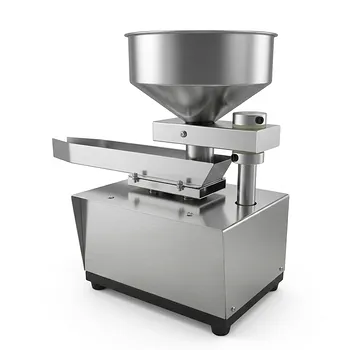
What is the function of a high-intensity vibratory mixer in pharmaceutical nanosuspensions? Achieving Nano-Precision
Updated 4 months ago
The primary function of a high-intensity vibratory mixer is to fracture drug crystals into sub-micron or nano-sized particles while ensuring uniform distribution. By applying low-frequency, high-intensity vibration energy to a vessel containing drug components and grinding media, the device generates the intense kinetic collisions necessary for rapid particle size reduction. This dual-action approach allows for the creation of stable pharmaceutical nanosuspensions in a significantly compressed timeframe.
High-intensity vibratory mixers act as high-energy milling systems that convert vibrational energy into mechanical shear and impact forces. Their core value lies in their ability to reduce drug crystals to the nanoscale while simultaneously maintaining a homogenous blend of stabilizers and surfactants.
The Mechanics of Kinetic Energy Transfer
Energy Conversion through Grinding Media
The mixer operates by subjecting a sealed vessel to low-frequency, high-intensity vibrations. These vibrations are transferred to internal grinding media, which act as the primary vehicles for particle reduction.
As the media moves violently within the chamber, it creates a high-density field of intense collisions. These collisions provide the mechanical energy required to overcome the lattice energy of drug crystals.
Simultaneous Mixing and Fracturing
Unlike standard blending equipment, this technology performs two critical tasks at once. It creates shear forces that distribute stabilizers across the newly formed surfaces of the drug particles.
This immediate coating is essential for preventing agglomeration. By fracturing and stabilizing the particles in a single step, the mixer ensures the nanosuspension remains physically stable.
The Role within the Nanosuspension Workflow
Transitioning from Pre-suspension to Milling
The process typically begins with a high-shear mixer to disperse powders into an aqueous solution. This initial stage creates a pre-suspension with sufficient fluidity for the subsequent milling phase.
Once the pre-suspension is uniform, the high-intensity vibratory mixer takes over. It transitions the material from a simple mixture of powder and liquid into a sophisticated nanosuspension.
Achieving Sub-micron Precision
The primary objective of this stage is to reach sub-micron or nano-sized dimensions. These smaller particles significantly increase the surface area of the drug.
Enhanced surface area leads to faster dissolution rates and improved bioavailability. This is particularly critical for poorly water-soluble drugs that struggle with traditional delivery methods.
Understanding the Trade-offs
Heat Generation and Material Sensitivity
The intense kinetic energy used to fracture crystals inevitably generates thermal energy. In a high-intensity environment, temperature spikes can degrade heat-sensitive pharmaceutical ingredients.
Active cooling or specialized vessel designs are often required to maintain stability. Failure to manage heat can result in chemical degradation or changes in the drug’s crystalline form.
Media Wear and Contamination Risks
The constant collision of grinding media can lead to material wear over time. This introduces a risk of "media shed," where microscopic fragments of the grinding beads contaminate the pharmaceutical product.
Selecting high-purity, wear-resistant media like yttrium-stabilized zirconia is necessary to mitigate this. Operators must also implement rigorous filtration and testing protocols to ensure final product purity.
How to Apply This to Your Project
Making the Right Choice for Your Goal
To maximize the effectiveness of a high-intensity vibratory mixer, your strategy should align with your specific formulation requirements.
- If your primary focus is rapid particle size reduction: Ensure the ratio of grinding media to drug material is optimized to maximize collision frequency.
- If your primary focus is long-term suspension stability: Prioritize the early and uniform distribution of surfactants during the high-shear pre-mixing phase before entering the vibratory mixer.
- If your primary focus is processing heat-sensitive APIs: Utilize pulsed vibration cycles or external cooling jackets to prevent thermal degradation during the high-intensity phase.
By mastering the balance between vibrational intensity and stabilizer integration, you can reliably produce nanosuspensions that meet the highest standards of pharmaceutical performance.
Summary Table:
| Key Feature | Primary Function | Pharmaceutical Benefit |
|---|---|---|
| Kinetic Collision | High-energy fracturing of drug crystals | Reduces particles to sub-micron/nano scale |
| Simultaneous Mixing | Uniform distribution of stabilizers | Prevents particle agglomeration and settling |
| Energy Transfer | Low-frequency, high-intensity vibration | Accelerates processing time vs. standard methods |
| Thermal Control | Integration of cooling systems | Protects heat-sensitive APIs from degradation |
| Media Optimization | Use of yttrium-stabilized zirconia | Minimizes contamination and ensures purity |
Elevate Your Pharmaceutical Formulation with Precision Milling
Achieving consistent sub-micron particle sizes is critical for the bioavailability and stability of modern drug delivery systems. At [Your Brand Name], we provide complete laboratory sample preparation solutions tailored for material science and pharmaceutical R&D.
We specialize in high-performance powder processing equipment, including:
- Advanced Milling: Planetary ball mills, jet mills, and liquid nitrogen cryogenic grinders for heat-sensitive materials.
- Mixing Excellence: High-intensity powder mixers and defoaming mixers to ensure uniform stabilizer distribution.
- Compaction Solutions: A full spectrum of hydraulic presses, including Cold/Warm Isostatic Presses (CIP/WIP), vacuum hot presses, and XRF pellet presses.
Whether you are scaling up a nanosuspension workflow or perfecting material compaction, our expertise ensures your lab achieves peak efficiency and product purity.
Ready to optimize your sample preparation?
Contact our technical team today to find the ideal equipment solution for your specific application.
References
- Meng Li, Ecevit Bilgili. An Intensified Vibratory Milling Process for Enhancing the Breakage Kinetics during the Preparation of Drug Nanosuspensions. DOI: 10.1208/s12249-015-0364-3
Mentioned Products
- Single Tank High Energy Vibratory Ball Mill for Laboratory Grinding and Mixing
- High Energy Hybrid Vibratory Ball Mill for Grinding Mixing and Cell Disruption
- Dual Jar High Energy Vibratory Ball Mill
- Multi-Platform Nanoscale High-Energy Vibratory Ball Mill
- High Viscosity Planetary Centrifugal Vacuum Mixer for Material Defoaming and Uniform Mixing
People Also Ask
- What is the primary purpose of using a vibratory ball mill in the preparation of respirable carbon fiber fragments?
- What is the purpose of using a vibratory ball mill for Al-Ni-Fe alloy ribbons? Achieve High Catalytic Activity
- Why is a vibratory ball mill preferred over a planetary ball mill for rapid powder particle refinement? High-Speed Impact
- How does a high-energy vibratory ball mill improve the performance of MgH2? Optimize Hydrogen Storage Kinetics
- What role do high-energy ball mills play in the preparation of reinforcements for hybrid metal matrix composites?

Tech Team · PowderPreparation
Last updated on Jun 03, 2026
Related Products
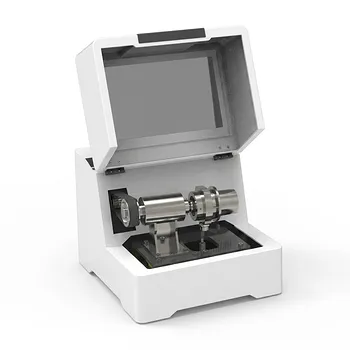
Single Tank High Energy Vibratory Ball Mill for Laboratory Grinding and Mixing
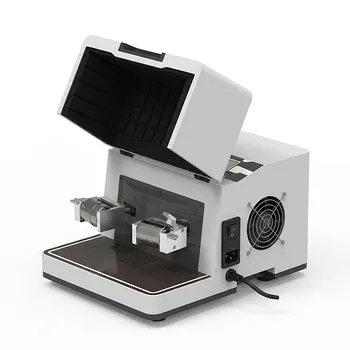
High Energy Hybrid Vibratory Ball Mill for Grinding Mixing and Cell Disruption
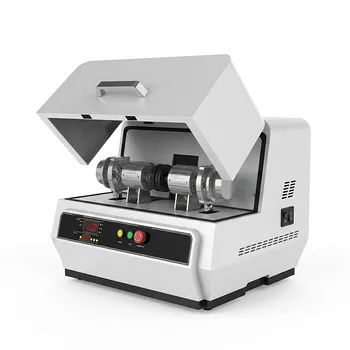
Dual Jar High Energy Vibratory Ball Mill
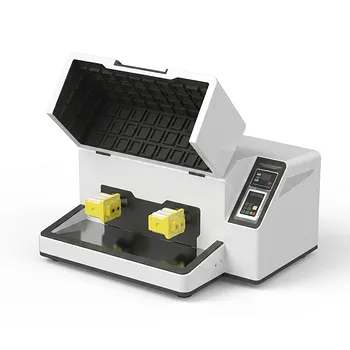
Multi-Platform Nanoscale High-Energy Vibratory Ball Mill
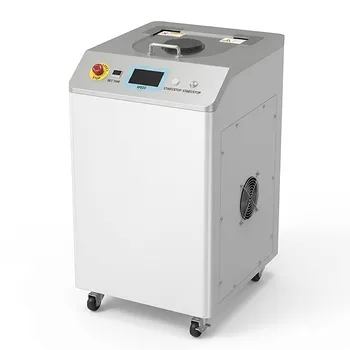
High Viscosity Planetary Centrifugal Vacuum Mixer for Material Defoaming and Uniform Mixing
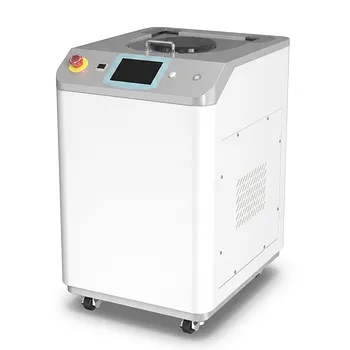
High Viscosity Planetary Centrifugal Mixing and Vacuum Defoaming Machine for Laboratory Material Preparation
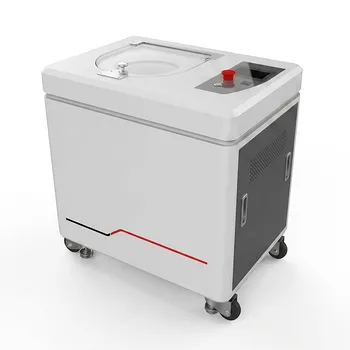
非介入式材料均质机真空脱泡行星搅拌高粘度混合设备
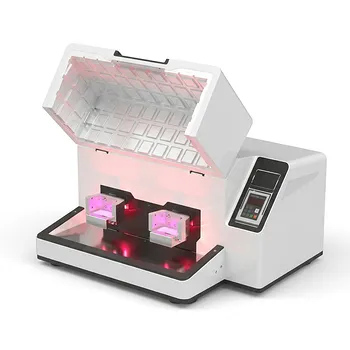
Nano High Energy Vibratory Ball Mill with Heating and Temperature Control
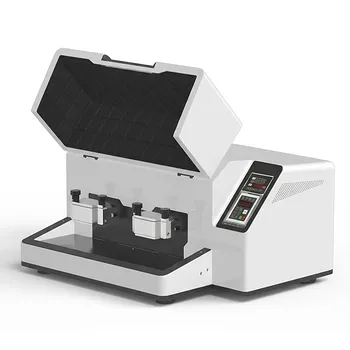
Nanoscale High-Energy Vibratory Ball Mill for Laboratory Sample Preparation, Mechanochemistry, and Mechanical Alloying
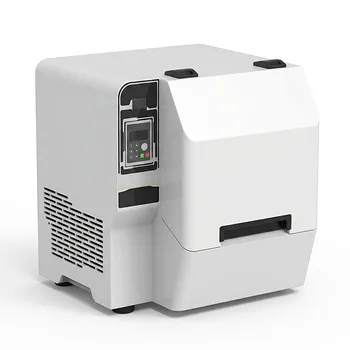
Nano High Energy Vibratory Ball Mill for Laboratory Sample Preparation
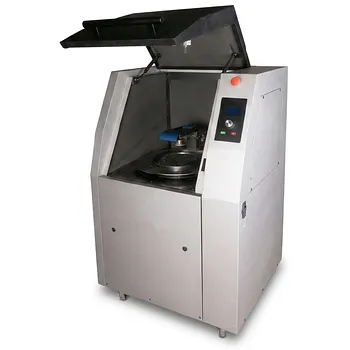
High Speed Vibratory Disc Mill for Spectral Analysis Sample Preparation and Rapid Powder Grinding
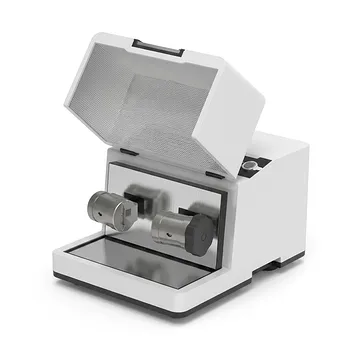
Heating Temperature Controlled High Energy Vibratory Ball Mill
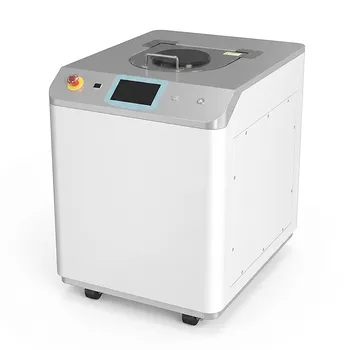
Industrial Planetary Centrifugal Vacuum Defoaming Mixer for High Viscosity Paste and Advanced Material Science
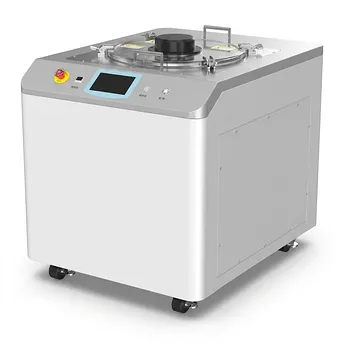
Industrial Planetary Centrifugal Vacuum Defoaming Mixer for High Viscosity Paste and Powder Homogenization
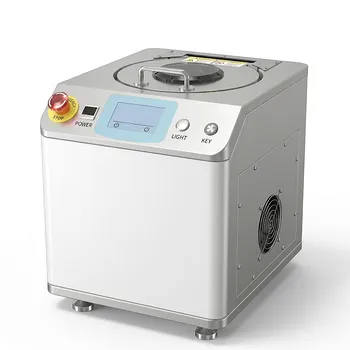
High Efficiency Vacuum Planetary Centrifugal Mixer and Defoaming Machine for Industrial Material Research and Precise Laboratory Powder Dispersion
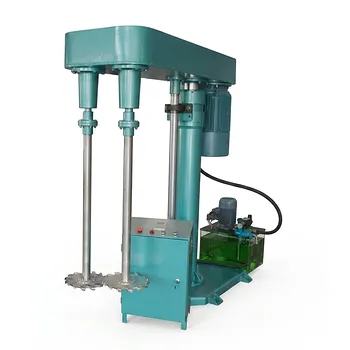
Hydraulic Double Shaft Disperser for High Viscosity Liquid Mixing and Dispersion
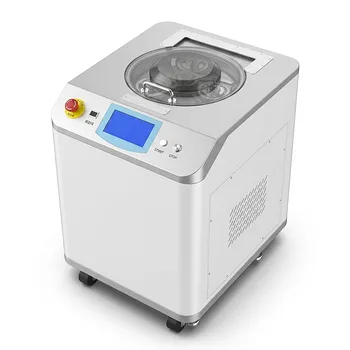
Dual Cup Vacuum Centrifugal Mixer Planetary Paste Defoaming Machine Industrial Material Processor
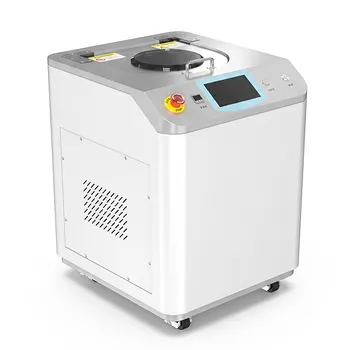
High Speed Vacuum Planetary Centrifugal Mixer and Defoamer for Industrial Paste Processing
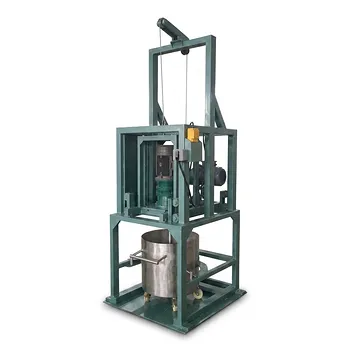
High-Speed Simple Disperser for Efficient Mixing, Dispersion, and Emulsification