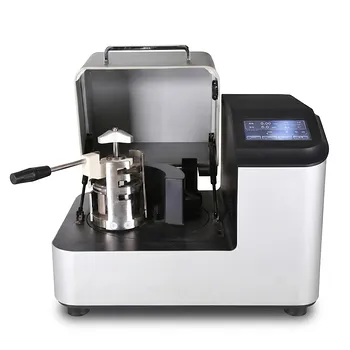
What is the function of industrial ball mills in foundry waste recycling? Transform Waste into High-Quality Molding Sand
Updated 5 months ago
Industrial ball mills serve as the primary mechanical catalyst for transforming rigid foundry waste into high-quality molding sand substitutes. These machines utilize high-energy grinding to pulverize materials like cupola slag, waste refractory bricks, and quarry dust into fine particles that mimic the properties of natural silica sand. This process is critical for ensuring waste materials achieve the necessary surface area to bond effectively with binders.
The core function of industrial ball mills in foundry recycling is to convert coarse, heterogeneous waste into uniform, high-reactivity powders. By precisely controlling particle size, these mills ensure that recycled materials maintain the physical integrity and consistency required for high-performance molding applications.
The Role of High-Energy Grinding in Waste Transformation
Pulverization and Particle Refinement
Industrial ball mills utilize mechanical impact and friction to reduce large solid wastes into fine debris. This process is essential for converting cupola slag and refractory bricks into a grain size similar to natural silica sand.
The mill's high-energy environment ensures that even the most durable waste materials are refined to a point where they can be reintegrated into production. This mechanical reduction is the first step in moving from macroscopic waste to microscopic, usable raw materials.
Increasing Specific Surface Area
A critical function of the ball mill is to increase the specific surface area of the particles. By breaking down the material, the mill creates a significantly higher number of contact sites on the surface of each particle.
This increased surface area is vital for subsequent processes, such as chemical leaching or binder application. It allows for more efficient reactions and stronger physical bonding within the molding sand matrix.
Ensuring Homogeneous Mixing
Beyond mere crushing, ball mills facilitate the homogeneous mixing of multi-component raw materials. In the production of refractories, this ensures that different waste streams are distributed evenly throughout the blend.
Uniformity is essential for facilitating complete solid-state reactions during high-temperature sintering. Without this level of homogeneity, the recycled material would suffer from structural weaknesses and inconsistent physical properties.
Mechanical and Chemical Activation
Enhancing Binder Contact and Reactivity
For recycled materials to function as molding sand, they must achieve maximum contact with binders. The fine particles produced by a ball mill ensure that the binder can coat the material evenly.
This interaction is essential for maintaining the consistency of the molding sand's physical properties. Proper grinding ensures that the recycled sand performs reliably under the thermal and mechanical stresses of the casting process.
Inducing Mechanochemical Effects
In some recycling applications, such as glass or polymer waste, the ball mill induces mechanochemical effects. The high-frequency collisions transfer mechanical energy directly to the molecules, sometimes triggering chemical bond cleavage.
This process can increase the surface energy of the particles, which is necessary for initiating reactions like alkali-activated self-hardening. It allows for chemical activation at lower macroscopic temperatures than traditional thermal methods would require.
Controlling Particle Size Distribution
The grinding time and efficiency of the mill directly determine the particle size distribution. For materials like recycled gypsum, this distribution dictates the subsequent hydration reactivity of the powder.
Foundries must precisely control this output to meet specific casting requirements. Fine-tuning the milling process allows for the creation of powders that meet strict fineness standards, often targeting sizes below 67 μm.
Understanding the Trade-offs and Limitations
Energy Consumption and Operational Costs
Industrial ball mills are energy-intensive machines. The high-energy mechanical impact required to pulverize refractory bricks and slag translates to significant electricity consumption.
Foundries must balance the cost of energy against the value of the recovered material. Efficient recycling requires optimizing milling time to reach the desired fineness without excessive energy waste.
Equipment Wear and Material Contamination
The high-intensity grinding process leads to inevitable wear on the mill's steel lining and grinding media. Over time, fragments of the grinding media can wear down and enter the recycled material stream.
This potential for metallic contamination must be monitored, especially in high-purity applications. Regular maintenance and the selection of appropriate grinding media are necessary to preserve the quality of the final product.
The Risk of Over-Grinding
While fine particles are generally desirable, over-grinding can create an excess of "fines." In molding sand, too many ultra-fine particles can reduce permeability, leading to gas defects in the final castings.
Consistency is key; the goal is to match the particle profile of natural sand rather than simply creating the finest powder possible. This requires careful calibration of the mill's rotation frequency and processing duration.
How to Apply Ball Milling to Your Recycling Goals
Achieving the best results with an industrial ball mill requires aligning the milling parameters with the specific needs of your foundry waste stream.
- If your primary focus is resource utilization of slag and bricks: Use high-energy settings to reduce these materials to the grain size of natural silica sand to ensure they bond effectively with standard binders.
- If your primary focus is enhancing chemical reactivity for sintering: Focus on maximizing grinding time to increase the specific surface area and surface energy, targeting a fine powder below 67 μm.
- If your primary focus is producing uniform refractory blends: Prioritize the mill’s ability to provide deep crushing and homogeneous mixing of multi-component wastes like ceramic rollers and magnesite.
By strategically leveraging the mechanical energy of industrial ball mills, foundries can transform problematic waste into high-value raw materials, closing the loop in the manufacturing process.
Summary Table:
| Key Function | Impact on Waste Material | Primary Benefit |
|---|---|---|
| Pulverization | Refines slag/bricks to sand-like grains | Replaces expensive natural silica sand |
| Surface Area Increase | Creates more contact sites for binders | Enhances chemical reactivity and bonding |
| Homogeneous Mixing | Distributes multi-component waste evenly | Ensures consistent high-temp sintering |
| Particle Size Control | Targets specific fineness (e.g., < 67 μm) | Optimizes permeability and hydration |
Transform Your Material Processing with Expert Solutions
Ready to turn foundry waste into high-value resources? We provide complete laboratory sample preparation solutions for material science, specializing in advanced powder processing and compaction equipment. Whether you are refining waste for reuse or developing new materials, our high-performance tools ensure precision at every step.
Our Core Equipment Includes:
- Grinding & Milling: Planetary ball mills, jet mills, jaw/roll crushers, and liquid nitrogen cryogenic grinders.
- Sizing & Mixing: Vibratory sieve shakers, air-jet sieves, and high-efficiency powder mixers.
- Compaction & Pressing: A full spectrum of hydraulic presses, including Cold/Warm Isostatic Presses (CIP/WIP), hot presses, and XRF pellet presses.
From initial crushing to final sintering preparation, we help you optimize your material's physical properties and performance. Contact our technical team today to find the perfect solution for your laboratory or industrial recycling goals!
References
- P. Nachimuthu, U. Effective Utilization of Industrial and Constructional Solid Waste Materials in Foundry Mould Making to Prevent Environment Pollution and Conserve Natural Silica Sand. DOI: 10.30955/gnj.005045
Mentioned Products
- Heavy Duty Horizontal Planetary Ball Mill for Efficient Industrial Grinding and Sample Preparation
- Vertical Production Planetary Ball Mill for High Throughput Powder Processing
- Dual Station Planetary Ball Mill 24L
- Single Tank High Energy Vibratory Ball Mill for Laboratory Grinding and Mixing
- High Energy Hybrid Vibratory Ball Mill for Grinding Mixing and Cell Disruption
People Also Ask
- Why grind lime-pozzolan specimens for TG/DTA for 3 mins? Master sample prep for high-precision thermal analysis.
- What is the role of a planetary ball mill in the mechanical activation of ZTA powder? Boost Sintering Performance
- What is the function of a planetary ball mill in wollastonite ceramic prep? Achieve Molecular Homogenization & Reactivity
- How does a planetary ball mill contribute to the homogenization of trace elements? Achieve Sub-Micron Uniformity
- What is the function of a high-performance planetary ball mill in AMZ laminates? Master Ceramic Homogenization.

Tech Team · PowderPreparation
Last updated on May 14, 2026
Related Products
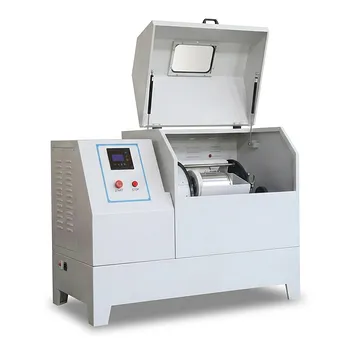
Heavy Duty Horizontal Planetary Ball Mill for Efficient Industrial Grinding and Sample Preparation
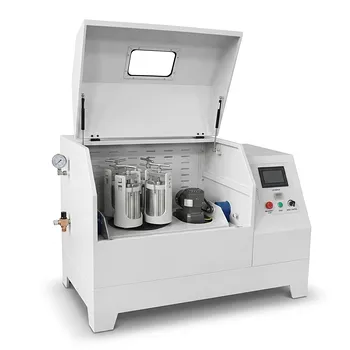
Vertical Production Planetary Ball Mill for High Throughput Powder Processing
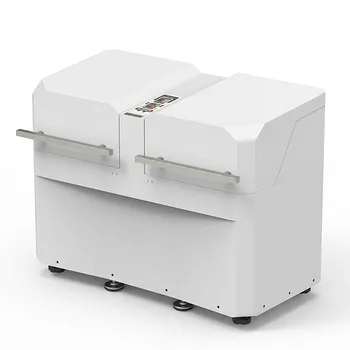
Dual Station Planetary Ball Mill 24L
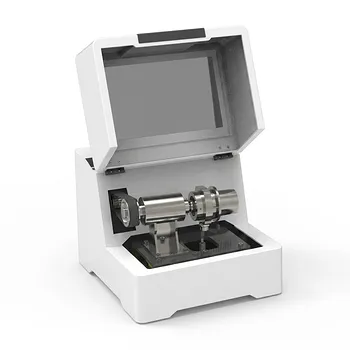
Single Tank High Energy Vibratory Ball Mill for Laboratory Grinding and Mixing
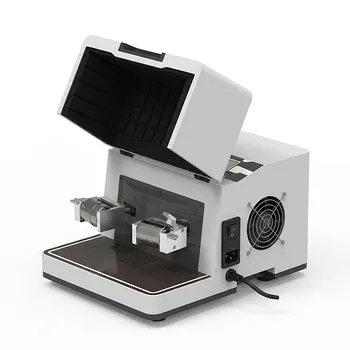
High Energy Hybrid Vibratory Ball Mill for Grinding Mixing and Cell Disruption
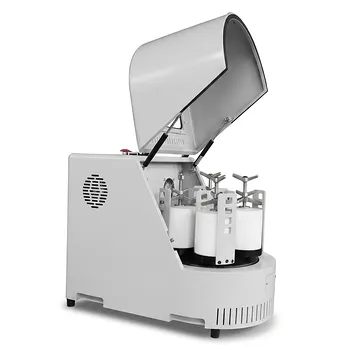
Vertical Semi Circular Planetary Ball Mill for Laboratory Precision Grinding
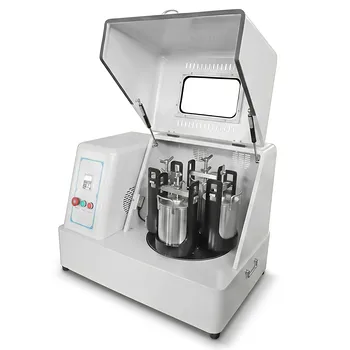
Vertical Square Planetary Ball Mill for Laboratory Sample Preparation and Nanoscale Grinding
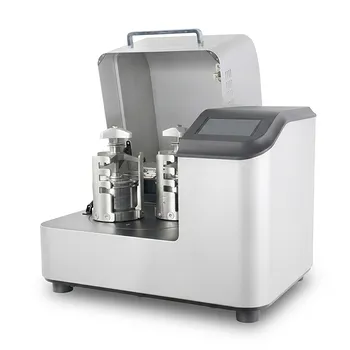
High Energy Planetary Ball Mill for Nano Scale Grinding and Mechanical Alloying
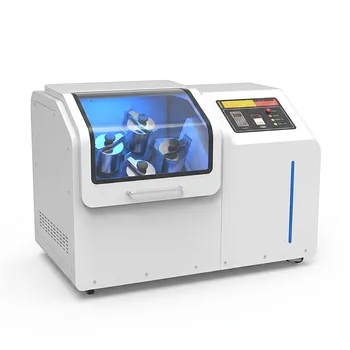
High Energy Omnidirectional Planetary Ball Mill 16L
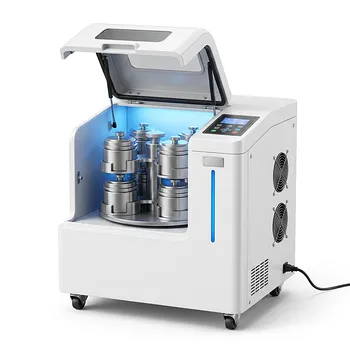
High Energy Omnidirectional Planetary Ball Mill 20L
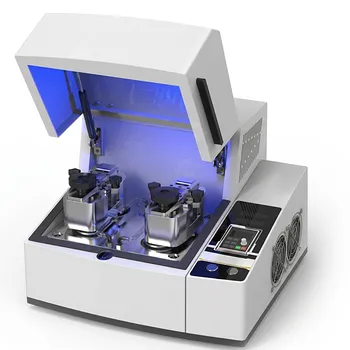
Laboratory Nano High Energy Ball Mill Ultrafine Grinding Mechanical Alloying
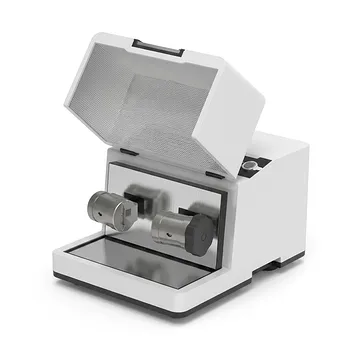
Heating Temperature Controlled High Energy Vibratory Ball Mill
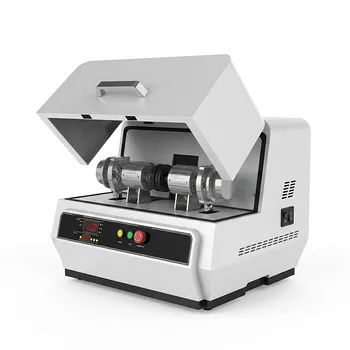
Dual Jar High Energy Vibratory Ball Mill

Nano High Energy Vibratory Ball Mill for Laboratory Sample Preparation
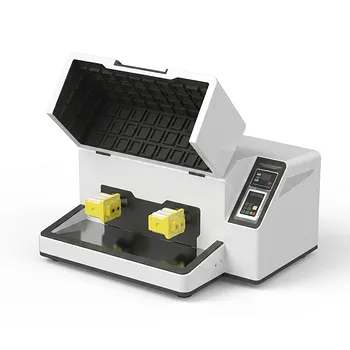
Multi-Platform Nanoscale High-Energy Vibratory Ball Mill
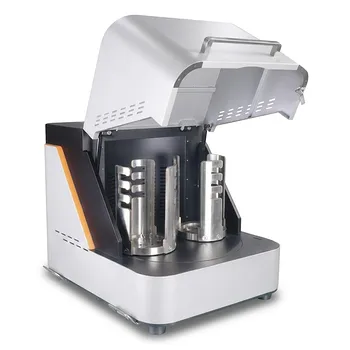
High Energy Laboratory Planetary Ball Mill for Nano Grinding and Colloidal Mixing of Hard and Brittle Materials
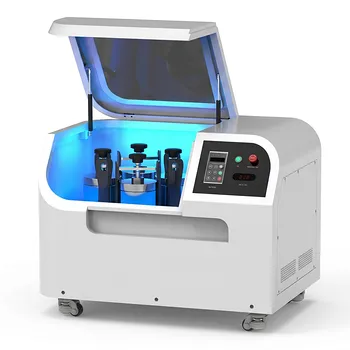
Planetary Ball Mill 12L
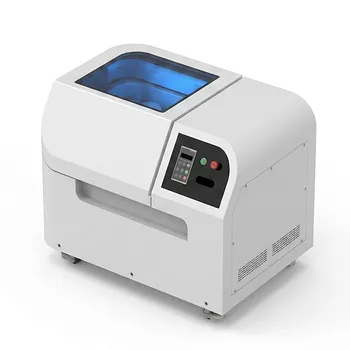
8L Planetary Ball Mill for Laboratory Grinding and Sample Preparation
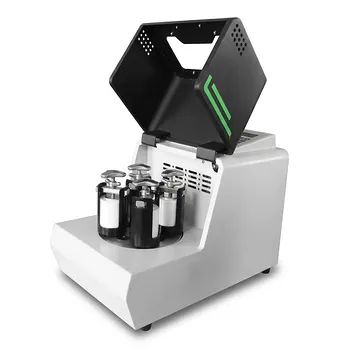
Miniature Planetary Ball Mill with Vacuum Grinding and High Efficiency for Laboratory Sample Preparation