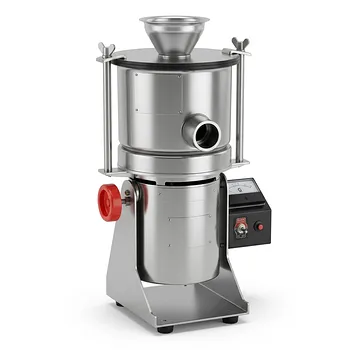
What is the primary function of a laboratory disc mill for oyster shells? Boost Reactivity & Analytical Precision
Updated 5 months ago
The primary function of a laboratory disc mill in processing oyster shell raw materials is the rapid pulverization of dried bulk shells into a fine, homogeneous powder. By utilizing high-speed rotation to generate intense shear and impact forces, the mill significantly increases the specific surface area of the shell material. This physical transformation is essential for enhancing the material's chemical reactivity, particularly for its use in neutralization reactions within bio-leaching solutions.
The laboratory disc mill acts as a bridge between raw waste and chemical reagent, using mechanical force to expose the internal active sites of the oyster shell. This process ensures the material is sufficiently refined for high-efficiency chemical reactions or precise laboratory analysis.
The Mechanics of Size Reduction
High-Speed Rotation and Force
The disc mill operates by rotating grinding elements at high velocities to create a combination of shear and impact forces. These forces act on the brittle structure of the dried oyster shell, shattering the bulk material into increasingly smaller fragments.
Achieving Uniform Particle Fineness
Unlike primary crushers that produce coarse grains, the disc mill is designed for precision comminution. It reduces the material to a fine powder state that is uniform in consistency, which is a prerequisite for repeatable experimental results.
Preparation for Analytical Techniques
Beyond chemical reactions, this fine grinding prepares the oyster shell samples for spectroscopic analysis. A homogeneous powder is required for techniques such as X-ray fluorescence (XRF) or X-ray diffraction (XRD) to ensure the results are representative of the entire batch.
Enhancing Chemical and Biological Activity
Increasing Specific Surface Area
The most critical outcome of the milling process is the dramatic expansion of the specific surface area. As the particle size decreases, the total area available for contact with liquid reagents increases exponentially.
Accelerating Neutralization Reactions
In the context of bio-leaching, the increased surface area allows the calcium carbonate in the shells to react more efficiently with acidic solutions. This enhanced chemical activity is necessary for effectively neutralizing bio-leaching solutions and stabilizing the environment for microbial processes.
Exposing Active Sites
Milling liberates active components that were previously trapped within the dense, multi-layered structure of the shell. By exposing these internal active sites, the mill facilitates the efficient capture of ions or the rapid dissolution of the material in aqueous environments.
Understanding the Trade-offs and Limitations
Heat Generation During Processing
The high-speed mechanical action of a disc mill generates significant friction-induced heat. If the material is sensitive to thermal degradation, prolonged milling cycles may unintentionally alter the physical or chemical properties of the oyster shell powder.
Potential for Sample Contamination
Because the grinding discs are typically made of hardened steel or tungsten carbide, there is a minor risk of elemental contamination. For high-purity applications, the choice of disc material must be carefully matched to the analytical requirements to avoid introducing trace metals.
Pre-Processing Requirements
A disc mill is not a primary crusher; it is designed for medium-hard to hard materials that have already been cleaned and dried. Attempting to process wet or excessively large shell fragments can lead to "caking" within the chamber or mechanical failure of the drive system.
How to Apply This to Your Project
Making the Right Choice for Your Goal
To achieve the best results with oyster shell processing, align your milling parameters with your final application:
- If your primary focus is bio-leaching neutralization: Prioritize achieving a high surface-area-to-volume ratio to maximize the speed of the chemical reaction.
- If your primary focus is mineralogical analysis (XRD/XRF): Focus on achieving a micron-level, homogeneous particle size to ensure peak intensity and representative sampling.
- If your primary focus is cost-effective throughput: Utilize a two-stage approach, using a hammer mill for initial coarse reduction before finishing with the disc mill for fine pulverization.
By mastering the mechanical reduction of oyster shells, you transform a biological byproduct into a high-performance tool for chemical and environmental engineering.
Summary Table:
| Feature | Impact on Oyster Shell Material | Primary Application |
|---|---|---|
| Rapid Pulverization | Converts bulk shells into fine, homogeneous powder | XRD, XRF, and Spectroscopic Analysis |
| Surface Area Expansion | Dramatically increases specific surface area | Accelerated Bio-leaching Neutralization |
| High-Shear Force | Exposes internal active sites and liberates components | Chemical and Environmental Engineering |
| Precision Comminution | Ensures uniform particle fineness and consistency | Repeatable Laboratory Experiments |
Optimize Your Material Preparation with Professional Lab Solutions
Are you looking to transform raw materials like oyster shells into high-performance chemical reagents? At [Brand Name], we provide complete laboratory sample preparation solutions specifically designed for material science, specializing in advanced powder processing and compaction equipment.
Our extensive product line supports every stage of your workflow:
- Size Reduction: High-efficiency crushers (jaw/roll), liquid nitrogen cryogenic grinders, and specialized mills (planetary ball, jet, sand/bead, disc, and rotor).
- Classification & Mixing: Vibratory and air-jet sieve shakers with precision meshes, plus high-performance powder and defoaming mixers.
- Compaction & Pressing: A full spectrum of hydraulic presses, including Cold/Warm Isostatic Presses (CIP/WIP), standard lab presses, XRF pellet presses, and vacuum hot presses.
Whether you are enhancing chemical reactivity for bio-leaching or preparing samples for rigorous mineralogical analysis, our equipment delivers the precision and durability your research demands.
Ready to upgrade your lab's capabilities? Contact our experts today to find the perfect solution!
References
- J. J. K. Gordon, E. K. Asiam. Characterisation of Oyster Shell for Neutralisation of Bio-leached Effluent. DOI: 10.4314/gm.v16i2.6
Mentioned Products
- Laboratory Disc Mill Medium Hard Material Grinding Coal Coke Ore Pulverizer
- Laboratory Disc Mill for Fine Sample Preparation of Hard and Brittle Materials
- Laboratory Disc Mill for Ore and Mineral Sample Preparation
- Vibratory Disc Mill for Rapid Fine Grinding and High Throughput Sample Preparation of Hard and Brittle Materials
- Precision Soil Disc Mill for Laboratory Fine Grinding and Environmental Sample Preparation
People Also Ask
- What is the function of a laboratory mill in Cassia tora L. seed analysis? Master Precision Thermal Data Prep.
- What is the purpose of using a laboratory mill to grind dried precipitates? Optimize TiO2/AuNRs Catalyst Homogeneity
- What role does a laboratory mill play in the study of lignite coal co-combustion? Optimizing Fuel Blends and Reactivity
- What function does a laboratory mill serve in corn starch saccharification experiments? Optimize Surface Area & Reactions
- What is the role of a disk mill in the sample preparation of natural clinoptilolite? Enhance Reactivity & Precision

Tech Team · PowderPreparation
Last updated on May 14, 2026
Related Products
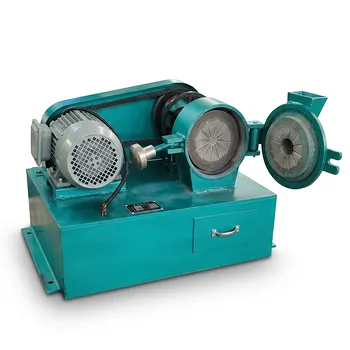
Laboratory Disc Mill Medium Hard Material Grinding Coal Coke Ore Pulverizer
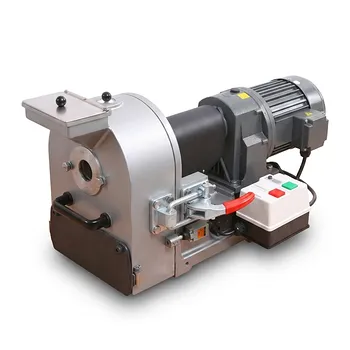
Laboratory Disc Mill for Fine Sample Preparation of Hard and Brittle Materials
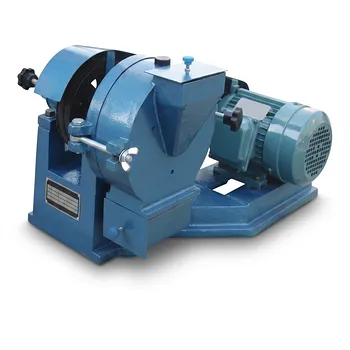
Laboratory Disc Mill for Ore and Mineral Sample Preparation
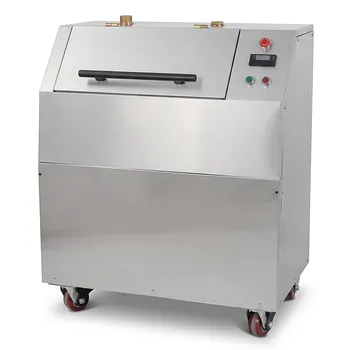
Vibratory Disc Mill for Rapid Fine Grinding and High Throughput Sample Preparation of Hard and Brittle Materials
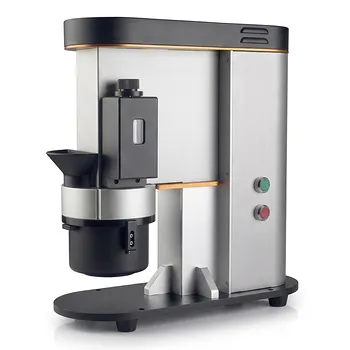
Precision Soil Disc Mill for Laboratory Fine Grinding and Environmental Sample Preparation
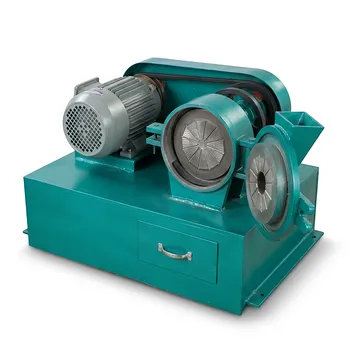
Laboratory Disc Pulverizer for Coal Coke Ore and Medium Hard Materials Sample Preparation
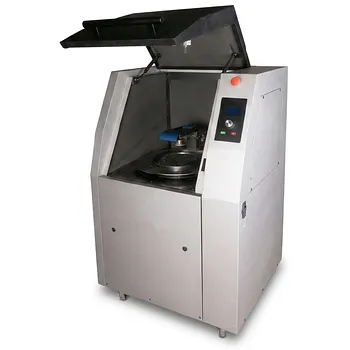
High Speed Vibratory Disc Mill for Spectral Analysis Sample Preparation and Rapid Powder Grinding
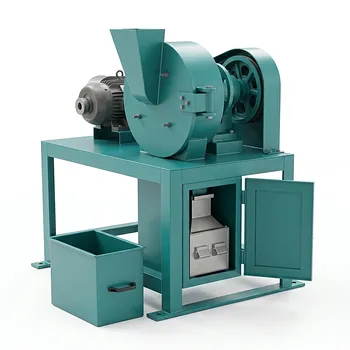
Sealed Disc Pulverizer Customized Model
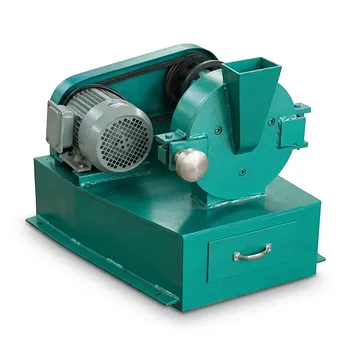
Medium Hardness Material Disc Pulverizer for Coal Ore Sample Preparation
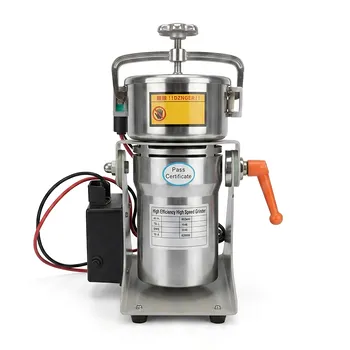
High Efficiency High Speed Grinder Laboratory Mill 1300W 25000rpm
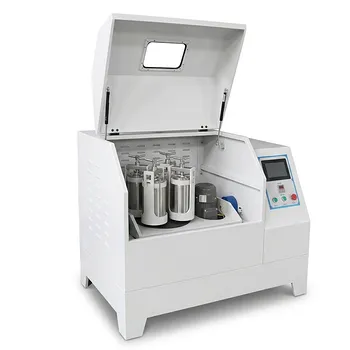
360° Rotating Omnidirectional Laboratory Planetary Ball Mill for Homogeneous Ultra-Fine Grinding and Mixing
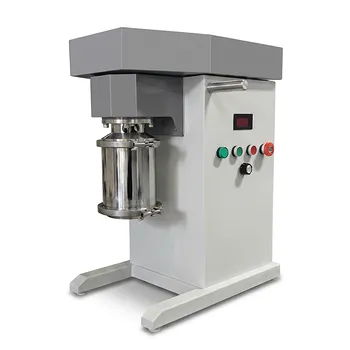
Nano Laboratory Bead Mill Desktop Sub Micron Sand Mill Screenless Seal Less Powder Grinder
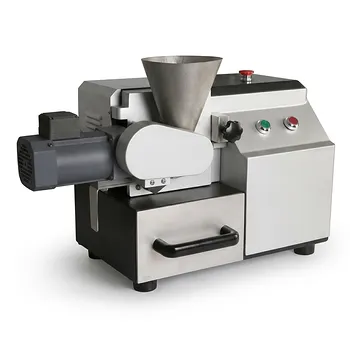
Laboratory Hammer Mill for Coal Quality Analysis and Brittle Mineral Grinding
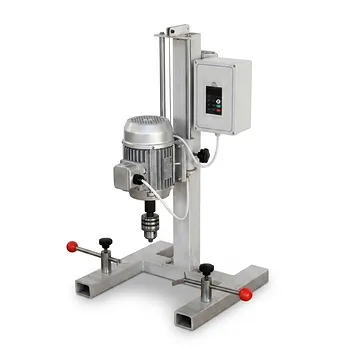
Laboratory Disperser and Sand Mill for Grinding Dispersing Emulsifying
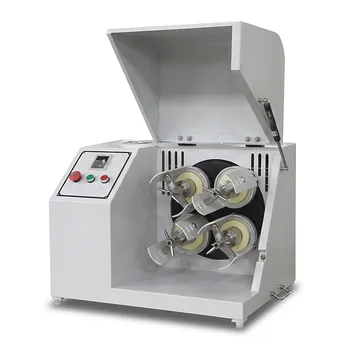
Horizontal Light Duty Planetary Ball Mill for Laboratory Sample Preparation
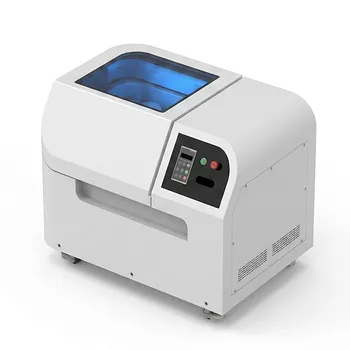
8L Planetary Ball Mill for Laboratory Grinding and Sample Preparation
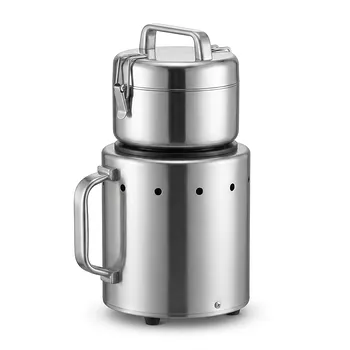
Small High Speed Grinder for Laboratory Sample Preparation
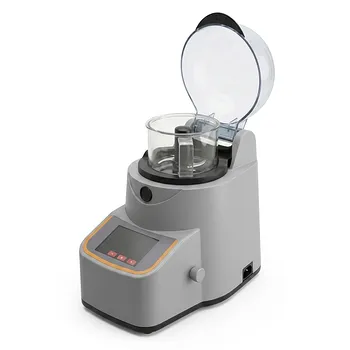
Industrial Knife Mill for Food and Biological Sample Preparation High Speed Laboratory Homogenizer
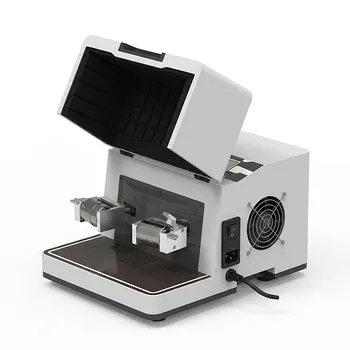
High Energy Hybrid Vibratory Ball Mill for Grinding Mixing and Cell Disruption