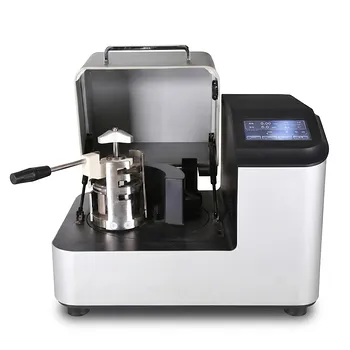
What is the core function of an industrial ball mill in polymer mechanochemical grinding? A Solid-State Reactor
Updated 5 months ago
The industrial ball mill serves as a reactor for solid-state molecular transformation. It functions by transferring mechanical energy directly to polymer chains through high-frequency collisions, triggering chemical bond cleavage without the need for high thermal energy or organic solvents. This process allows for controlled depolymerization and reaction activation at significantly lower macroscopic temperatures than traditional chemical processing methods.
The core function of an industrial ball mill in polymer mechanochemistry is the direct transduction of mechanical force into chemical energy. By bypassing the need for liquid mediums, it facilitates precise molecular transformations through targeted bond cleavage and enhanced surface reactivity.
The Mechanics of Energy Transfer
High-Frequency Collisions and Impact
The ball mill operates by utilizing the movement of grinding media to generate intense mechanical shear and impact forces. These high-frequency collisions between the grinding balls and the polymer material act as the primary driver for molecular change.
Molecular Mechanical Loading
Unlike traditional grinding which simply reduces particle size, mechanochemical grinding focuses on transferring energy to the molecular level. The mechanical load is applied so rapidly and intensely that it exceeds the strength of the chemical bonds within the polymer backbone.
Overcoming Thermal Barriers
This process enables chemical reactions to occur at lower macroscopic temperatures than those required by conventional thermal synthesis. The mechanical energy provides the necessary activation energy, allowing for reactions that would otherwise require extreme heat to initiate.
Facilitating Solid-State Chemical Reactions
Bond Cleavage and Depolymerization
The most critical chemical function of the ball mill is the induction of chemical bond cleavage. This facilitates depolymerization, breaking long polymer chains into smaller, more reactive fragments or monomers without the use of chemical reagents.
Solvent-Free Reaction Environments
By providing a platform for solid-solid reactions, the ball mill eliminates the need for organic solvents. This not only reduces the environmental footprint but also simplifies the purification process by avoiding solvent-reactant interactions.
Nanometer-Scale Homogenization
The mill achieves highly efficient mixing and nanometer-scale pulverization simultaneously. This ensures that any additives or co-reactants are perfectly dispersed, maximizing the surface area available for physicochemical interactions.
Understanding the Trade-offs
Risk of Material Over-Degradation
Precise control over milling time and rotation speed is essential to prevent excessive degradation. If the mechanical energy input is not carefully monitored, the polymer may break down beyond the target molecular weight, resulting in "harmful slimes" or unusable byproduct.
Localized Thermal Hotspots
While the macroscopic temperature of the mill remains low, the friction and impact can create localized thermal spikes. These microscopic "hotspots" can cause unintended side reactions or localized melting if the cooling systems or milling cycles are not optimized.
Mechanical Wear and Contamination
High-energy milling involves significant friction between the grinding media and the reactor walls. Over time, this can lead to media wear, potentially introducing small amounts of metallic or ceramic contaminants into the polymer matrix.
How to Apply This to Your Project
When integrating industrial ball milling into a polymer processing workflow, your strategy should depend on the specific molecular outcome required.
- If your primary focus is depolymerization for recycling: Prioritize high-frequency impact settings and monitor the reduction in molecular weight to ensure the polymer chains are broken into useful monomers.
- If your primary focus is surface functionalization: Use shorter milling cycles with high-intensity shear to activate the particle surfaces without destroying the bulk structural integrity of the polymer.
- If your primary focus is solvent-free synthesis: Ensure the media filling rate and rotation speed are calibrated to maintain a stable solid-state environment that maximizes contact between different solid reactants.
By mastering the balance between mechanical energy input and molecular stability, you can transform the ball mill from a simple grinder into a powerful, sustainable chemical reactor.
Summary Table:
| Feature | Mechanochemical Grinding Function |
|---|---|
| Core Role | Solid-state reactor for molecular transformation |
| Energy Source | Mechanical shear and high-frequency impact |
| Chemical Impact | Targeted bond cleavage and depolymerization |
| Temperature | Low macroscopic heat; bypasses thermal barriers |
| Environment | 100% solvent-free, solid-solid reaction platform |
| Outcome | Nanometer-scale homogenization and surface activation |
Elevate Your Polymer Research with Precision Grinding Solutions
Unlock the full potential of mechanochemistry with our advanced laboratory and industrial equipment. Whether you are focused on polymer recycling through depolymerization, solvent-free synthesis, or surface functionalization, we provide the high-performance tools necessary for precise molecular control.
Our complete laboratory sample preparation solutions include:
- Advanced Milling: Planetary ball mills, jet mills, and liquid nitrogen cryogenic grinders for heat-sensitive polymers.
- Powder Processing: High-efficiency powder mixers, defoaming mixers, and vibratory/air-jet sieve shakers.
- Material Compaction: A full spectrum of hydraulic presses, including Cold/Warm Isostatic Presses (CIP/WIP), vacuum hot presses, and XRF pellet presses.
From material science research to industrial-scale powder processing, our equipment ensures reliability, durability, and superior results. Contact our experts today to find the perfect solution for your specific application requirements!
References
- Simay Aydonat, Robert Göstl. Leveraging mechanochemistry for sustainable polymer degradation. DOI: 10.1038/s41428-023-00863-9
Mentioned Products
- Heavy Duty Horizontal Planetary Ball Mill for Efficient Industrial Grinding and Sample Preparation
- Vertical Production Planetary Ball Mill for High Throughput Powder Processing
- Dual Station Planetary Ball Mill 24L
- Single Tank High Energy Vibratory Ball Mill for Laboratory Grinding and Mixing
- High Energy Hybrid Vibratory Ball Mill for Grinding Mixing and Cell Disruption
People Also Ask
- Why grind lime-pozzolan specimens for TG/DTA for 3 mins? Master sample prep for high-precision thermal analysis.
- What is the role of a planetary ball mill in the mechanical activation of ZTA powder? Boost Sintering Performance
- What is the function of a planetary ball mill in wollastonite ceramic prep? Achieve Molecular Homogenization & Reactivity
- How does a planetary ball mill contribute to the homogenization of trace elements? Achieve Sub-Micron Uniformity
- What is the function of a high-performance planetary ball mill in AMZ laminates? Master Ceramic Homogenization.

Tech Team · PowderPreparation
Last updated on May 14, 2026
Related Products
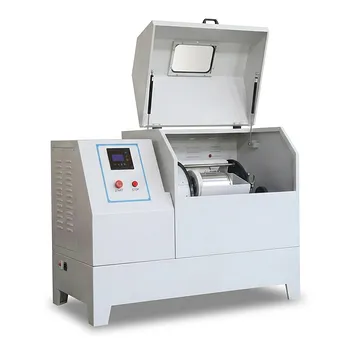
Heavy Duty Horizontal Planetary Ball Mill for Efficient Industrial Grinding and Sample Preparation
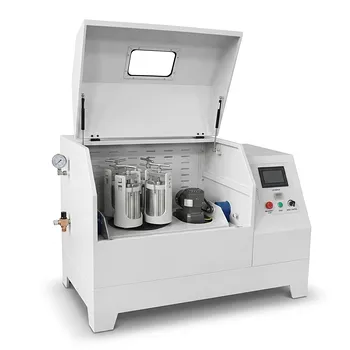
Vertical Production Planetary Ball Mill for High Throughput Powder Processing
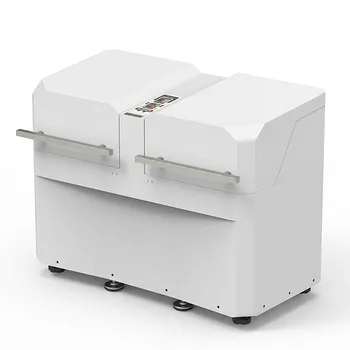
Dual Station Planetary Ball Mill 24L
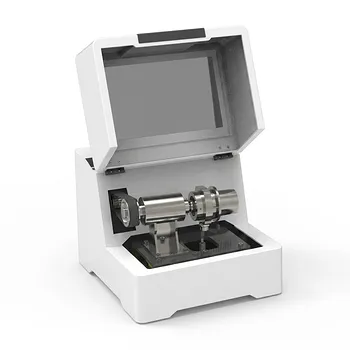
Single Tank High Energy Vibratory Ball Mill for Laboratory Grinding and Mixing

High Energy Hybrid Vibratory Ball Mill for Grinding Mixing and Cell Disruption
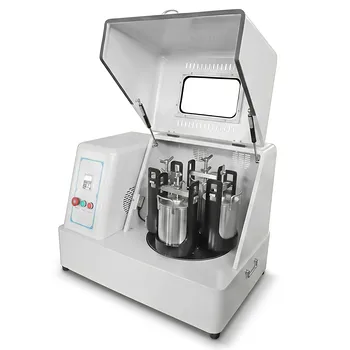
Vertical Square Planetary Ball Mill for Laboratory Sample Preparation and Nanoscale Grinding
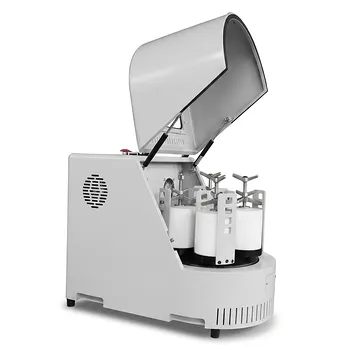
Vertical Semi Circular Planetary Ball Mill for Laboratory Precision Grinding
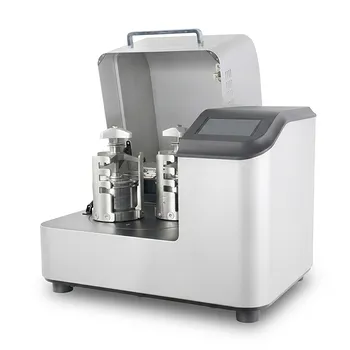
High Energy Planetary Ball Mill for Nano Scale Grinding and Mechanical Alloying
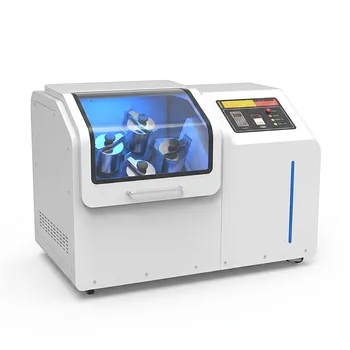
High Energy Omnidirectional Planetary Ball Mill 16L
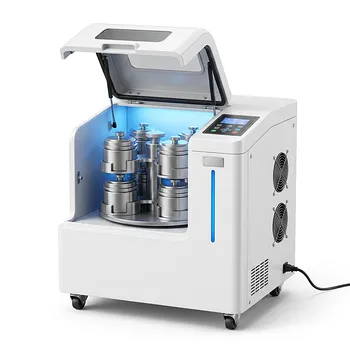
High Energy Omnidirectional Planetary Ball Mill 20L
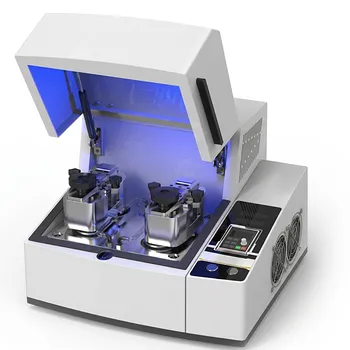
Laboratory Nano High Energy Ball Mill Ultrafine Grinding Mechanical Alloying

Heating Temperature Controlled High Energy Vibratory Ball Mill
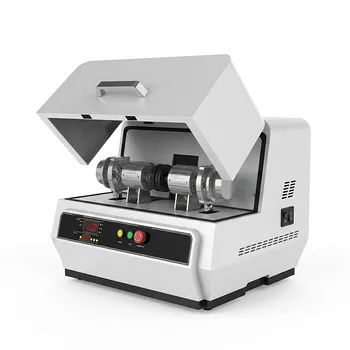
Dual Jar High Energy Vibratory Ball Mill

Nano High Energy Vibratory Ball Mill for Laboratory Sample Preparation
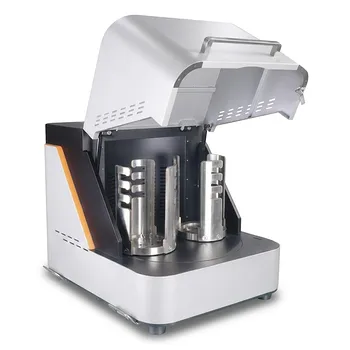
High Energy Laboratory Planetary Ball Mill for Nano Grinding and Colloidal Mixing of Hard and Brittle Materials

Multi-Platform Nanoscale High-Energy Vibratory Ball Mill
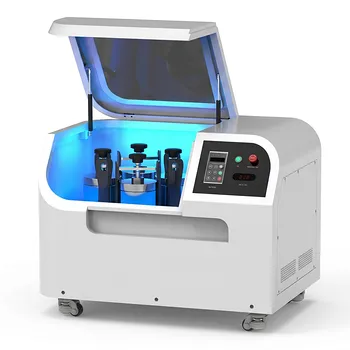
Planetary Ball Mill 12L

8L Planetary Ball Mill for Laboratory Grinding and Sample Preparation
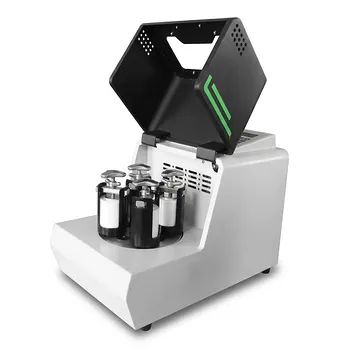
Miniature Planetary Ball Mill with Vacuum Grinding and High Efficiency for Laboratory Sample Preparation