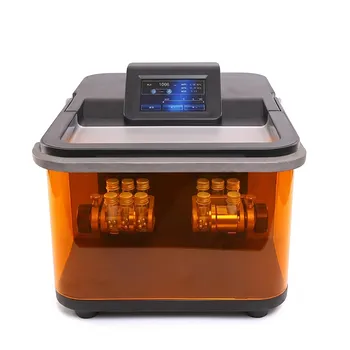
What are the technical advantages of using an industrial ball mill for PET micropowder? Boost Filler Quality & Surface Area
Updated 3 months ago
Utilizing industrial ball mills for PET processing provides a high-efficiency pathway to transform brittle waste plastic into high-value active fillers. By leveraging a combination of impact and attrition forces, these mills can increase the yield of micron-sized powder (under 0.16 mm) to approximately 50%, creating a material with a high specific surface area ideal for construction composites.
The core advantage of industrial ball milling lies in its ability to achieve extreme particle refinement and mechanical alloying at low temperatures. This process ensures the production of high-surface-area fillers that enhance interfacial bonding in composite materials without the risk of thermal degradation.
Superior Particle Refinement and Morphology
Achieving Micron-Sized Dimensions
Industrial ball mills are highly effective at refining embrittled Polyethylene Terephthalate (PET) into fine particles through a systematic two-stage process. By following initial crushing with secondary ball milling, operators can ensure that a significant portion of the output reaches micron-scale dimensions (smaller than 0.16 mm).
Maximizing Specific Surface Area
The mechanical action of the grinding media creates particles with a high specific surface area. This physical characteristic is critical when the powder is used as an active filler in construction materials, as it provides more contact points for chemical and physical bonding.
Ensuring Material Homogeneity
High-energy milling, such as that found in planetary configurations, ensures that the resulting powder is consistent enough for rigorous X-ray diffraction (XRD) analysis. This level of refinement is necessary to guarantee accurate measurements of porosity and BET specific surface area in industrial quality control.
Mechanical Alloying and Interfacial Bonding
Solid-State Mechanical Alloying
Unlike traditional melt extrusion, ball milling allows for solid-state mechanical alloying. This enables the integration of rPET with other materials, such as sawdust or plasticizers like poly(epsilon-caprolactone) (PCL), without requiring the materials to reach their melting points.
Improving Matrix Dispersion
The intense energy of a ball mill significantly improves the dispersion of hydrophilic additives (like wood fibers) within the hydrophobic PET matrix. This uniform distribution is vital for preventing structural weak points in the final composite material.
Enhancing Interfacial Bonding
By mechanically forcing different material phases together, ball milling enhances the interfacial bonding between the filler and the polymer matrix. This results in a composite material with superior mechanical properties compared to simple physical mixing.
Thermal Management and Material Integrity
Preventing Thermal Degradation
A primary technical advantage of solid-state ball milling is the reduction of thermal stress on the material. Because the process avoids the sustained high temperatures of melt processing, it effectively prevents the thermal degradation of sensitive biomass components like sawdust.
Controlled Grinding Environments
Advanced industrial mills often utilize repeated cycles of grinding and cooling. This controlled environment manages the heat generated by friction, ensuring that the PET and its additives maintain their chemical integrity throughout the refinement process.
Understanding the Trade-offs
Processing Speed vs. Energy Consumption
While ball mills produce exceptionally fine powders, they generally operate at lower speeds compared to industrial disintegrators. This can lead to longer processing times and higher energy consumption per kilogram of material produced.
Heat Accumulation Risks
Despite cooling cycles, the friction and impact inherent in ball milling can lead to localized heat buildup if not monitored. If temperatures rise too high, the PET may lose its brittleness and become ductile, which significantly reduces the efficiency of the grinding process.
Equipment Wear and Maintenance
The use of heavy grinding media—such as stainless steel balls—imposes significant wear on the mill's internal lining. This necessitates regular maintenance and the potential for metal contamination in the powder, which may be a concern for specific high-purity applications.
How to Apply This to Your Project
Recommendations for Implementation
- If your primary focus is maximizing composite strength: Prioritize high-energy ball milling to ensure the highest possible specific surface area for optimal interfacial bonding.
- If your primary focus is processing biomass-filled PET: Utilize low-temperature solid-state milling with cyclic cooling to prevent the thermal degradation of the organic fibers.
- If your primary focus is rapid throughput and low wear: Consider using a high-speed disintegrator if the material is sufficiently brittle and ultra-fine micronization is not the top priority.
By selecting the appropriate milling parameters, you can effectively transform waste PET into a high-performance technical filler tailored for advanced material applications.
Summary Table:
| Advantage | Technical Impact | Primary Benefit |
|---|---|---|
| Particle Refinement | Yields < 0.16 mm micron powder | High-value active filler production |
| Mechanical Alloying | Solid-state material integration | Enhanced interfacial bonding in composites |
| Thermal Management | Low-temperature processing | Prevents degradation of sensitive additives |
| Material Homogeneity | Consistent dispersion & high surface area | Improved structural integrity & XRD accuracy |
Elevate Your Material Research with Expert Sample Preparation
Transforming waste PET into high-performance fillers requires precision and the right equipment. At our core, we provide complete laboratory sample preparation solutions for material science, specializing in high-efficiency powder processing and compaction.
Whether you need to achieve ultra-fine micronization or maintain thermal integrity, our extensive range of equipment is designed to meet your specific needs:
- Advanced Milling: Planetary ball mills, jet mills, and liquid nitrogen cryogenic grinders for heat-sensitive polymers.
- Precision Crushing: Heavy-duty jaw and roll crushers for initial material reduction.
- Powder Compaction: A full spectrum of hydraulic presses, including Cold/Warm Isostatic Presses (CIP/WIP), vacuum hot presses, and XRF pellet presses.
- Classification & Mixing: Vibratory sieve shakers and high-performance powder or defoaming mixers.
Ready to optimize your waste-to-value workflow? Contact our technical team today to discuss how our specialized equipment can enhance your lab's productivity and material performance.
References
- Natalya Fomina, Артур Исмагилов. Shredding of polyethylene terephthalate waste. DOI: 10.1051/e3sconf/202126301018
Mentioned Products
- Heavy Duty Horizontal Planetary Ball Mill for Efficient Industrial Grinding and Sample Preparation
- Vertical Production Planetary Ball Mill for High Throughput Powder Processing
- Dual Station Planetary Ball Mill 24L
- Single Tank High Energy Vibratory Ball Mill for Laboratory Grinding and Mixing
- Vertical Square Planetary Ball Mill for Laboratory Sample Preparation and Nanoscale Grinding
People Also Ask
- Why grind lime-pozzolan specimens for TG/DTA for 3 mins? Master sample prep for high-precision thermal analysis.
- What is the role of a planetary ball mill in the mechanical activation of ZTA powder? Boost Sintering Performance
- What is the function of a planetary ball mill in wollastonite ceramic prep? Achieve Molecular Homogenization & Reactivity
- How does a planetary ball mill contribute to the homogenization of trace elements? Achieve Sub-Micron Uniformity
- What is the function of a high-performance planetary ball mill in AMZ laminates? Master Ceramic Homogenization.

Tech Team · PowderPreparation
Last updated on Jun 03, 2026
Related Products
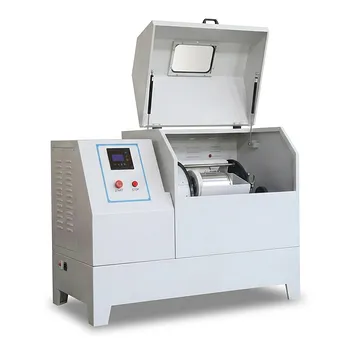
Heavy Duty Horizontal Planetary Ball Mill for Efficient Industrial Grinding and Sample Preparation
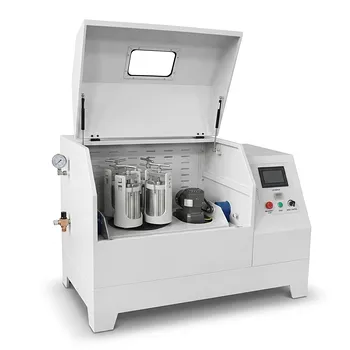
Vertical Production Planetary Ball Mill for High Throughput Powder Processing
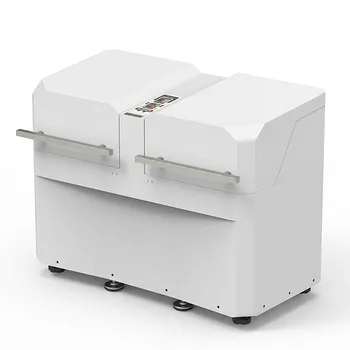
Dual Station Planetary Ball Mill 24L
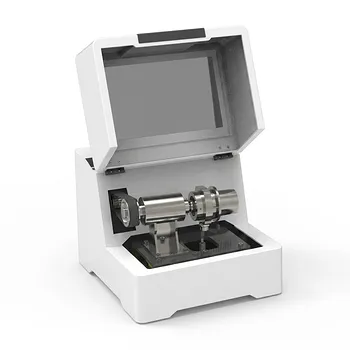
Single Tank High Energy Vibratory Ball Mill for Laboratory Grinding and Mixing
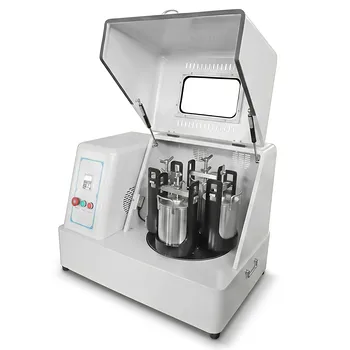
Vertical Square Planetary Ball Mill for Laboratory Sample Preparation and Nanoscale Grinding
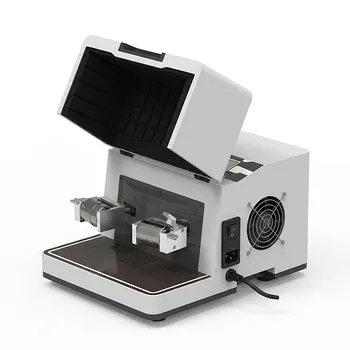
High Energy Hybrid Vibratory Ball Mill for Grinding Mixing and Cell Disruption
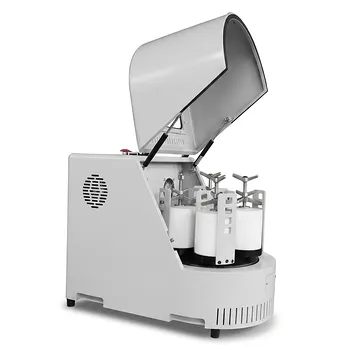
Vertical Semi Circular Planetary Ball Mill for Laboratory Precision Grinding
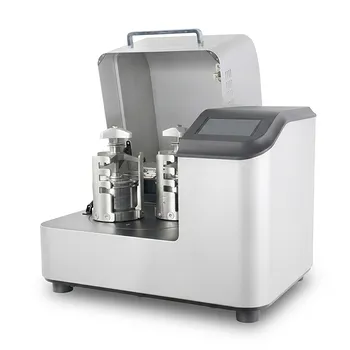
High Energy Planetary Ball Mill for Nano Scale Grinding and Mechanical Alloying
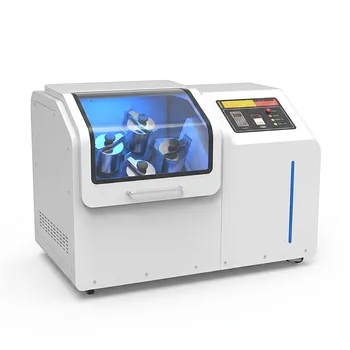
High Energy Omnidirectional Planetary Ball Mill 16L
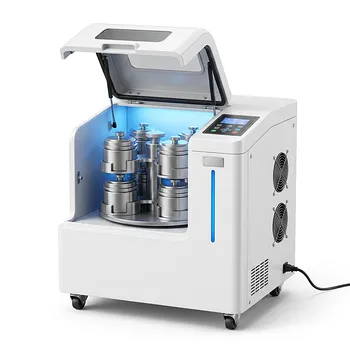
High Energy Omnidirectional Planetary Ball Mill 20L
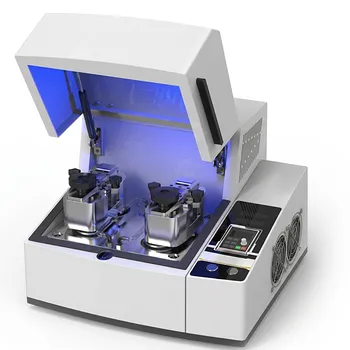
Laboratory Nano High Energy Ball Mill Ultrafine Grinding Mechanical Alloying
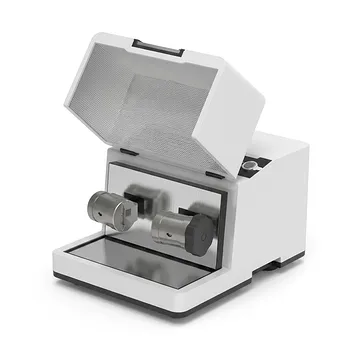
Heating Temperature Controlled High Energy Vibratory Ball Mill
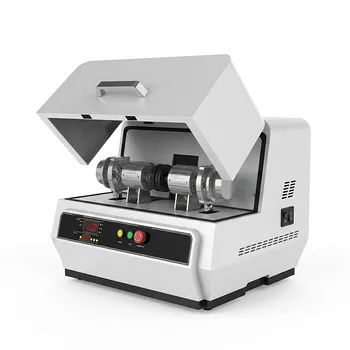
Dual Jar High Energy Vibratory Ball Mill
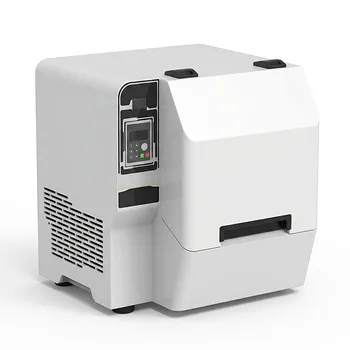
Nano High Energy Vibratory Ball Mill for Laboratory Sample Preparation
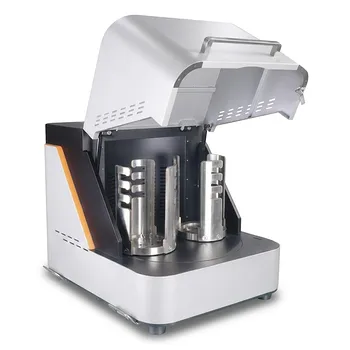
High Energy Laboratory Planetary Ball Mill for Nano Grinding and Colloidal Mixing of Hard and Brittle Materials
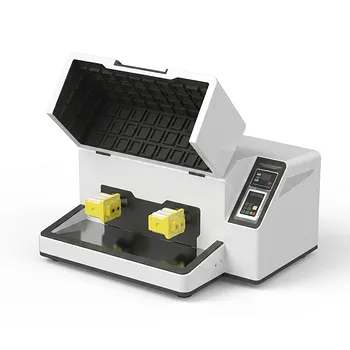
Multi-Platform Nanoscale High-Energy Vibratory Ball Mill
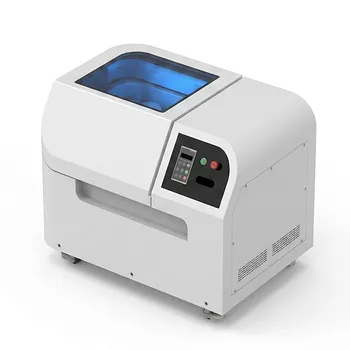
8L Planetary Ball Mill for Laboratory Grinding and Sample Preparation
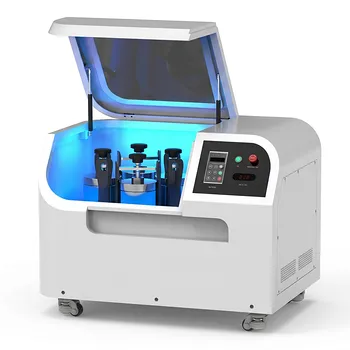
Planetary Ball Mill 12L
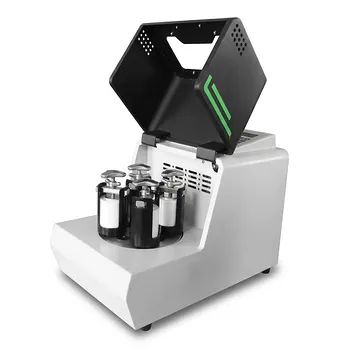
Miniature Planetary Ball Mill with Vacuum Grinding and High Efficiency for Laboratory Sample Preparation