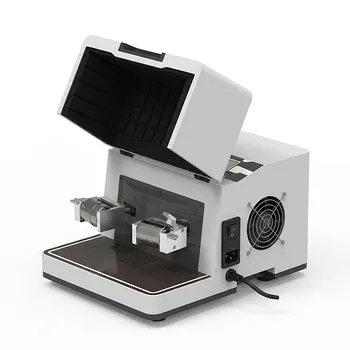
What is the function of a high-performance planetary ball mill in AMZ laminates? Master Ceramic Homogenization.
Updated 5 months ago
In the fabrication of Alumina-Mullite-Zirconia (AMZ) ceramic laminates, the high-performance planetary ball mill serves as the primary mechanism for high-energy homogenization and particle refinement. By subjecting raw powders to intense centrifugal and impact forces, the mill ensures a micro-level uniform distribution of alumina, mullite, and zirconia particles. This precise mixing is fundamental to controlling thermal expansion and establishing the specific residual stress profiles required for structural integrity during the subsequent sintering phase.
The planetary ball mill transforms raw ceramic powders into a highly reactive, homogeneous precursor. This process is essential for achieving the precise material properties and stress-balancing required in complex, multi-layered ceramic architectures.
Achieving Microscopic Homogeneity
Breaking Down Powder Agglomerates
Raw ceramic powders often contain agglomerates that can create structural weak points in the final laminate. The high-speed impact and friction generated by the milling balls forcefully break these clusters apart, ensuring each component is reduced to its primary particle size.
Uniform Distribution of Reinforcing Phases
For AMZ laminates to perform reliably, the zirconia and mullite must be perfectly dispersed within the alumina matrix. This micro-scale distribution prevents the clustering of secondary phases, which is critical for maintaining a consistent microstructure and preventing localized stress concentrations.
High-Energy Mechanical Alloying
The planetary motion creates significant mechanical energy that goes beyond simple mixing. This energy can induce the formation of intragranular structures, where nano-reinforcing phases are embedded directly into the ceramic lattice, enhancing the final product's flexural strength and fracture toughness.
Enhancing Sintering Performance and Reactivity
Increasing Specific Surface Area
As the mill refines powders to sub-micron levels, the specific surface area of the material increases dramatically. This higher surface area increases the chemical reactivity of the powder, leading to more efficient sintering and a denser final ceramic body.
Precise Control of Thermal Properties
The mill’s ability to achieve molecular-level uniform mixing of sintering aids and raw materials allows engineers to precisely dictate the thermal expansion coefficients of each layer. This precision is what enables the creation of pre-defined residual stress profiles, which are the hallmark of high-performance AMZ laminates.
Microstructure Refinement
By achieving a high level of dispersion, the planetary ball mill helps inhibit abnormal grain growth during the high-temperature sintering process. This results in a fine-grained microstructure, which is essential for the durability and wear resistance of the ceramic tool or component.
Understanding the Trade-offs and Risks
Potential for Material Contamination
The intense friction and impact within the mill can lead to wear of the grinding media and jars. To maintain the high purity of AMZ ceramics, it is essential to use grinding jars and balls made of the same material (typically alumina) to prevent metallic impurities from compromising the ceramic's properties.
Heat Generation and Medium Stability
High-energy milling generates significant heat, which can be problematic when using wet-milling mediums like anhydrous ethanol. If the temperature is not managed, it can lead to pressure build-up in the jars or Alter the chemistry of the organic dispersants used in the slurry.
Processing Time vs. Energy Consumption
While longer milling times generally lead to finer particles, there is a point of diminishing returns. Excessive milling can lead to over-refinement or re-agglomeration of particles, wasting energy and potentially degrading the structural potential of the raw materials.
How to Apply This to Your Project
Successful preparation of AMZ laminates requires balancing milling intensity with material purity. Your choice of milling parameters should align with your specific performance requirements.
- If your primary focus is Maximum Mechanical Strength: Prioritize longer milling durations at high speeds to ensure the embedding of nano-zirconia into the alumina lattice for enhanced fracture toughness.
- If your primary focus is Dimensional Precision: Focus on achieving a perfect stoichiometric distribution of mullite and alumina to ensure predictable shrinkage and thermal expansion during sintering.
- If your primary focus is Material Purity: Utilize high-purity alumina milling media and jars, and consider wet-milling in a controlled environment to minimize the introduction of foreign oxides.
By mastering the planetary ball milling process, you establish the foundational uniformity required to engineer advanced ceramic laminates with tailored stress profiles.
Summary Table:
| Key Mill Function | Mechanism | Impact on AMZ Ceramic Laminates |
|---|---|---|
| Particle Refinement | High-energy impact & friction | Breaks agglomerates; achieves sub-micron particle sizes for density. |
| Homogenization | Centrifugal force mixing | Ensures uniform distribution of Alumina/Mullite/Zirconia phases. |
| Mechanical Alloying | High-speed milling energy | Imbeds nano-reinforcing phases to boost fracture toughness. |
| Reactivity Boost | Surface area increase | Lowers sintering temperature and improves chemical reactivity. |
| Microstructure Control | Dispersion of secondary phases | Prevents abnormal grain growth for better durability and wear resistance. |
Elevate Your Ceramic Engineering with Specialized Laboratory Solutions
Achieving the perfect residual stress profile in Alumina-Mullite-Zirconia (AMZ) laminates requires precision at every step. At [Brand Name], we provide complete laboratory sample preparation solutions tailored for material science professionals.
Our extensive range of equipment ensures your powders are processed to the highest standards:
- Advanced Milling: High-performance planetary ball mills, jet mills, and cryogenic grinders for perfect homogenization.
- Powder Processing: Sieve shakers, air-jet sieves, and high-efficiency defoaming mixers.
- Precision Compaction: A full spectrum of hydraulic presses, including Cold/Warm Isostatic Presses (CIP/WIP), vacuum hot presses, and XRF pellet presses.
Whether you are a researcher focused on mechanical strength or a manufacturer seeking consistent dimensional precision, our tools are designed to deliver high purity and sub-micron accuracy.
Ready to optimize your ceramic fabrication process? Contact our technical experts today to find the ideal equipment for your specific application!
References
- Emanuele Bertarelli, R. Contro. A Computational Approach to Design High Reliability Ceramic Laminates. DOI: 10.2174/1874158400802010067
Mentioned Products
- Vertical Semi Circular Planetary Ball Mill for Laboratory Precision Grinding
- High Energy Planetary Ball Mill for Nano Scale Grinding and Mechanical Alloying
- Heavy Duty Horizontal Planetary Ball Mill for Efficient Industrial Grinding and Sample Preparation
- Vertical Production Planetary Ball Mill for High Throughput Powder Processing
- 360° Rotating Omnidirectional Laboratory Planetary Ball Mill for Homogeneous Ultra-Fine Grinding and Mixing
People Also Ask
- What role does a planetary ball mill play in the synthesis of Li6PS5Cl (LPSCl)? Unlock High Ionic Conductivity
- Why is a planetary ball mill essential for SiBCN-rGO wet-spinning? Achieve Superior Dispersion and Spinnability
- Why is an intermittent grinding process required for perovskites in a planetary ball mill? Ensure Stability & Purity
- Why is a planetary ball mill required for PET micronization? Ensure Accurate Chemical Analysis of Reprocessed PET
- How does mechanized planetary ball milling compare to manual agate grinding? Optimize sulfide standard material precision.

Tech Team · PowderPreparation
Last updated on May 14, 2026
Related Products
Vertical Semi Circular Planetary Ball Mill for Laboratory Precision Grinding
High Energy Planetary Ball Mill for Nano Scale Grinding and Mechanical Alloying
Heavy Duty Horizontal Planetary Ball Mill for Efficient Industrial Grinding and Sample Preparation

Vertical Production Planetary Ball Mill for High Throughput Powder Processing

360° Rotating Omnidirectional Laboratory Planetary Ball Mill for Homogeneous Ultra-Fine Grinding and Mixing
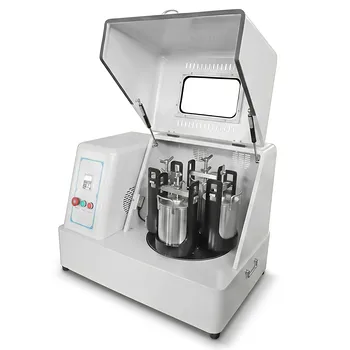
Vertical Square Planetary Ball Mill for Laboratory Sample Preparation and Nanoscale Grinding
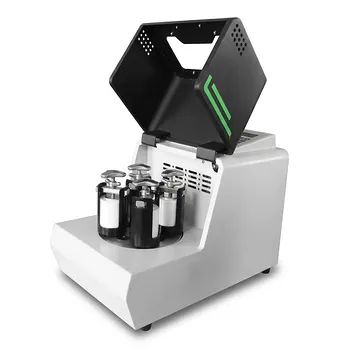
Miniature Planetary Ball Mill with Vacuum Grinding and High Efficiency for Laboratory Sample Preparation
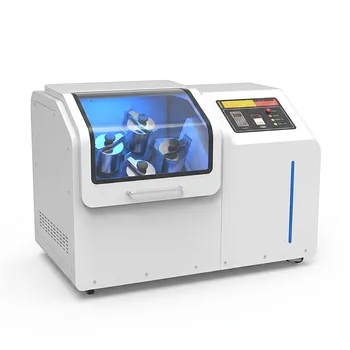
High Energy Omnidirectional Planetary Ball Mill 16L
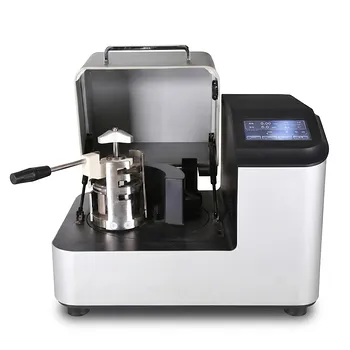
High Energy Laboratory Planetary Ball Mill for Nano Grinding and Material Science Sample Preparation
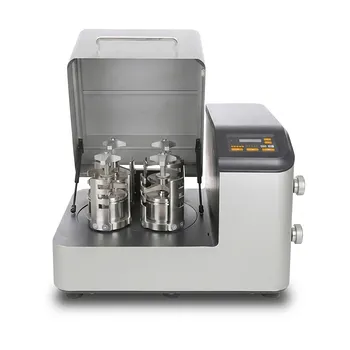
High Energy Planetary Ball Mill for Nano Scale Grinding and Colloidal Mixing in Material Science Research
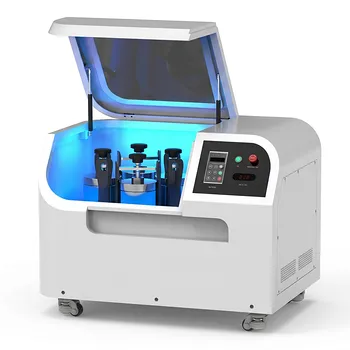
Planetary Ball Mill 12L
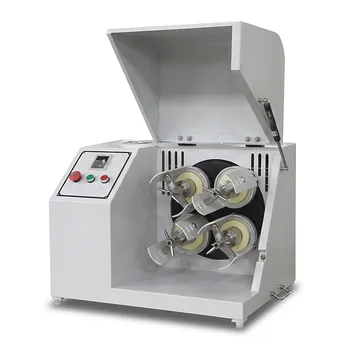
Horizontal Light Duty Planetary Ball Mill for Laboratory Sample Preparation
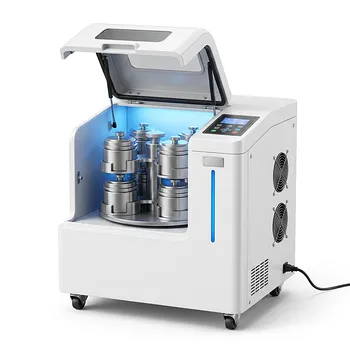
High Energy Omnidirectional Planetary Ball Mill 20L
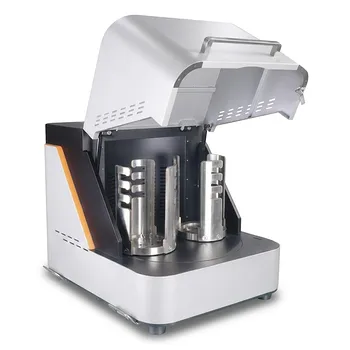
High Energy Laboratory Planetary Ball Mill for Nano Grinding and Colloidal Mixing of Hard and Brittle Materials
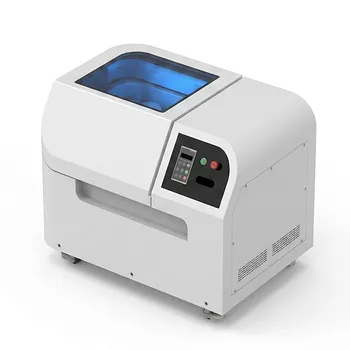
8L Planetary Ball Mill for Laboratory Grinding and Sample Preparation
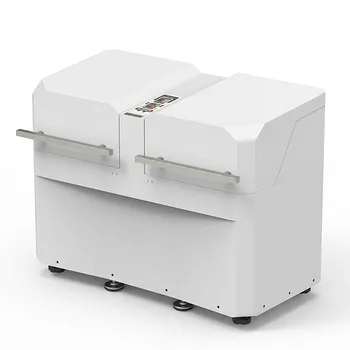
Dual Station Planetary Ball Mill 24L
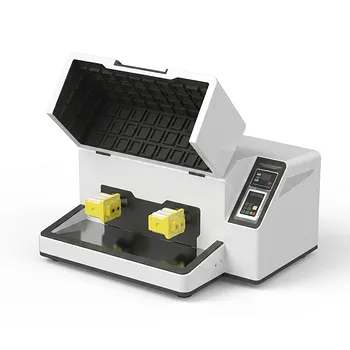
Multi-Platform Nanoscale High-Energy Vibratory Ball Mill
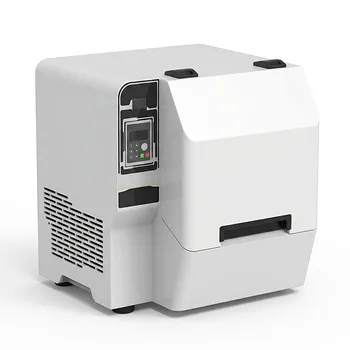
Nano High Energy Vibratory Ball Mill for Laboratory Sample Preparation
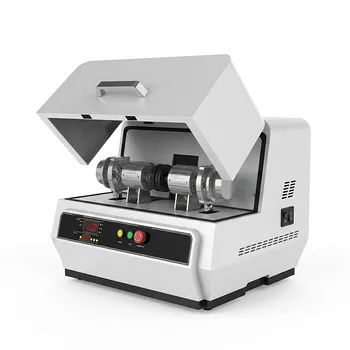
Dual Jar High Energy Vibratory Ball Mill