What are the advantages of using high-speed rotating ball mills for woody biomass? Maximize Reactivity & Efficiency
Updated 5 months ago
The primary advantage of high-speed rotating ball mills is their ability to deliver extreme energy density, which significantly reduces processing times while maximizing the chemical reactivity of woody biomass. By leveraging immense centrifugal forces and high-frequency impacts, these mills achieve a degree of structural disruption—specifically lignin breakdown and cellulose amorphization—that standard mills cannot match in comparable timeframes.
High-speed rotating ball mills outperform standard equipment by utilizing high-energy mechanochemical effects to rapidly transform resilient lignocellulosic structures into highly reactive, ultrafine powders. This efficiency is driven by a superior energy transfer mechanism that prioritizes both physical refinement and molecular-level structural changes.
Accelerated Structural Breakdown of Lignocellulosic Fiber
Rapid Degradation of the Lignin Coating
Woody biomass is naturally resistant to processing due to its protective lignin coating. High-speed rotating ball mills generate extreme rotational speeds that produce the force necessary to quickly fracture this resilient layer. Breaking this barrier is the first essential step in making the underlying fibers accessible for further modification.
Transformation of Cellulose to an Amorphous State
Standard milling often struggles to disrupt the highly ordered crystalline structure of cellulose. High-speed mills provide intense mechanochemical effects that promote the transformation of cellulose into an amorphous state. This loss of crystallinity is vital for increasing the material's solubility and susceptibility to enzymatic or chemical attack.
Enhanced Production Efficiency and Chemical Reactivity
Shorter Processing Cycles
Because high-speed mills utilize high-frequency impacts, they achieve desired particle sizes and structural changes much faster than standard planetary or tumbling mills. This efficient energy transfer enables the production of biomass powder within a significantly compressed cycle. This reduction in time directly translates to higher overall production efficiency and lower labor costs per unit of material.
Increased Specific Surface Area and Active Sites
The pulverization process in high-speed mills significantly increases the specific surface area of the biomass fibers. This expansion creates a vast number of active sites for the penetration of chemical reagents. Consequently, the extraction efficiency of components like lignin is greatly enhanced, as chemical solvents can reach the internal structures of the fiber more effectively.
Understanding the Trade-offs
Heat Generation and Thermal Management
The extreme energy levels required for high-speed rotation generate significant frictional heat. If not carefully managed, this can lead to the unintended thermal degradation of sensitive biomass components or the melting of certain resins. Users must often implement cooling systems or use interval milling to maintain material integrity.
Equipment Wear and Maintenance
Higher rotational speeds inevitably lead to increased wear on the grinding media and the mill lining. To minimize contamination and maintain performance, high-quality materials such as silicon nitride or hardened steel are often required. This can result in higher initial capital expenditures and more frequent maintenance schedules compared to standard, lower-velocity mills.
How to Apply This to Your Project
Recommendations Based on Your Objectives
Choosing between a high-speed mill and a standard mill depends on your specific throughput needs and the intended final use of the biomass.
- If your primary focus is maximizing chemical extraction or dissolution: Use a high-speed rotating ball mill to maximize the specific surface area and create the highest number of active sites for reagent penetration.
- If your primary focus is high-volume, low-cost structural refinement: Consider a standard planetary mill if extreme reactivity is not required, as this may reduce maintenance costs and energy consumption.
- If your primary focus is creating biocomposites with high reinforcement activity: Utilize high-speed milling to ensure the biomass is reduced to an ultrafine powder, providing a more uniform and reactive phase for the composite matrix.
By selecting the appropriate milling energy density, you can precisely control the microstructure and reactivity of woody biomass to meet the technical demands of your application.
Summary Table:
| Feature | High-Speed Rotating Ball Mill | Standard Ball Mill |
|---|---|---|
| Energy Density | Extreme (High centrifugal force) | Moderate to Low |
| Processing Speed | Rapid; significantly shorter cycles | Standard; longer processing times |
| Structural Impact | Efficient lignin breakdown & amorphization | Limited disruption of crystalline structure |
| Material State | Ultrafine, highly reactive powder | Coarser, less reactive particles |
| Chemical Reactivity | High (Maximum active sites) | Lower (Limited surface area) |
| Maintenance Needs | Higher (Requires cooling & wear-resistant parts) | Lower (Standard maintenance) |
Optimize Your Biomass Research with Precision Sample Prep
Unlock the full potential of your materials with our complete laboratory sample preparation solutions. We specialize in advanced powder processing and compaction equipment designed for the rigorous demands of material science.
Whether you are refining woody biomass or developing advanced ceramics, our extensive line includes:
- Advanced Milling: High-energy planetary ball mills, jet mills, and cryogenic grinders for ultrafine particle sizes.
- Crushing & Sieving: Jaw/roll crushers and vibratory/air-jet sieve shakers for precise size control.
- High-Pressure Solutions: Cold/Warm Isostatic Presses (CIP/WIP), vacuum hot presses, and standard lab hydraulic presses for superior material density.
- Mixing Technology: Powder and defoaming mixers for uniform material distribution.
Ready to enhance your lab's efficiency and achieve superior chemical reactivity? Contact our technical experts today to find the ideal equipment configuration for your specific research goals!
References
- Arata Ito, Yukio ENDA. A Study on Milling Pretreatment for Ethyl Alcohol Production from Cellulosic Woody Biomass. DOI: 10.2473/journalofmmij.123.413
Mentioned Products
- Industrial Rotor Beater Mill for High Speed Impact and Shear Grinding in Laboratory Sample Preparation
- High Energy Omnidirectional Planetary Ball Mill 16L
- High Energy Omnidirectional Planetary Ball Mill 20L
- Planetary Ball Mill 12L
- Multi-Platform Nanoscale High-Energy Vibratory Ball Mill
People Also Ask
- How does a high-speed rotor mill contribute to the preparation of hard biomass seeds for thermal processing? Optimize Yield
- What is the function of a rotary mill for Inconel 625 & carbide composites? Achieve Perfect Powder Homogeneity
- What is the purpose of employing impact mills and precision sieves during the pulverization of solid dispersions? Enhance Drug Bioavailability
- Why is it necessary to use a rotary mill for nanocellulose grinding before FTIR or XRD? Achieve peak analytical precision.
- What function does an industrial-grade impact hammer mill serve in turning mango kernels into powder? High-Efficiency Micronization

Tech Team · PowderPreparation
Last updated on May 14, 2026
Related Products
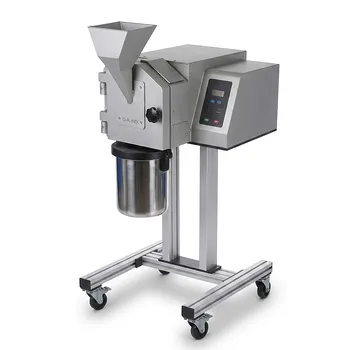
Industrial Rotor Beater Mill for High Speed Impact and Shear Grinding in Laboratory Sample Preparation

High Energy Omnidirectional Planetary Ball Mill 16L
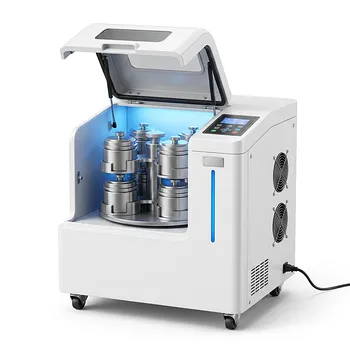
High Energy Omnidirectional Planetary Ball Mill 20L
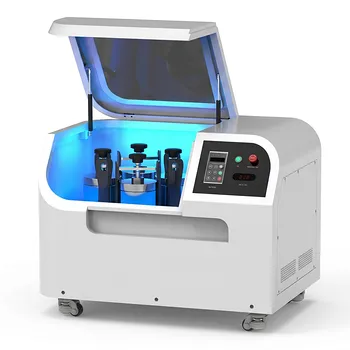
Planetary Ball Mill 12L
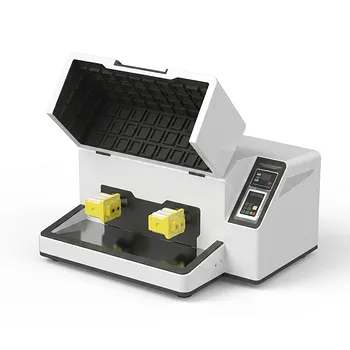
Multi-Platform Nanoscale High-Energy Vibratory Ball Mill
Single Tank High Energy Vibratory Ball Mill for Laboratory Grinding and Mixing
360° Rotating Omnidirectional Laboratory Planetary Ball Mill for Homogeneous Ultra-Fine Grinding and Mixing

Vertical Production Planetary Ball Mill for High Throughput Powder Processing

Nano High Energy Vibratory Ball Mill with Heating and Temperature Control
Dual Jar High Energy Vibratory Ball Mill
High Energy Hybrid Vibratory Ball Mill for Grinding Mixing and Cell Disruption

Nano High Energy Vibratory Ball Mill for Laboratory Sample Preparation

High Energy Planetary Ball Mill for Nano Scale Grinding and Mechanical Alloying
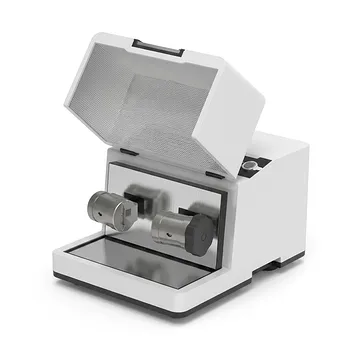
Heating Temperature Controlled High Energy Vibratory Ball Mill
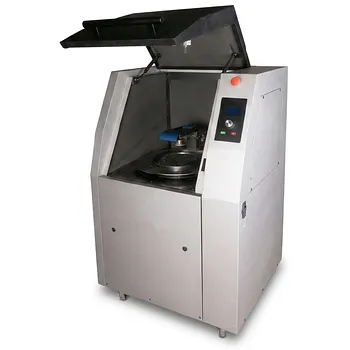
High Speed Vibratory Disc Mill for Spectral Analysis Sample Preparation and Rapid Powder Grinding
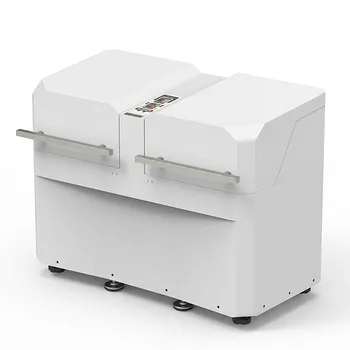
Dual Station Planetary Ball Mill 24L
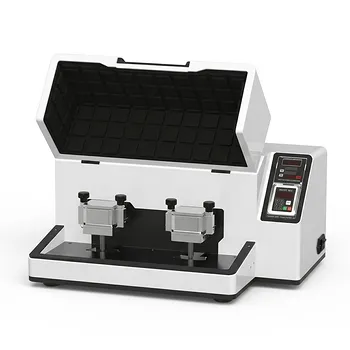
Nanoscale High Energy Vibratory Ball Mill Low Temperature
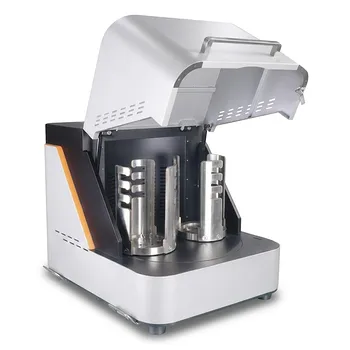
High Energy Laboratory Planetary Ball Mill for Nano Grinding and Colloidal Mixing of Hard and Brittle Materials
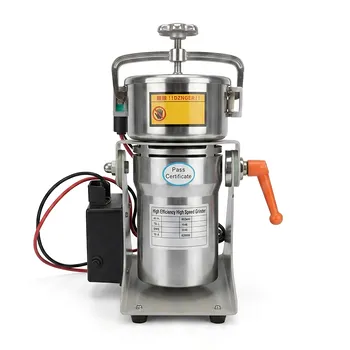
High Efficiency High Speed Grinder Laboratory Mill 1300W 25000rpm
