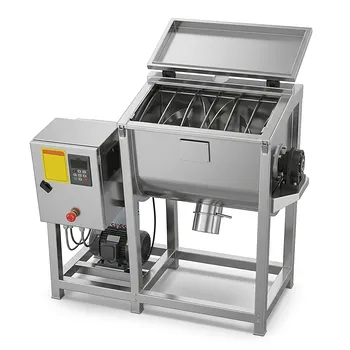
What is the function of a high-shear mixer in the preparation of CuCl2-doped graphene powder? Achieve Uniform Doping
Updated 4 months ago
The primary role of a high-shear mixer in preparing CuCl2-doped graphene is to achieve a state of uniform liquid-phase dispersion. Through intense mechanical forces, the mixer breaks down graphene agglomerates and maximizes the surface area available for copper chloride molecules to interact with, ensuring a thorough and consistent doping reaction.
A high-shear mixer transforms raw graphene powder into a high-energy dispersion state, facilitating the molecular-level interaction required for effective CuCl2 doping. By overcoming the natural tendency of nanomaterials to clump, it ensures the final powder maintains a uniform chemical profile.
The Mechanics of High-Energy Dispersion
Generating Intense Mechanical Forces
The mixer utilizes high-speed rotation to generate a combination of intense shear forces, centrifugal squeeze, and liquid layer friction. These forces are necessary to move the graphene powder through the ethanol solution at velocities that overcome internal resistance.
Overcoming Nanomaterial Agglomeration
Graphene naturally tends to form clusters or agglomerates due to inter-molecular forces. The high-shear environment breaks these clusters down, ensuring that individual graphene sheets are separated and suspended within the medium.
Creating a Uniform Pre-suspension
Similar to pharmaceutical and industrial applications, this process creates a uniform pre-suspension with high fluidity. This uniformity is a prerequisite for any subsequent processing, as it prevents component segregation and ensures the dopant is not concentrated in just one area of the batch.
Facilitating the Doping Reaction
Maximizing Surface Area Contact
By achieving a high-energy dispersion state, the mixer significantly increases the contact frequency between the graphene surface and the copper chloride (CuCl2) molecules. This allows the doping agents to reach the maximum possible number of carbon lattice sites.
Ensuring Chemical Homogeneity
A thorough liquid-phase doping reaction depends on the dopant being evenly distributed throughout the solvent. The mixer provides a circulating flow field that maintains this homogeneity, preventing the CuCl2 from settling or reacting unevenly with the graphene.
Improving Reaction Kinetics
The mechanical agitation does more than just move particles; it provides the kinetic energy necessary for the liquid-phase reaction to occur efficiently. This results in a more complete chemical integration of the copper chloride into the graphene structure.
Understanding the Trade-offs
Risk of Structural Damage
While high shear is necessary for dispersion, excessive mechanical energy can cause fragmentation of the graphene sheets. Reducing the lateral size of the graphene can negatively impact the electrical conductivity of the final doped powder.
Thermal Management Challenges
The intense friction and shear forces generated during high-speed rotation lead to significant heat buildup in the ethanol solution. If not carefully monitored, this temperature rise can cause solvent evaporation or alter the chemistry of the CuCl2 doping reaction.
Scalability and Energy Consumption
High-shear mixing is energy-intensive compared to standard stirring methods. Achieving the same level of dispersion at an industrial scale requires precise equipment calibration to balance energy costs with material throughput.
Optimizing the Doping Process
To achieve the best results when preparing CuCl2-doped graphene, the mixing parameters must be aligned with your specific performance requirements.
- If your primary focus is Maximum Conductivity: Prioritize moderate shear speeds and shorter durations to maintain the large lateral size of the graphene flakes while ensuring basic dispersion.
- If your primary focus is Chemical Uniformity: Use higher shear speeds and longer mixing cycles to ensure the CuCl2 molecules are distributed perfectly across all available graphene surfaces.
- If your primary focus is Scalability: Implement a cooling system to manage the heat generated by the high-shear process, allowing for longer run times without compromising the ethanol solvent.
By mastering the balance between mechanical force and material integrity, you can produce a doped graphene powder that is both chemically consistent and structurally sound.
Summary Table:
| Key Function | Impact on Graphene | Main Benefit |
|---|---|---|
| High-Energy Dispersion | Breaks down nanomaterial clusters | Achieve molecular-level doping |
| Surface Area Maximization | Increases contact with CuCl2 | Improves reaction kinetics |
| Liquid-Phase Circulation | Ensures chemical homogeneity | Prevents dopant segregation |
| Kinetic Energy Input | Overcomes inter-molecular forces | Creates stable pre-suspensions |
Elevate Your Material Research with Professional Sample Prep Solutions
Producing high-quality CuCl2-doped graphene requires more than just high-shear mixing; it demands a precise, integrated approach to powder processing. At our core, we provide complete laboratory sample preparation solutions for material science, specializing in advanced powder processing and compaction equipment.
Whether you are refining dispersion or preparing for structural testing, our extensive product lines are designed to meet the most rigorous standards:
- Milling & Grinding: Planetary ball mills, jet mills, and liquid nitrogen cryogenic grinders for ultimate particle size control.
- Mixing & Sieving: Powder mixers, defoaming mixers, and precision sieve shakers (vibratory/air-jet) to ensure material purity.
- Compaction & Pressing: A full spectrum of hydraulic presses, including Cold/Warm Isostatic Presses (CIP/WIP), vacuum hot presses, and XRF pellet presses.
Ready to optimize your lab’s efficiency and material performance? Contact us today to discuss how our specialized equipment can enhance your research and production workflows.
References
- Lixin Liu, Zhigang Shen. CuCl2-doped graphene-based screen printing conductive inks. DOI: 10.1007/s40843-021-1980-7
Mentioned Products
- High Shear Laboratory Emulsifier for Mixing and Homogenization
- 非介入式材料均质机真空脱泡行星搅拌高粘度混合设备
- High-Speed Simple Disperser for Efficient Mixing, Dispersion, and Emulsification
- Industrial Planetary Centrifugal Vacuum Defoaming Mixer for High Viscosity Paste and Powder Homogenization
- Industrial Rotor Beater Mill for High Speed Impact and Shear Grinding in Laboratory Sample Preparation
People Also Ask
- Why is a high-shear laboratory mixer necessary for TiO2 cement paste? Achieve Perfect Nanoparticle Dispersion
- What are the equipment requirements for dispersing chemical pigments in ceramic glazes? Achieve Flawless Color Precision
- What role does high-shear mixing equipment play in the preparation of silicone inks? Optimize Dispersion and Rheology
- What is the function of additives like cellulose or wax in lab mixers? Enhance Pellet Integrity and Strength
- Why is a high-shear powder mixer utilized in the preparation of binary-mixed diatomaceous earth? Ensure Homogeneity

Tech Team · PowderPreparation
Last updated on Jun 03, 2026
Related Products
High Shear Laboratory Emulsifier for Mixing and Homogenization
非介入式材料均质机真空脱泡行星搅拌高粘度混合设备
High-Speed Simple Disperser for Efficient Mixing, Dispersion, and Emulsification
Industrial Planetary Centrifugal Vacuum Defoaming Mixer for High Viscosity Paste and Powder Homogenization
Industrial Rotor Beater Mill for High Speed Impact and Shear Grinding in Laboratory Sample Preparation
Industrial Planetary Centrifugal Vacuum Defoaming Mixer for High Viscosity Paste and Advanced Material Science
High Efficiency Vacuum Planetary Centrifugal Mixer and Defoaming Machine for Industrial Material Research and Precise Laboratory Powder Dispersion
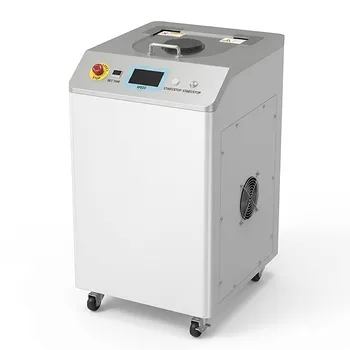
High Viscosity Planetary Centrifugal Vacuum Mixer for Material Defoaming and Uniform Mixing
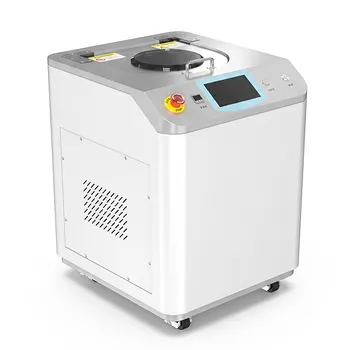
High Speed Vacuum Planetary Centrifugal Mixer and Defoamer for Industrial Paste Processing
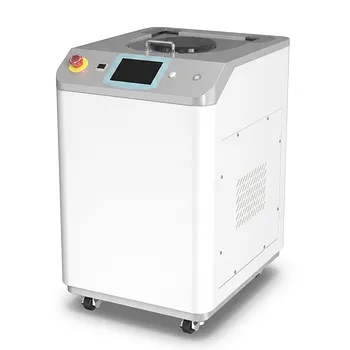
High Viscosity Planetary Centrifugal Mixing and Vacuum Defoaming Machine for Laboratory Material Preparation
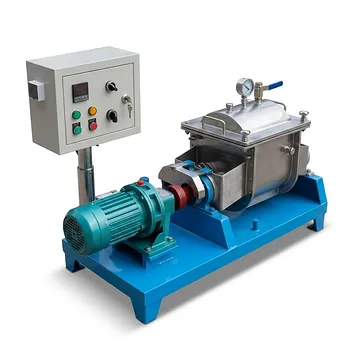
Industrial Vacuum Kneader for High-Viscosity Silicone, Rubber, and Compound Mixing
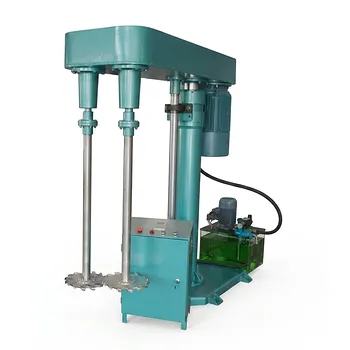
Hydraulic Double Shaft Disperser for High Viscosity Liquid Mixing and Dispersion
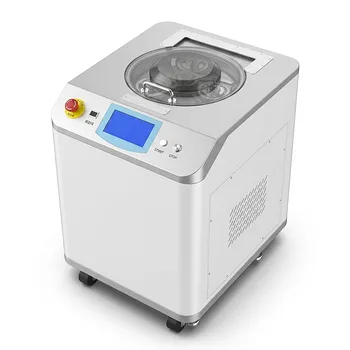
Dual Cup Vacuum Centrifugal Mixer Planetary Paste Defoaming Machine Industrial Material Processor
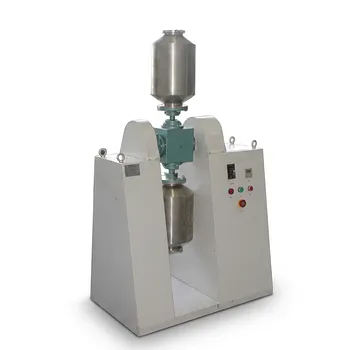
Multi Dimensional Universal Mixer for High Uniformity Powder Blending
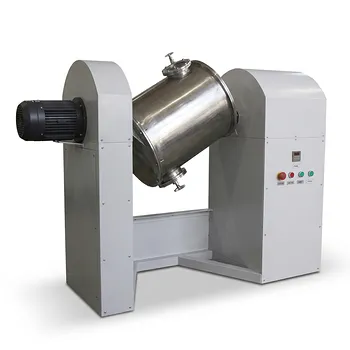
Inclined Mixer for Homogeneous Powder Blending and Grinding
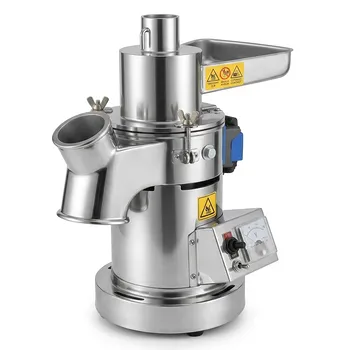
Continuous Feeding Grinder High Efficiency Pulverizer for Lab Sample Preparation
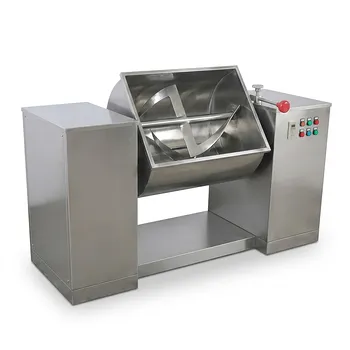
Horizontal Trough Mixer for Uniform Powder and Paste Blending
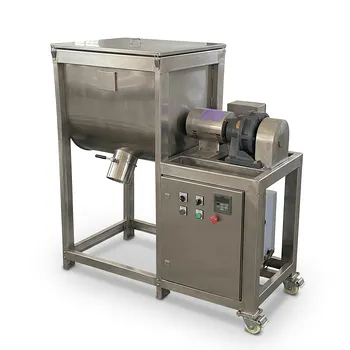
Horizontal Ribbon Mixer for Dry Powder and Slurry Blending
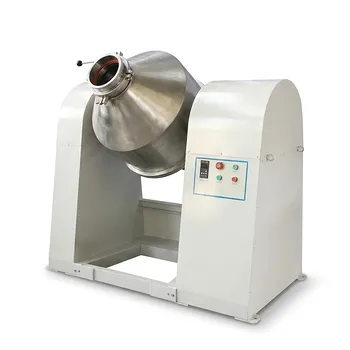
Industrial Double Cone Mixer for Powder Blending and Homogeneous Mixing