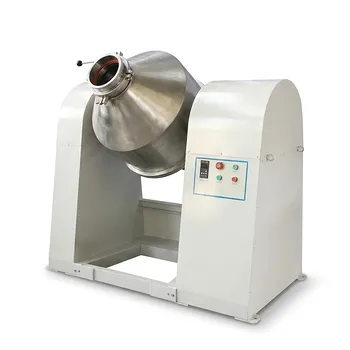
What role does high-shear mixing equipment play in the preparation of silicone inks? Optimize Dispersion and Rheology
Updated 4 months ago
High-shear mixing equipment is the critical catalyst for achieving uniform dispersion and precise rheological control in silicone-silica ink systems. This equipment applies intense mechanical forces to break down nanoparticle agglomerates and integrate them into the silicone matrix. This process transforms a viscous mixture into a printable, shear-thinning ink that flows under pressure and sets immediately upon extrusion.
High-shear mixing is essential for overcoming the natural tendency of silica nanoparticles to cluster, ensuring the ink possesses the necessary shear-thinning properties for high-resolution extrusion printing and structural stability.
Overcoming Nanoparticle Agglomeration
Breaking Van der Waals Forces
Silica nanoparticles have a massive specific surface area and a high tendency to clump together due to Van der Waals forces. High-shear mixers use specific blade designs and high rotational speeds to generate the mechanical energy required to physically pull these clusters apart.
Achieving Molecular-Level Integration
By applying powerful mechanical forces, the equipment ensures that high proportions of silica are fully blended with the silicone matrix at a molecular level. This uniform distribution is vital for creating a stable pre-suspension where every part of the ink has consistent chemical and physical properties.
Preventing Particle Sedimentation
In complex slurries, continuous mechanical agitation keeps particles in suspension. This prevents sedimentation, ensuring that the silica remains evenly distributed throughout the polymer matrix during storage and use.
Engineering Rheological Properties
Enabling Shear-Thinning Behavior
The primary role of high-shear mixing in silicone inks is to induce shear-thinning properties. This allows the material to become less viscous when under the stress of a printing nozzle, facilitating a smooth and continuous flow.
Rapid Recovery and Shape Retention
Once the ink is extruded and the shear force is removed, the material must rapidly regain its structural strength. High-shear mixing ensures the silica network is sufficiently dispersed to provide this thixotropic recovery, allowing the printed object to maintain its shape without slumping.
Controlling Viscosity for Precision
Proper mixing allows for high-loading of silica powders into viscous resins without creating unworkable clumps. This control is essential for creating dense composite materials that exhibit isotropic properties, meaning they perform consistently in all directions.
Ensuring Structural Integrity and Quality
Eliminating Mixing Dead Zones
High-efficiency equipment is designed to ensure that 100% of the material is processed. By eliminating mixing dead zones, the equipment prevents the formation of weak spots in the final silicone product caused by unmixed or poorly dispersed particles.
Degassing and Bubble Removal
Intense mixing actions help to expel trapped air bubbles from the viscous silicone. Removing these voids is critical for preventing internal defects, cracking, or deformation during the subsequent curing or sintering processes.
Creating Interconnected Networks
In advanced applications, uniform mixing constructs robust, interconnected networks between the silica and the silicone. These networks help the material accommodate mechanical stress and volume changes, maintaining the structural integrity of the final part.
Understanding the Trade-offs
Heat Generation and Thermal Degradation
The intense mechanical energy used in high-shear mixing naturally generates significant heat. If not managed through cooling systems, this temperature rise can lead to the premature curing or thermal degradation of sensitive silicone precursors.
Over-Shearing and Chain Scission
Excessive mixing can potentially lead to chain scission, where the polymer chains of the silicone are mechanically broken. This can result in a loss of mechanical strength and unpredictable changes in the ink’s final viscosity.
Equipment Wear and Contamination
The abrasive nature of silica nanoparticles can cause wear on the mixing blades and chambers over time. This wear not only necessitates frequent maintenance but can also introduce metallic contaminants into the high-purity silicone ink.
How to Apply This to Your Project
Making the Right Choice for Your Goal
To optimize your silicone ink preparation, consider the specific requirements of your final application:
- If your primary focus is high-resolution printing: Use high-shear equipment specifically to maximize shear-thinning behavior and ensure the ink flows smoothly through fine nozzles.
- If your primary focus is structural durability: Prioritize a mixing duration that fully eliminates agglomerates to create an isotropic, defect-free internal network.
- If your primary focus is material purity: Select mixers with hardened, wear-resistant coatings or ceramic components to prevent contamination from the abrasive silica nanoparticles.
Mastering the balance of shear force and mixing time is the definitive factor in transforming raw silicone and silica into a high-performance functional ink.
Summary Table:
| Process Function | Impact on Silicone Ink | Benefit for Final Product |
|---|---|---|
| Agglomerate Breakdown | Overcomes Van der Waals forces | Uniform, molecular-level integration |
| Rheological Control | Induces shear-thinning behavior | Smooth extrusion with rapid recovery |
| Homogenization | Eliminates mixing dead zones | Isotropic properties and structural integrity |
| Degassing | Removes trapped air/voids | Prevents internal defects and cracking |
| Suspension Stability | Prevents particle sedimentation | Long-term storage and consistent printing |
Elevate Your Material Research with Precision Sample Preparation
Achieving the perfect silicone-silica ink requires more than just mixing; it requires controlled, high-performance equipment designed for material science. At [Company Name], we provide complete laboratory sample preparation solutions specializing in powder processing and compaction.
Our extensive line supports your entire workflow:
- Mixing & Dispersion: Advanced powder mixers, defoaming mixers, and planetary ball/jet mills for uniform nanoparticle integration.
- Size Reduction: High-durability jaw/roll crushers and liquid nitrogen cryogenic grinders.
- Material Compaction: A full spectrum of hydraulic presses, including Cold/Warm Isostatic Presses (CIP/WIP), vacuum hot presses, and XRF pellet presses.
Whether you are refining high-resolution 3D printing inks or developing dense composites, our expertise in powder processing ensures your materials achieve peak performance.
Ready to optimize your lab's efficiency? Contact us today to find the perfect equipment solution!
References
- Stefano Menasce, André R. Studart. 3D Printing of Strong and Room-Temperature Reprocessable Silicone Vitrimers. DOI: 10.1021/acsami.4c16860
Mentioned Products
- High Shear Laboratory Emulsifier for Mixing and Homogenization
- 非介入式材料均质机真空脱泡行星搅拌高粘度混合设备
- High-Speed Simple Disperser for Efficient Mixing, Dispersion, and Emulsification
- High Viscosity Planetary Centrifugal Vacuum Mixer for Material Defoaming and Uniform Mixing
- Industrial Planetary Centrifugal Vacuum Defoaming Mixer for High Viscosity Paste and Powder Homogenization
People Also Ask
- Why is a high-shear laboratory mixer necessary for TiO2 cement paste? Achieve Perfect Nanoparticle Dispersion
- What are the equipment requirements for dispersing chemical pigments in ceramic glazes? Achieve Flawless Color Precision
- What is the function of a high-shear mixer in the preparation of CuCl2-doped graphene powder? Achieve Uniform Doping
- What is the function of additives like cellulose or wax in lab mixers? Enhance Pellet Integrity and Strength
- Why is a high-shear powder mixer utilized in the preparation of binary-mixed diatomaceous earth? Ensure Homogeneity

Tech Team · PowderPreparation
Last updated on Jun 03, 2026
Related Products
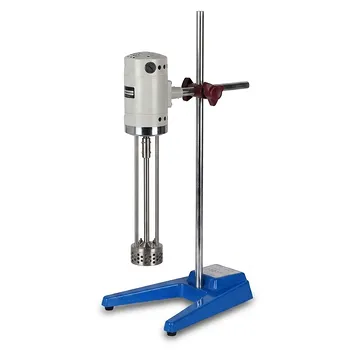
High Shear Laboratory Emulsifier for Mixing and Homogenization
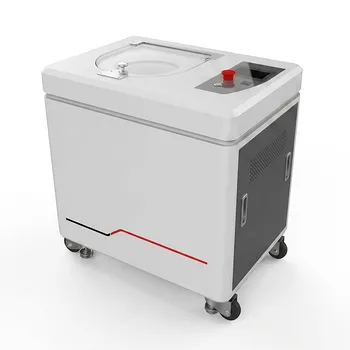
非介入式材料均质机真空脱泡行星搅拌高粘度混合设备
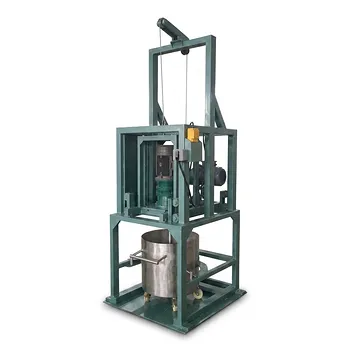
High-Speed Simple Disperser for Efficient Mixing, Dispersion, and Emulsification
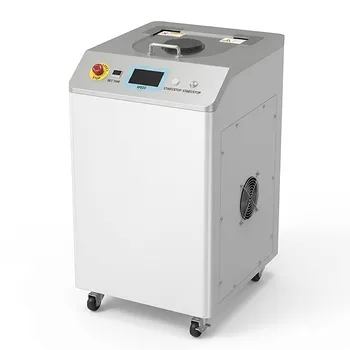
High Viscosity Planetary Centrifugal Vacuum Mixer for Material Defoaming and Uniform Mixing
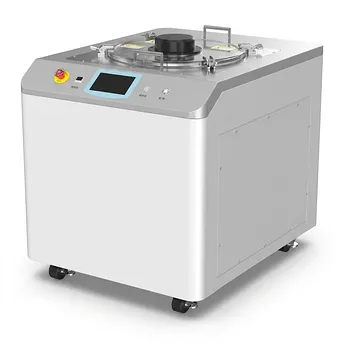
Industrial Planetary Centrifugal Vacuum Defoaming Mixer for High Viscosity Paste and Powder Homogenization
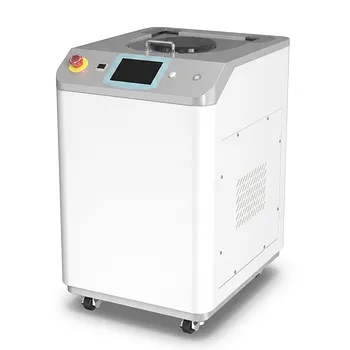
High Viscosity Planetary Centrifugal Mixing and Vacuum Defoaming Machine for Laboratory Material Preparation
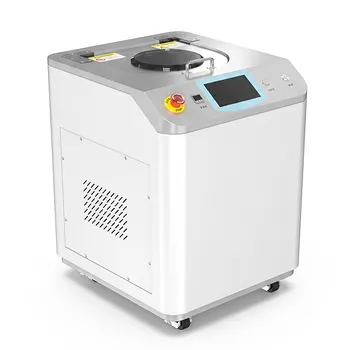
High Speed Vacuum Planetary Centrifugal Mixer and Defoamer for Industrial Paste Processing
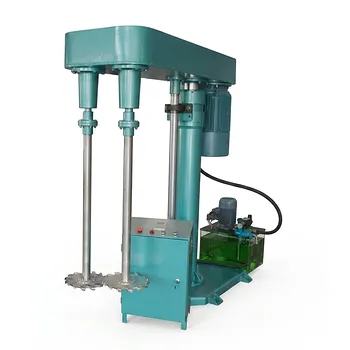
Hydraulic Double Shaft Disperser for High Viscosity Liquid Mixing and Dispersion
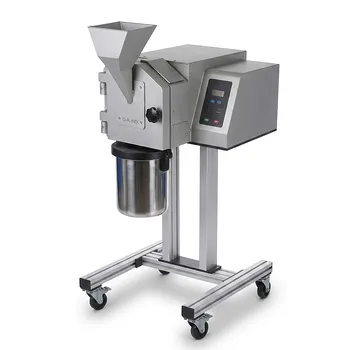
Industrial Rotor Beater Mill for High Speed Impact and Shear Grinding in Laboratory Sample Preparation
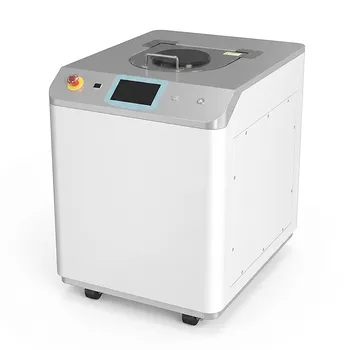
Industrial Planetary Centrifugal Vacuum Defoaming Mixer for High Viscosity Paste and Advanced Material Science
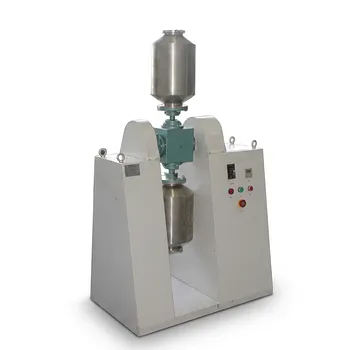
Multi Dimensional Universal Mixer for High Uniformity Powder Blending
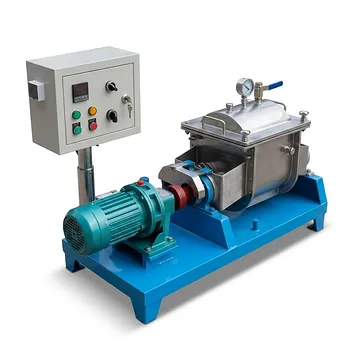
Industrial Vacuum Kneader for High-Viscosity Silicone, Rubber, and Compound Mixing
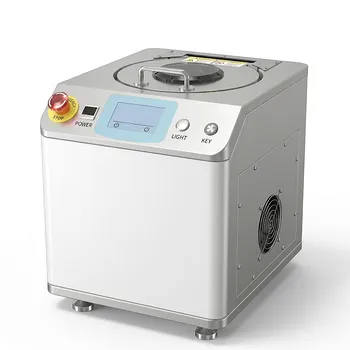
High Efficiency Vacuum Planetary Centrifugal Mixer and Defoaming Machine for Industrial Material Research and Precise Laboratory Powder Dispersion
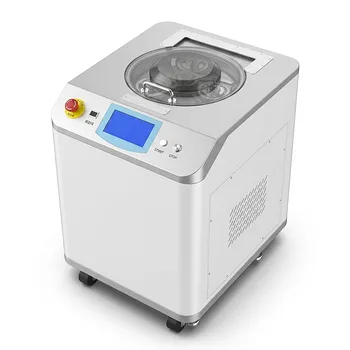
Dual Cup Vacuum Centrifugal Mixer Planetary Paste Defoaming Machine Industrial Material Processor
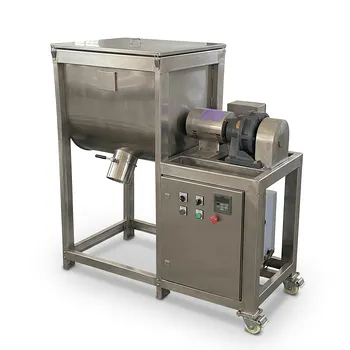
Horizontal Ribbon Mixer for Dry Powder and Slurry Blending
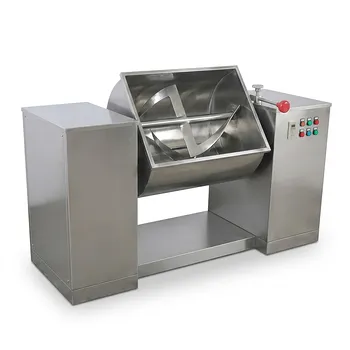
Horizontal Trough Mixer for Uniform Powder and Paste Blending
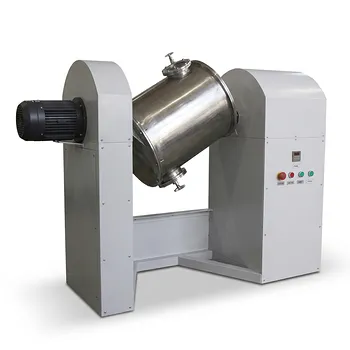
Inclined Mixer for Homogeneous Powder Blending and Grinding
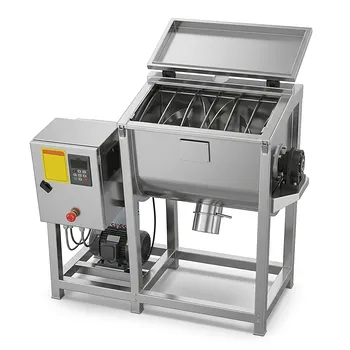
Horizontal Ribbon Mixer for Uniform Powder and Slurry Mixing
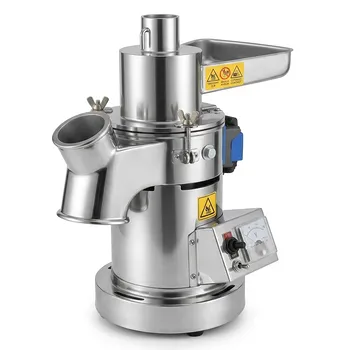
Continuous Feeding Grinder High Efficiency Pulverizer for Lab Sample Preparation