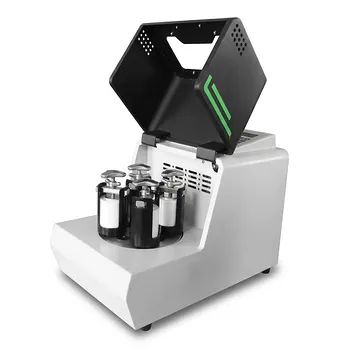
Why is a Ring Mill used to process tailings prior to XRD analysis? Eliminate Preferred Orientation for Precise Data
Updated 4 months ago
The accuracy of X-ray Diffraction (XRD) analysis is entirely dependent on the physical state of the sample. A Ring Mill is used to rapidly pulverize tailings into an ultra-fine, uniform powder. This process is critical because it eliminates the preferred orientation effect—a phenomenon where mineral particles align in a specific direction—ensuring the XRD equipment captures a statistically accurate and representative diffraction pattern of all mineral phases.
Core Takeaway: A Ring Mill transforms heterogeneous tailings into a homogenous, ultra-fine powder to ensure that mineral crystals are randomly oriented. This step is essential for obtaining stable diffraction peak intensities and reliable quantitative mineralogical data.
Solving the Problem of Preferred Orientation
How Crystal Alignment Distorts Data
In their natural state, tailings often contain irregular mineral aggregates or plate-like minerals that tend to stack or align. If these particles are not ground down, they create a preferred orientation, which causes some diffraction peaks to appear artificially strong while others disappear.
Achieving Random Grain Distribution
The high-frequency impact of a ring mill reduces particles to a size where they can be packed into a sample holder with random orientation. This ensures that the X-ray beam hits crystals at every possible angle, which is a fundamental requirement for accurate mineral characterization.
Improving Peak Resolution
Ultra-fine grinding treatment increases the number of individual grains participating in the diffraction process. This results in sharper diffraction peaks and a higher signal-to-noise ratio, allowing for the precise identification of complex silicate and carbonate minerals.
Ensuring Sample Representativeness
Homogenizing Heterogeneous Tailings
Tailings are often a complex mix of primary rock fragments and secondary minerals. A ring mill acts as a high-efficiency homogenizer, ensuring that the tiny fraction of material used in the XRD scan is truly representative of the bulk waste material.
Preparing for Quantitative Analysis
For advanced methods like Rietveld refinement, the sample must be refined to a specific micron-level particle size (often below 10 micrometers). The ring mill provides the necessary energy to reach these limits quickly, making the resulting mineral content data much more reliable.
Speed and Laboratory Throughput
Compared to manual grinding, a ring mill utilizes high-speed impact forces to break down hard geopolymer fragments in seconds. This efficiency is vital for industrial labs that must process high volumes of tailings samples daily.
Understanding the Trade-offs
Risk of Crystalline Lattice Damage
The high-energy nature of a ring mill can occasionally cause mechanical damage to the crystalline structure of fragile minerals, such as certain clays. In these specific cases, a low-energy micronizing mill may be preferred to preserve the integrity of the crystal lattice.
Material Contamination
Grinding media, such as chrome steel or tungsten carbide, can introduce trace amounts of contaminants into the sample. Tungsten carbide is often selected for its extreme hardness to minimize this cross-contamination, though it comes at a higher equipment cost.
Heat Generation
Rapid pulverization generates heat, which can potentially alter the state of hydrated minerals or volatile phases. It is essential to monitor grinding times to ensure the thermal stability of the tailings sample is not compromised during preparation.
Applying This to Your Mineralogical Workflow
Making the Right Choice for Your Goal
To achieve the best results from your XRD analysis, match your grinding strategy to your specific mineralogical objectives.
- If your primary focus is rapid phase identification of hard minerals (quartz, calcite): Use a tungsten carbide ring mill to achieve a sub-10 micron powder in the shortest possible time.
- If your primary focus is the analysis of delicate clay minerals or hydrates: Transition to a low-energy micronizing mill after an initial coarse grind to prevent destroying the crystal structure.
- If your primary focus is quantitative Rietveld refinement: Ensure the ring mill is calibrated to produce a uniform particle size distribution to minimize intensity fluctuations.
By mastering the pulverization process, you ensure that your XRD results are a precise reflection of the mineralogy rather than an artifact of sample preparation.
Summary Table:
| Feature | Impact on XRD Analysis | Why it Matters |
|---|---|---|
| Particle Size Reduction | Reduces grain size to <10μm | Ensures random grain distribution and sharper diffraction peaks. |
| Elimination of Orientation | Removes "Preferred Orientation" effect | Prevents artificial intensity spikes for reliable quantitative data. |
| Homogenization | Creates a uniform mineral mix | Ensures the small XRD sample is representative of the bulk tailings. |
| High-Speed Impact | Rapid laboratory throughput | Processes hard geopolymer fragments in seconds for high-volume labs. |
| Media Selection | Minimizes cross-contamination | Use of Tungsten Carbide ensures high purity for trace mineral detection. |
Elevate Your Material Analysis with Precision Preparation
Achieving accurate XRD results starts with superior sample preparation. At [Brand Name], we provide complete laboratory sample preparation solutions for material science, specializing in high-performance powder processing and compaction equipment.
Whether you are processing complex tailings or advanced ceramics, our extensive lines are engineered for excellence:
- Advanced Milling & Grinding: High-energy mills (planetary, jet, disc, and rotor), liquid nitrogen cryogenic grinders, and crushers (jaw/roll) to achieve perfect micron-level uniformity.
- Sieving & Mixing: Precision vibratory and air-jet sieve shakers, alongside high-efficiency powder and defoaming mixers.
- Superior Compaction: A full spectrum of hydraulic presses, including Cold/Warm Isostatic Presses (CIP/WIP), standard lab presses, and specialized XRF pellet presses for flawless sample presentation.
Don't let poor sample prep compromise your research. Contact our technical experts today to discuss how our specialized equipment can enhance your laboratory's accuracy and throughput!
References
- Jane Mulenshi, Jan Rosenkranz. Characterization and Beneficiation Options for Tungsten Recovery from Yxsjöberg Historical Ore Tailings. DOI: 10.3390/pr7120895
Mentioned Products
- Vibratory Disc Mill for Rapid Fine Grinding and High Throughput Sample Preparation of Hard and Brittle Materials
- Laboratory Disc Mill for Fine Sample Preparation of Hard and Brittle Materials
- Small Vibrating Ultrafine Grinder for Traditional Chinese Medicine
- Industrial Rotor Beater Mill for High Speed Impact and Shear Grinding in Laboratory Sample Preparation
- Horizontal Bead Mill for Nanoscale Grinding and Advanced Material Powder Processing
People Also Ask
- Why is a vibratory disc mill utilized for the pretreatment of alum shale waste samples in phase analysis? Ensure XRD Accuracy
- What is the primary function of a vibrating disc mill in the pretreatment of raw clay samples? Achieve Micron-Level Precision
- What is the primary function of a laboratory disc mill for oyster shells? Boost Reactivity & Analytical Precision
- How does the size of grinding media influence the vibratory milling efficiency? Achieve Optimal Pharmaceutical Fineness
- What is the function of a laboratory vibratory mill? Master StPh/MMT Nanocomposite Preparation via Mechanochemistry

Tech Team · PowderPreparation
Last updated on Jun 03, 2026
Related Products
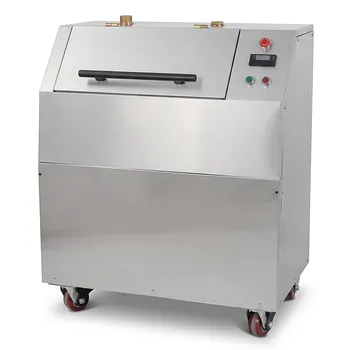
Vibratory Disc Mill for Rapid Fine Grinding and High Throughput Sample Preparation of Hard and Brittle Materials
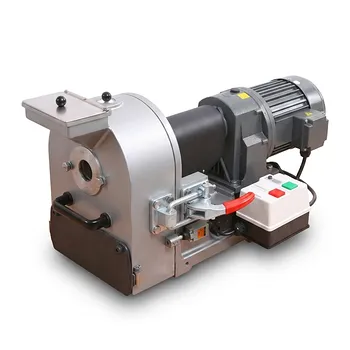
Laboratory Disc Mill for Fine Sample Preparation of Hard and Brittle Materials
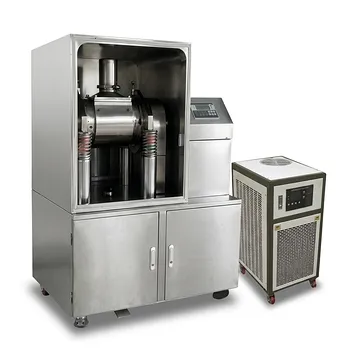
Small Vibrating Ultrafine Grinder for Traditional Chinese Medicine
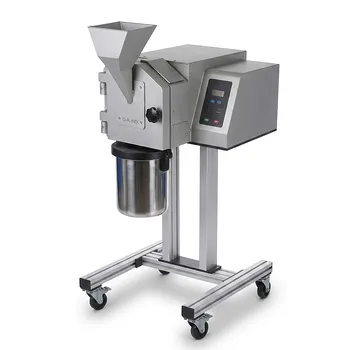
Industrial Rotor Beater Mill for High Speed Impact and Shear Grinding in Laboratory Sample Preparation
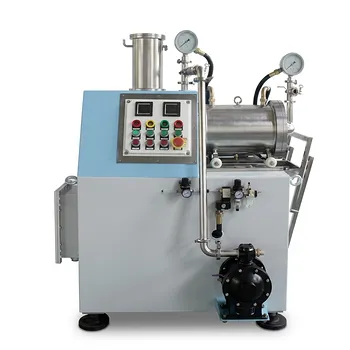
Horizontal Bead Mill for Nanoscale Grinding and Advanced Material Powder Processing
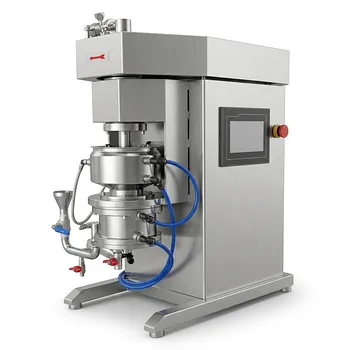
Small Ceramic Structure Laboratory Sand Mill Nanoscale Grinding Dispersion Equipment Seal-less Screen-less Design
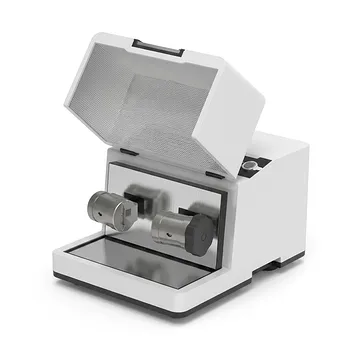
Heating Temperature Controlled High Energy Vibratory Ball Mill
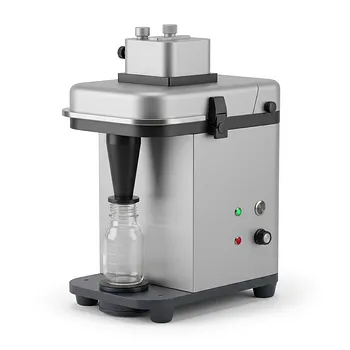
Cyclonic Laboratory Mill for NIR Spectroscopy Sample Preparation Food and Feed Grinding
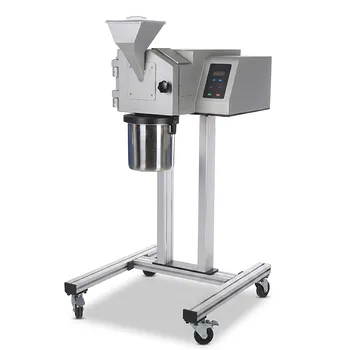
Cross Beater Mill for Brittle Material Grinding and Continuous Fine Crushing Industrial Sample Preparation
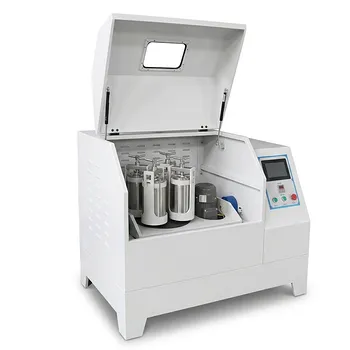
360° Rotating Omnidirectional Laboratory Planetary Ball Mill for Homogeneous Ultra-Fine Grinding and Mixing
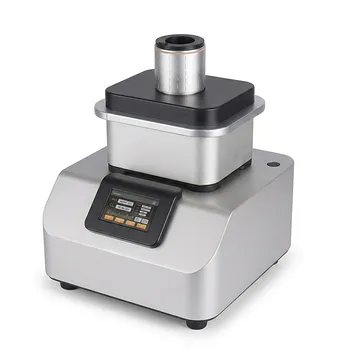
Ultra Centrifugal Mill High Speed Laboratory Grinder for Fibrous and Brittle Sample Preparation
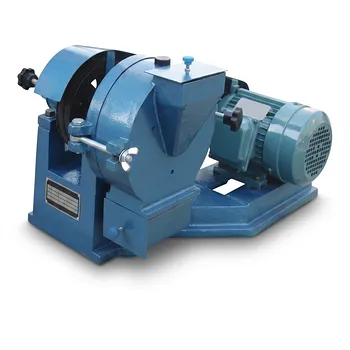
Laboratory Disc Mill for Ore and Mineral Sample Preparation
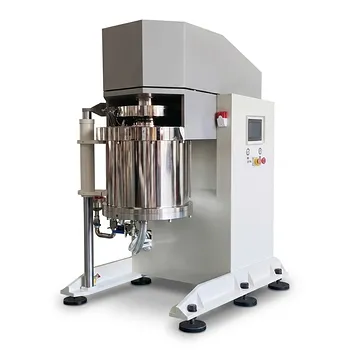
Vertical Nano Bead Mill for Ceramic Materials with Permanent Magnet Motor and High Efficiency Grinding
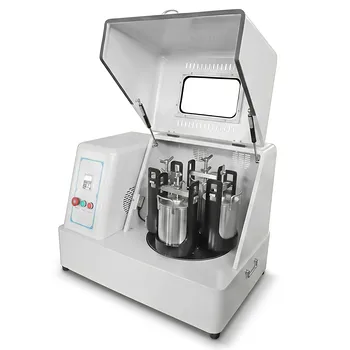
Vertical Square Planetary Ball Mill for Laboratory Sample Preparation and Nanoscale Grinding
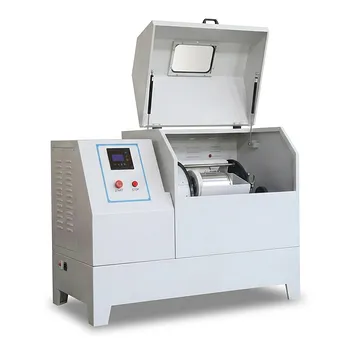
Heavy Duty Horizontal Planetary Ball Mill for Efficient Industrial Grinding and Sample Preparation
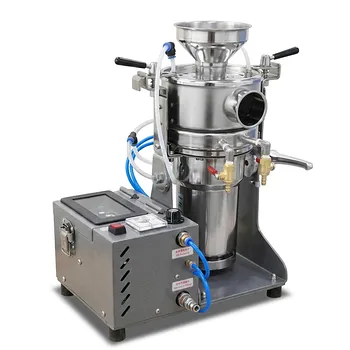
Water Cooled Pulse Jet Ultrafine Grinder

High Energy Omnidirectional Planetary Ball Mill 16L
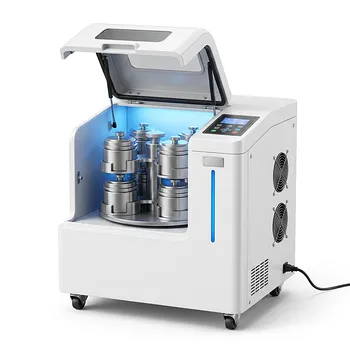
High Energy Omnidirectional Planetary Ball Mill 20L
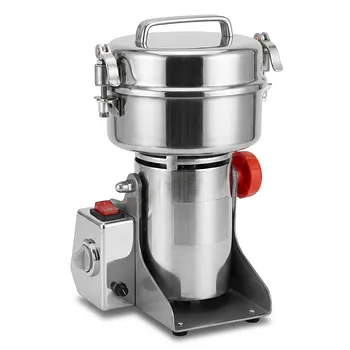
High Speed Laboratory Powder Grinder Small Batch Sample Preparation Mill