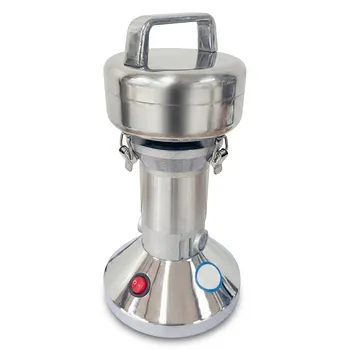
What is the function of a high-speed centrifugal mill in microplastic preparation? Achieve Precise 1-100μm Samples
Updated 4 months ago
The high-speed centrifugal mill is a precision pulverization tool designed to transform bulk polypropylene into standardized microplastic particles. It utilizes high-speed impact and shear forces—generated between a rotating rotor and a stationary sieve ring—to mechanically break down the polymer into a fine powder, typically ranging from 1 to 100 μm in size.
This milling process is essential for creating microplastic samples that retain the exact physical and chemical properties of the source material. By integrating cryogenic cooling, the mill prevents thermal degradation and ensures a uniform particle size distribution suitable for scientific research.
The Mechanics of Size Reduction
High-Speed Impact and Shear Forces
The primary function of the mill is the rapid reduction of material volume through mechanical energy. As the internal rotor spins at high velocities (often up to 18,000 rpm), it forces the polypropylene particles against a sieve ring.
The resulting collision and shearing actions grind the polymer until it is small enough to pass through the sieve's apertures. This physical method is preferred over chemical processes because it does not introduce external contaminants or solvents.
Precise Particle Size Control
The mill allows for granular control over the final output by adjusting two main variables: rotational speed and sieve aperture. Technicians can swap sieve rings (e.g., 500 µm, 250 µm, or 80 µm) to define the upper limit of the particle size.
This precision is critical for creating standardized reference materials. These materials are necessary for recovery rate experiments and for ensuring consistency across different laboratory studies.
The Role of Cryogenic Integration
Overcoming Polypropylene’s Natural Toughness
Polypropylene is a naturally ductile and tough polymer, which means it tends to deform or stretch rather than break at room temperature. To achieve micron-scale particles, the material must be treated with ultra-low temperature cryogenic technology, usually involving liquid nitrogen.
The cold temperatures reach the "glass transition" point, making the polypropylene brittle. This embrittlement allows the mill’s impact forces to effectively shatter the polymer into fine debris rather than simply flattening it.
Prevention of Thermal Degradation
Milling generates significant frictional heat, which can cause polymers to melt, clump, or undergo chemical changes. The high-speed centrifugal mill, when used with cryogenic cooling, effectively dissipates this heat during the grinding process.
By maintaining a low temperature, the mill ensures the chemical integrity of the sample. This ensures that the microplastics used in experiments accurately represent the "real world" polypropylene particles they are meant to simulate.
Understanding the Trade-offs and Limitations
Material Throughput vs. Heat Generation
While increasing the RPM of the mill results in finer particles, it also increases the rate of heat generation. Even with cryogenic cooling, there is a physical limit to how fast a material can be processed before surface melting occurs, which can lead to clogged sieves.
Risk of Mechanical Wear and Contamination
The intense shear forces required to pulverize tough polymers like polypropylene can lead to the gradual wear of the rotor and sieve ring. Over time, trace amounts of metal from the milling equipment may contaminate the microplastic samples, which can interfere with sensitive chemical analyses.
How to Apply This to Your Research
Making the Right Choice for Your Goal
- If your primary focus is high-fidelity material simulation: Use cryogenic pre-cooling to ensure the microplastic particles maintain the exact molecular weight and crystallinity of the original polypropylene.
- If your primary focus is specific size-class testing: Utilize a multi-stage dry grinding approach, starting with larger sieves and progressively moving to smaller apertures to reach the 1-100 μm range.
- If your primary focus is preventing particle clumping: Ensure a continuous flow of liquid nitrogen during the milling process to keep the material well below its softening point.
By mastering the mechanical and thermal variables of the high-speed centrifugal mill, researchers can produce the high-quality, standardized microplastic particles necessary for rigorous environmental and material science.
Summary Table:
| Feature | High-Speed Centrifugal Mill Function |
|---|---|
| Mechanism | Mechanical impact and shear forces (up to 18,000 rpm) |
| Particle Size | Precise control from 1 μm to 100 μm via interchangeable sieves |
| Cryogenic Role | Liquid nitrogen cooling for material embrittlement and heat dissipation |
| Material Integrity | Prevents thermal degradation and maintains chemical properties |
| Key Output | Standardized reference materials for microplastic research |
Optimize Your Material Research with Precision Sample Preparation
Producing standardized polypropylene microplastics requires high-performance equipment that ensures material integrity. [Your Brand Name] provides complete laboratory sample preparation solutions for material science, specializing in advanced powder processing and compaction technology.
Whether you need rotor mills, planetary ball mills, or cryogenic grinders for fine pulverization, or sieve shakers (vibratory/air-jet) for precise classification, our equipment is designed to meet the most rigorous scientific standards. We also offer a full spectrum of hydraulic presses, including Cold/Warm Isostatic Presses (CIP/WIP), hot presses, and vacuum hot presses for your material synthesis needs.
Ready to enhance your lab's efficiency and sample accuracy?
Contact our experts today to find the perfect solution for your research!
References
- Nora Meides, Peter Strohriegl. Quantifying the fragmentation of polypropylene upon exposure to accelerated weathering. DOI: 10.1186/s43591-022-00042-2
Mentioned Products
- Ultra Centrifugal Mill High Speed Laboratory Grinder for Fibrous and Brittle Sample Preparation
- Ultra Centrifugal Mill for Rapid Laboratory Sample Preparation and Fine Powder Grinding
- Laboratory Desktop Ultra Fine Powder Grinder High Speed Micronizing Pulverizer
- High Efficiency Vacuum Planetary Centrifugal Mixer and Defoaming Machine for Industrial Material Research and Precise Laboratory Powder Dispersion
- High Viscosity Planetary Centrifugal Vacuum Mixer for Material Defoaming and Uniform Mixing
People Also Ask
- What is the role of an ultra-centrifugal mill in cork research? Achieve uniform powder for high-precision analysis.
- How Does Sieve Ring Aperture Affect Microplastic Powder Prep? Ensure Precise Particle Size & Reproducibility
- What is the role of a high-speed centrifugal mill in the preparation of microplastic reference materials? Precision Guide
- What is the function of a centrifugal mill in dietary fiber processing? Ensure precise size & preserve fiber integrity
- How does high-speed grinding equipment facilitate the preparation of lignin binders? Optimize Powder for Stronger Bonds

Tech Team · PowderPreparation
Last updated on Jun 03, 2026
Related Products
Ultra Centrifugal Mill High Speed Laboratory Grinder for Fibrous and Brittle Sample Preparation
Ultra Centrifugal Mill for Rapid Laboratory Sample Preparation and Fine Powder Grinding
Laboratory Desktop Ultra Fine Powder Grinder High Speed Micronizing Pulverizer
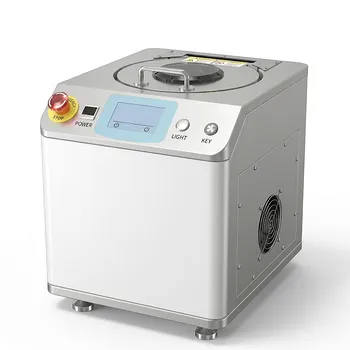
High Efficiency Vacuum Planetary Centrifugal Mixer and Defoaming Machine for Industrial Material Research and Precise Laboratory Powder Dispersion
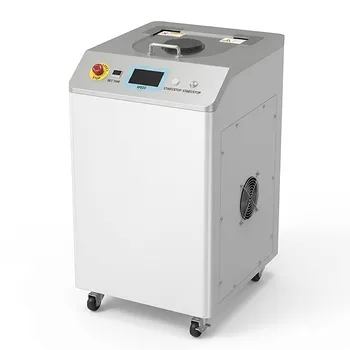
High Viscosity Planetary Centrifugal Vacuum Mixer for Material Defoaming and Uniform Mixing
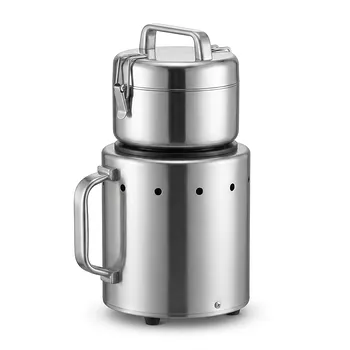
Small High Speed Grinder for Laboratory Sample Preparation
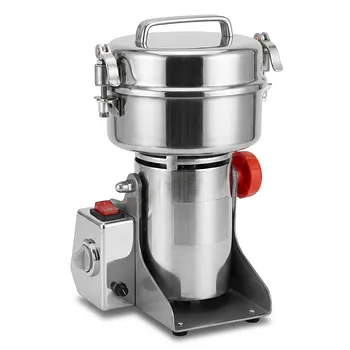
High Speed Laboratory Powder Grinder Small Batch Sample Preparation Mill
High Efficiency High Speed Grinder 2200W 25000 RPM Laboratory Sample Preparation
High Efficiency High Speed Grinder Laboratory Mill 1300W 25000rpm
High Speed Laboratory Grinder Efficient Stainless Steel Powder Pulverizer Universal Material Science Mill for Sample Preparation

Vertical Production Planetary Ball Mill for High Throughput Powder Processing
Laboratory Ultrafine Impact and Airflow Grinder for Precise Particle Size Control
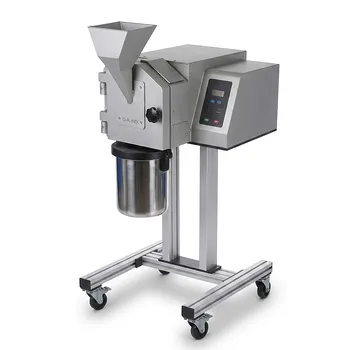
Industrial Rotor Beater Mill for High Speed Impact and Shear Grinding in Laboratory Sample Preparation
Industrial Planetary Centrifugal Vacuum Defoaming Mixer for High Viscosity Paste and Powder Homogenization
Industrial Planetary Centrifugal Vacuum Defoaming Mixer for High Viscosity Paste and Advanced Material Science
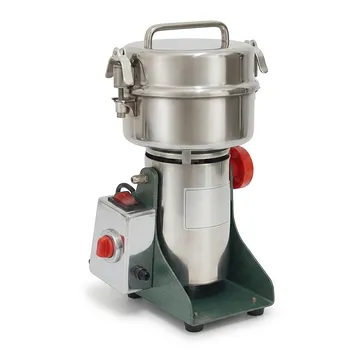
Small High Speed Grinder for Laboratory Sample Preparation
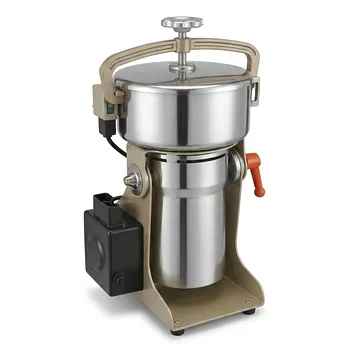
Multifunctional High Efficiency High Speed Laboratory Grinder
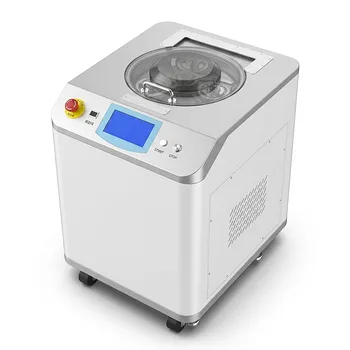
Dual Cup Vacuum Centrifugal Mixer Planetary Paste Defoaming Machine Industrial Material Processor
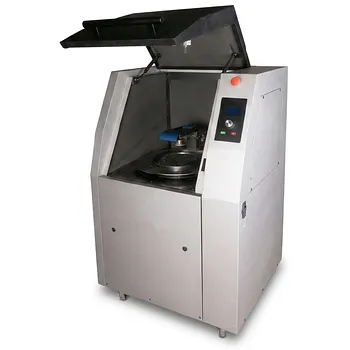
High Speed Vibratory Disc Mill for Spectral Analysis Sample Preparation and Rapid Powder Grinding