What is the function of a laboratory vibratory sieve shaker? Enhance Coal Particle Size Distribution (PSD) Analysis
Updated 3 months ago
Laboratory vibratory sieve shakers provide the stable mechanical power necessary to automate the separation of coal particles through a series of standardized mesh screens. By utilizing controlled parameters—specifically a 2mm amplitude and precise vibration durations—these machines ensure that coal powder is thoroughly dispersed and penetrates the sieve mesh effectively. This process is the primary method for acquiring accurate particle size mass distribution (PSD) data, which is fundamental for evaluating coal quality and processing efficiency.
The vibratory sieve shaker transforms manual screening into a standardized, repeatable scientific process. It overcomes the physical challenges of particle agglomeration and human error to deliver the precise classification required for downstream analysis like flotation kinetics and chemical reduction studies.
Ensuring Data Integrity Through Mechanical Precision
Automation vs. Manual Variability
Manual shaking is inherently inconsistent and prone to human fatigue, leading to unreliable data. A vibratory shaker provides constant mechanical force, ensuring that every sample is subjected to the same energy levels for the same duration.
This mechanized approach allows the sample to be classified until the mass remaining on each sieve level becomes constant. This level of repeatability is essential for laboratory environments that require high-level verification of material properties.
Controlled Amplitude and Particle Penetration
The shaker utilizes a specific vibration amplitude, often set at 2mm, to provide the energy needed to lift and rotate particles. This movement ensures that particles of various shapes eventually present their smallest dimension to the mesh opening.
Without this controlled motion, irregular coal particles might bridge across the mesh. The shaker’s mechanical power forces the penetration of fine particles, ensuring they reach their designated size fraction rather than remaining trapped in coarser layers.
Overcoming Agglomeration in Fine Coal Analysis
The Role of Wet Sieving Support
Fine coal particles, particularly those under 0.5mm, frequently suffer from agglomeration due to moisture or electrostatic forces. The vibratory sieve shaker provides the stable power needed for wet sieving processes, where water is used to wash fines through the mesh.
The mechanical vibration works in tandem with the liquid to break surface tension and disperse clumps. This ensures that fine coal powder does not stick to larger particles, allowing for an accurate recording of the mass distribution of the smallest fractions.
Precision Classification for Flotation Studies
Coal particle size directly impacts flotation kinetic constants and combustible recovery rates. By providing assisted classification at mesh sizes such as 0.5mm and 0.2mm, the shaker enables researchers to isolate single-size fractions.
This precise separation is a prerequisite for studying how different diameters affect ash and sulfur reduction. Consistent particle distribution ensures that quantitative analysis of flotation efficiency remains scientifically valid.
Engineering and Grading Applications
Determining Material Stability
In coal mine overburden analysis, the shaker works with standard test sieves to classify dried samples. This data is used to calculate the uniformity coefficient and the curvature coefficient.
These metrics allow engineers to evaluate the material gradation status. Understanding these values is critical for determining if coal-related byproducts are stable enough to be used as construction materials in dumps or embankments.
Generating Accurate Grading Curves
The shaker allows for the simultaneous use of multiple sieve layers to achieve automatic classification of aggregate particles. This is essential for drawing grading curves that visualize the distribution of the sample.
These curves are the fundamental technical step in ensuring that the coal or aggregate meets the specific requirements of an experimental design. They provide a "map" of the sample’s physical composition, from coarse gravel to fine powder.
Understanding the Trade-offs and Limitations
Risk of Particle Attrition
While mechanical vibration is necessary for separation, excessive duration or intensity can cause particle degradation. Softer coal samples may break down into smaller fragments during the shaking process, leading to a "fines bias" in the data.
Sieve Wear and Blinding
The high-frequency vibration required for accuracy can lead to sieve blinding, where particles become wedged in the mesh. This requires regular maintenance and careful cleaning to prevent the screens from losing their calibrated aperture size over time.
Noise and Calibration Requirements
Vibratory shakers can generate significant noise and vibration in a laboratory setting. Furthermore, the machine must be regularly calibrated to ensure the 2mm amplitude remains consistent; otherwise, the "standardized" data becomes unreliable.
How to Apply This to Your Project
When integrating a laboratory vibratory sieve shaker into your workflow, your choice should be driven by the specific analytical goals of your coal sample.
- If your primary focus is flotation optimization: Use wet sieving attachments on the shaker to ensure fine particles are completely dispersed and correctly categorized by mass.
- If your primary focus is overburden stability: Ensure the shaker is used to calculate the uniformity coefficient across a wide range of standard sieve apertures to validate construction safety.
- If your primary focus is sulfur and ash reduction: Prioritize consistent vibration durations to create highly uniform size fractions for chemical analysis.
By standardizing the mechanical energy applied to your samples, you ensure that your particle size data is a true reflection of the material rather than a variable of the testing process.
Summary Table:
| Key Function | Impact on Coal Analysis | Critical Outcome |
|---|---|---|
| Controlled 2mm Amplitude | Ensures particles present smallest dimension to mesh | High Repeatability & Accuracy |
| Automated Vibration | Eliminates manual variability and human fatigue | Standardized Scientific Process |
| Wet Sieving Support | Disperses fine coal (<0.5mm) and breaks agglomeration | Precise Fine Fraction Recording |
| Multi-Layer Grading | Simultaneously classifies multiple aggregate sizes | Accurate Grading Curves |
| Fraction Isolation | Separates coal for sulfur and ash reduction studies | Optimized Flotation Kinetics |
Elevate Your Coal Analysis with Precision Laboratory Solutions
Achieving accurate particle size distribution is critical for evaluating coal quality and processing efficiency. At [Brand Name], we provide complete laboratory sample preparation solutions tailored for material science and mining research. Our specialization in powder processing ensures your samples are handled with the highest level of mechanical precision.
Our extensive product line includes:
- Sieve Shakers: High-performance vibratory and air-jet shakers with premium test sieves and meshes.
- Size Reduction: Advanced crushers (jaw/roll) and a full suite of mills (planetary ball, jet, sand/bead, and cryogenic grinders).
- Mixing & Compaction: High-efficiency powder mixers and a comprehensive range of hydraulic presses, including Cold/Warm Isostatic Presses (CIP/WIP), hot presses, and vacuum hot presses.
Whether you are optimizing flotation kinetics or generating grading curves for engineering stability, our equipment delivers the repeatability your laboratory demands. Contact us today to find the perfect equipment for your workflow and ensure your data is a true reflection of your material's properties!
References
- Jovica Sokolović, Ivana Ilić. The effect of particle size on the flotation kinetics of raw and waste coal. DOI: 10.5937/imprc25279s
Mentioned Products
- Laboratory Dry and Wet Three Dimensional Vibratory Sieve Shaker for Particle Analysis
- Stainless Steel Laboratory Vibratory Test Sieve Shaker
- Small Laboratory Vibratory Sieve Shaker for Powder Gradation and Particle Size Analysis
- Vibratory Sieve Shaker Electromagnetic 3D Motion Powder Particle Size Analyzer for Dry and Wet Sieving
- Laboratory Vibratory Test Sieve Shaker for Precision Particle Size Analysis and Powder Grading
People Also Ask
- What is the role of laboratory vibratory sieve shakers in waste PUR foam recycling? Optimize Particle Size and Density
- What is the primary function of a laboratory vibratory sieve shaker in the evaluation of sand liquefaction potential?
- What role do laboratory vibratory sieve shakers and test sieves play before the molding of Nb-Cu composite powders?
- What function does a laboratory vibratory sieve shaker serve in the production process of metakaolin? Optimize Reactivity
- Why is a precision laboratory vibratory sieve shaker necessary for particle size control? Optimize Biomass Carbonization

Tech Team · PowderPreparation
Last updated on Jun 03, 2026
Related Products
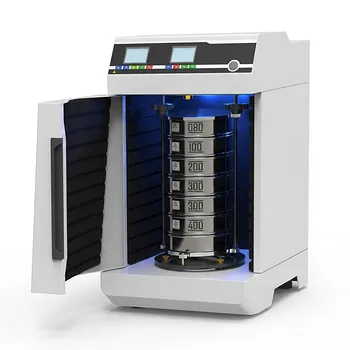
Laboratory Dry and Wet Three Dimensional Vibratory Sieve Shaker for Particle Analysis
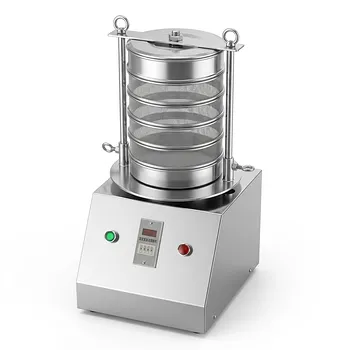
Stainless Steel Laboratory Vibratory Test Sieve Shaker
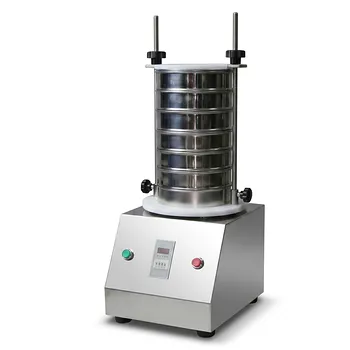
Small Laboratory Vibratory Sieve Shaker for Powder Gradation and Particle Size Analysis
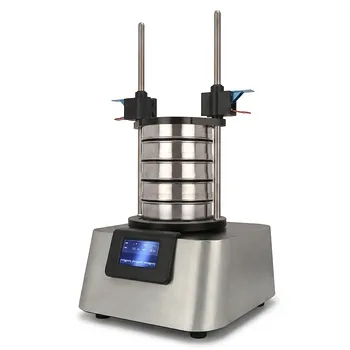
Vibratory Sieve Shaker Electromagnetic 3D Motion Powder Particle Size Analyzer for Dry and Wet Sieving
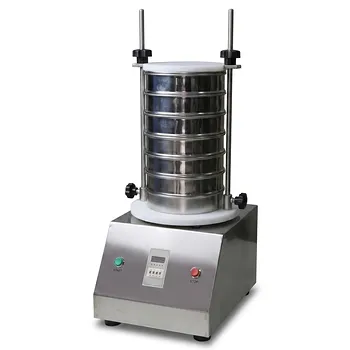
Laboratory Vibratory Test Sieve Shaker for Precision Particle Size Analysis and Powder Grading
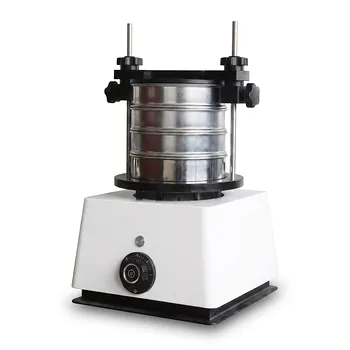
Small Laboratory Vibrating Sieve Shaker for Precise Particle Size Analysis
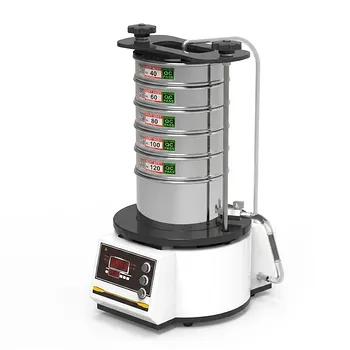
High Frequency Wet Three-Dimensional Vibrating Sieve Shaker for Dry and Wet Particle Size Analysis
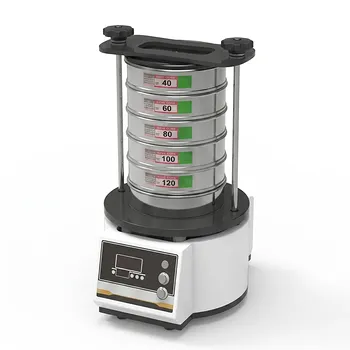
Dry Three Dimensional Vibratory Sieve Shaker
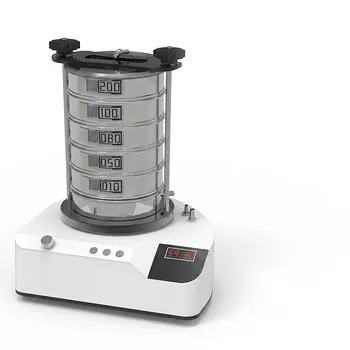
Heavy Duty Dry Three Dimensional Vibratory Sieve Shaker for Particle Separation
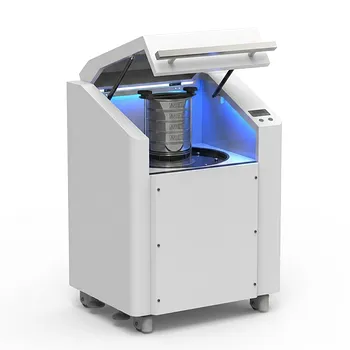
High Frequency Cabinet Type Three-Dimensional Rotary Vibrating Sieve Shaker for Dry Sieving and Particle Classification
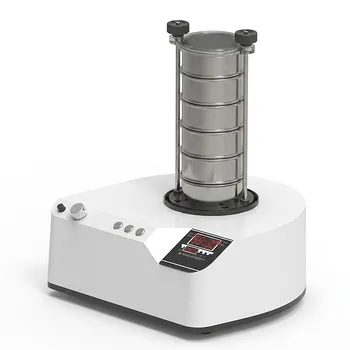
三维电磁微量振动筛分仪
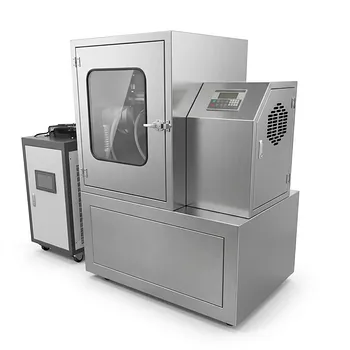
Vibratory Superfine Grinder for Ultra Fine Laboratory Powder Milling
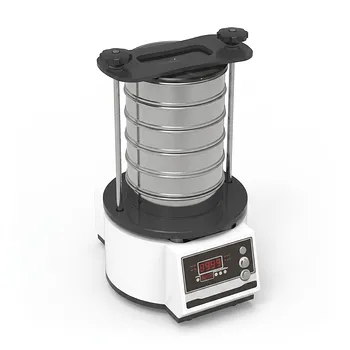
Tapping Oscillating Sieve Shaker for Dry and Wet Particle Size Analysis
Automatic Vibrating Powder Feeder for Laboratory Material Processing Precision Vibratory Hopper Feeder for Granular and Powder Material Handling Industrial Grade Vibrating Tray Feeder for Consistent Material Sample Preparation
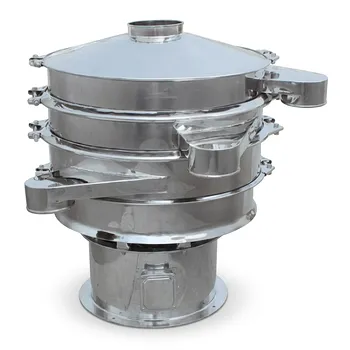
Stainless Steel Rotary Vibrating Sieve High Precision Circular Vibratory Separator Industrial Powder Grading Machine Multi Layer Sifting Equipment
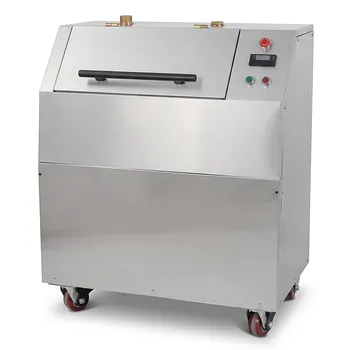
Vibratory Disc Mill for Rapid Fine Grinding and High Throughput Sample Preparation of Hard and Brittle Materials
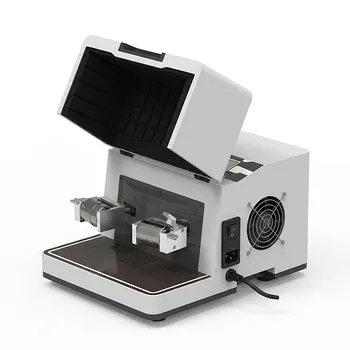
High Energy Hybrid Vibratory Ball Mill for Grinding Mixing and Cell Disruption
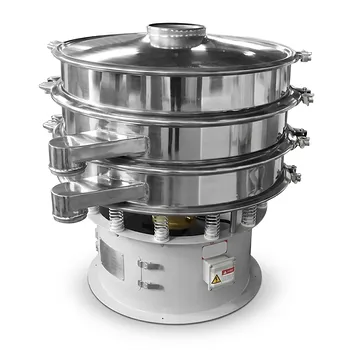
Three Dimensional Rotary Vibrating Sieve
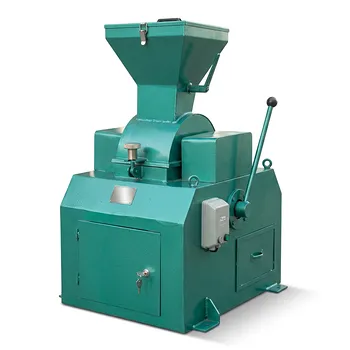
Laboratory Sealed Hammer Blade Crusher Divider for High Hardness Sample Preparation