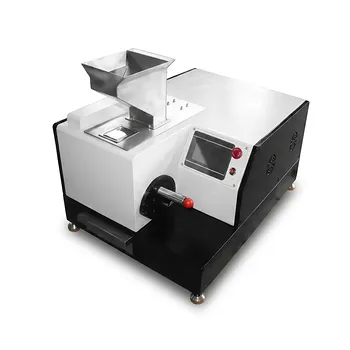
What are the functions of sieve shakers for coconut shell powder? Achieve Precise Particle Size & Quality Control.
Updated 5 months ago
The primary function of a laboratory sieve shaker and standard test sieves is to mechanically classify and screen crushed coconut shell powder into precise size fractions. By utilizing high-frequency vibrations to drive powder through a stack of graduated mesh apertures, these tools ensure the physical and chemical uniformity of the feedstock. This process is essential for controlling reaction kinetics in downstream applications such as pyrolysis, carbonization, and resin formulation.
Laboratory sieve shakers and standard test sieves transform raw, heterogeneous coconut shell powder into a standardized industrial material. This precision grading is the fundamental prerequisite for ensuring predictable chemical reactions and consistent mechanical properties in the final product.
The Mechanics of Particle Size Classification
Mechanical Separation Through Vibration
A vibratory sieve shaker utilizes high-frequency mechanical energy to oscillate a stack of standard test sieves. This motion ensures that each particle of coconut shell powder frequently contacts the sieve surface, allowing it to either pass through the aperture or remain retained based on its dimensions.
Multi-Stage Fractionation
By stacking sieves with decreasing mesh sizes, the system simultaneously separates a single sample into multiple size fractions. This allows operators to isolate specific ranges, such as the -150 to +250 mesh range, which is often required for specialized chemical applications.
Extraction of Ultra-Fine Components
In biomass processing, these tools are frequently used to extract ultra-fine components, typically those smaller than 63 μm. Removing or isolating these fines is a critical step in meeting ASTM standards for the characterization of biomass fuel properties.
Why Particle Size Management is Critical
Controlling Pyrolysis and Reaction Kinetics
Maintaining a consistent particle size is vital for controlling pyrolysis kinetics. Uniform particles prevent localized uneven heating within a reactor, which directly enhances the chemical uniformity and quality of the produced bio-oil.
Optimizing Activated Carbon Production
For coconut shell-derived activated carbon, size control is a prerequisite for effective chemical processing. Specifically, maintaining sizes between 100–500 μm before carbonization ensures the uniform penetration of chemical activators, leading to better electrolyte accessibility and rate performance in electrode materials.
Ensuring Product Stability and Shelf Life
In the production of resins, using the correct particle size fraction is the difference between a stable product and a failure. Research indicates that using improper size distributions can result in unstable resin performance or a significantly shortened shelf life for the final formulation.
Understanding the Trade-offs
Precision vs. Throughput
While laboratory sieve shakers provide high precision, they are designed for batch processing rather than continuous high-volume production. Achieving a very narrow particle size distribution improves quality but significantly increases the time required for material preparation.
Maintenance and Mesh Blinding
Standard test sieves are precision instruments that are susceptible to blinding, where particles become wedged in the apertures. This is particularly common with organic powders like coconut shell; if not cleaned correctly using ultrasonic baths, the accuracy of the classification will degrade over time.
Material Loss and Agglomeration
High-frequency vibration can occasionally cause agglomeration in very fine organic powders due to static or moisture. This can lead to "false positives" where fine particles stay on a coarse mesh, potentially skewing the data and resulting in a less uniform feedstock.
How to Apply This to Your Project
Recommendations Based on Your Objectives
- If your primary focus is Bio-oil Production: Use a sieve shaker to ensure a narrow size distribution to prevent uneven thermal degradation and maximize chemical consistency in the reactor.
- If your primary focus is Activated Carbon for Electrodes: Prioritize sieving to the 100–500 μm range to ensure that chemical activators can penetrate the shell structure uniformly.
- If your primary focus is Biomass Fuel Characterization: Focus on extracting the sub-63 μm fraction to remain compliant with ASTM standards and ensure physical sample consistency.
- If your primary focus is Resin or Composite Fillers: Use multi-layer sieving to isolate specific mesh ranges (e.g., -150 to +250) to prevent instability in the final resin performance.
Precise particle size management through standardized sieving is the bridge between raw biomass waste and high-performance technical materials.
Summary Table:
| Key Function | Impact on Coconut Shell Powder | Primary Application |
|---|---|---|
| Mechanical Separation | Ensures uniform reaction kinetics | Bio-oil & Pyrolysis |
| Multi-Stage Fractionation | Isolates specific mesh ranges (e.g., 100–500 μm) | Activated Carbon Production |
| Ultra-Fine Extraction | Removes sub-63 μm particles for ASTM compliance | Biomass Fuel Characterization |
| Quality Standardization | Prevents agglomeration and unstable performance | Resins & Composite Fillers |
Optimize Your Biomass Processing with Precision Lab Solutions
Achieving the perfect particle size is the bridge between raw coconut shell waste and high-performance technical materials. At [Your Brand Name], we provide complete laboratory sample preparation solutions tailored for material science.
From vibratory and air-jet sieve shakers equipped with precision test sieves to high-energy planetary ball mills and cryogenic grinders, our equipment ensures your powder processing is consistent and scalable. We also manufacture a full spectrum of hydraulic presses, including Cold/Warm Isostatic Presses (CIP/WIP) and vacuum hot presses, to help you move from powder classification to final material compaction.
Ready to enhance your lab's efficiency and product stability?
Contact our specialists today for a customized equipment consultation!
References
- Dewi Selvia Fardhyanti, Astrilia Damayanti. Analysis Of Bio-Oil Produced By Pyrolysis Of Coconut Shell. DOI: 10.5281/zenodo.1132179
Mentioned Products
- Laboratory Dry and Wet Three Dimensional Vibratory Sieve Shaker for Particle Analysis
- Stainless Steel Laboratory Vibratory Test Sieve Shaker
- Small Laboratory Vibrating Sieve Shaker for Precise Particle Size Analysis
- Laboratory Vibratory Test Sieve Shaker for Precision Particle Size Analysis and Powder Grading
- Small Laboratory Vibratory Sieve Shaker for Powder Gradation and Particle Size Analysis
People Also Ask
- What is the role of laboratory vibratory sieve shakers in waste PUR foam recycling? Optimize Particle Size and Density
- What is the primary function of a laboratory vibratory sieve shaker in the evaluation of sand liquefaction potential?
- What role do laboratory vibratory sieve shakers and test sieves play before the molding of Nb-Cu composite powders?
- What function does a laboratory vibratory sieve shaker serve in the production process of metakaolin? Optimize Reactivity
- Why is a precision laboratory vibratory sieve shaker necessary for particle size control? Optimize Biomass Carbonization

Tech Team · PowderPreparation
Last updated on May 14, 2026
Related Products
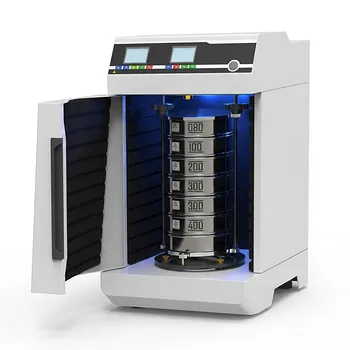
Laboratory Dry and Wet Three Dimensional Vibratory Sieve Shaker for Particle Analysis
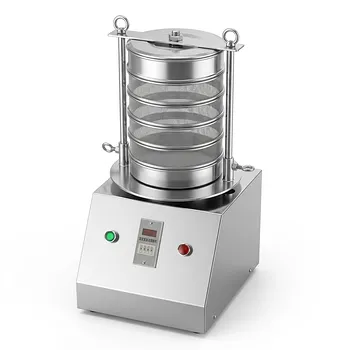
Stainless Steel Laboratory Vibratory Test Sieve Shaker
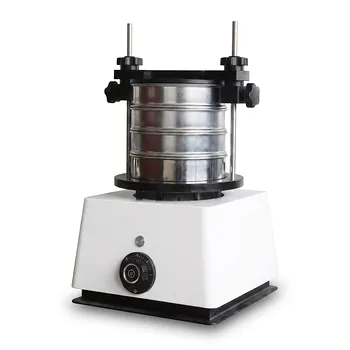
Small Laboratory Vibrating Sieve Shaker for Precise Particle Size Analysis
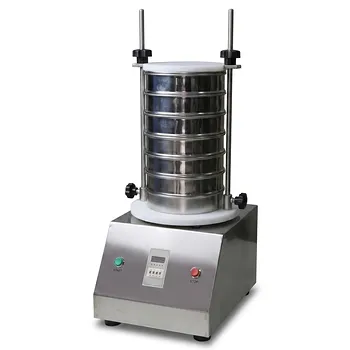
Laboratory Vibratory Test Sieve Shaker for Precision Particle Size Analysis and Powder Grading
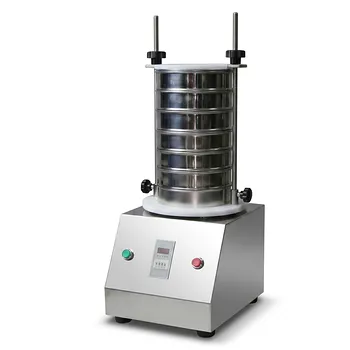
Small Laboratory Vibratory Sieve Shaker for Powder Gradation and Particle Size Analysis
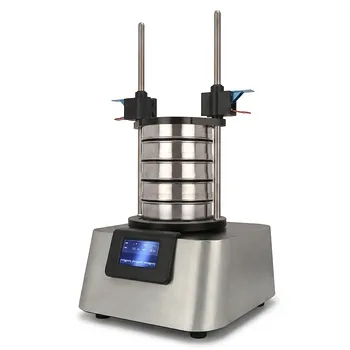
Vibratory Sieve Shaker Electromagnetic 3D Motion Powder Particle Size Analyzer for Dry and Wet Sieving
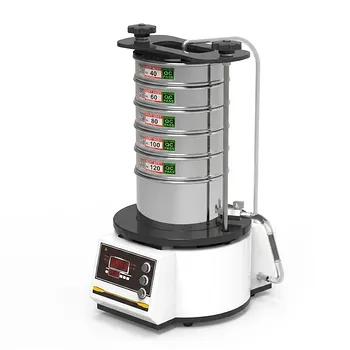
High Frequency Wet Three-Dimensional Vibrating Sieve Shaker for Dry and Wet Particle Size Analysis
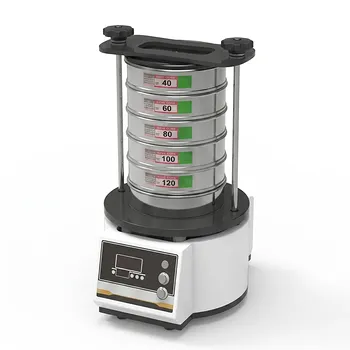
Dry Three Dimensional Vibratory Sieve Shaker
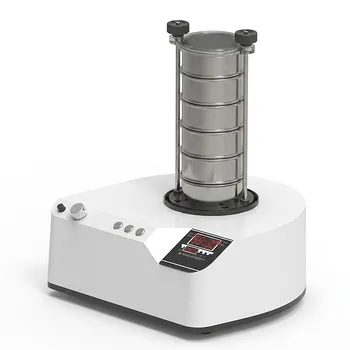
三维电磁微量振动筛分仪
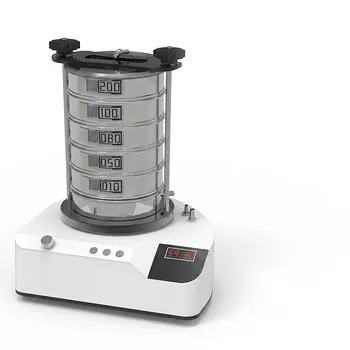
Heavy Duty Dry Three Dimensional Vibratory Sieve Shaker for Particle Separation
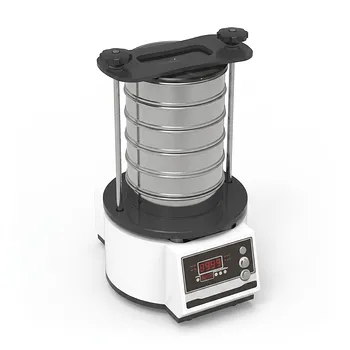
Tapping Oscillating Sieve Shaker for Dry and Wet Particle Size Analysis
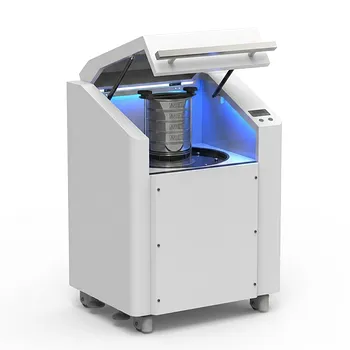
High Frequency Cabinet Type Three-Dimensional Rotary Vibrating Sieve Shaker for Dry Sieving and Particle Classification
Custom Raised Height Laboratory Jaw Crusher for Precision Sample Preparation in Material Science
Environmentally Friendly Sealed Jaw Crusher for Laboratory Sample Preparation
Laboratory Jaw Crusher 2025 Model for Ore and Brittle Material Crushing
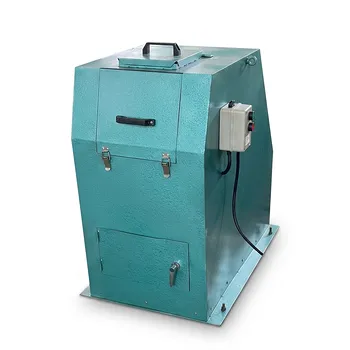
Environmentally Friendly Sealed Laboratory Jaw Crusher for Sample Preparation
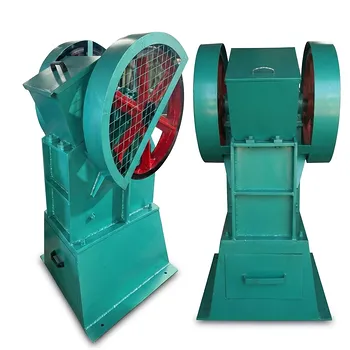
Sealed Jaw Crusher for Laboratory Material Crushing and Sample Preparation
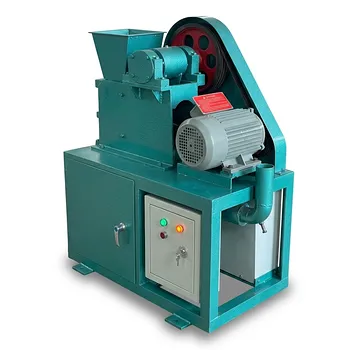
EP-B Type Sealed Jaw Crusher for Laboratory Sample Preparation
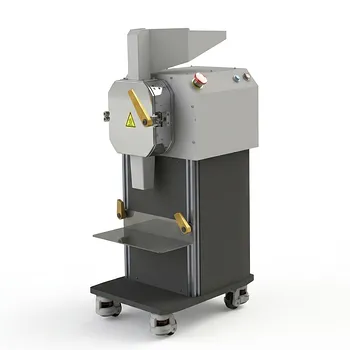
Small Laboratory Knife Crusher for Plastic Sample Preparation and Material Grinding