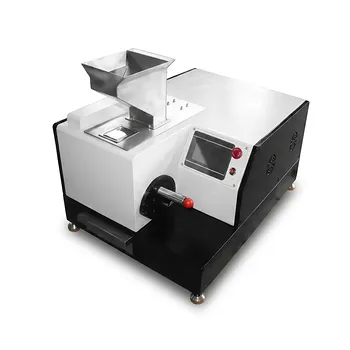
What function does a laboratory sieve shaker perform in the PSD analysis of residual soil? Ensure Precise Grading
Updated 3 months ago
The laboratory sieve shaker serves as the mechanical engine for physically separating soil particles into distinct size fractions. By utilizing high-frequency vibrations and a vertical stack of standard aperture test sieves, the device drives a soil sample through various mesh sizes to determine its "skeleton composition." This automated process provides the repeatable data necessary to calculate particle size distribution (PSD), which is the fundamental basis for classifying residual soils and predicting their engineering behavior.
A laboratory sieve shaker automates the grading of soil particles through standardized mechanical vibration, ensuring high accuracy and repeatability in determining the mass distribution of coarse fractions like sand and gravel.
Mechanized Separation and the Soil Skeleton
High-Frequency Vibration Mechanics
The sieve shaker applies a continuous, standardized frequency and displacement amplitude to a stack of test sieves. This mechanical action ensures that soil particles tumble and rotate across the mesh surface, maximizing the opportunity for every particle to pass through an aperture smaller than its diameter.
Defining the Soil Skeleton
This physical sorting is the primary method for isolating the coarse-grained "skeleton" of the soil, typically focusing on particles larger than 0.075mm or 0.063mm. By weighing the material retained on each sieve, technicians can determine the precise proportions of gravel, coarse sand, and fine sand within a sample.
Overcoming Particle Adhesion
Residual soils often exhibit electrostatic adsorption or slight particle agglomeration that manual shaking cannot easily break. The intense, consistent force of a mechanical shaker overcomes these bonds, ensuring that fine particles accurately pass through the corresponding mesh rather than clinging to larger grains.
Precision and Standardization in Analysis
Eliminating Human Error
Manual sieving is inherently inconsistent, as the force, duration, and angle of shaking vary between operators. A laboratory sieve shaker provides a controlled environment where vibration duration—often set to 10 minutes—and intensity are strictly regulated, leading to highly repeatable results.
Providing the Basis for Soil Classification
The data generated by the shaker allows for the creation of a grading curve, which is essential for naming complex soils like sandy silts. This classification is the first step in understanding how a soil will behave under load or when exposed to environmental stressors.
Core Data for Erodibility Factors
In environmental engineering, the particle size distribution obtained via mechanical shaking serves as the core basis for calculating soil erodibility factors. Understanding the ratio of fine-to-coarse material helps experts predict how residual soil will respond to rainfall and surface runoff.
Understanding the Trade-offs and Limitations
The Challenge of Particle Shape
Sieve analysis assumes that particles are roughly spherical; however, residual soil particles can be elongated or flat. These "flaky" particles may pass through the mesh end-first or become wedged in the apertures, potentially skewing the distribution data if the shaker is not properly calibrated.
Limitations with Fine Fractions
While the shaker is excellent for coarse material, it cannot analyze particles smaller than the finest available mesh (usually 0.075mm). For soils with high clay or silt content, the shaker must be supplemented with hydrometer analysis or wet sieving to provide a complete picture of the soil's composition.
Mechanical Wear and Mesh Blinding
Prolonged use of high-frequency vibration can lead to mesh blinding, where particles become permanently stuck in the sieve openings. Regular maintenance and the use of cleaning aids (like sieve brushes or ultrasonic cleaners) are required to maintain the integrity of the apertures and the accuracy of the test.
How to Apply This to Your Project
When performing particle size analysis, your choice of equipment and method should align with your specific engineering or agricultural goals.
- If your primary focus is Foundation Engineering: Use the sieve shaker to determine the coefficient of uniformity and curvature, which are critical for predicting soil compaction and structural strength.
- If your primary focus is Erosion Control: Focus on the percentage of particles passing through the 0.075mm sieve to accurately calculate erodibility and drainage characteristics.
- If your primary focus is Agricultural Tillage: Utilize the shaker to classify soil texture, which helps in predicting the wear and tear on machinery and determining optimal irrigation strategies.
By standardizing the mechanical separation of particles, the laboratory sieve shaker transforms a raw soil sample into a definitive map of its physical properties.
Summary Table:
| Key Function | Role in Soil Analysis | Engineering Benefit |
|---|---|---|
| Mechanical Separation | Uses high-frequency vibration to sort the "soil skeleton." | Isolates gravel and sand fractions (>0.075mm) accurately. |
| Adhesion Overcoming | Breaks electrostatic bonds and particle agglomeration. | Prevents fine particles from clinging to larger grains. |
| Standardized Testing | Regulates vibration duration, frequency, and amplitude. | Eliminates human error and ensures repeatable grading curves. |
| Data Generation | Provides mass distribution for classification. | Essential for predicting soil erodibility and compaction. |
Elevate Your Material Analysis with Precision Equipment
To achieve reliable particle size distribution and superior sample preparation, you need equipment designed for accuracy. We provide complete laboratory sample preparation solutions for material science, specializing in high-performance vibratory and air-jet sieve shakers along with a comprehensive range of test sieves and meshes.
Our expertise extends across the entire preparation workflow, offering:
- Size Reduction: Jaw/roll crushers, liquid nitrogen cryogenic grinders, and various mills (planetary ball, jet, sand, rotor).
- Mixing: High-efficiency powder and defoaming mixers.
- Compaction & Pressing: A full spectrum of hydraulic presses, including Cold/Warm Isostatic Presses (CIP/WIP), XRF pellet presses, and vacuum hot presses.
Whether you are analyzing residual soil for engineering or developing new materials, our solutions ensure your data is repeatable and your samples are perfectly prepared. Contact us today to find the right equipment for your lab!
References
- N. M. Mohamed, Zaihasra Abu Talib. Analysis of Residual Soil Properties on Slope: A Study in Dusun, Universiti Teknologi Malaysia, Johor. DOI: 10.30880/ijie.2024.16.09.007
Mentioned Products
- Laboratory Dry and Wet Three Dimensional Vibratory Sieve Shaker for Particle Analysis
- Stainless Steel Laboratory Vibratory Test Sieve Shaker
- Small Laboratory Vibrating Sieve Shaker for Precise Particle Size Analysis
- Laboratory Vibratory Test Sieve Shaker for Precision Particle Size Analysis and Powder Grading
- Small Laboratory Vibratory Sieve Shaker for Powder Gradation and Particle Size Analysis
People Also Ask
- What is the role of laboratory vibratory sieve shakers in waste PUR foam recycling? Optimize Particle Size and Density
- What is the primary function of a laboratory vibratory sieve shaker in the evaluation of sand liquefaction potential?
- What role do laboratory vibratory sieve shakers and test sieves play before the molding of Nb-Cu composite powders?
- What function does a laboratory vibratory sieve shaker serve in the production process of metakaolin? Optimize Reactivity
- Why is a precision laboratory vibratory sieve shaker necessary for particle size control? Optimize Biomass Carbonization

Tech Team · PowderPreparation
Last updated on Jun 03, 2026
Related Products
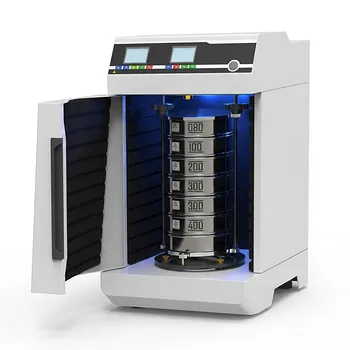
Laboratory Dry and Wet Three Dimensional Vibratory Sieve Shaker for Particle Analysis
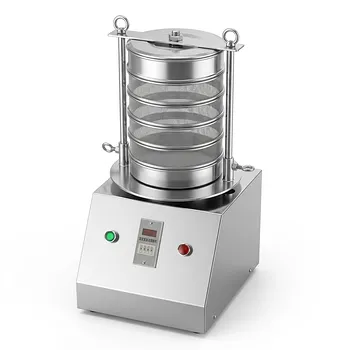
Stainless Steel Laboratory Vibratory Test Sieve Shaker
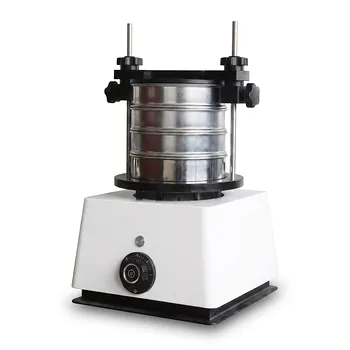
Small Laboratory Vibrating Sieve Shaker for Precise Particle Size Analysis
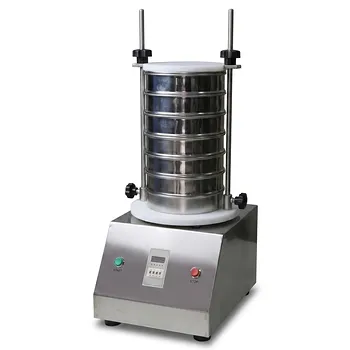
Laboratory Vibratory Test Sieve Shaker for Precision Particle Size Analysis and Powder Grading
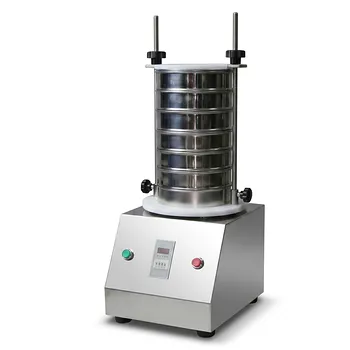
Small Laboratory Vibratory Sieve Shaker for Powder Gradation and Particle Size Analysis
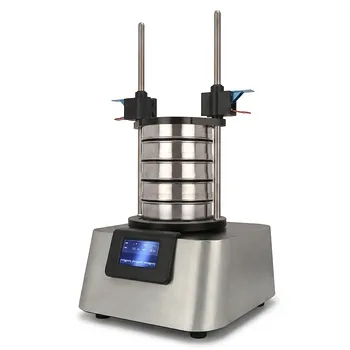
Vibratory Sieve Shaker Electromagnetic 3D Motion Powder Particle Size Analyzer for Dry and Wet Sieving
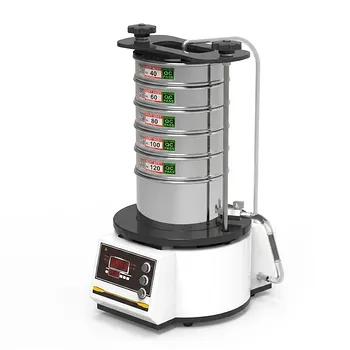
High Frequency Wet Three-Dimensional Vibrating Sieve Shaker for Dry and Wet Particle Size Analysis
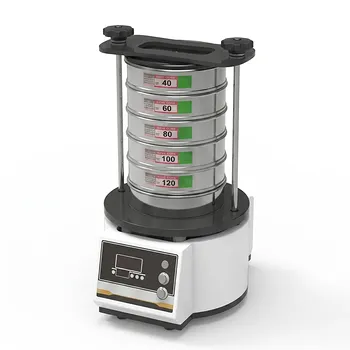
Dry Three Dimensional Vibratory Sieve Shaker
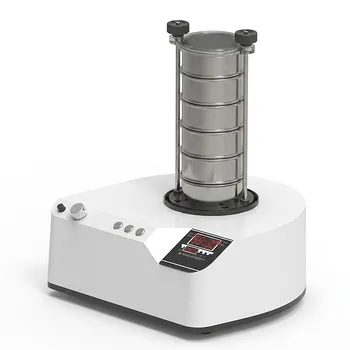
三维电磁微量振动筛分仪
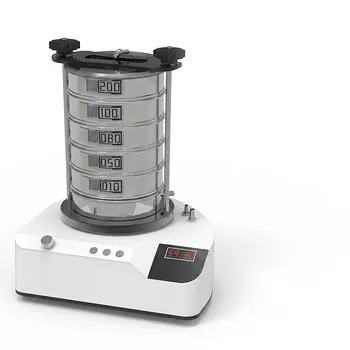
Heavy Duty Dry Three Dimensional Vibratory Sieve Shaker for Particle Separation
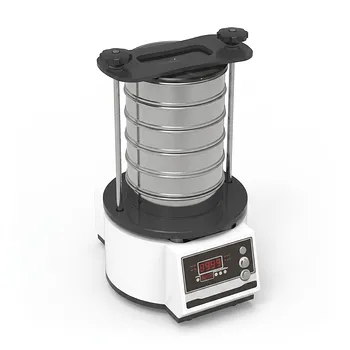
Tapping Oscillating Sieve Shaker for Dry and Wet Particle Size Analysis
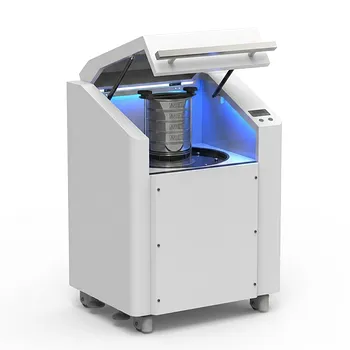
High Frequency Cabinet Type Three-Dimensional Rotary Vibrating Sieve Shaker for Dry Sieving and Particle Classification
Custom Raised Height Laboratory Jaw Crusher for Precision Sample Preparation in Material Science
Environmentally Friendly Sealed Jaw Crusher for Laboratory Sample Preparation
Laboratory Jaw Crusher 2025 Model for Ore and Brittle Material Crushing
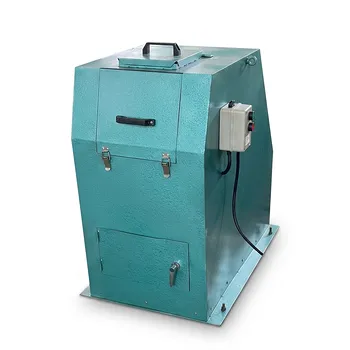
Environmentally Friendly Sealed Laboratory Jaw Crusher for Sample Preparation
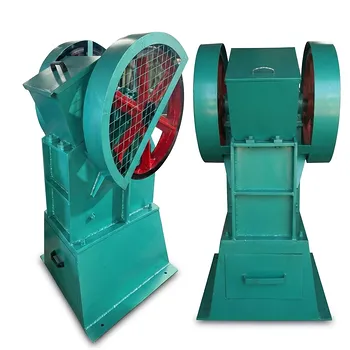
Sealed Jaw Crusher for Laboratory Material Crushing and Sample Preparation
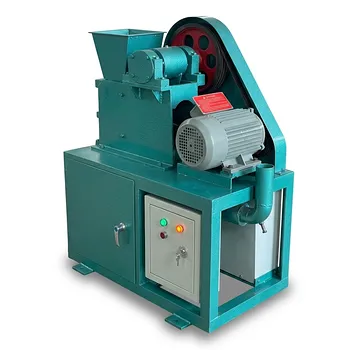
EP-B Type Sealed Jaw Crusher for Laboratory Sample Preparation
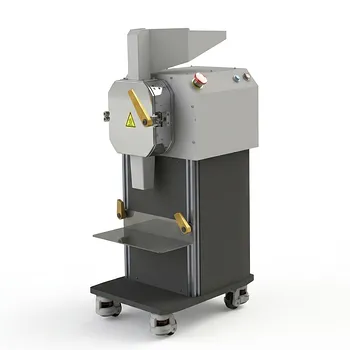
Small Laboratory Knife Crusher for Plastic Sample Preparation and Material Grinding