Why is pre-drying Black Silicon Carbide abrasive powder at 105°C necessary? Ensure Accurate Sieve Analysis Results
Updated 5 months ago
Removing adsorbed moisture is the fundamental requirement for accurate analysis. Pre-drying Black Silicon Carbide abrasive powder at 105°C for 30 minutes eliminates water molecules that cling to the surface of individual particles. This process prevents the formation of liquid bridges that cause fine grains to stick together, ensuring the powder behaves as a collection of discrete particles rather than irregular clusters during testing.
Moisture creates artificial agglomerates that clog sieve apertures and skew distribution data. Pre-drying ensures maximum particle fluidity, which is essential for obtaining a precise and repeatable measurement of the material's true grain size.
The Mechanics of Particle Agglomeration
Overcoming Surface Adsorption
Water molecules have a high affinity for the surface of Silicon Carbide, forming a thin film known as adsorbed water. At the targeted temperature of 105°C, this moisture is effectively evaporated, breaking the cohesive forces that bind fine particles together.
Preventing Sieve Blinding
When moisture is present, fine particles tend to "blind" or clog the delicate mesh openings of the sieve. This obstruction prevents smaller grains from passing through to the lower trays, resulting in a skewed data set that falsely suggests the material is coarser than it actually is.
Ensuring Data Integrity and Fluidity
Promoting High Fluidity
Dry abrasive powder exhibits high fluidity, allowing particles to move freely across the sieve surface during vibration. This freedom of movement is critical because it ensures every particle has multiple opportunities to align with and pass through the mesh apertures.
Standardization of Quality Control
Consistent pre-drying protocols allow for repeatability across different batches and laboratory environments. By removing environmental variables like humidity, manufacturers can ensure that their particle size distribution (PSD) data remains an objective reflection of production quality.
Understanding the Trade-offs and Pitfalls
The Risk of Re-absorption
Silicon Carbide is susceptible to re-absorbing moisture from the air as soon as it leaves the oven. If the powder is not sieved immediately after cooling in a controlled environment, the benefits of the 105°C drying phase can be lost to ambient humidity.
Temperature Sensitivity
While 105°C is the industry standard for removing surface moisture, significantly exceeding this temperature is unnecessary and consumes excess energy. Conversely, temperatures below 100°C are often insufficient to fully break the molecular bonds of surface-adsorbed water, leading to lingering clump formation.
How to Apply This to Your Analysis
Before beginning your sieve analysis, ensure your laboratory workflow accounts for the thermal preparation of the sample to guarantee the highest level of accuracy.
- If your primary focus is absolute measurement precision: Spread the abrasive powder in a thin, uniform layer in the drying pan to ensure every grain is exposed to the 105°C heat.
- If your primary focus is workflow efficiency: Use a desiccator to cool the samples after the 30-minute drying cycle, preventing moisture regain while the material reaches room temperature.
By strictly adhering to the 105°C pre-drying standard, you transform your sieve analysis from a variable estimate into a definitive technical benchmark.
Summary Table:
| Factor | Impact on Sieve Analysis | Technical Objective |
|---|---|---|
| Moisture Content | Causes particle clumping and sieve blinding | Evaporate adsorbed water films |
| Particle Fluidity | Hinders movement across the mesh | Eliminate liquid bridges for discrete grains |
| Data Accuracy | Skews distribution (falsely coarse results) | Ensure precise Particle Size Distribution (PSD) |
| Repeatability | Varies with ambient humidity levels | Standardize conditions for consistent QC |
Elevate Your Material Analysis with Precision Solutions
Achieving accurate particle size distribution starts with the right preparation and the right equipment. Contact us today to learn how our comprehensive laboratory solutions can streamline your workflow and ensure data integrity.
At [Brand Name], we specialize in providing complete laboratory sample preparation solutions for material science. Whether you are processing Silicon Carbide or advanced ceramics, our extensive product line supports every stage of your research and quality control:
- Sizing & Analysis: High-precision vibratory and air-jet sieve shakers with a full range of test sieves.
- Milling & Grinding: Planetary ball mills, jet mills, and cryogenic grinders for ultra-fine powder processing.
- Sample Compaction: A full spectrum of hydraulic presses, including Cold/Warm Isostatic Presses (CIP/WIP), vacuum hot presses, and XRF pellet presses.
- Mixing: Advanced powder mixers and defoaming mixers for homogeneous material blends.
Don't let moisture or poor equipment compromise your results. Let our experts help you select the ideal tools for your specific powder processing and compaction needs. Reach out now for a customized consultation!
References
- В. А. Носенко, Aleksey Aleksandrov. DEPENDENCE OF THE MEAN AND DISPERSION OF GRAIN WIDTH OF SILICON CARBIDE BLACK GRINDING POWDERS ON THE MESH SIZE OF A PASS SIEVE. DOI: 10.12737/article_58f9c4d9ecb004.36348769
Mentioned Products
- Small Ceramic Structure Laboratory Sand Mill Nanoscale Grinding Dispersion Equipment Seal-less Screen-less Design
- Nano Laboratory Bead Mill Desktop Sub Micron Sand Mill Screenless Seal Less Powder Grinder
- Vertical Production Planetary Ball Mill for High Throughput Powder Processing
- High Energy Planetary Ball Mill for Nano Scale Grinding and Mechanical Alloying
- Laboratory Disc Mill for Ore and Mineral Sample Preparation
People Also Ask
- Why is a sand mill used to process solid carbon-forming agents like PPVA and PER? Enhance Dispersion & Flame Retardancy
- What is the role of laboratory grinding equipment in the preparation of waste glass powder for eco-friendly red bricks?
- Why is grinding equipment necessary for SnO2-Sb2O3 xerogels? Maximize surface area and photocatalytic activity.
- How does laboratory grinding or pulverizing equipment influence eggshell-derived adsorbents? Maximize Surface Area.
- What is the primary role of grinding equipment in BLA preparation? Enhance Reactivity & Material Uniformity

Tech Team · PowderPreparation
Last updated on May 14, 2026
Related Products
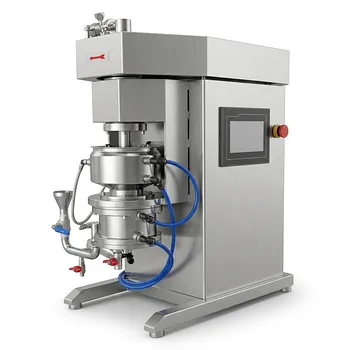
Small Ceramic Structure Laboratory Sand Mill Nanoscale Grinding Dispersion Equipment Seal-less Screen-less Design
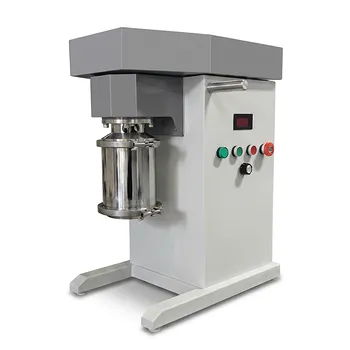
Nano Laboratory Bead Mill Desktop Sub Micron Sand Mill Screenless Seal Less Powder Grinder
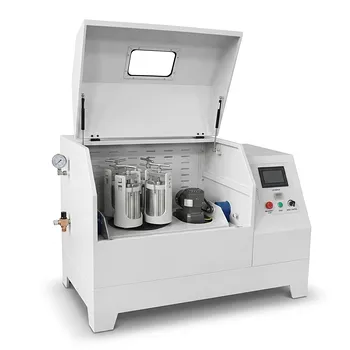
Vertical Production Planetary Ball Mill for High Throughput Powder Processing
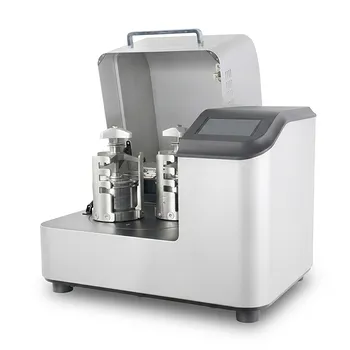
High Energy Planetary Ball Mill for Nano Scale Grinding and Mechanical Alloying
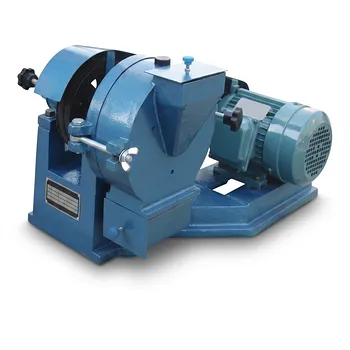
Laboratory Disc Mill for Ore and Mineral Sample Preparation
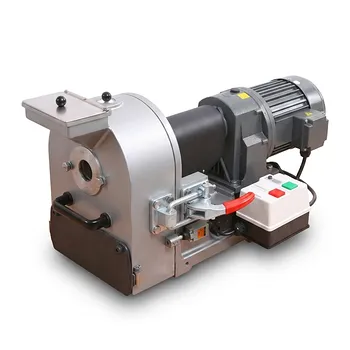
Laboratory Disc Mill for Fine Sample Preparation of Hard and Brittle Materials
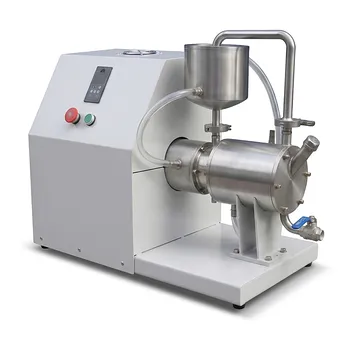
Laboratory Small Horizontal Sand Mill for Nano Materials Wet Grinding
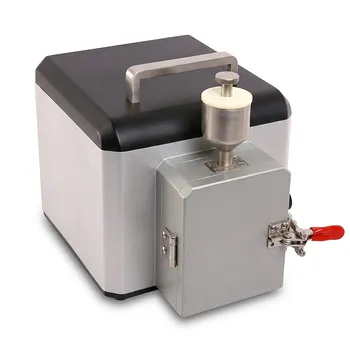
Portable Cutting Mill for Laboratory Sample Preparation and RoHS WEEE Compliance Testing
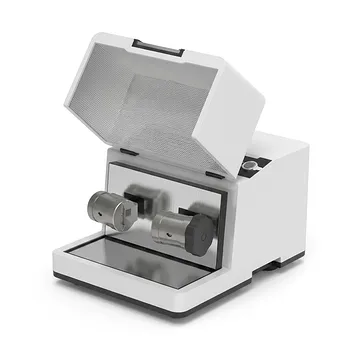
Heating Temperature Controlled High Energy Vibratory Ball Mill
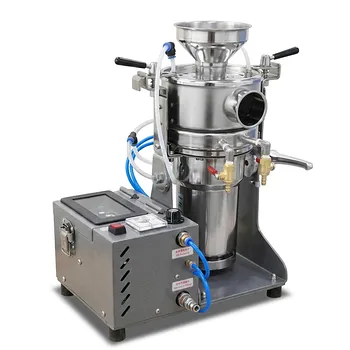
Water Cooled Pulse Jet Ultrafine Grinder
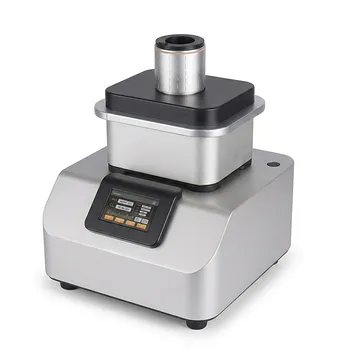
Ultra Centrifugal Mill High Speed Laboratory Grinder for Fibrous and Brittle Sample Preparation
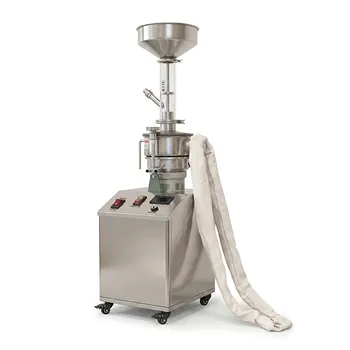
Small Liquid Nitrogen Cryogenic Grinder for Plastic and Heat-Sensitive Material Sample Preparation
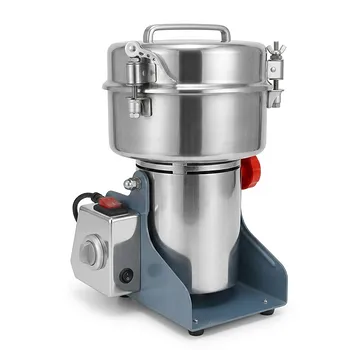
Small High-Speed Grinder for Efficient Laboratory Sample Preparation
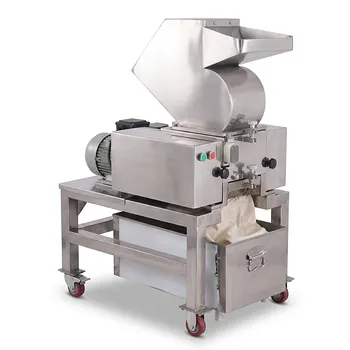
Stainless Steel Coarse Crusher for Pharmaceutical Food and Plastic Material Processing
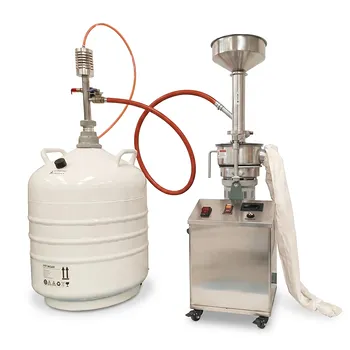
Laboratory Liquid Nitrogen Cryogenic Grinder Polymer Sample Preparation Pulverizer
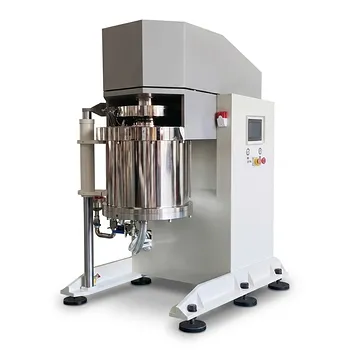
Vertical Nano Bead Mill for Ceramic Materials with Permanent Magnet Motor and High Efficiency Grinding
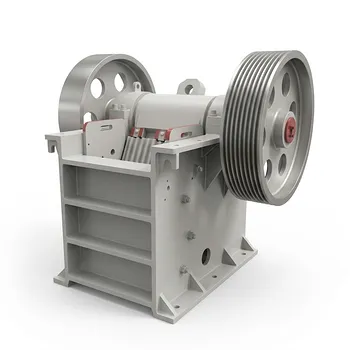
Jaw Crusher with 400x600mm Feed Opening for Primary Rock Crushing in Mining and Construction
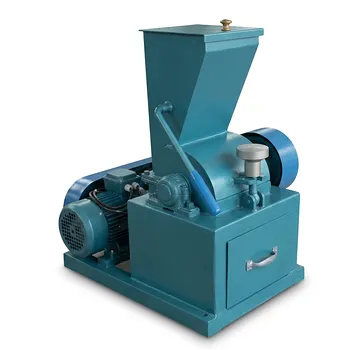
Small Hammer Crusher for Brittle Material Crushing in Mining Metallurgy and Lab Sample Preparation
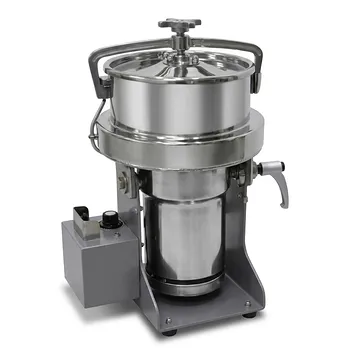
500g Capacity Water Cooled Low Temperature Grinder with Variable Speed and Safety Cover