Why is a sand mill used to process solid carbon-forming agents like PPVA and PER? Enhance Dispersion & Flame Retardancy
Updated 5 months ago
The use of a sand mill is essential for processing solid carbon-forming agents because it utilizes high-frequency impact and shearing forces to achieve ultra-fine particle sizes. This mechanical reduction ensures that components like phosphorylated polyvinyl alcohol (PPVA) and pentaerythritol (PER) achieve maximum dispersion uniformity within the resin matrix. Without this level of refinement, these agents cannot react synergistically to form the dense, protective carbon layer required for effective flame retardancy.
Core Takeaway: Sand milling transforms coarse carbon-forming agents into ultra-fine particles, enabling a uniform chemical distribution that is critical for the formation of a high-performance expanded carbon layer during a fire.
The Mechanics of Particle Refinement
High-Frequency Impact and Shearing
Sand mills operate by agitating grinding media at high speeds, often reaching up to 1500 rpm. This creates intense collision and shear forces that physically break down solid PPVA and PER clusters.
This process exfoliates the materials, reducing them to an ultra-fine or even nanometer scale. This physical foundation is necessary for the chemicals to be reactive enough for industrial applications.
Achieving Ultra-Fine Particle Size
The goal of using a sand mill is to achieve a consistent particle size distribution, often targeting a D90 of 100-200 nm. Smaller particles provide a significantly higher surface area relative to their volume.
This increased surface area allows the carbon-forming agents to integrate seamlessly with the amino resin matrix. Fine particles stay in suspension longer and resist settling during storage.
Enhancing Coating Performance
Improving Dispersion Uniformity
Uniformity is the most critical factor in coating stability. If PPVA and PER are not evenly distributed, the resulting coating will have "weak spots" where flame retardancy is compromised.
Sand milling ensures that every microliter of the coating contains the correct ratio of carbon-forming agents. This consistency is what allows the coating to maintain its integrity under thermal stress.
Facilitating the Synergistic Reaction
In a fire, the amino resin, PPVA, and PER must undergo a complex chemical reaction simultaneously. This synergistic effect is only possible when the molecules are in close physical proximity.
By refining the particles, the sand mill ensures these agents are packed tightly and evenly. This results in the generation of a dense and uniform expanded carbon layer that insulates the underlying substrate from heat.
Understanding the Trade-offs
Heat Generation and Material Stability
The intense friction within a sand mill generates significant heat during the grinding process. If not properly cooled, this heat can potentially trigger premature reactions or degradation in sensitive chemical agents.
Operators must use jacketed cooling systems to maintain a stable temperature. Failure to control heat can lead to a loss of chemical efficacy in the final coating.
Grinding Media Wear and Contamination
Over time, the grinding beads within the mill will wear down due to the high-frequency impacts. These micro-particles of media can enter the coating mixture as contaminants.
Choosing the right media—such as zirconia or specialized ceramics—is vital to prevent discoloration or changes in the coating's chemical properties. Regular maintenance and media replacement are non-negotiable for high-quality production.
Applying This to Your Production Process
Selecting the Right Approach for Your Goal
Achieving the perfect dispersion requires balancing milling time with material sensitivity to ensure the coating performs reliably in the field.
- If your primary focus is maximum fire resistance: Prioritize longer milling cycles to achieve the smallest possible particle size, ensuring a flawless synergistic reaction.
- If your primary focus is production throughput: Use high-speed bead mills with high-density media to reduce the time required to reach the necessary D90 threshold.
- If your primary focus is coating aesthetics and clarity: Ensure the use of non-wearing ceramic media to prevent the introduction of dark contaminants during the ultra-fine grinding phase.
Proper mechanical refinement through sand milling is the technical bridge between raw chemical ingredients and a high-performance flame-retardant coating.
Summary Table:
| Feature | Benefit for Coatings | Key Mechanism |
|---|---|---|
| Particle Size Reduction | Achieves D90 of 100-200 nm | High-frequency impact and shearing |
| Dispersion Uniformity | Eliminates "weak spots" in fire protection | High-speed agitation of grinding media |
| Synergistic Reaction | Forms a dense, protective carbon layer | Increased surface area for chemical contact |
| Suspension Stability | Prevents settling during storage | Ultra-fine refinement of solid clusters |
Elevate Your Material Preparation with Expert Solutions
Achieving the perfect dispersion for flame-retardant coatings requires precision equipment and technical expertise. At [Company Name], we provide complete laboratory sample preparation solutions for material science, specializing in high-performance powder processing and compaction equipment.
Our extensive product lines are designed to help you achieve the exact particle size and material integrity your research demands:
- Advanced Milling: Achieve ultra-fine dispersion with our sand/bead mills, planetary ball mills, jet mills, and liquid nitrogen cryogenic grinders.
- Sample Processing: A full range of jaw/roll crushers, sieve shakers (vibratory/air-jet), and powder/defoaming mixers.
- Compaction Excellence: We manufacture a complete spectrum of hydraulic presses, including Cold/Warm Isostatic Presses (CIP/WIP), standard lab presses, and vacuum hot presses.
Whether you are refining carbon-forming agents or developing new composite materials, our equipment ensures reliability and superior performance. Contact us today to find the perfect solution for your lab!
References
- Siwei Li, Changrui Wang. Synergistic effect of aluminum diethylphosphinate/sodium stearate modified vermiculite on flame retardant and smoke suppression properties of amino coatings. DOI: 10.1039/d1ra05731f
Mentioned Products
- Small Ceramic Structure Laboratory Sand Mill Nanoscale Grinding Dispersion Equipment Seal-less Screen-less Design
- Laboratory Sand Mill Grinding Dispersing Machine for Wet Particle Size Reduction
- Laboratory Small Horizontal Sand Mill for Nano Materials Wet Grinding
- Laboratory Basket Sand Mill for Wet Grinding and Dispersion of Viscous Slurries
- Mass Production Nano Sand Mill for Industrial Nanomaterial Grinding and Dispersion
People Also Ask
- What is the role of laboratory grinding equipment in the preparation of waste glass powder for eco-friendly red bricks?
- Why is grinding equipment necessary for SnO2-Sb2O3 xerogels? Maximize surface area and photocatalytic activity.
- How does laboratory grinding or pulverizing equipment influence eggshell-derived adsorbents? Maximize Surface Area.
- What is the primary role of grinding equipment in BLA preparation? Enhance Reactivity & Material Uniformity
- What function does a laboratory mill serve in corn starch saccharification experiments? Optimize Surface Area & Reactions

Tech Team · PowderPreparation
Last updated on May 14, 2026
Related Products
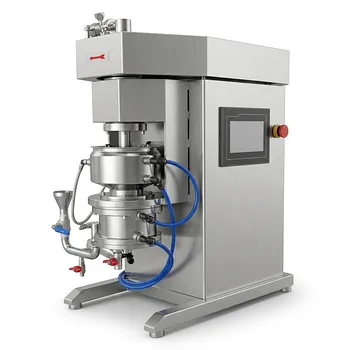
Small Ceramic Structure Laboratory Sand Mill Nanoscale Grinding Dispersion Equipment Seal-less Screen-less Design
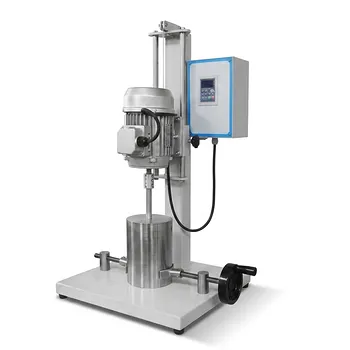
Laboratory Sand Mill Grinding Dispersing Machine for Wet Particle Size Reduction
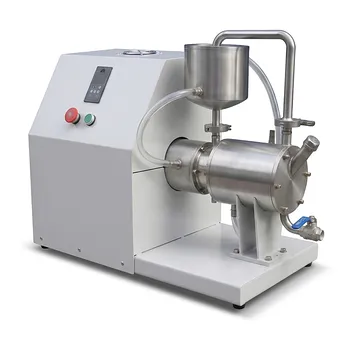
Laboratory Small Horizontal Sand Mill for Nano Materials Wet Grinding
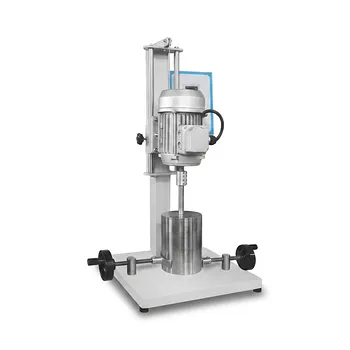
Laboratory Basket Sand Mill for Wet Grinding and Dispersion of Viscous Slurries
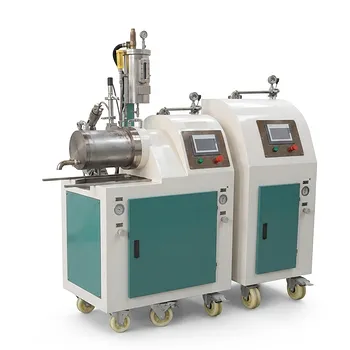
Mass Production Nano Sand Mill for Industrial Nanomaterial Grinding and Dispersion
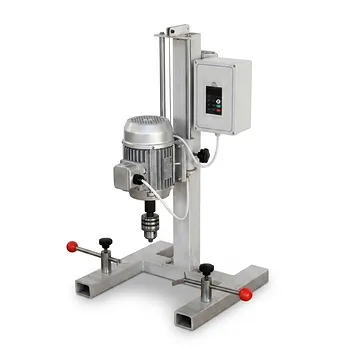
Laboratory Disperser and Sand Mill for Grinding Dispersing Emulsifying
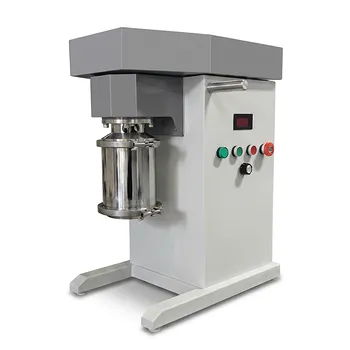
Nano Laboratory Bead Mill Desktop Sub Micron Sand Mill Screenless Seal Less Powder Grinder
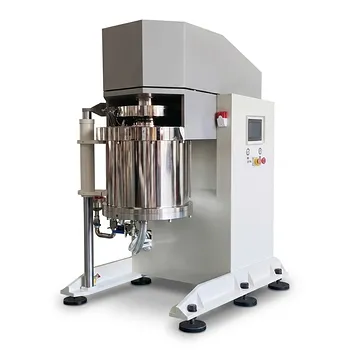
Vertical Nano Bead Mill for Ceramic Materials with Permanent Magnet Motor and High Efficiency Grinding
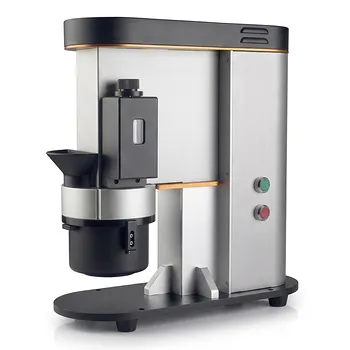
Precision Soil Disc Mill for Laboratory Fine Grinding and Environmental Sample Preparation
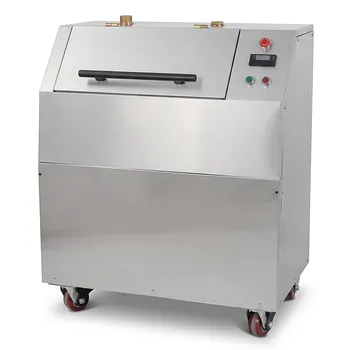
Vibratory Disc Mill for Rapid Fine Grinding and High Throughput Sample Preparation of Hard and Brittle Materials
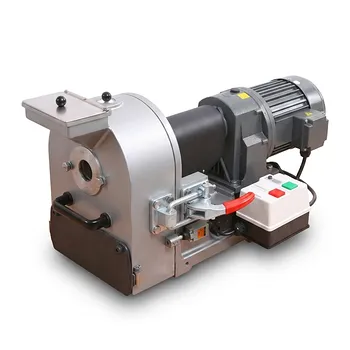
Laboratory Disc Mill for Fine Sample Preparation of Hard and Brittle Materials
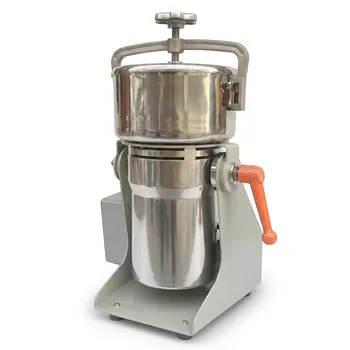
High Speed Laboratory Grinder Efficient Stainless Steel Powder Pulverizer Universal Material Science Mill for Sample Preparation
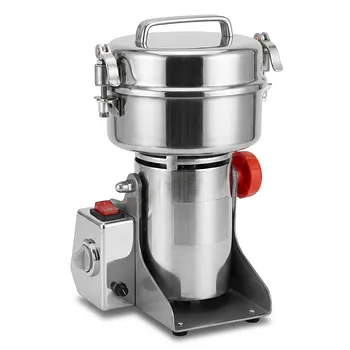
High Speed Laboratory Powder Grinder Small Batch Sample Preparation Mill
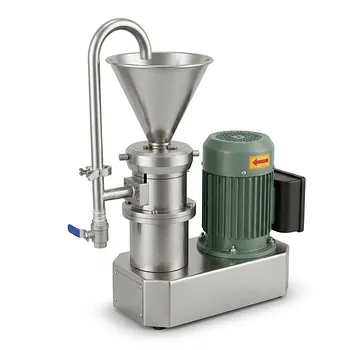
Small Laboratory Colloid Mill for Ultra-Fine Wet Grinding and Emulsification
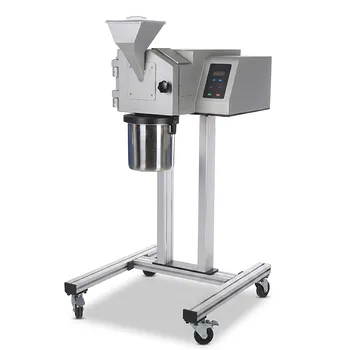
Cross Beater Mill for Brittle Material Grinding and Continuous Fine Crushing Industrial Sample Preparation

Vertical Square Planetary Ball Mill for Laboratory Sample Preparation and Nanoscale Grinding
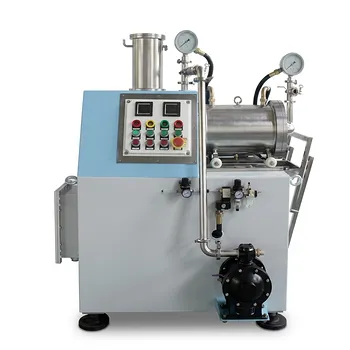
Horizontal Bead Mill for Nanoscale Grinding and Advanced Material Powder Processing
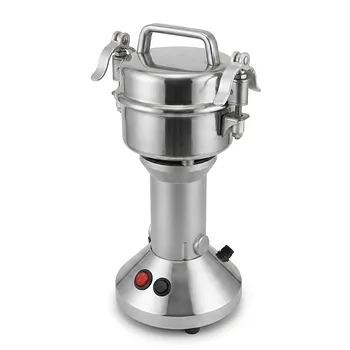
Continuous Feeding Grinding Mill for Dry Fibrous Tough and Hard Materials in Laboratory and Small Production
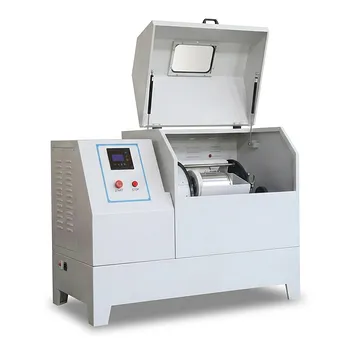
Heavy Duty Horizontal Planetary Ball Mill for Efficient Industrial Grinding and Sample Preparation
