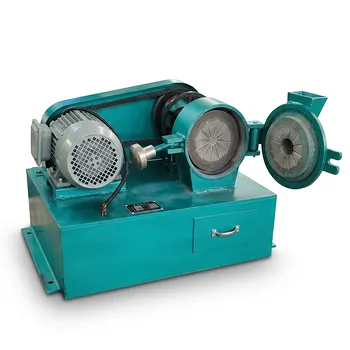
How does laboratory grinding or pulverizing equipment influence eggshell-derived adsorbents? Maximize Surface Area.
Updated 5 months ago
Laboratory grinding and pulverizing equipment are the primary drivers of surface area expansion and active site accessibility in eggshell-derived adsorbents. These machines utilize mechanical impact and shear forces to reduce raw or calcined eggshells into fine, uniform powders. This physical transformation significantly increases the specific surface area and exposes internal microporous structures, which directly dictates the material's final adsorption capacity and its readiness for chemical modification.
The mechanical refinement of eggshells is a critical optimization of the material's physical architecture rather than a simple preparation step. By maximizing surface-area-to-volume ratios and exposing sequestered active sites, laboratory pulverizers create the necessary technical foundation for efficient pollutant removal.
The Mechanics of Physical Transformation
Impact and Shear Forces
Laboratory grinders apply intense mechanical impact and shear forces to break down the rigid calcium carbonate structure of eggshells. These forces overcome the structural integrity of the biomass, resulting in a rapid reduction from bulk shells to fine particulate matter.
Particle Size Refinement
The primary physical change is the conversion of large, irregular waste fragments into a fine powder. This refinement is essential for ensuring the material can be easily handled in aqueous solutions and provides a consistent baseline for experimental variables.
Ensuring Material Uniformity
By using specific configurations, such as 1 mm mesh sieves, grinding equipment ensures a uniform particle size distribution. This uniformity is vital for achieving predictable results during subsequent grading or chemical quaternization modification reactions.
Maximizing Adsorption Potential through Surface Engineering
Specific Surface Area (SSA) Expansion
The most significant influence of pulverizing is the massive increase in specific surface area. As particle size decreases, the proportion of atoms or molecules on the surface increases, providing significantly more space for the attachment of contaminants.
Exposure of Microporous Structures
Raw eggshells contain internal microporous structures that are naturally sequestered within the bulk material. Mechanical pulverization "unlocks" these pores, making them accessible to the surrounding environment and increasing the total volume available for adsorption.
Enhancing Active Site Availability
By breaking down the physical structure, grinding exposes a higher density of active sites. This is the fundamental mechanism that allows the adsorbent to uptake higher concentrations of heavy metal ions, such as lead, or fluoride ions from wastewater.
Influence on Chemical Reactivity
Facilitating Secondary Modifications
A finely ground powder provides optimal contact conditions for subsequent chemical treatments, such as phosphoric acid modification. The increased surface area ensures that chemical reagents can react uniformly with the material, leading to a more homogenous and effective modified adsorbent.
Improving Contact Efficiency
The fineness of the resulting powder directly impacts the contact efficiency between the adsorbent and the target ions. Smaller particles stay suspended more effectively and offer shorter diffusion paths for ions to reach an available active site.
Understanding the Trade-offs
The Risk of Agglomeration
While finer particles generally improve adsorption, extremely small particles can sometimes undergo agglomeration due to increased surface energy. This clumping can effectively reduce the available surface area, counteracting the benefits of the grinding process.
Mechanical Heat Generation
High-speed grinding generates mechanical heat, which can potentially alter the surface chemistry of sensitive bio-materials. It is critical to monitor the temperature during the pulverization of organic waste to ensure the structural integrity of the active sites remains intact.
How to Apply This to Your Project
Selection of grinding parameters should be dictated by your specific wastewater treatment goals and the nature of your raw materials.
- If your primary focus is maximizing total adsorption capacity: Utilize high-intensity pulverization to achieve the smallest possible particle size, thereby maximizing the exposure of internal active sites.
- If your primary focus is chemical modification efficiency: Prioritize particle uniformity using integrated sieving to ensure consistent reaction kinetics during acid or base treatments.
Mastering the mechanical refinement of eggshells is the first and most vital step in engineering high-performance bio-adsorbents for environmental remediation.
Summary Table:
| Physical Parameter | Influence of Grinding/Pulverizing | Impact on Adsorbent Performance |
|---|---|---|
| Particle Size | Rapid reduction to fine, uniform powder | Increases surface-area-to-volume ratio for faster kinetics |
| Surface Area | Massive expansion of Specific Surface Area (SSA) | Provides more physical space for contaminant attachment |
| Pore Structure | Unlocks sequestered internal micropores | Increases total adsorption volume and accessibility |
| Uniformity | Standardizes distribution (e.g., via 1mm sieves) | Ensures predictable chemical reactions and consistent results |
| Active Sites | Exposes high density of functional sites | Enhances uptake of heavy metals (Lead) and ions (Fluoride) |
Maximize Your Adsorbent Performance with Precision Engineering
Are you looking to optimize the surface architecture of your bio-materials? Achieving the right particle size and uniformity is the most critical step in engineering high-capacity adsorbents. Contact our experts today to find the perfect equipment for your research goals.
Providing complete laboratory sample preparation solutions for material science, we specialize in powder processing and compaction equipment. Our extensive lines include:
- Grinding & Milling: High-energy mills (planetary ball, jet, sand/bead, disc, rotor), liquid nitrogen cryogenic grinders for sensitive materials, and robust jaw/roll crushers.
- Classification & Mixing: Vibratory and air-jet sieve shakers with precision meshes, alongside advanced powder and defoaming mixers for perfect homogeneity.
- Compaction & Pressing: A full spectrum of hydraulic presses, including Cold/Warm Isostatic Presses (CIP/WIP), standard lab presses, XRF pellet presses, and vacuum hot presses.
Let us help you turn raw waste into high-performance environmental solutions. Request a specialized consultation and quote to enhance your lab's efficiency!
References
- K A Karim, Nur Fadhilah. Adsorption of Inorganic and Organic Waste of Chemistry Laboratory by Using Eggshell-based CaO. DOI: 10.30598/ijcr.2025.13-kur
Mentioned Products
- Multifunctional High Efficiency High Speed Laboratory Grinder
- Small High Speed Upright Grinder for Laboratory Sample Preparation
- Small High Speed Grinder for Laboratory Sample Preparation
- High Speed Laboratory Grinder Efficient Stainless Steel Powder Pulverizer Universal Material Science Mill for Sample Preparation
- Laboratory Ultrafine Impact and Airflow Grinder for Precise Particle Size Control
People Also Ask
- What role does a laboratory grinder play in the pretreatment of sunflower seed shell-based adsorbents? Boost Efficiency.
- How does a laboratory grinder or mill enhance the adsorption performance of agricultural waste materials? Boost Surface Area
- What is the function of laboratory grinding equipment in ZnO nanosphere sol-gel synthesis? Ensure Superior Particle Size
- Why use lab grinding for eggshell & husk carbon materials? Maximize Surface Area & Heat Transfer for Better Adsorption
- Why is grinding equipment necessary for SnO2-Sb2O3 xerogels? Maximize surface area and photocatalytic activity.

Tech Team · PowderPreparation
Last updated on May 14, 2026
Related Products
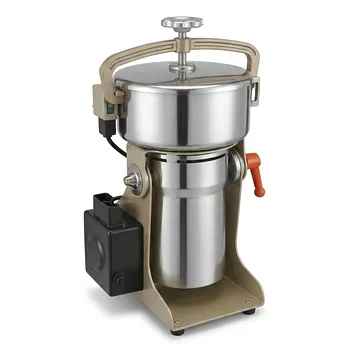
Multifunctional High Efficiency High Speed Laboratory Grinder
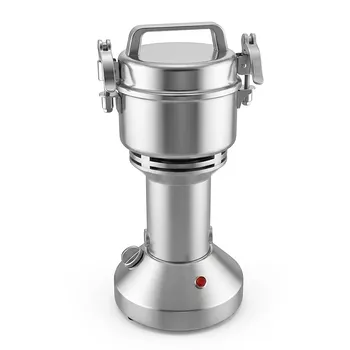
Small High Speed Upright Grinder for Laboratory Sample Preparation
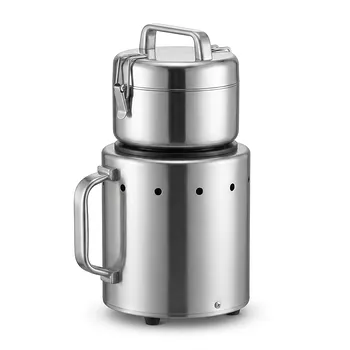
Small High Speed Grinder for Laboratory Sample Preparation
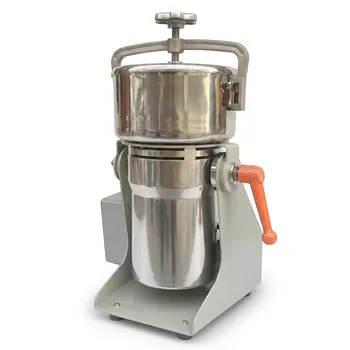
High Speed Laboratory Grinder Efficient Stainless Steel Powder Pulverizer Universal Material Science Mill for Sample Preparation
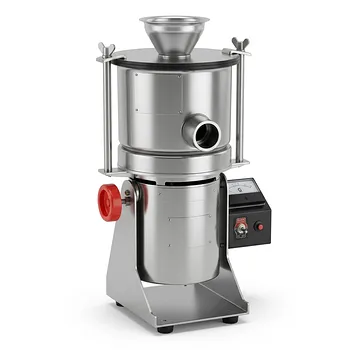
Laboratory Ultrafine Impact and Airflow Grinder for Precise Particle Size Control
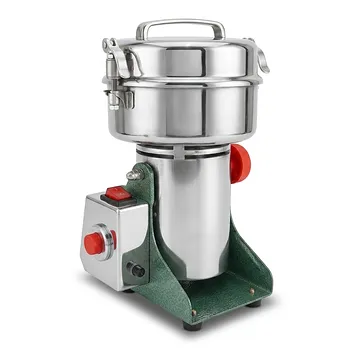
Small High-Speed Laboratory Grinder for Powder Processing
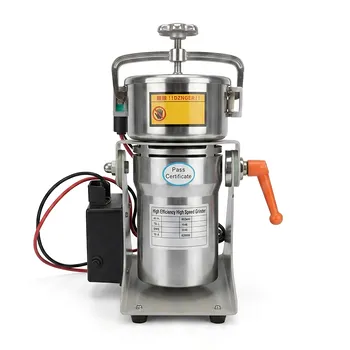
High Efficiency High Speed Grinder Laboratory Mill 1300W 25000rpm
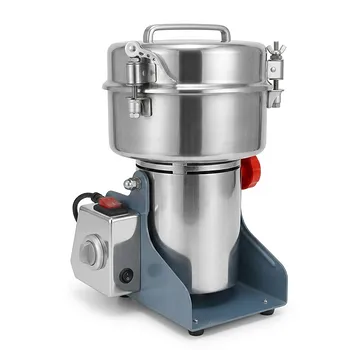
Small High-Speed Grinder for Efficient Laboratory Sample Preparation
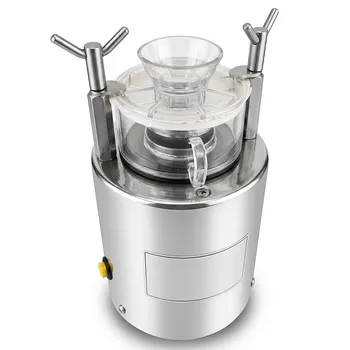
Laboratory Desktop Ultra Fine Powder Grinder High Speed Micronizing Pulverizer
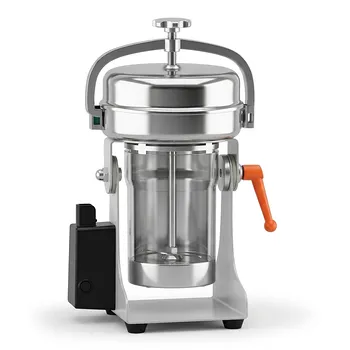
High Efficiency High Speed Grinder 2200W 25000 RPM Laboratory Sample Preparation
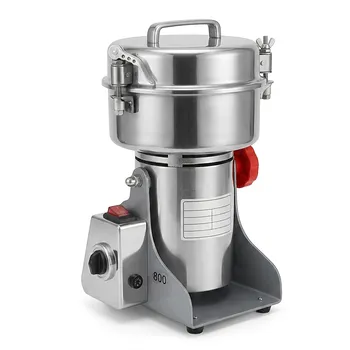
Small High-Speed Laboratory Grinder for Rapid Sample Preparation
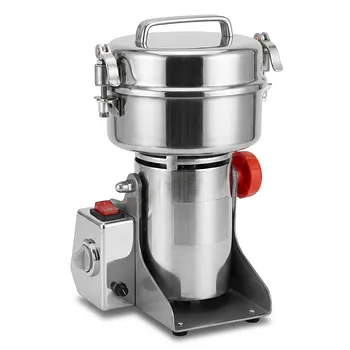
High Speed Laboratory Powder Grinder Small Batch Sample Preparation Mill
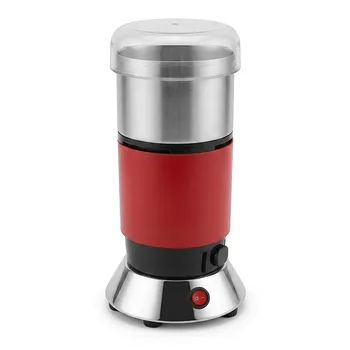
Micro Solid Sample Grinder High Speed Pulverizer for Laboratory Small Batch Grinding
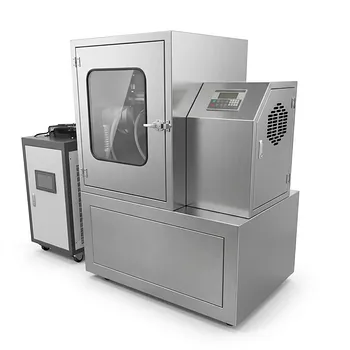
Vibratory Superfine Grinder for Ultra Fine Laboratory Powder Milling
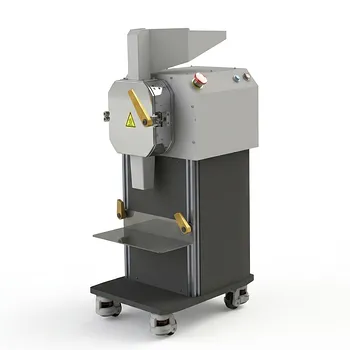
Small Laboratory Knife Crusher for Plastic Sample Preparation and Material Grinding
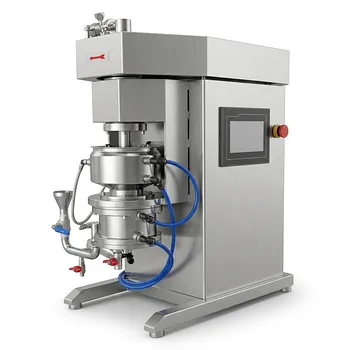
Small Ceramic Structure Laboratory Sand Mill Nanoscale Grinding Dispersion Equipment Seal-less Screen-less Design
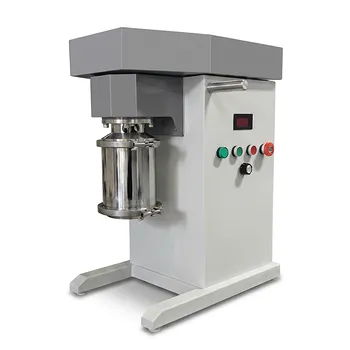
Nano Laboratory Bead Mill Desktop Sub Micron Sand Mill Screenless Seal Less Powder Grinder
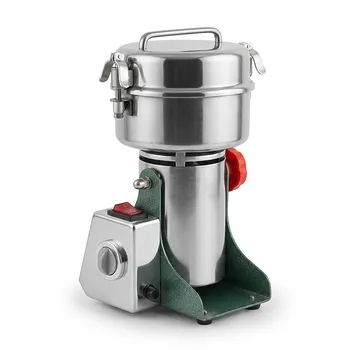
Small High-Speed Swing Grinder for Laboratory Sample Preparation
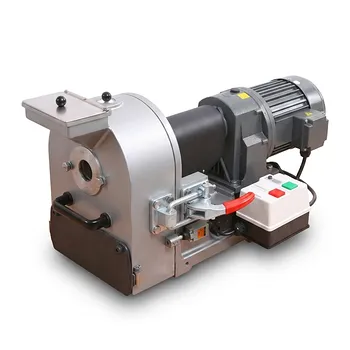
Laboratory Disc Mill for Fine Sample Preparation of Hard and Brittle Materials