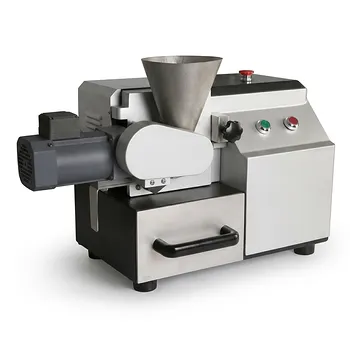
What is the role of laboratory grinding equipment in the preparation of waste glass powder for eco-friendly red bricks?
Updated 5 months ago
Laboratory grinding equipment transforms inert waste glass into a chemically active fine powder that serves as a vital binder and filler in eco-friendly red bricks. By utilizing mechanical impact and fine milling, these machines reduce waste glass chunks into particles with a high specific surface area, which is essential for activating the silica and alumina required for structural bonding during the brick-firing process.
The central role of laboratory grinding equipment is to facilitate "mechanical activation," where reducing particle size increases the surface area enough to trigger chemical reactions during sintering. This process ensures that waste glass functions not just as a filler, but as a reactive component that enhances the density, strength, and environmental safety of the finished brick.
Mechanical Transformation and Surface Area
Reducing Waste to Fine Feedstock
Laboratory-scale crushers and mills are the first step in the recycling chain, breaking down bulky waste glass containers into manageable fragments. These machines provide the precise control necessary to reach specific particle size distributions, often targeting powders with a d90 of less than 15 µm.
The Impact of Specific Surface Area
The primary goal of grinding is to maximize the specific surface area of the glass particles. A larger surface area allows for more thorough contact between the glass and the clay matrix, which is a fundamental prerequisite for effective chemical stabilization.
Chemical Activation and Sintering
Promoting Pozzolanic and Sintering Reactions
Waste glass contains high levels of SiO2 and Al2O3, which remain largely dormant in large fragments. Fine grinding activates these components, allowing them to participate in cementitious reactions and the uniform melting of the glass phase during high-temperature sintering.
Enhancing Structural Strength
As the finely ground glass powder reacts within the kiln, it facilitates chemical bonding throughout the brick body. This results in a denser internal structure, which directly improves the finished brick's compressive strength and reduces its overall permeability.
Ensuring Matrix Homogeneity
Achieving Uniform Mixing
Fine glass powder can be blended more effectively with ball clay than coarser glass sand. This homogeneity is critical for preventing "hot spots" or structural weak points, ensuring the glass acts as a consistent fluxing agent during the firing process.
Physical Filling and Density
Beyond chemical reactions, the fine particles act as a physical filler, occupying the microscopic voids within the clay matrix. This increases the initial "green body" density, which helps to minimize shrinkage and cracking during the drying and firing stages.
Understanding the Trade-offs
Energy Consumption vs. Reactivity
While finer grinding leads to higher reactivity and stronger bricks, it requires significantly higher energy inputs. Researchers must find the "sweet spot" where the powder is fine enough to be active but not so fine that the energy cost outweighs the environmental benefits of using recycled material.
Equipment Wear and Tear
Glass is highly abrasive, leading to rapid wear on grinding media and liners in laboratory equipment. This can introduce small amounts of contaminants into the sample and increases the maintenance overhead for the preparation process.
How to Optimize Glass Powder Preparation
Implementing Results in Your Project
To achieve the best results when integrating waste glass into eco-friendly bricks, the grinding process must be tailored to your specific performance goals.
- If your primary focus is Maximum Structural Strength: Utilize high-energy planetary ball mills to achieve the finest possible particle size, maximizing chemical reactivity.
- If your primary focus is Cost-Effective Recycling: Aim for a coarser "glass sand" distribution that balances moderate strength gains with lower energy consumption during the crushing phase.
- If your primary focus is Environmental Stabilization: Ensure precision milling to a d90 of <15 µm to provide sufficient physical sites for the immobilization of heavy metals.
By precisely controlling the mechanical reduction of waste glass, laboratory grinding equipment turns a disposal problem into a high-performance raw material for sustainable construction.
Summary Table:
| Role in Preparation | Technical Impact | Desired Outcome |
|---|---|---|
| Mechanical Reduction | Increases specific surface area | Higher chemical reactivity |
| Chemical Activation | Releases reactive SiO2 and Al2O3 | Enhanced sintering & bonding |
| Homogenization | Ensures uniform fluxing agent distribution | Prevents structural weak points |
| Physical Filling | Occupies voids in the clay matrix | Higher density & lower shrinkage |
Transform Waste into High-Performance Sustainable Materials
Ready to optimize your waste glass recycling process? We provide complete laboratory sample preparation solutions for material science, specializing in the precision equipment needed to turn raw waste into reactive feedstock.
Our extensive line includes everything you need for superior powder processing:
- Size Reduction: High-energy planetary ball mills, jet mills, and jaw/roll crushers for achieving target d90 fineness.
- Classification & Mixing: Sieve shakers and specialized powder/defoaming mixers to ensure matrix homogeneity.
- Compaction: A full spectrum of hydraulic presses, including Cold/Warm Isostatic Presses (CIP/WIP) and vacuum hot presses for durable sample forming.
Contact our experts today to find the perfect equipment configuration for your eco-friendly construction research and ensure maximum structural strength in your finished products.
References
- Irwinsyah Aprillio Putra Pratama, Shifa Fauziyah. Batu Bata Merah Ramah Lingkungan Menggunakan Bahan Campuran Abu Serbuk Kayu dan Serbuk Kaca. DOI: 10.14710/pilars.2.4.2024.1-8
Mentioned Products
- Multifunctional High Efficiency High Speed Laboratory Grinder
- Small High Speed Upright Grinder for Laboratory Sample Preparation
- Small High Speed Grinder for Laboratory Sample Preparation
- High Speed Laboratory Grinder Efficient Stainless Steel Powder Pulverizer Universal Material Science Mill for Sample Preparation
- Laboratory Ultrafine Impact and Airflow Grinder for Precise Particle Size Control
People Also Ask
- What role does a laboratory grinder play in the pretreatment of sunflower seed shell-based adsorbents? Boost Efficiency.
- How does a laboratory grinder or mill enhance the adsorption performance of agricultural waste materials? Boost Surface Area
- What is the function of laboratory grinding equipment in ZnO nanosphere sol-gel synthesis? Ensure Superior Particle Size
- Why use lab grinding for eggshell & husk carbon materials? Maximize Surface Area & Heat Transfer for Better Adsorption
- Why is grinding equipment necessary for SnO2-Sb2O3 xerogels? Maximize surface area and photocatalytic activity.

Tech Team · PowderPreparation
Last updated on May 14, 2026
Related Products
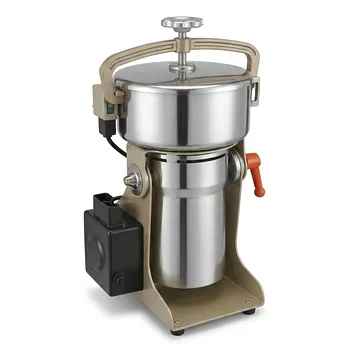
Multifunctional High Efficiency High Speed Laboratory Grinder
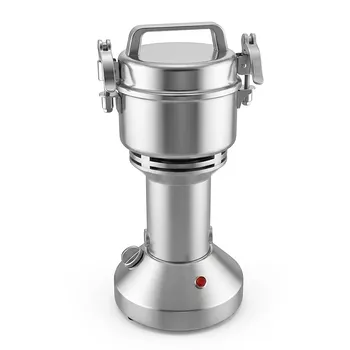
Small High Speed Upright Grinder for Laboratory Sample Preparation
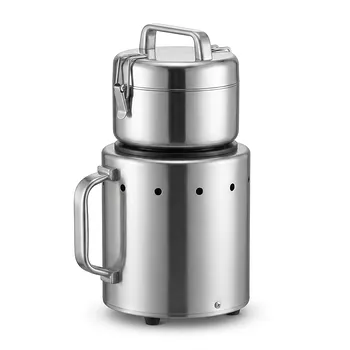
Small High Speed Grinder for Laboratory Sample Preparation
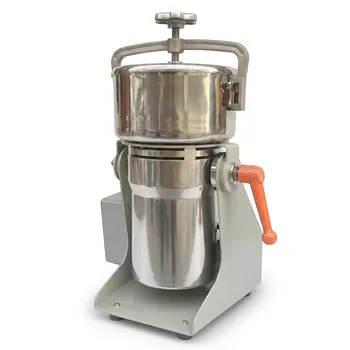
High Speed Laboratory Grinder Efficient Stainless Steel Powder Pulverizer Universal Material Science Mill for Sample Preparation
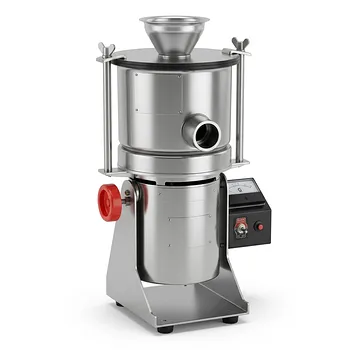
Laboratory Ultrafine Impact and Airflow Grinder for Precise Particle Size Control
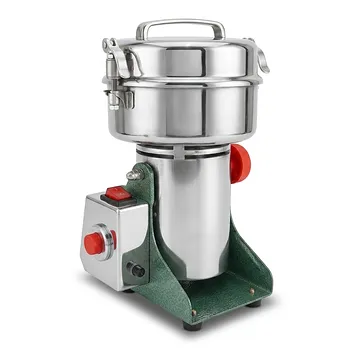
Small High-Speed Laboratory Grinder for Powder Processing
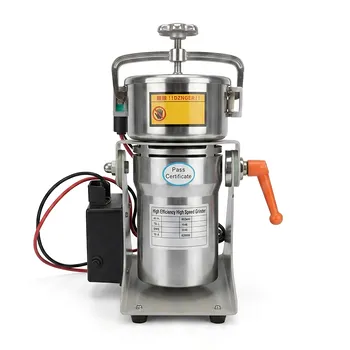
High Efficiency High Speed Grinder Laboratory Mill 1300W 25000rpm
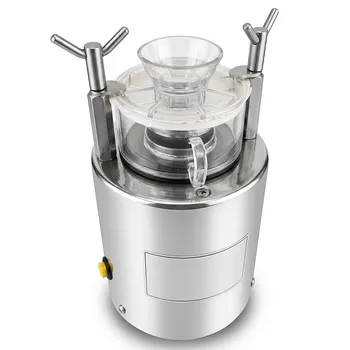
Laboratory Desktop Ultra Fine Powder Grinder High Speed Micronizing Pulverizer
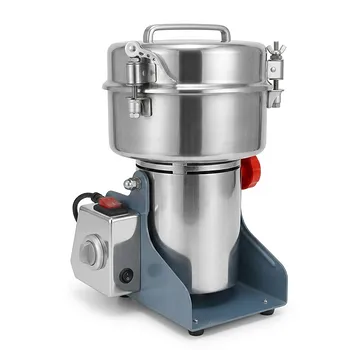
Small High-Speed Grinder for Efficient Laboratory Sample Preparation
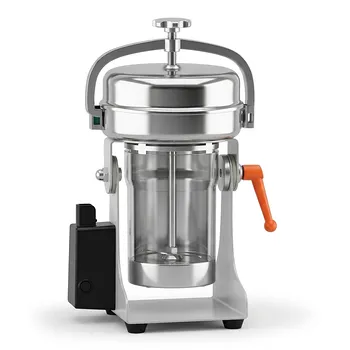
High Efficiency High Speed Grinder 2200W 25000 RPM Laboratory Sample Preparation
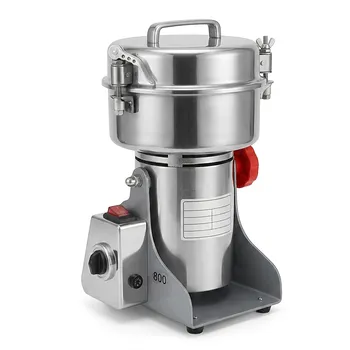
Small High-Speed Laboratory Grinder for Rapid Sample Preparation
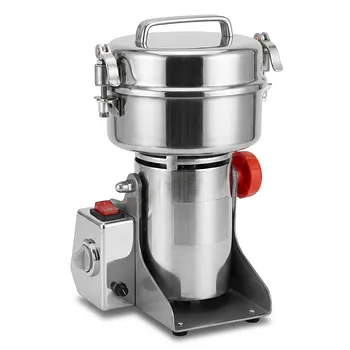
High Speed Laboratory Powder Grinder Small Batch Sample Preparation Mill
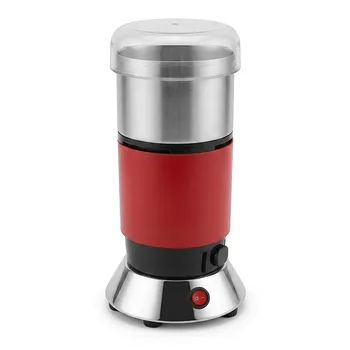
Micro Solid Sample Grinder High Speed Pulverizer for Laboratory Small Batch Grinding
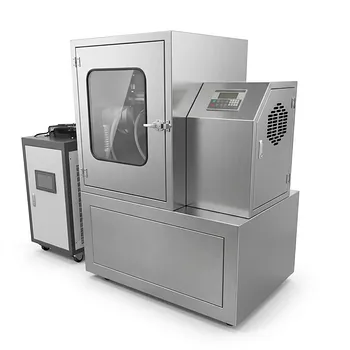
Vibratory Superfine Grinder for Ultra Fine Laboratory Powder Milling
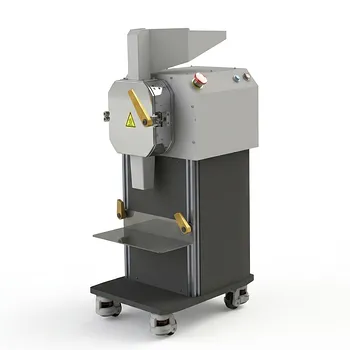
Small Laboratory Knife Crusher for Plastic Sample Preparation and Material Grinding
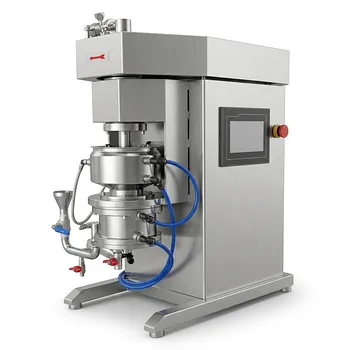
Small Ceramic Structure Laboratory Sand Mill Nanoscale Grinding Dispersion Equipment Seal-less Screen-less Design
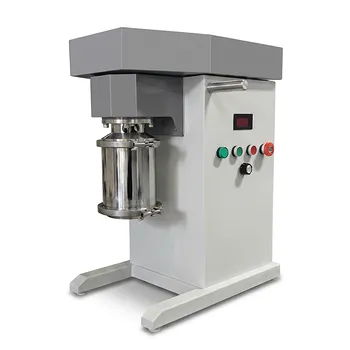
Nano Laboratory Bead Mill Desktop Sub Micron Sand Mill Screenless Seal Less Powder Grinder
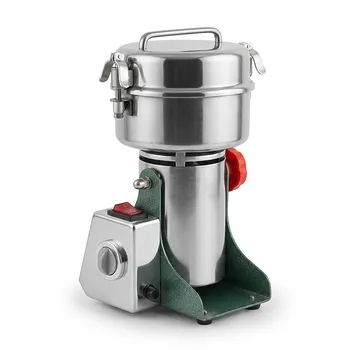
Small High-Speed Swing Grinder for Laboratory Sample Preparation
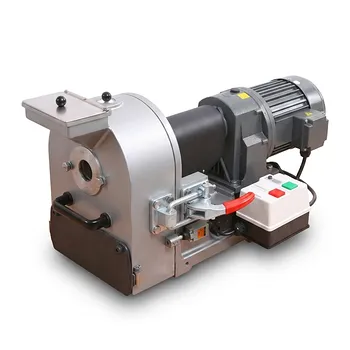
Laboratory Disc Mill for Fine Sample Preparation of Hard and Brittle Materials