Why use nitrogen for milling brass-doped cobalt antimonide? Prevent Oxidation & Ensure High Phase Purity
Updated 3 months ago
Ensuring material integrity during synthesis is paramount. High-purity nitrogen is required during the ball milling of brass-doped cobalt antimonide to prevent the oxidation of reactive metallic elements, which would otherwise compromise the material's chemical structure and thermoelectric performance.
Using an inert nitrogen atmosphere isolates the powder from oxygen and moisture, preventing unintended chemical reactions during high-energy collisions. This preservation of the stoichiometric ratio is essential for achieving the high phase purity required in advanced materials.
The Chemical Sensitivity of Precursor Materials
Antimony and Brass Oxidation Risks
Antimony and the metallic elements within brass (typically copper and zinc) are highly susceptible to oxidation when exposed to atmospheric air. If oxygen is present, these metals will react to form oxides, fundamentally changing the chemical makeup of the mixture.
High Surface Energy and Reactivity
As ball milling progresses, the powder is refined to the nanoscale, significantly increasing its specific surface area. These newly created "fresh" surfaces possess extremely high chemical activity and will bond almost instantly with oxygen or moisture if an inert environment is not maintained.
Preserving Metallic Activity
Maintaining the metallic or alloy phases of the precursor powders is critical for successful mechanical alloying. Nitrogen protection ensures that the elements remain in their active metallic state, allowing them to bond correctly rather than forming inert, non-conductive oxide layers.
Managing Thermal Effects of Ball Milling
Localized High Temperatures
High-energy ball milling relies on intense mechanical collisions that generate significant localized heat. This temperature spike acts as a catalyst, drastically increasing the rate of oxidation for metals like antimony if even trace amounts of oxygen are present in the jar.
Moisture Exclusion
In addition to oxygen, high-purity nitrogen excludes moisture from the milling environment. Moisture can lead to hydroxide formation or cause the powders to agglomerate, which prevents the uniform mixing and doping required for high-quality cobalt antimonide.
Maintaining Stoichiometric Precision
Thermoelectric materials rely on a precise stoichiometric ratio to function efficiently. Any loss of metallic antimony or brass components to oxidation shifts this ratio, leading to the formation of secondary phases that degrade the final product's performance.
Understanding the Trade-offs
Nitrogen vs. Argon Selection
While nitrogen is an excellent and cost-effective inert gas for many materials, it can occasionally react with certain elements to form nitrides. For most brass-doped cobalt antimonide applications, nitrogen is sufficient, but users must verify that no nitrogen-sensitive rare-earth dopants are present.
Gas Purity and Contamination
The use of "standard" nitrogen rather than high-purity (99.99%+) nitrogen can introduce trace oxygen that accumulates over long milling cycles. In high-energy environments, even parts-per-million levels of contamination can lead to detectable oxide impurities in the final nano-powder.
Seal Integrity and Pressure
Simply filling a jar with nitrogen is insufficient if the seal integrity is compromised. Mechanical alloying creates internal pressure changes; if the jar is not properly vacuum-sealed and backfilled, atmospheric air can be "sucked" in during cooling phases or through centrifugal force.
Optimizing the Milling Environment
When preparing your laboratory ball milling process, consider the specific requirements of your doped material to ensure the highest possible phase purity.
- If your primary focus is phase purity: Utilize a glovebox for loading and sealing the jars to ensure the nitrogen environment is established before any exposure to air occurs.
- If your primary focus is thermoelectric efficiency: Prioritize high-purity nitrogen (5.0 grade or higher) to prevent trace oxide layers from increasing the electrical resistivity of the sintered sample.
- If your primary focus is process repeatability: Standardize the vacuum-purge cycles (e.g., three cycles of vacuum followed by nitrogen backfilling) to ensure a consistent inert atmosphere across all batches.
Controlling the atmosphere within the milling jar is not merely a safety precaution, but a fundamental requirement for synthesizing high-performance thermoelectric alloys.
Summary Table:
| Factor | Risk Without Nitrogen | Benefit of Nitrogen Protection |
|---|---|---|
| Oxidation | Metals (Sb, Cu, Zn) form inert oxides | Preserves active metallic state |
| Surface Energy | Nano-powders react with air instantly | Protects high-activity "fresh" surfaces |
| Thermal Impact | Localized heat catalyzes chemical decay | Maintains stability during energy spikes |
| Stoichiometry | Shifts in elemental ratios and phases | Ensures precise material composition |
| Purity | Moisture leads to agglomeration/hydroxides | Guarantees dry, uniform powder mixing |
Elevate Your Material Synthesis with Professional Lab Solutions
Precision in powder processing is the difference between a breakthrough and a failed experiment. Our team provides complete laboratory sample preparation solutions tailored for advanced material science. Whether you are synthesizing thermoelectric alloys or refining ceramics, we offer the specialized equipment you need:
- High-Energy Milling: Planetary ball mills, jet mills, and cryogenic grinders for nanoscale refinement.
- Powder Processing: Sieve shakers, powder mixers, and high-shear defoaming mixers.
- Advanced Compaction: A full spectrum of hydraulic presses, including Cold/Warm Isostatic Presses (CIP/WIP), hot presses, and vacuum hot presses.
- Sample Prep: Robust jaw and roll crushers for primary reduction.
Ensure your materials maintain stoichiometric integrity and peak performance. Contact our technical experts today to discuss your specific application and find the perfect equipment configuration for your lab.
References
- Dan Zhao, Run Huang. Unveiling Brass-Doped CoSb3-Based Thermoelectric Materials Using Solid-State Reaction. DOI: 10.3390/ma18173928
Mentioned Products
- High Energy Omnidirectional Planetary Ball Mill 16L
- High Energy Omnidirectional Planetary Ball Mill 20L
- Single Tank High Energy Vibratory Ball Mill for Laboratory Grinding and Mixing
- Dual Station Planetary Ball Mill 24L
- Vertical Semi Circular Planetary Ball Mill for Laboratory Precision Grinding
People Also Ask
- What role does an omni-directional planetary ball mill play in brass/cobalt antimonide pretreatment? Achieve Nano-Scale Homogeneity.
- What is the role of a high-energy planetary ball mill in Li2ZrO3 and LBS prep? Achieve Superior Electrolyte Density
- What role does a high-energy planetary ball mill play in processing quenched bioactive glass? Achieve Nano-Scale Precision
- What role does a planetary ball mill play in nano-mineral filler prep? Achieve Sub-100nm Precision & Performance
- What role does a high-energy planetary ball mill play in magnesium-based hydrogen storage alloy preparation?

Tech Team · PowderPreparation
Last updated on Jun 03, 2026
Related Products
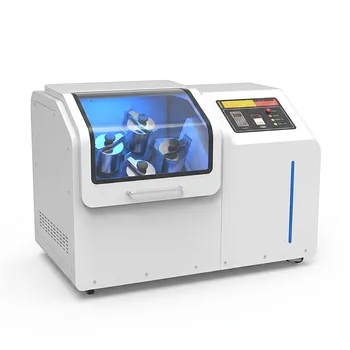
High Energy Omnidirectional Planetary Ball Mill 16L
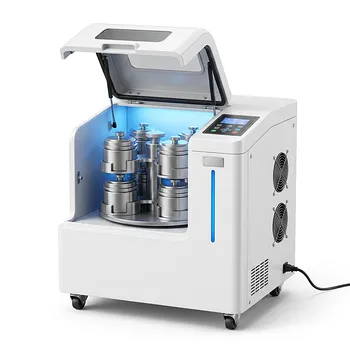
High Energy Omnidirectional Planetary Ball Mill 20L
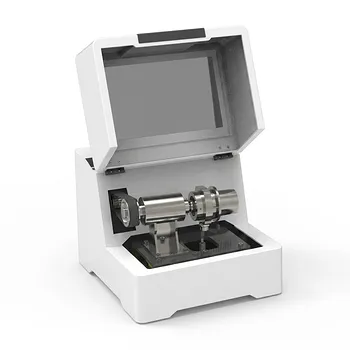
Single Tank High Energy Vibratory Ball Mill for Laboratory Grinding and Mixing
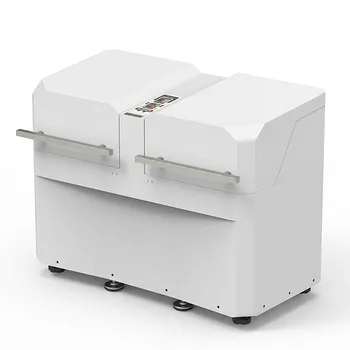
Dual Station Planetary Ball Mill 24L
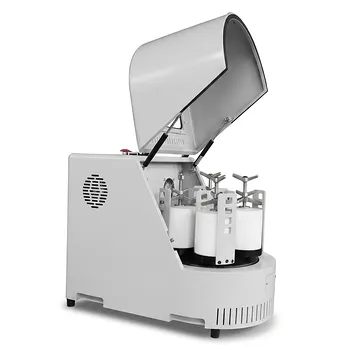
Vertical Semi Circular Planetary Ball Mill for Laboratory Precision Grinding
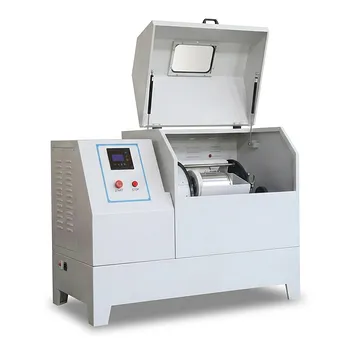
Heavy Duty Horizontal Planetary Ball Mill for Efficient Industrial Grinding and Sample Preparation

8L Planetary Ball Mill for Laboratory Grinding and Sample Preparation
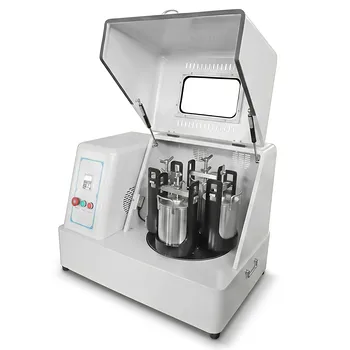
Vertical Square Planetary Ball Mill for Laboratory Sample Preparation and Nanoscale Grinding
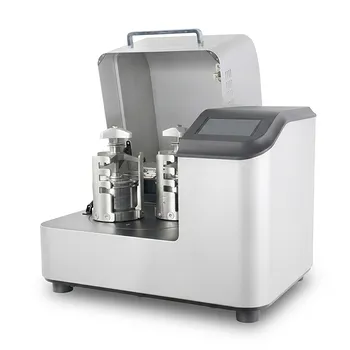
High Energy Planetary Ball Mill for Nano Scale Grinding and Mechanical Alloying

High Throughput Micro Ball Mill for Cryogenic Grinding and Laboratory Cell Disruption

Multi-Platform Nanoscale High-Energy Vibratory Ball Mill
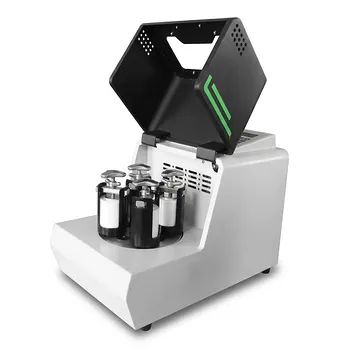
Miniature Planetary Ball Mill with Vacuum Grinding and High Efficiency for Laboratory Sample Preparation
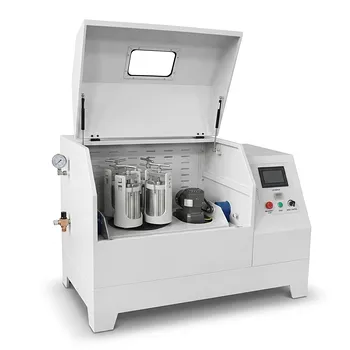
Vertical Production Planetary Ball Mill for High Throughput Powder Processing
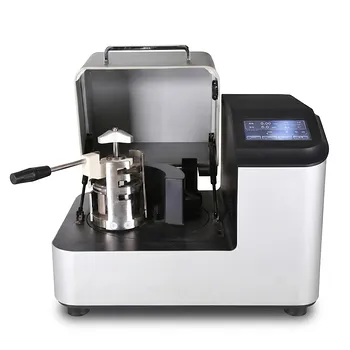
High Energy Laboratory Planetary Ball Mill for Nano Grinding and Material Science Sample Preparation
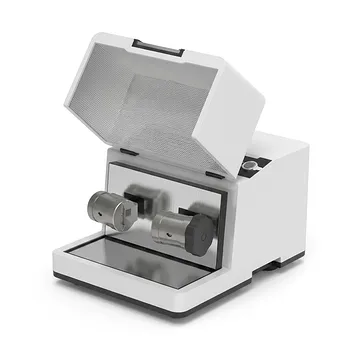
Heating Temperature Controlled High Energy Vibratory Ball Mill
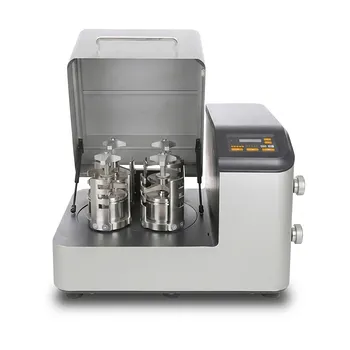
High Energy Planetary Ball Mill for Nano Scale Grinding and Colloidal Mixing in Material Science Research
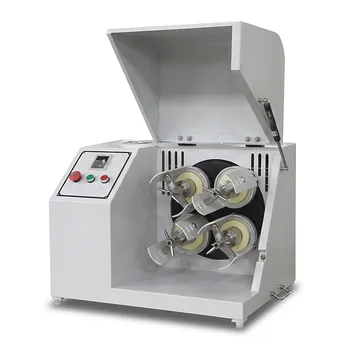
Horizontal Light Duty Planetary Ball Mill for Laboratory Sample Preparation

High Energy Hybrid Vibratory Ball Mill for Grinding Mixing and Cell Disruption
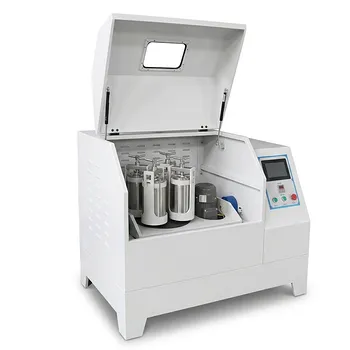
360° Rotating Omnidirectional Laboratory Planetary Ball Mill for Homogeneous Ultra-Fine Grinding and Mixing