Why are specialized cylindrical molds and compaction processes necessary for wet packing density testing? Ensure Accuracy
Updated 4 months ago
Specialized cylindrical molds and compaction processes are essential because they provide a controlled, fixed volume and eliminate air voids that would otherwise skew density measurements. By applying standardized mechanical force within a precise geometric container, testers can achieve the material's most densely packed state, transforming loose powder into a measurable, consistent specimen.
Measuring wet packing density requires the elimination of manual variability and "random" air pockets. Specialized tools ensure that the resulting data reflects the material’s inherent physical limits rather than the inconsistencies of the testing environment.
Defining Volume and Eliminating Geometric Error
The Role of Precision Cylindrical Molds
To calculate density, the volume of the material must be known with absolute certainty. Specialized cylindrical molds, such as those with a 70 cm³ capacity, provide a rigid, non-deformable boundary that allows for an accurate mass-to-volume ratio calculation.
Minimizing Edge Effects and Wall Friction
The geometry of a cylinder is specifically chosen to minimize the influence of "edge effects" where particles meet the container wall. This ensures that the packing efficiency measured in the center of the mold is representative of the material's behavior in larger, industrial-scale applications.
Achieving the Maximum Packing State
The Necessity of Controlled Mechanical Pressure
Loose powder particles naturally trap air, which significantly inflates volume and lowers density readings. Using a hydraulic press or standardized compaction tools applies industrial-grade pressure to force particles into their tightest possible configuration, simulating real-world conditions.
Simulating Practical Material Applications
In industries like concrete production or wood powder processing, materials are rarely used in a loose state. Specialized compaction ensures that the test specimen mimics the tight bonding and compact state found in final products, such as high-density concrete or thermal insulation discs.
Ensuring Data Comparability and Repeatability
Eliminating Randomness via Layered Compaction
Processing materials in layers using specialized tools allows for precise control over the initial dry density and porosity. This systematic approach removes the human error typically associated with manual pouring or shaking, which can lead to inconsistent results.
Standardizing Results Across Experimental Groups
For research to be valid, different samples—such as limestone powder versus fly ash—must be tested under identical conditions. Standardized compaction processes ensure that the initial state of every sample is highly comparable, making the resulting data on variables like surface roughness or thermal conductivity reliable.
Understanding the Trade-offs and Pitfalls
The Risk of Particle Degradation
While high pressure is necessary to reach maximum density, excessive force can lead to grain breakage or crushing. If the compaction pressure exceeds the structural integrity of the powder particles, the test will measure a "crushed density" rather than a true packing density.
Moisture Sensitivity in Wet Packing
The "wet" element of the test introduces a critical variable: the water-to-powder ratio. If the compaction process is not calibrated to the specific moisture content, the water can act as a lubricant that aids packing or as a hydraulic barrier that prevents further densification.
How to Apply These Principles to Your Testing
Selecting the right equipment depends entirely on the material properties you are investigating and the intended use of the data.
- If your primary focus is reducing concrete porosity: Use specialized 70 cm³ cylindrical molds to quantify the packing efficiency of mineral admixtures like fly ash.
- If your primary focus is measuring thermal conductivity: Utilize a hydraulic press with circular molds to ensure consistent particle bonding and a fixed disc shape for the sensors.
- If your primary focus is high-precision research comparability: Implement a layered compaction process to eliminate loading randomness and stabilize the initial dry density across all test groups.
By mastering the interface between mechanical force and geometric containment, you ensure your density data is a true reflection of material performance.
Summary Table:
| Feature | Function in Testing | Key Benefit |
|---|---|---|
| Precision Cylindrical Molds | Provides a rigid, non-deformable volume (e.g., 70 cm³) | Eliminates geometric error and minimizes wall friction. |
| Mechanical Compaction | Applies standardized hydraulic force to the specimen | Removes random air pockets to reach maximum packing state. |
| Layered Processing | Systematic material loading in controlled stages | Ensures data repeatability and eliminates manual loading variability. |
| Hydraulic Pressing | Simulates industrial-grade pressure conditions | Mimics real-world bonding for concrete or insulation materials. |
Optimize Your Material Analysis with Precision Preparation Solutions
Achieving accurate wet packing density data requires more than just a test—it requires the right equipment to eliminate variables. At [Your Brand Name], we provide complete laboratory sample preparation solutions for material science, specializing in high-performance powder processing and compaction equipment.
Whether you are refining concrete porosity or measuring thermal conductivity, our extensive line includes:
- Powder Processing: Crushers (jaw/roll), liquid nitrogen cryogenic grinders, and advanced mills (planetary ball, jet, sand/bead, disc, rotor).
- Sieving & Mixing: Vibratory/air-jet sieve shakers and high-efficiency powder or defoaming mixers.
- Advanced Compaction: A full spectrum of hydraulic presses, including Cold/Warm Isostatic Presses (CIP/WIP), vacuum hot presses, and specialized XRF pellet presses.
Ready to elevate your research accuracy? Contact our experts today to find the perfect compaction solution for your laboratory needs.
References
- Petra Štefanec, Šime Pulić. IMPACT OF FLUIDIZED BED FLY ASH ON STRENGTH DEVELOPMENT OF SELF-COMPACTING CONCRETE. DOI: 10.3311/ccc2023-016
Mentioned Products
- 6 Ton Variable Frequency Single Punch Tablet Press
- Industrial Swing Granulator for Powder Processing in Pharma Food and Chemical Industries
- Small Swing Granulator Efficient Powder Granulation for Pharmaceutical Chemical Food Industries
- Vertical Production Planetary Ball Mill for High Throughput Powder Processing
- V-Type Powder Mixer for Uniform Blending of Dry Powders and Granules
People Also Ask
- Why is a laboratory hydraulic press required for FT-IR KBr pellets? Achieve Precise Sample Clarity for ZrC–SiC Analysis
- Why is vacuum sealing and flexible packaging necessary for Aluminum Titanate powders during CIP? Ensure Peak Density
- What are the advantages of using hardened steel molds and graphite spray for titanium powder? Ensure structural integrity
- Why is a laboratory hydraulic press required to compress oyster shell powder before XRF analysis? Improve Data Accuracy.
- What role does a high-strength stainless steel mold kit play in the uniaxial die compaction process? Ensuring Precision

Tech Team · PowderPreparation
Last updated on Jun 03, 2026
Related Products
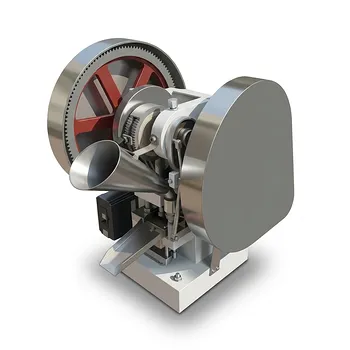
6 Ton Variable Frequency Single Punch Tablet Press
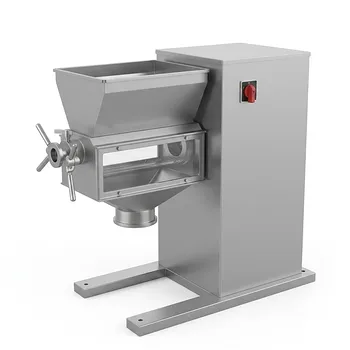
Industrial Swing Granulator for Powder Processing in Pharma Food and Chemical Industries
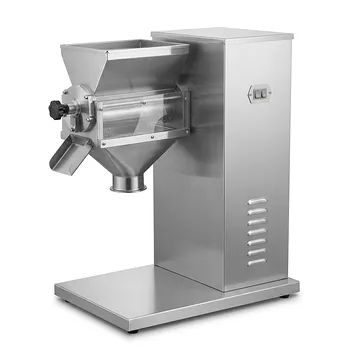
Small Swing Granulator Efficient Powder Granulation for Pharmaceutical Chemical Food Industries
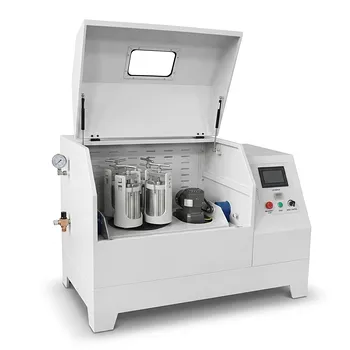
Vertical Production Planetary Ball Mill for High Throughput Powder Processing
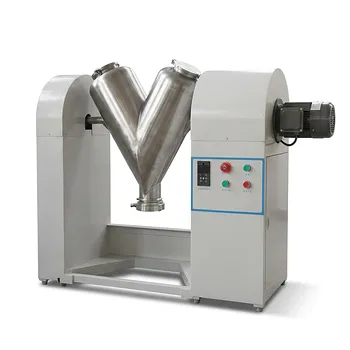
V-Type Powder Mixer for Uniform Blending of Dry Powders and Granules
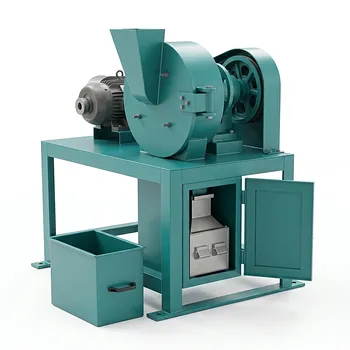
Sealed Disc Pulverizer Customized Model
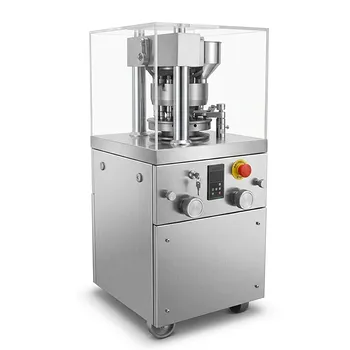
Ordinary Type Rotary Tablet Press for Pharmaceutical Chemical Food Electronic Industries
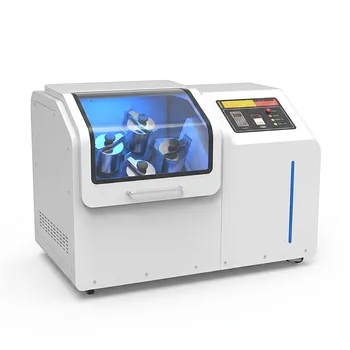
High Energy Omnidirectional Planetary Ball Mill 16L
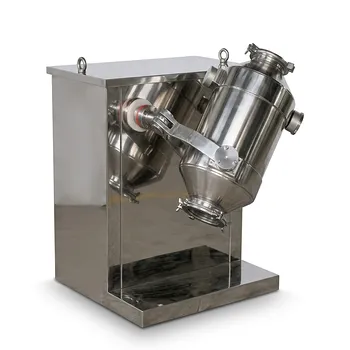
Three-Dimensional Motion Mixer for Laboratory Powder and Granule Blending
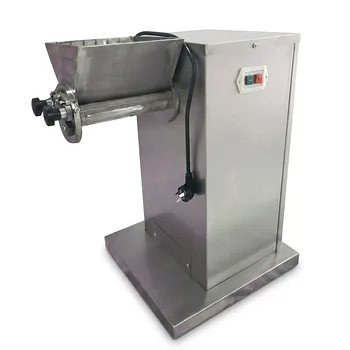
Small Laboratory Oscillating Granulator for Wet and Dry Granulation Processing
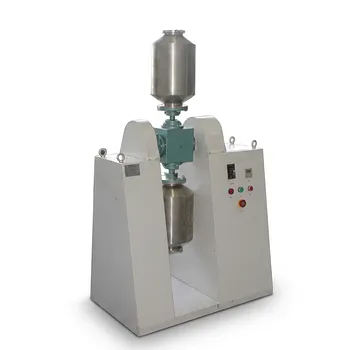
Multi Dimensional Universal Mixer for High Uniformity Powder Blending
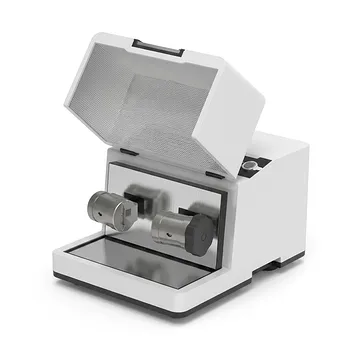
Heating Temperature Controlled High Energy Vibratory Ball Mill
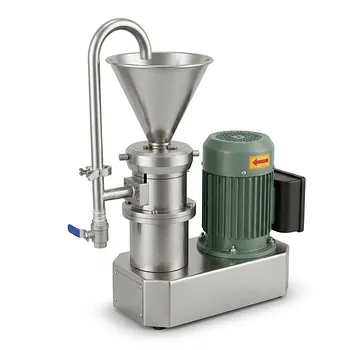
Small Laboratory Colloid Mill for Ultra-Fine Wet Grinding and Emulsification
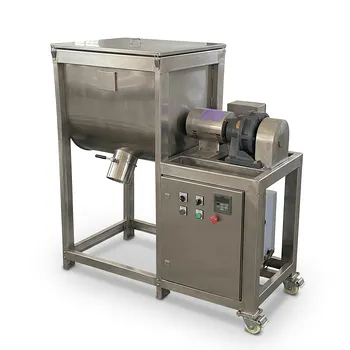
Horizontal Ribbon Mixer for Dry Powder and Slurry Blending
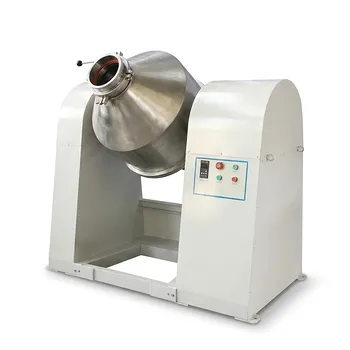
Industrial Double Cone Mixer for Powder Blending and Homogeneous Mixing
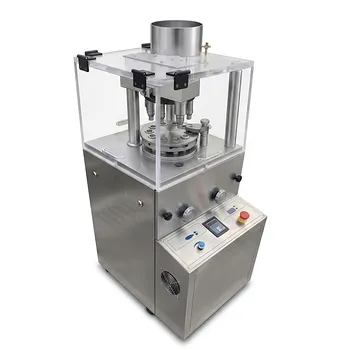
Enhanced 9 Punch Rotary Tablet Press for Powder Compaction
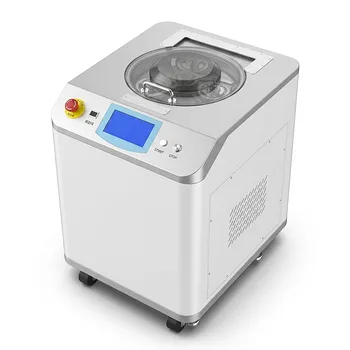
Dual Cup Vacuum Centrifugal Mixer Planetary Paste Defoaming Machine Industrial Material Processor
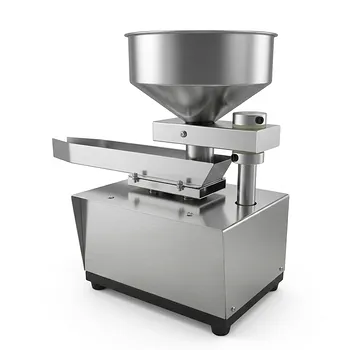
Automatic Vibrating Powder Feeder for Laboratory Material Processing Precision Vibratory Hopper Feeder for Granular and Powder Material Handling Industrial Grade Vibrating Tray Feeder for Consistent Material Sample Preparation
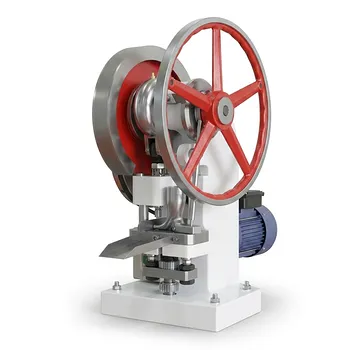
5 Ton Single Punch Tablet Press Laboratory Small Batch Production