Why is a laboratory hydraulic press required for FT-IR KBr pellets? Achieve Precise Sample Clarity for ZrC–SiC Analysis
Updated 4 months ago
A laboratory hydraulic press is indispensable for FT-IR analysis because it transforms a granular mixture of potassium bromide (KBr) and ceramic precursor into a solid, transparent disc. This device applies several tons of stable pressure to eliminate internal voids and fuse particles together at a molecular level. Without this specific sample preparation, the infrared beam cannot effectively penetrate the material, rendering the characterization of chemical bonds impossible.
Core Takeaway: To analyze ZrC–SiC ceramic precursors, samples must be converted into ultra-thin, transparent pellets that allow infrared radiation to pass through without interference. The hydraulic press provides the extreme, uniform pressure necessary to achieve this optical clarity and reveal the precursor’s molecular structure.
The Physics of High-Pressure Pelletization
Achieving Optical Transparency
The primary goal of using a hydraulic press is to create a pellet that is optically transparent. High pressure—often reaching several tons—compresses the KBr matrix and the ZrC–SiC precursor into an ultra-thin disc. This transparency is a physical prerequisite for the infrared beam to penetrate the sample and reach the detector.
Inducing Plastic Deformation
Under the extreme force of the press, KBr powder undergoes plastic deformation. This process causes the solid particles to bond tightly through intermolecular forces, eliminating the air pockets typically found in loose powder. The resulting solid disc acts as a clear window for the spectrometer.
Minimizing Light Scattering
Loose powders or poorly compressed pellets cause significant light scattering, which degrades the quality of the spectral data. By using a precision mold and stable pressure, the press ensures a smooth surface and uniform thickness. This minimizes interference and allows the FT-IR spectrometer to produce a high signal-to-noise ratio.
Structural Characterization of ZrC–SiC Precursors
Identifying Key Functional Groups
ZrC–SiC precursors contain complex molecular structures that must be verified during synthesis. The hydraulic press allows for the clear detection of absorption peaks for triazole rings, silicon-hydrogen (Si–H) bonds, and benzene rings. These peaks provide the "fingerprint" necessary to confirm the successful formation of the precursor.
Analyzing Thermal Transformation
As ceramic precursors are processed, their molecular vibration levels change. High-quality KBr pellets allow researchers to track these thermal transformations by observing shifts in characteristic spectra. This level of detail is only possible when the sample is prepared with consistent density and thickness.
Ensuring Data Accuracy
Precise pressure application ensures that the sample is distributed uniformly throughout the KBr matrix. This uniformity prevents "dark spots" where the sample might be too thick for the IR beam to pass through. Consequently, the resulting data accurately reflects the molecular vibration levels of the entire sample.
Understanding the Trade-offs and Pitfalls
The Risk of Excessive Pressure
While high pressure is required, exceeding the structural limits of the mold or the material can be counterproductive. Applying too much force can cause the pellet to crack or become cloudy upon release from the press. Maintaining a stable, specific pressure—often around 5 t/cm²—is critical for consistency.
Managing Atmospheric Moisture
Potassium Bromide is hygroscopic, meaning it readily absorbs moisture from the air. If the pressing process is too slow or performed in high humidity, water vapor can become trapped in the pellet. This results in broad O-H absorption peaks that can mask the important functional groups of the ZrC–SiC precursor.
Proper Sample-to-Matrix Ratios
The ratio of the ceramic precursor to KBr must be carefully managed, typically using only trace amounts of the sample. If the concentration is too high, the pellet will remain opaque regardless of the pressure applied. Finding the balance between sample volume and transparency is key to a successful characterization.
Applying This to Your Characterization Project
Recommendations for Effective Sample Preparation
- If your primary focus is molecular verification: Ensure the hydraulic press applies at least 5-10 tons of pressure to capture clear peaks for triazole and Si-H bonds.
- If your primary focus is spectral clarity: Use a precision die and ensure the KBr powder is completely dry to minimize light scattering and moisture interference.
- If your primary focus is quantitative analysis: Maintain a strict, repeatable sample-to-KBr ratio and consistent pellet thickness for every test.
By mastering the use of the laboratory hydraulic press, you ensure that your FT-IR analysis provides the high-fidelity data required to advance the development of high-performance ZrC–SiC ceramics.
Summary Table:
| Key Requirement | Role in Pelletization | Impact on FT-IR Characterization |
|---|---|---|
| High Pressure (5-10t) | Induces plastic deformation of KBr | Eliminates light scattering for a clear signal-to-noise ratio |
| Optical Transparency | Creates a solid, window-like disc | Allows the infrared beam to penetrate the sample effectively |
| Molecular Fusion | Bonds KBr and precursor particles | Enables detection of triazole rings and Si–H functional groups |
| Uniform Thickness | Ensures consistent sample density | Prevents "dark spots" and ensures quantitative data accuracy |
Elevate Your Material Research with Precision Sample Preparation
Success in FT-IR characterization and material science begins with flawless sample preparation. At [Insert Brand Name], we provide complete laboratory solutions designed to transform raw powders into high-fidelity analytical samples.
Our extensive expertise in powder processing and compaction ensures you achieve the optical clarity and molecular precision required for advanced materials like ZrC–SiC ceramic precursors. Our specialized equipment line includes:
- Hydraulic Presses: A full spectrum of standard lab presses, XRF/FT-IR pellet presses, Cold/Warm Isostatic Presses (CIP/WIP), and Vacuum Hot Presses.
- Powder Processing: High-efficiency crushers, liquid nitrogen cryogenic grinders, and various mills (planetary ball, jet, and disc).
- Particle Analysis & Mixing: Sieve shakers, powder mixers, and vacuum defoaming mixers for uniform matrix distribution.
Ready to optimize your lab's workflow? Contact our technical experts today to find the perfect hydraulic press or milling solution tailored to your research needs!
References
- Fabien Bouzat, Florence Babonneau. Formation of ZrC–SiC Composites from the Molecular Scale through the Synthesis of Multielement Polymers. DOI: 10.3390/ma14143901
Mentioned Products
- 6 Ton Variable Frequency Single Punch Tablet Press
- 5 Ton Single Punch Tablet Press Laboratory Small Batch Production
- 6-Ton Small Single-Punch Tablet Press — Laboratory Powder & Granule Tableting Equipment / Tablet Forming Machine
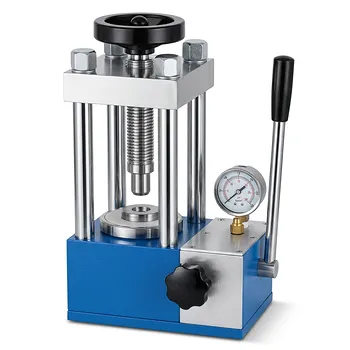
- Manual Tablet Press with Dual Scale Pressure Gauge for Pharmaceutical Food Chemical Laboratory Sample Preparation
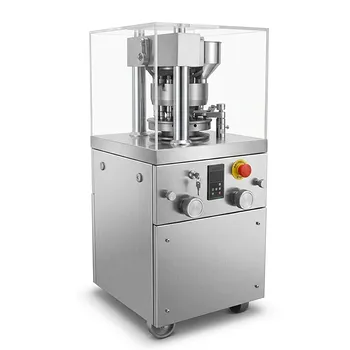
- Ordinary Type Rotary Tablet Press for Pharmaceutical Chemical Food Electronic Industries
People Also Ask
- Why is vacuum sealing and flexible packaging necessary for Aluminum Titanate powders during CIP? Ensure Peak Density
- What are the advantages of using hardened steel molds and graphite spray for titanium powder? Ensure structural integrity
- Why is a laboratory hydraulic press required to compress oyster shell powder before XRF analysis? Improve Data Accuracy.
- What role does a high-strength stainless steel mold kit play in the uniaxial die compaction process? Ensuring Precision
- What purpose does a manual hydraulic press serve in the molding of ceramic water filters? Optimize Density & Porosity

Tech Team · PowderPreparation
Last updated on May 14, 2026
Related Products
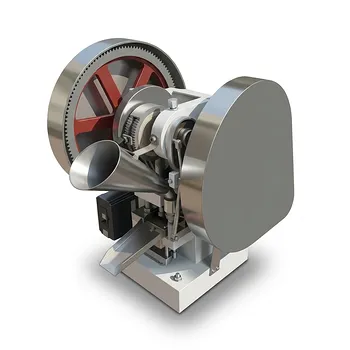
6 Ton Variable Frequency Single Punch Tablet Press
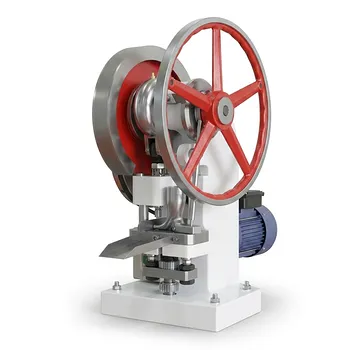
5 Ton Single Punch Tablet Press Laboratory Small Batch Production
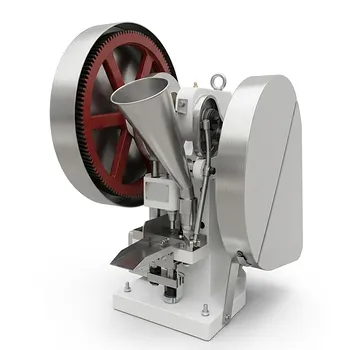
6-Ton Small Single-Punch Tablet Press — Laboratory Powder & Granule Tableting Equipment / Tablet Forming Machine
Manual Tablet Press with Dual Scale Pressure Gauge for Pharmaceutical Food Chemical Laboratory Sample Preparation
Ordinary Type Rotary Tablet Press for Pharmaceutical Chemical Food Electronic Industries
Enhanced 9 Punch Rotary Tablet Press for Powder Compaction
Small Swing Granulator Efficient Powder Granulation for Pharmaceutical Chemical Food Industries
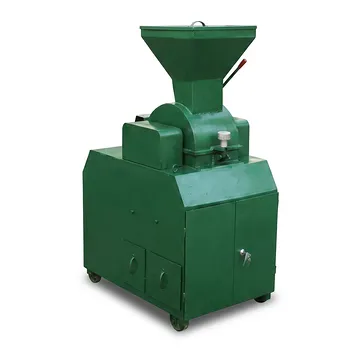
Industrial Sealed Hammer Knife Crusher for Mining Ore and Coal Sample Preparation
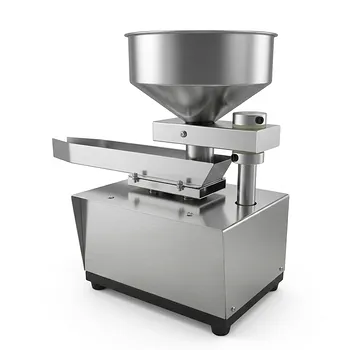
Automatic Vibrating Powder Feeder for Laboratory Material Processing Precision Vibratory Hopper Feeder for Granular and Powder Material Handling Industrial Grade Vibrating Tray Feeder for Consistent Material Sample Preparation
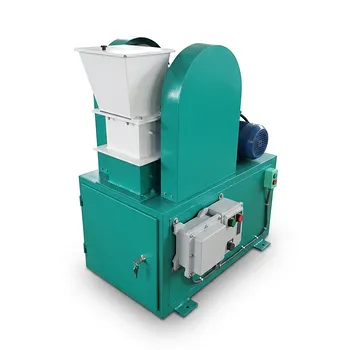
Custom Explosion-Proof Sealed Jaw Crusher for Laboratory and Industrial Sample Preparation
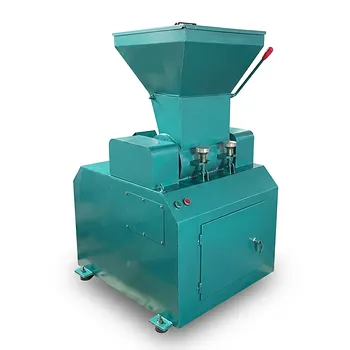
Sealed Hammer Crusher for Laboratory Coal Sample Preparation Adjustable Output Size
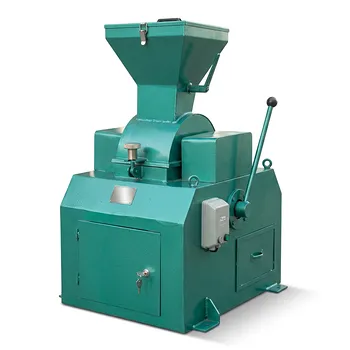
Laboratory Sealed Hammer Blade Crusher Divider for High Hardness Sample Preparation
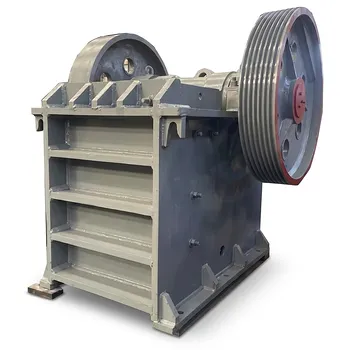
Heavy-Duty Jaw Crusher for Medium-Hard Ore and Industrial Mineral Crushing
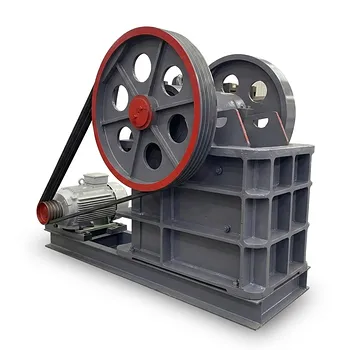
250x400mm Jaw Crusher Medium Crushing Equipment for Mining Mineral Sample Preparation
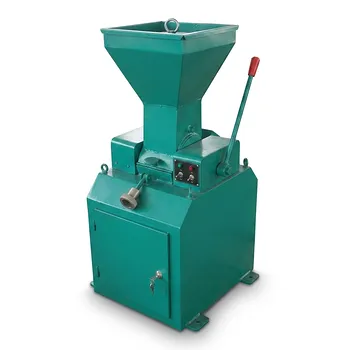
Laboratory Sealed Hammer Crusher for Coal and Mineral Sample Preparation
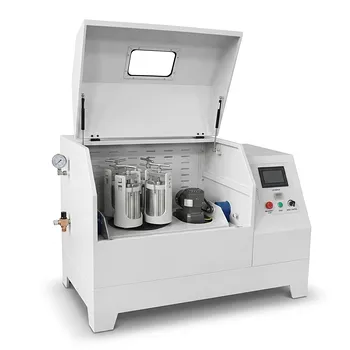
Vertical Production Planetary Ball Mill for High Throughput Powder Processing
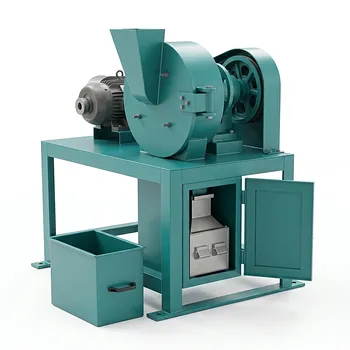
Sealed Disc Pulverizer Customized Model
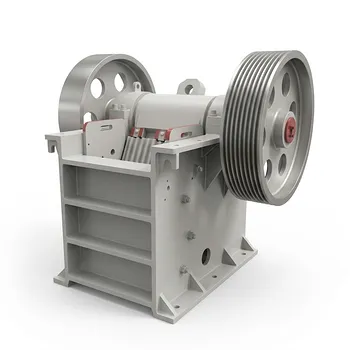
Jaw Crusher with 400x600mm Feed Opening for Primary Rock Crushing in Mining and Construction
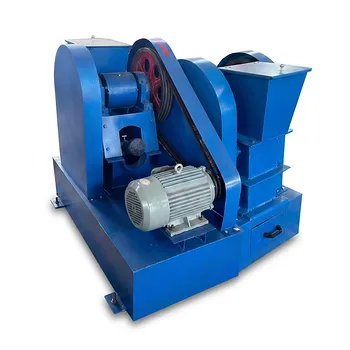
Horizontal Jaw Crusher Medium Hard Material Crushing Laboratory Sample Preparation Equipment