What role does a high-strength stainless steel mold kit play in the uniaxial die compaction process? Ensuring Precision
Updated 5 months ago
A high-strength stainless steel mold kit acts as the high-rigidity pressure vessel essential for transforming loose powders into solid forms. By providing a constrained, closed cavity, the kit ensures that extreme axial loads are converted into material densification rather than tool deformation.
The mold kit serves as the structural foundation of the uniaxial die compaction process, maintaining precise geometric tolerances while resisting the massive radial forces generated during powder compression.
The Role of High Rigidity in Powder Densification
Creating a Constrained Compression Environment
The primary function of the mold kit is to provide a high-rigidity closed cavity that dictates the final shape of the material. This confinement is what allows loose powder to be consolidated into a coherent tablet with specific geometries, such as a 13 mm diameter.
Resisting Radial Deformation
During uniaxial compaction, the powder exerts significant outward pressure against the die walls. A high-strength stainless steel kit is designed to withstand axial pressures of up to 188.35 MPa without undergoing radial expansion, ensuring the tablet maintains a uniform diameter.
Mechanics of the Consolidation Process
Facilitating Vertical Rearrangement and Breakage
Because the mold walls are immobile, the applied force is directed entirely toward the vertical rearrangement of powder particles. As the pressure increases, the rigid environment forces individual particles to fracture and fill internal voids, a process known as particle breakage.
Enabling Plastic Deformation
Once the initial voids are filled, the mold kit supports the material as it undergoes plastic deformation. The strength of the stainless steel ensures that the energy from the press is used to bond the particles together into a dense tablet rather than being lost to the stretching of the mold itself.
Understanding the Trade-offs
Pressure Limits vs. Tool Longevity
While high-strength stainless steel is exceptionally durable, it is not indestructible. Exceeding the rated pressure of 188.35 MPa can lead to microscopic stress cracks or permanent deformation of the die, compromising the precision of future samples.
Wall Friction and Ejection Stress
The same rigidity that enables high-pressure compaction also creates significant lateral stress against the die walls. This can result in high friction during the ejection phase, which may cause surface laminations or "capping" of the tablet if the mold is not properly maintained or lubricated.
How to Optimize Your Compaction Workflow
To achieve the best results with a high-strength stainless steel mold kit, consider your specific material requirements:
- If your primary focus is Maximum Density: Ensure the applied pressure approaches but does not exceed the 188.35 MPa threshold to maximize plastic deformation.
- If your primary focus is Geometric Precision: Regularly inspect the internal die walls for wear or scoring, as even minor radial inconsistencies will affect the uniformity of the 13 mm tablet.
- If your primary focus is Sample Integrity: Use a compatible lubricant to reduce friction between the powder and the rigid stainless steel walls during the ejection phase.
By serving as an unyielding boundary, the high-strength stainless steel mold kit remains the critical link between raw powder and a high-performance solid component.
Summary Table:
| Feature | Role in Compaction | Benefit to Material |
|---|---|---|
| Rigid Cavity | Constrains loose powder | Ensures precise geometric tolerances (e.g., 13mm) |
| Pressure Limit | Resists up to 188.35 MPa | Facilitates particle breakage and plastic deformation |
| Radial Strength | Prevents tool expansion | Maintains uniform tablet diameter and density |
| Material Durability | Resists microscopic cracking | Extends tool life for repeatable sample production |
Achieve Superior Sample Density with Precision Compaction Tools
Successful material synthesis starts with high-quality sample preparation. At our facility, we provide complete laboratory sample preparation solutions specifically designed for material science researchers and industrial manufacturers. We specialize in high-performance powder processing and compaction equipment tailored to your exact specifications.
Our extensive product range includes:
- Advanced Pressing Technology: A full spectrum of hydraulic presses, including Cold/Warm Isostatic Presses (CIP/WIP), standard lab presses, XRF pellet presses, and vacuum hot presses.
- Precision Mold Kits: High-strength stainless steel dies engineered for extreme rigidity and durability.
- Powder Processing: Crushers (jaw/roll), cryogenic grinders, and a variety of mills (planetary ball, jet, and rotor).
- Sieving & Mixing: Vibratory/air-jet sieve shakers and high-efficiency powder/defoaming mixers.
Ready to optimize your compaction workflow? Contact our technical experts today to discuss your material requirements and find the perfect equipment solution for your lab.
References
- A.K. Mukri, Syamimi Mohd Yusoff. Compaction behaviour of mannitol-cocoa powder mixtures and their resulting tablet strength and disintegration characteristics. DOI: 10.26656/fr.2017.5(s1).038
Mentioned Products
- 6-Ton Small Single-Punch Tablet Press — Laboratory Powder & Granule Tableting Equipment / Tablet Forming Machine
- 5 Ton Single Punch Tablet Press Laboratory Small Batch Production
- 6 Ton Variable Frequency Single Punch Tablet Press
- Enhanced 9 Punch Rotary Tablet Press for Powder Compaction
- Ordinary Type Rotary Tablet Press for Pharmaceutical Chemical Food Electronic Industries
People Also Ask
- What is the function of a laboratory press in Cr-Ti alloy evaluation? Quantify Fracture Stress & Strength
- What is the function of a laboratory press in assessing the hydrophobic performance of modified vermiculite fillers?
- What is the core function of a laboratory press in the forming of ceramic filter element green bodies? Maximize Density.
- What is the function of a laboratory press in the preparation of ceramic feed rods? Master Density and Precision
- Why is vacuum sealing and flexible packaging necessary for Aluminum Titanate powders during CIP? Ensure Peak Density

Tech Team · PowderPreparation
Last updated on May 14, 2026
Related Products
6-Ton Small Single-Punch Tablet Press — Laboratory Powder & Granule Tableting Equipment / Tablet Forming Machine
5 Ton Single Punch Tablet Press Laboratory Small Batch Production
6 Ton Variable Frequency Single Punch Tablet Press
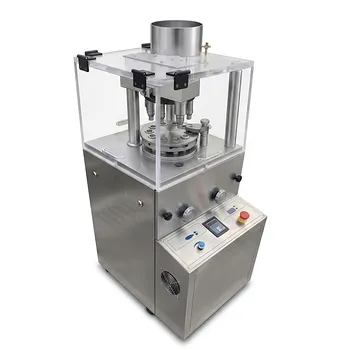
Enhanced 9 Punch Rotary Tablet Press for Powder Compaction
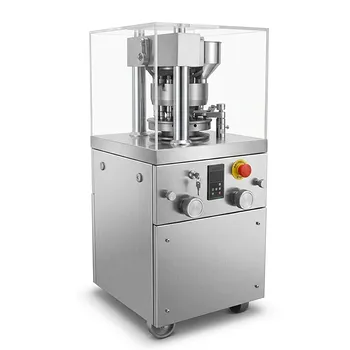
Ordinary Type Rotary Tablet Press for Pharmaceutical Chemical Food Electronic Industries
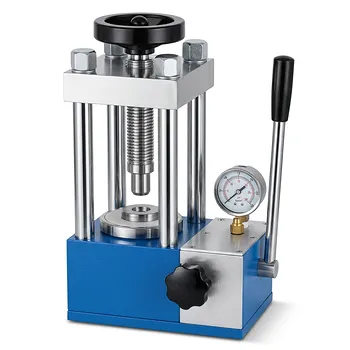
Manual Tablet Press with Dual Scale Pressure Gauge for Pharmaceutical Food Chemical Laboratory Sample Preparation
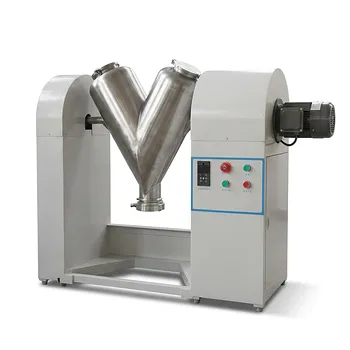
V-Type Powder Mixer for Uniform Blending of Dry Powders and Granules
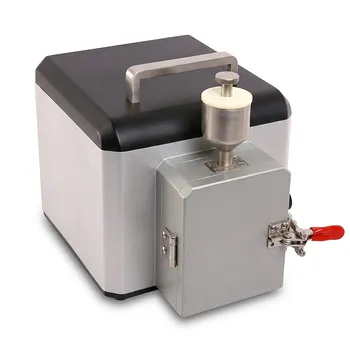
Portable Cutting Mill for Laboratory Sample Preparation and RoHS WEEE Compliance Testing
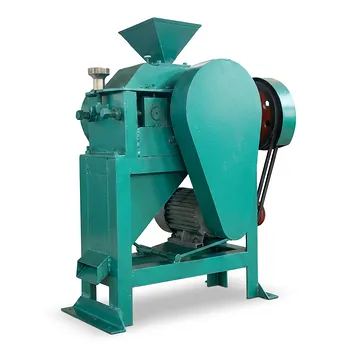
Laboratory Sealed Double Roll Crusher for Coal Ore Rock and Medium Hardness Materials Sample Preparation

Miniature Planetary Ball Mill with Vacuum Grinding and High Efficiency for Laboratory Sample Preparation
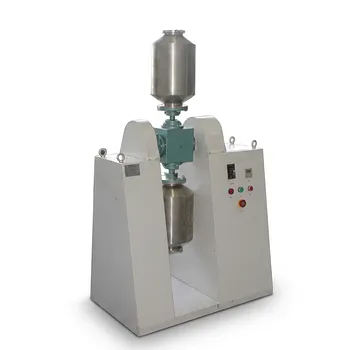
Multi Dimensional Universal Mixer for High Uniformity Powder Blending
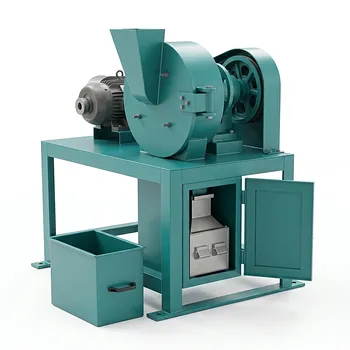
Sealed Disc Pulverizer Customized Model
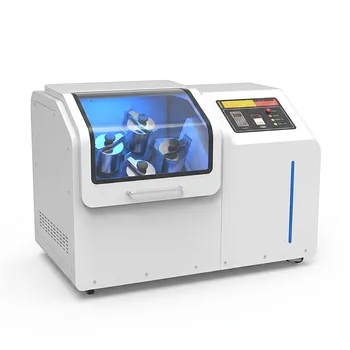
High Energy Omnidirectional Planetary Ball Mill 16L
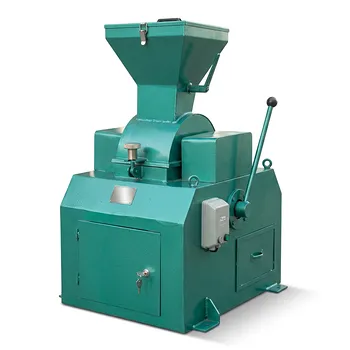
Laboratory Sealed Hammer Blade Crusher Divider for High Hardness Sample Preparation
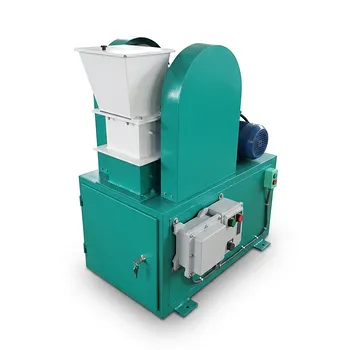
Custom Explosion-Proof Sealed Jaw Crusher for Laboratory and Industrial Sample Preparation
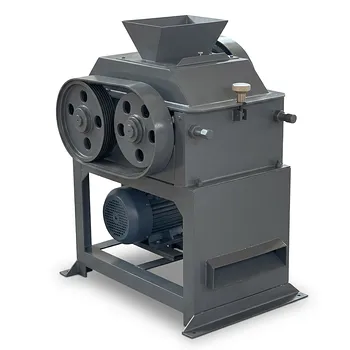
Sealed Laboratory Double Roll Crusher for Coal, Mineral, Ore Sample Preparation
Sealed Double Roll Crusher for Laboratory Sample Preparation of Medium Hardness Materials
Dry Three Dimensional Vibratory Sieve Shaker
Three-Dimensional Motion Mixer for Laboratory Powder and Granule Blending