How does a vibratory sieve shaker contribute to optimizing the performance of activated carbon? Enhance Adsorption Precision
Updated 5 months ago
The vibratory sieve shaker is a critical tool for ensuring the uniformity and predictability of activated carbon performance. It achieves this by physically classifying particles into precise, narrow size distributions using mechanical vibration and standard mesh sieves. This process eliminates particle size as a variable, ensuring that adsorption kinetics, surface area availability, and diffusion rates remain consistent across batches.
A vibratory sieve shaker optimizes activated carbon by standardizing particle sizes to eliminate variations in adsorption kinetics and heat transfer. This precision ensures that the material's performance is a result of its internal pore structure and chemistry rather than physical inconsistencies.
Standardizing Adsorption Kinetics and Surface Area
Eliminating Kinetic Variability
Vibratory sieve shakers classify activated carbon into specific sizes, such as 75μm, to eliminate variations in adsorption kinetics. When particles are of unequal sizes, they adsorb substances at different rates, leading to unpredictable performance. By ensuring uniformity, the shaker allows for repeatable experimental results and consistent industrial application.
Maintaining Specific Surface Area
The Specific Surface Area (SSA) of an adsorbent is directly tied to its particle size. Using a shaker to obtain a uniform distribution, such as a 16 x 25 mesh for Granular Activated Carbon (GAC), ensures the surface area remains constant. This control is essential for the reliability of adsorption kinetic data during both research and large-scale operations.
Isolating Chemical Performance
By grading ground carbon powder into narrow distributions (e.g., 44–74 µm), engineers can isolate physical size as a factor. This ensures that any performance differences observed between different types of carbon depend solely on their internal pore structures and surface chemistry.
Optimizing the Production and Activation Process
Ensuring Even Heating During Pyrolysis
In the preparation phase, a shaker classifies crushed biomass or raw materials into specific sizes, such as a 125µm aperture. Consistent raw material size is vital because it guarantees even heating during the pyrolysis and carbonization stages. Uniform particles prevent the over-processing of small fragments and the under-processing of larger ones.
Developing Stable Pore Structures
Because uniform particles heat evenly, the resulting activated carbon develops a stable and consistent pore structure distribution. This leads to a finished product with predictable diffusion rates in liquid-phase or gas-phase applications. The shaker effectively acts as a quality control gate for the effectiveness of the pulverization process.
Controlling Packing Density
The mechanical vibration of the shaker helps determine the final packing density of the carbon. Precise classification ensures that the carbon particles fit together predictably in adsorption beds or filters. This prevents "channeling," where fluids bypass the carbon, and ensures maximum contact time.
Understanding the Trade-offs
Material Loss and Fines
Strict sieving to a narrow range inevitably results in material loss, as "fines" (undersized particles) are removed. While this improves the quality of the final product, it can decrease the total yield of the production run.
Sieve Blinding and Maintenance
Highly porous materials like activated carbon can cause sieve blinding, where particles become wedged in the mesh. Constant maintenance and the use of de-blinding aids (like balls or sliders) are necessary to maintain the accuracy of the classification.
Processing Time vs. Precision
Achieving a highly specific particle size distribution requires longer vibration times. Manufacturers must balance the need for extreme precision with the energy and time costs of extended sieving cycles.
How to Apply This to Your Project
Making the Right Choice for Your Goal
To maximize the performance of your activated carbon, align your sieving strategy with your specific application requirements.
- If your primary focus is Lab Research and Testing: Use a shaker to isolate a narrow range, such as 44–74 µm, to ensure that particle size does not skew your kinetic data.
- If your primary focus is Industrial Adsorption Beds: Focus on a standard mesh size (e.g., 16 x 25) to ensure consistent packing density and prevent pressure drops or fluid channeling.
- If your primary focus is Production Quality Control: Utilize the shaker to calculate the mean particle size and monitor the efficiency of your grinding equipment.
- If your primary focus is Raw Material Preparation: Use a 125µm or similar aperture to ensure even heat distribution during the carbonization of biomass.
By treating the vibratory sieve shaker as a precision instrument rather than a simple filter, you can unlock the full potential of activated carbon's adsorption capabilities.
Summary Table:
| Optimization Goal | Impact on Activated Carbon Performance | Key Sizing/Parameters |
|---|---|---|
| Adsorption Kinetics | Eliminates variability; ensures repeatable and predictable results. | 44–74 µm range |
| Surface Area (SSA) | Maintains constant surface area for reliable adsorption capacity. | 16 x 25 mesh (GAC) |
| Thermal Processing | Guarantees even heating during pyrolysis to stabilize pore structures. | ~125 µm aperture |
| Packing Density | Prevents fluid 'channeling' and optimizes bed contact time. | Uniform distributions |
Elevate Your Material Performance with Precision Sample Preparation
Achieving superior activated carbon performance requires eliminating physical variables. We provide complete laboratory sample preparation solutions designed specifically for advanced material science and powder processing.
Our specialized equipment range includes:
- Crushing & Grinding: High-efficiency jaw/roll crushers, planetary ball mills, jet mills, and cryogenic grinders for precise size reduction.
- Classification: Professional vibratory and air-jet sieve shakers with a wide variety of test sieves to ensure narrow particle distributions.
- Mixing & Compaction: Advanced powder mixers and a full spectrum of hydraulic presses, including Cold/Warm Isostatic Presses (CIP/WIP), vacuum hot presses, and XRF pellet presses.
Don't let particle inconsistency compromise your adsorption data. Contact us today to discover how our powder processing and compaction equipment can bring unmatched precision to your laboratory or production workflow!
References
- R. A. Mansour, A. A. Zaatout. Removal of brilliant green dye from synthetic wastewater under batch mode using chemically activated date pit carbon. DOI: 10.1039/d0ra08488c
Mentioned Products
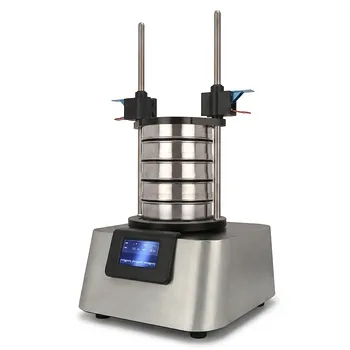
- Vibratory Sieve Shaker Electromagnetic 3D Motion Powder Particle Size Analyzer for Dry and Wet Sieving
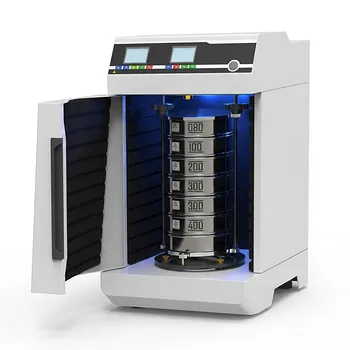
- Laboratory Dry and Wet Three Dimensional Vibratory Sieve Shaker for Particle Analysis
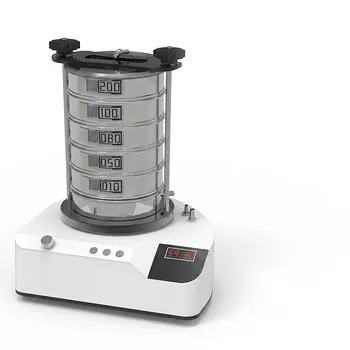
- Heavy Duty Dry Three Dimensional Vibratory Sieve Shaker for Particle Separation
- Stainless Steel Laboratory Vibratory Test Sieve Shaker
- Dry Three Dimensional Vibratory Sieve Shaker
People Also Ask
- Why is a laboratory vibratory sieve shaker necessary for processing magnesium-based borate precursor powders? Boost Activity
- Why use a vibratory sieve shaker to verify coarse aggregate grading in rubberized concrete? Ensure Structural Integrity
- What function do vibratory sieve shakers and standard test sieves serve in the preparation of adsorbents? Key Guide
- What role does a vibratory sieve shaker play in the particle size analysis of ground corn products? Enhance QC Precision
- What are the key functions of a vibratory sieve shaker in lightweight mortar production? Ensure Stability & Gradation

Tech Team · PowderPreparation
Last updated on May 14, 2026
Related Products
Vibratory Sieve Shaker Electromagnetic 3D Motion Powder Particle Size Analyzer for Dry and Wet Sieving
Laboratory Dry and Wet Three Dimensional Vibratory Sieve Shaker for Particle Analysis
Heavy Duty Dry Three Dimensional Vibratory Sieve Shaker for Particle Separation
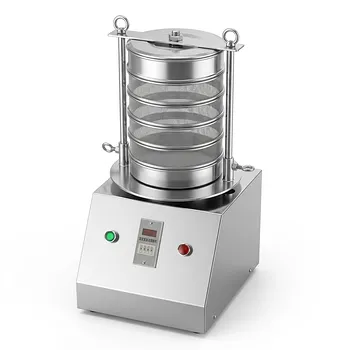
Stainless Steel Laboratory Vibratory Test Sieve Shaker

Dry Three Dimensional Vibratory Sieve Shaker

Small Laboratory Vibratory Sieve Shaker for Powder Gradation and Particle Size Analysis
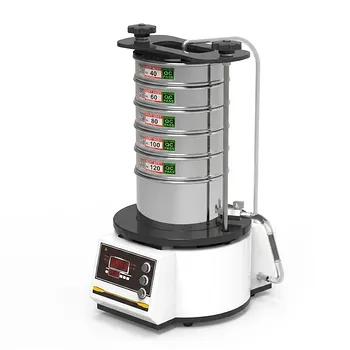
High Frequency Wet Three-Dimensional Vibrating Sieve Shaker for Dry and Wet Particle Size Analysis

Small Laboratory Vibrating Sieve Shaker for Precise Particle Size Analysis
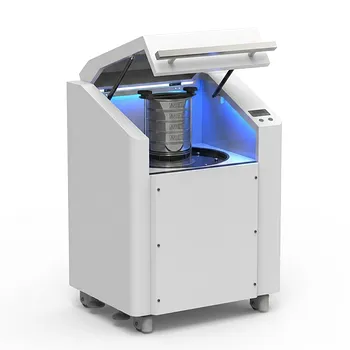
High Frequency Cabinet Type Three-Dimensional Rotary Vibrating Sieve Shaker for Dry Sieving and Particle Classification

Laboratory Vibratory Test Sieve Shaker for Precision Particle Size Analysis and Powder Grading
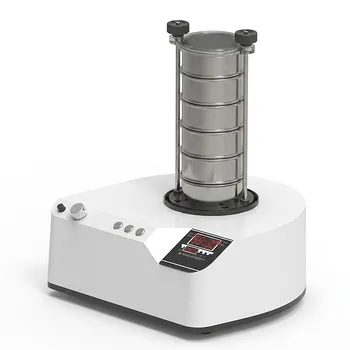
三维电磁微量振动筛分仪
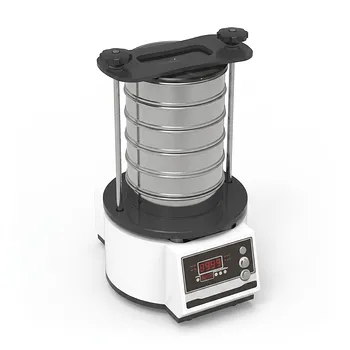
Tapping Oscillating Sieve Shaker for Dry and Wet Particle Size Analysis
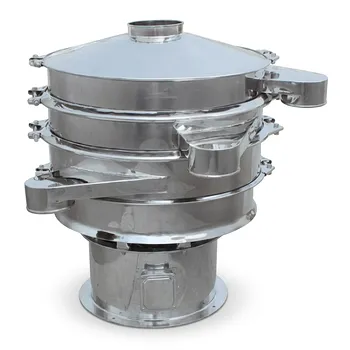
Stainless Steel Rotary Vibrating Sieve High Precision Circular Vibratory Separator Industrial Powder Grading Machine Multi Layer Sifting Equipment
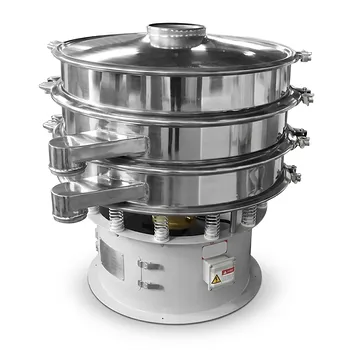
Three Dimensional Rotary Vibrating Sieve
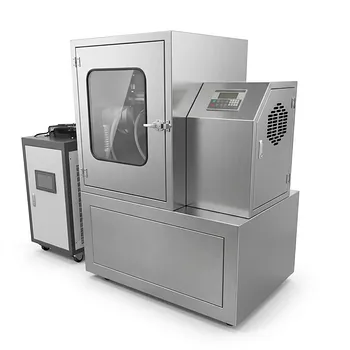
Vibratory Superfine Grinder for Ultra Fine Laboratory Powder Milling
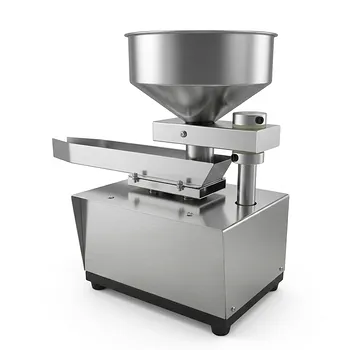
Automatic Vibrating Powder Feeder for Laboratory Material Processing Precision Vibratory Hopper Feeder for Granular and Powder Material Handling Industrial Grade Vibrating Tray Feeder for Consistent Material Sample Preparation
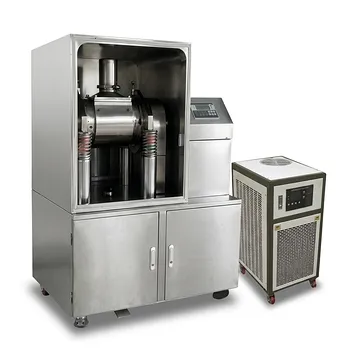
Small Vibrating Ultrafine Grinder for Traditional Chinese Medicine
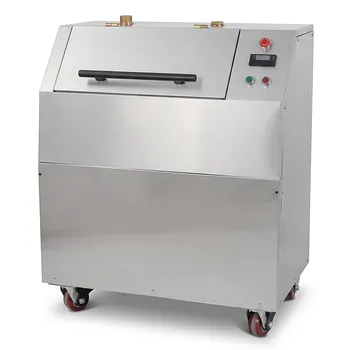
Vibratory Disc Mill for Rapid Fine Grinding and High Throughput Sample Preparation of Hard and Brittle Materials