What is the specific application of cryomilling in rare earth magnet recycling? Key to High-Purity Additive Manufacturing
Updated 5 months ago
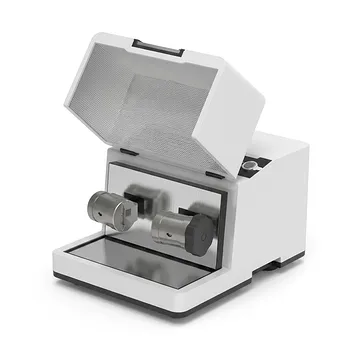
Cryomilling equipment serves as the critical bridge between degraded magnet scrap and high-performance recycled products. By utilizing liquid nitrogen to maintain ultra-low temperatures during high-energy milling, this equipment pulverizes rare earth materials like Neodymium-Iron-Boron (Nd-Fe-B) into fine powders while strictly inhibiting oxidation. This process preserves the intrinsic magnetic properties of the recycled material, making it suitable for high-precision additive manufacturing.
Core Takeaway: Cryomilling is the essential enabling technology for "closing the loop" in magnet production. It allows for the refinement of recycled magnets into ultra-fine, high-purity powders that retain the magnetic integrity necessary for 3D printing complex, high-performance geometries.
Preserving Material Integrity During Recycling
The Challenge of Rare Earth Oxidation
Rare earth elements, particularly Neodymium, are highly reactive and oxidize rapidly when exposed to heat and oxygen. Conventional milling generates significant friction-induced heat, which can degrade the magnetic properties of the material before it can even be reused.
Thermal Suppression via Liquid Nitrogen
Cryomilling equipment submerses the grinding process in a liquid nitrogen bath, keeping temperatures at cryogenic levels. This environment effectively "freezes" the oxidation kinetics, ensuring the recycled powder remains chemically stable and magnetically potent.
Achieving Ultra-Fine Particle Distribution
To be reused in advanced manufacturing, recycled magnets must be reduced to an extremely fine and uniform particle size. The high-energy impact of cryomilling breaks down the brittle magnet scrap efficiently, producing the high-surface-area powders required for modern industrial applications.
Enabling Additive Manufacturing (AM) Applications
Integration with Polymer Binders
Once the cryomilled powder is refined, it is typically mixed with polymer binders to create a feedstock. Because the cryomilling process ensures the powder is fine and unoxidized, it achieves a more homogeneous mix with the binder, leading to more consistent magnetic flux in the final part.
Creating Complex Geometries
Traditional magnet manufacturing is often limited to simple shapes like blocks or cylinders. By providing high-quality powder for additive manufacturing, cryomilling enables the creation of optimized, complex magnet shapes that can improve the efficiency of electric motors and sensors.
Maintaining Performance in 3D Printing
The primary hurdle in 3D-printed magnets is the loss of density and magnetic strength compared to sintered versions. Cryomilling addresses this by ensuring the starting "ink" or "filament" contains the highest quality recycled particles possible, minimizing performance gaps.
Understanding the Trade-offs
Operational Costs and Complexity
The most significant drawback of cryomilling is the continuous consumption of liquid nitrogen. Maintaining a cryogenic environment requires specialized infrastructure and a consistent supply chain for industrial gases, which increases the per-kilogram cost of the powder.
Equipment Wear and Maintenance
High-energy milling at ultra-low temperatures places unique mechanical stress on the equipment. The combination of abrasive magnet powders and extreme thermal cycling can lead to faster component fatigue, necessitating a rigorous maintenance schedule.
Implementing Cryomilling in Your Workflow
How to Apply This to Your Project
- If your primary focus is Maximum Magnetic Performance: Prioritize cryomilling over conventional mechanical milling to ensure that oxidation levels remain below critical thresholds for Nd-Fe-B materials.
- If your primary focus is Geometric Versatility: Use cryomilling to produce the fine, spherical-tending powders necessary for high-loading binder jetting or fused deposition modeling.
- If your primary focus is Sustainability and Cost: Evaluate the trade-off between the cost of liquid nitrogen and the market value of "green" recycled magnets to determine the economic viability of the process.
By suppressing thermal degradation, cryomilling transforms brittle scrap into a high-value raw material for the future of additive magnetics.
Summary Table:
| Feature | Cryomilling for Magnets | Impact on Additive Manufacturing |
|---|---|---|
| Temperature Control | Liquid Nitrogen (-196°C) | Prevents oxidation of reactive rare earth elements. |
| Powder Purity | High-purity, low-oxygen environment | Ensures maximum magnetic flux and material integrity. |
| Particle Size | Ultra-fine, uniform distribution | Enables homogeneous mixing with polymer binders. |
| Complexity | High-energy cryogenic grinding | Allows 3D printing of complex, high-performance shapes. |
Revolutionize Your Rare Earth Material Processing
Transitioning from brittle magnet scrap to high-performance 3D-printed components requires precision at every stage. At [Company Name], we provide complete laboratory sample preparation solutions for material science, specializing in high-end powder processing and compaction equipment.
Whether you need to refine recycled materials or manufacture final parts, our extensive product line supports your entire workflow:
- Size Reduction: Cryogenic grinders (liquid nitrogen), planetary ball mills, jet mills, and jaw/roll crushers.
- Classification & Mixing: Vibratory/air-jet sieve shakers and advanced powder/defoaming mixers.
- Advanced Compaction: A full spectrum of hydraulic presses, including Cold/Warm Isostatic Presses (CIP/WIP), vacuum hot presses, and XRF pellet presses.
Ready to optimize your magnet recycling or additive manufacturing project? Our experts are here to help you achieve superior material integrity and performance.
Contact Us Today to Find Your Solution
References
- Stavros T. Ponis, Konstantina Dimogiorgi. A Systematic Literature Review on Additive Manufacturing in the Context of Circular Economy. DOI: 10.3390/su13116007
Mentioned Products
- Ultra-Low Temperature Vibratory Mill for Ultrafine Grinding
- Water Cooled Cryogenic Ultra Fine Cell Wall Breaking Mill
- Small Liquid Nitrogen Cryogenic Grinder with Vibratory Feeder for Laboratory Sample Preparation
- Small Liquid Nitrogen Cryogenic Grinder for Ultrafine Grinding of Heat-Sensitive Materials in Laboratories
- Cryogenic Liquid Nitrogen Grinder for Ultrafine Heat-Sensitive Powder Processing
People Also Ask
- How cryogenic vibration mills assist cellulose analysis? Achieve High-Precision Substitution Degree Measurements
- What is the primary role of the cryomilling process in the preparation of nanocrystalline copper powder? Refine Grains
- Advantages of cryogenic ball milling vs traditional mixing for powders? Achieve superior dispersion & refinement.
- Why is a cryogenic ball mill necessary for preparing bimodal-structured aluminum alloys? Master Nanoscale Refinement
- How do horizontal oscillation and stainless steel media work in cryogenic ball milling of CNTs? Optimize Dispersion.

Tech Team · PowderPreparation
Last updated on May 14, 2026
Related Products
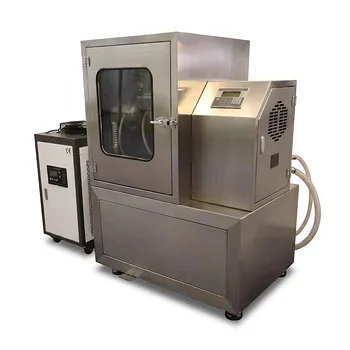
Ultra-Low Temperature Vibratory Mill for Ultrafine Grinding
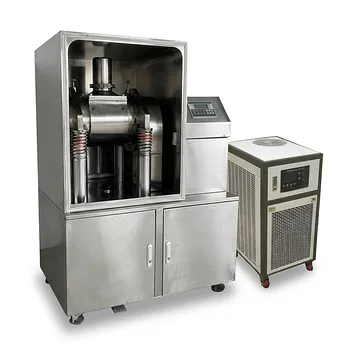
Water Cooled Cryogenic Ultra Fine Cell Wall Breaking Mill
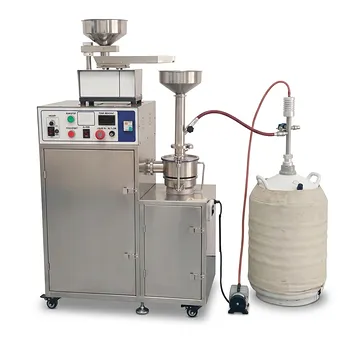
Small Liquid Nitrogen Cryogenic Grinder with Vibratory Feeder for Laboratory Sample Preparation
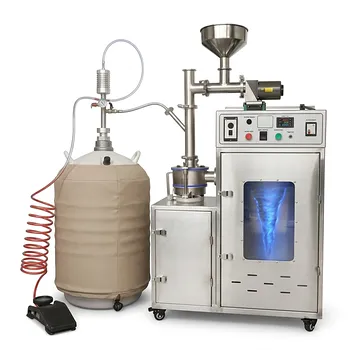
Small Liquid Nitrogen Cryogenic Grinder for Ultrafine Grinding of Heat-Sensitive Materials in Laboratories
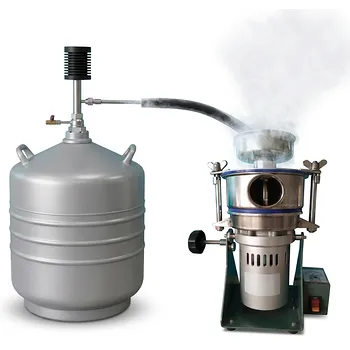
Cryogenic Liquid Nitrogen Grinder for Ultrafine Heat-Sensitive Powder Processing
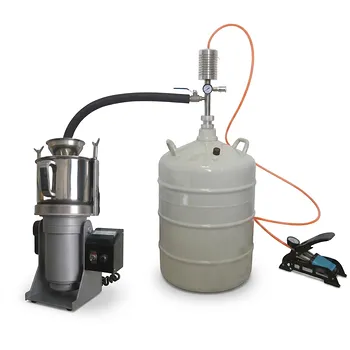
Liquid Nitrogen Cryogenic Grinder for Plastic and Heat-Sensitive Materials
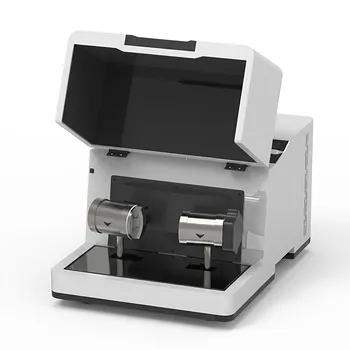
Ultra-Low Temperature Cryogenic High-Energy Vibratory Ball Mill
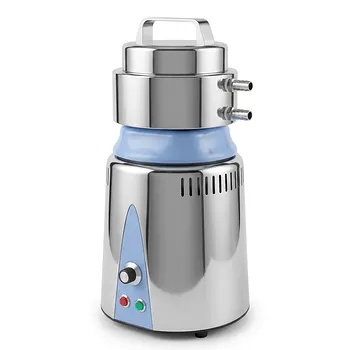
Low Temperature Laboratory Knife Mill Cryogenic Sample Grinder Material Science Powder Processing
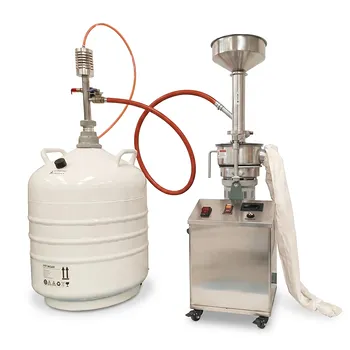
Laboratory Liquid Nitrogen Cryogenic Grinder Polymer Sample Preparation Pulverizer
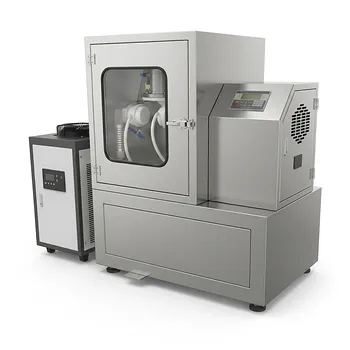
Vibratory Ultra-Low Temperature Ultrafine Grinder for Cryogenic Powder Processing
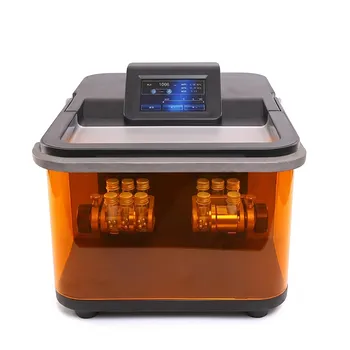
High Throughput Micro Ball Mill for Cryogenic Grinding and Laboratory Cell Disruption
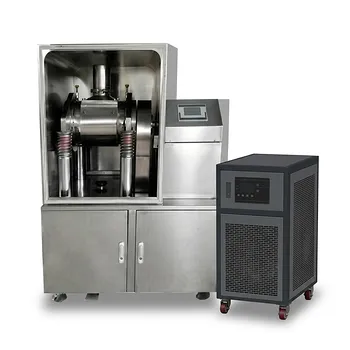
Ultra-low Temperature Vibratory Mill Ultrafine Grinder
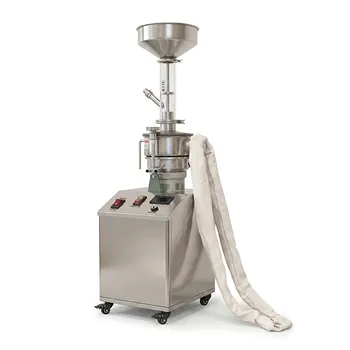
Small Liquid Nitrogen Cryogenic Grinder for Plastic and Heat-Sensitive Material Sample Preparation
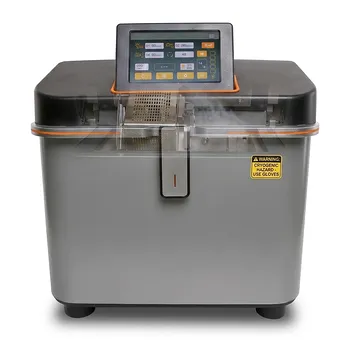
Cryogenic Liquid Nitrogen Grinder for DNA Analysis and Polymer Pulverization with Automatic Cooling and Electromagnetic Impact Technology
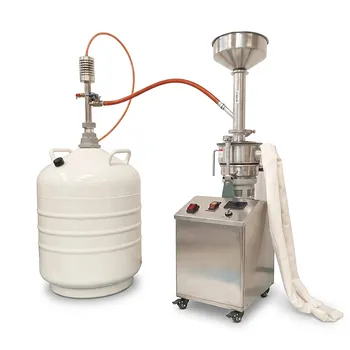
Laboratory Liquid Nitrogen Cryogenic Grinder for Polymer and Elastomer Materials
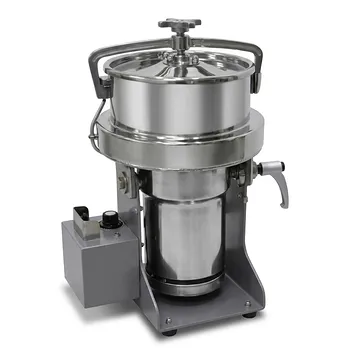
500g Capacity Water Cooled Low Temperature Grinder with Variable Speed and Safety Cover
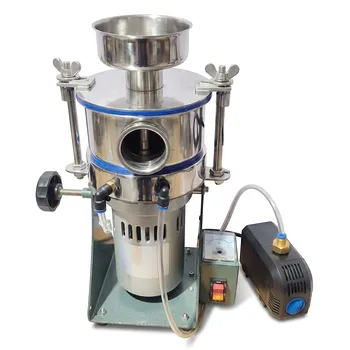
Water Cooled Airflow Ultra Fine Grinder for Low Temperature Material Processing
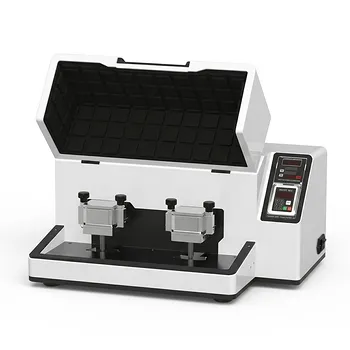
Nanoscale High Energy Vibratory Ball Mill Low Temperature
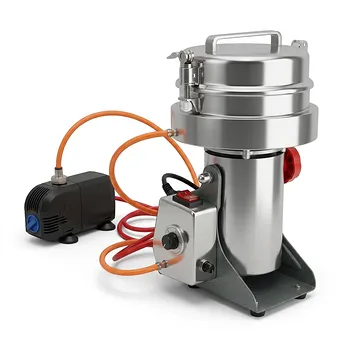
Water Cooled High Speed Grinder with Cryogenic Option for Laboratory Sample Preparation