How does liquid nitrogen influence Al7075-BNNT modification? Achieve Nanocrystalline Precision in Cryomilling
Updated 4 months ago
Continuous liquid nitrogen cooling is the critical catalyst for achieving the unique nanocrystalline structure and high-performance properties of Al7075-BNNT composites. By maintaining a constant temperature of approximately -196 °C, it suppresses the thermal energy required for metal grains to "heal" themselves during deformation, forcing the aluminum matrix to refine into ultra-fine or nanocrystalline levels. This extreme cold also prevents oxidation and ensures that Boron Nitride Nanotubes (BNNTs) are effectively anchored into the metal particles without chemical degradation.
Core Takeaway: Liquid nitrogen acts as a thermodynamic barrier that prevents dynamic recovery and recrystallization in Al7075. This allows for a massive accumulation of dislocations and rapid grain refinement, while simultaneously shielding the powder from oxidation and facilitating the mechanical integration of BNNT reinforcements.
Suppression of Thermal Softening and Recovery
Hindering Dislocation Annihilation
During high-energy milling, the impact of the grinding media generates a high density of dislocations within the Al7075 particles. At room temperature, these dislocations naturally move and annihilate each other (recovery), but the -196 °C environment provided by liquid nitrogen restricts this movement.
Because the rate of dislocation multiplication significantly exceeds the rate of annihilation, the material reaches a state of intense mechanical strain. This leads to the rapid formation of subgrains and the eventual refinement of the matrix into nanocrystalline structures much faster than conventional milling.
Inhibition of Dynamic Recrystallization
Liquid nitrogen effectively eliminates the heat-driven process of dynamic recrystallization, where new, larger grains would typically grow to replace deformed ones. By keeping the milling jar at cryogenic temperatures, the system prevents the structural coarsening that usually occurs due to the heat generated by mechanical friction.
This temperature control ensures the final powder retains a high-energy, mechanically activated state. This state is foundational for creating high-strength bulk materials during subsequent consolidation phases.
Enhancement of Reinforcement Integration
Increased Material Brittleness
The cryogenic environment induces a transition in the Al7075 alloy, increasing its brittleness and lowering its ductility. This makes the aluminum particles more prone to early fracturing under the impact of the milling balls.
Frequent fracturing and cold-welding cycles create fresh, high-energy surfaces. These surfaces are essential for the mechanical anchoring of BNNTs, as the nanotubes become trapped and embedded within the aluminum particles during the constant reshaping of the powder.
Prevention of Matrix Oxidation
Aluminum is highly reactive, especially when fresh surfaces are exposed during milling. The continuous flow of liquid nitrogen creates an inert/protective atmosphere that minimizes the oxidation rate of the active metal powders.
By preventing the formation of thick metallic oxide impurities, the process ensures that the interface between the BNNTs and the Al7075 matrix remains clean. This lack of contamination is vital for maintaining the intended phase purity and mechanical properties of the composite.
Understanding the Trade-offs
Kinetic Limits of Nitridation
While the powder is submerged in nitrogen, the formation of aluminum nitride (AlN) is remarkably slow due to the extremely low temperatures. The nitrogen content typically increases only minimally (around 0.11 wt%), which is generally insufficient to change the primary phase of the alloy.
Surface Adsorption and Porosity
Despite the benefits, the high-activity surfaces created during milling can adsorb trace amounts of nitrogen or oxygen. These thermally unstable compounds may occasionally interfere with the densification process during later stages, such as Spark Plasma Sintering (SPS), potentially leading to minor pore formation in the final bulk material.
How to Apply These Insights to Your Process
When utilizing cryogenic ball milling for Al7075-BNNT modification, your strategy should be dictated by the desired final grain size and the sensitivity of your reinforcement phase.
- If your primary focus is Maximum Grain Refinement: Maintain a continuous, high-flow injection of liquid nitrogen to ensure the temperature never drifts above -190 °C, as even brief temperature spikes can trigger dislocation annihilation.
- If your primary focus is BNNT Integrity: Use the cryogenic environment to minimize milling time; the increased brittleness of the matrix allows you to achieve a uniform dispersion of nanotubes without over-processing and damaging their high-aspect-ratio structure.
- If your primary focus is Phase Purity: Ensure the milling jar is properly sealed to maintain the nitrogen atmosphere, which prevents the ingress of oxygen that would otherwise create detrimental oxide layers on the freshly fractured aluminum surfaces.
The strategic use of liquid nitrogen transforms the milling process from simple grinding into a sophisticated thermodynamic tool for engineering materials at the nanoscale.
Summary Table:
| Influence Mechanism | Impact on Milling Process | Benefits for Al7075-BNNT Composites |
|---|---|---|
| Thermal Suppression | Prevents dynamic recovery & recrystallization | Achieves ultra-fine nanocrystalline structures |
| Increased Brittleness | Accelerates powder fracturing & cold-welding | Ensures superior mechanical anchoring of BNNTs |
| Dislocation Storage | Blocks dislocation annihilation at -196 °C | Enhances mechanical activation and final strength |
| Inert Atmosphere | Shields fresh surfaces from oxygen | Maintains high phase purity and clean interfaces |
Optimize Your Advanced Material Synthesis Today
Elevate your research with high-precision laboratory equipment from [Insert Brand Name]. We provide complete sample preparation solutions for material science, specializing in high-performance powder processing and compaction.
Whether you are refining Al7075-BNNT composites or developing new alloys, our extensive range of equipment ensures superior results:
- Milling & Grinding: Liquid nitrogen cryogenic grinders, planetary ball mills, and jet mills for perfect grain refinement.
- Compaction & Sintering: A full spectrum of hydraulic presses, including Cold/Warm Isostatic Presses (CIP/WIP), hot presses, and vacuum hot presses for high-density consolidation.
- Sizing & Mixing: Vibratory sieve shakers and advanced powder/defoaming mixers to ensure uniform material consistency.
Ready to enhance your lab's efficiency and material performance? Contact our technical experts today to find the ideal solution for your specific research needs!
References
- Sohail M.A.K. Mohammed, Arvind Agarwal. Boron nitride nanotubes induced strengthening in aluminum 7075 composite via cryomilling and spark plasma sintering. DOI: 10.1007/s42114-024-01173-1
Mentioned Products
- Ultra-Low Temperature Cryogenic High-Energy Vibratory Ball Mill
- High Throughput Micro Ball Mill for Cryogenic Grinding and Laboratory Cell Disruption
- Ultra-Low Temperature Vibratory Mill for Ultrafine Grinding
- Heating Temperature Controlled High Energy Vibratory Ball Mill
- Nanoscale High Energy Vibratory Ball Mill Low Temperature
People Also Ask
- How does a high-energy vibratory ball mill improve the performance of MgH2? Optimize Hydrogen Storage Kinetics
- What is the function of a high-energy vibratory ball mill in Cu-Ta alloys? Achieve Precision Mechanical Alloying
- What is the function of high-energy ball milling in ZnO membrane slurry prep? Optimize Homogenization & Dispersion
- What is the Role of HEBM in High-Entropy H-SOFC Cathode Prep? Achieving Atomic-Level Homogenization
- What is the importance of using a high-purity argon atmosphere during the high-energy ball milling of ceramic particles?

Tech Team · PowderPreparation
Last updated on Jun 03, 2026
Related Products
Ultra-Low Temperature Cryogenic High-Energy Vibratory Ball Mill
High Throughput Micro Ball Mill for Cryogenic Grinding and Laboratory Cell Disruption
Ultra-Low Temperature Vibratory Mill for Ultrafine Grinding
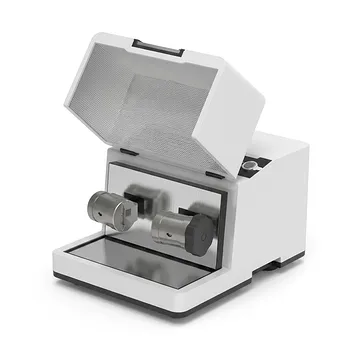
Heating Temperature Controlled High Energy Vibratory Ball Mill
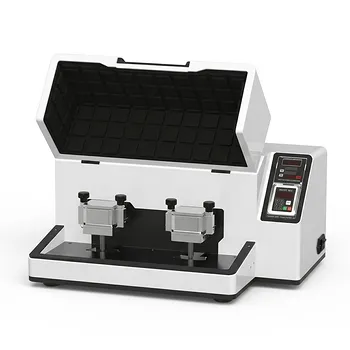
Nanoscale High Energy Vibratory Ball Mill Low Temperature
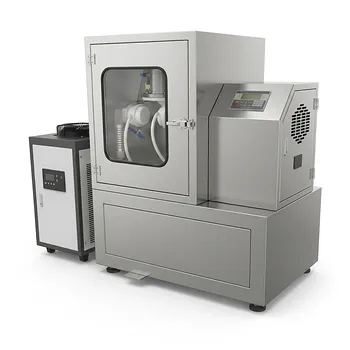
Vibratory Ultra-Low Temperature Ultrafine Grinder for Cryogenic Powder Processing
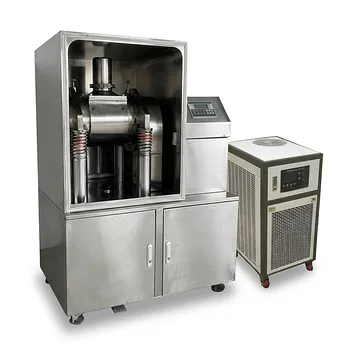
Water Cooled Cryogenic Ultra Fine Cell Wall Breaking Mill
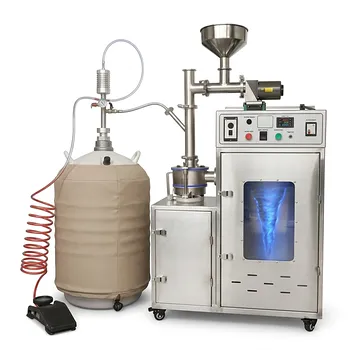
Small Liquid Nitrogen Cryogenic Grinder for Ultrafine Grinding of Heat-Sensitive Materials in Laboratories
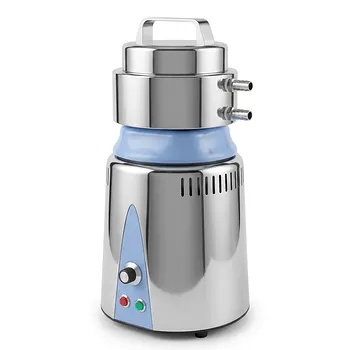
Low Temperature Laboratory Knife Mill Cryogenic Sample Grinder Material Science Powder Processing
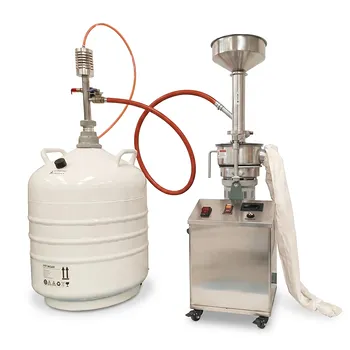
Laboratory Liquid Nitrogen Cryogenic Grinder Polymer Sample Preparation Pulverizer
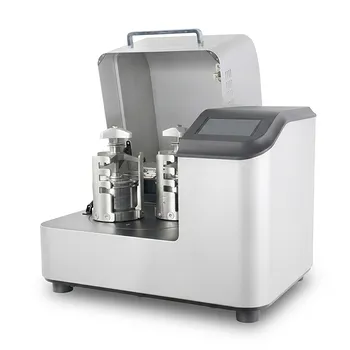
High Energy Planetary Ball Mill for Nano Scale Grinding and Mechanical Alloying

Vertical Square Planetary Ball Mill for Laboratory Sample Preparation and Nanoscale Grinding
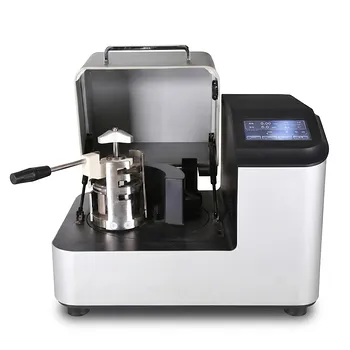
High Energy Laboratory Planetary Ball Mill for Nano Grinding and Material Science Sample Preparation
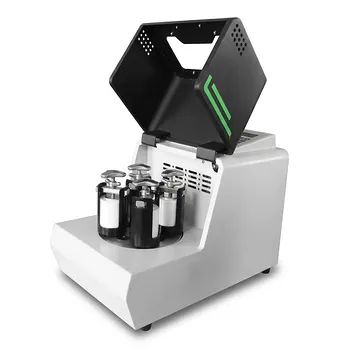
Miniature Planetary Ball Mill with Vacuum Grinding and High Efficiency for Laboratory Sample Preparation
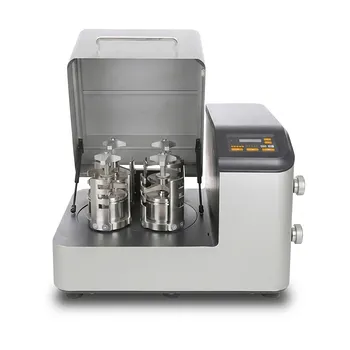
High Energy Planetary Ball Mill for Nano Scale Grinding and Colloidal Mixing in Material Science Research
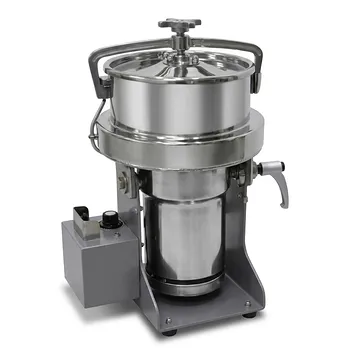
500g Capacity Water Cooled Low Temperature Grinder with Variable Speed and Safety Cover
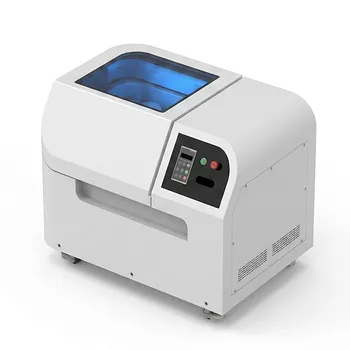
8L Planetary Ball Mill for Laboratory Grinding and Sample Preparation
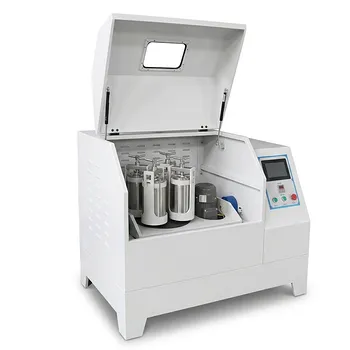
360° Rotating Omnidirectional Laboratory Planetary Ball Mill for Homogeneous Ultra-Fine Grinding and Mixing
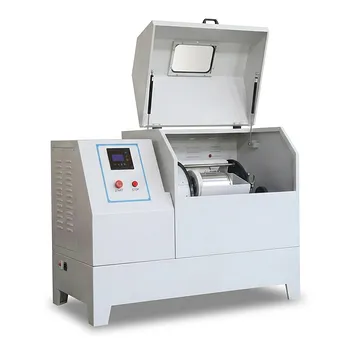
Heavy Duty Horizontal Planetary Ball Mill for Efficient Industrial Grinding and Sample Preparation