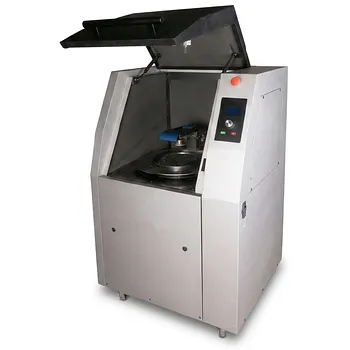
How cryogenic vibration mills assist cellulose analysis? Achieve High-Precision Substitution Degree Measurements
Updated 3 months ago
Achieving high precision in substitution degree analysis requires a sample that is chemically intact and physically uniform. A cryogenic vibration mill uses liquid nitrogen to transform tough cellulose fibers into an ultra-fine, brittle state, preventing the thermal degradation that typically occurs during standard grinding. This process results in a high-surface-area powder that ensures chemical reagents can react completely and consistently during the titration process.
Core Takeaway: Cryogenic vibration milling is the essential preparation step for modified cellulose analysis because it preserves the material’s chemical profile while creating a uniform, high-surface-area powder necessary for accurate titration and substitution degree measurement.
The Role of Liquid Nitrogen in Sample Preparation
Increasing Material Brittleness
Cellulose nanofibers are naturally resilient and fibrous, making them difficult to pulverize at room temperature. Liquid nitrogen cools the material to temperatures as low as -196°C, well below its embrittlement point. This phase change allows mechanical impact to shatter the fibers into ultra-fine powders rather than tearing or smearing them.
Thermal Protection and Chemical Stability
Mechanical milling generates significant frictional heat, which can lead to the thermal degradation of delicate modified cellulose chains. The continuous supply of liquid nitrogen acts as a heat sink, suppressing dynamic recovery and recrystallization. By maintaining a stable, ultra-low temperature, the mill ensures that the chemical properties and functional groups of the cellulose remain unchanged for analysis.
Creating an Inert Environment
Liquid nitrogen vaporizes into an inert gas, displacing oxygen within the milling chamber. This oxygen-deficient atmosphere prevents oxidation of the cellulose nanofibers during the high-energy milling process. Protecting these heat-labile components is critical for maintaining the integrity of the sample’s chemical signature.
Impact on Substitution Degree Analysis
Maximizing Surface Area for Titration
The accuracy of substitution degree analysis depends on the accessibility of functional groups to chemical reagents. Cryogenic milling produces a uniform particle size with a significantly increased specific surface area. This ensures that during chemical titration, the reaction is rapid, complete, and free from the interference of unreacted "core" material.
Inducing Amorphization
High-frequency impacts at cryogenic temperatures disrupt the naturally ordered crystalline structure of cellulose. This process, known as amorphization, increases the molecular mobility of the polymer chains. For modified cellulose, this structural shift makes the material more reactive and easier to analyze via traditional chemical methods.
Consistency and Reproducibility
Standard grinding often results in a wide distribution of particle sizes, which leads to "noisy" analytical data. The vibration mill provides intense mechanical shear stress that yields a highly consistent powder. This uniformity is the foundation of reproducible substitution degree measurements across multiple batches.
Understanding the Trade-offs
Operational Costs and Complexity
The primary drawback of this method is the continuous requirement for liquid nitrogen consumables, which increases the cost per sample. Additionally, operators must be trained in cryogenic safety and the handling of pressurized or ultra-cold liquids.
Potential for Structural Over-Processing
While amorphization aids reactivity, excessive milling energy can eventually lead to the mechanical clearing of functional groups if not properly calibrated. It is vital to balance the milling duration with the specific sensitivity of the cellulose modification being studied.
Applying This to Your Analysis Goal
Choosing the right milling parameters is essential for balancing sample throughput with analytical depth. Your approach should vary depending on the specific requirements of your laboratory or production line.
- If your primary focus is Maximum Analytical Precision: Prioritize longer pre-cooling times and a continuous nitrogen flow to ensure the sample never exceeds -150°C during the entire milling cycle.
- If your primary focus is High-Throughput Testing: Use high-frequency vibration settings for shorter durations to achieve the necessary fineness quickly while relying on the latent heat of the nitrogen to prevent flash-heating.
- If your primary focus is Researching Thermoplastic Properties: Focus on achieving total amorphization of the crystalline structure to better observe the glass transition temperature (Tg) in the modified derivatives.
By leveraging the extreme cold of liquid nitrogen, researchers can eliminate the variables of heat damage and structural inconsistency, ensuring the most reliable data possible for cellulose modification.
Summary Table:
| Feature | Room Temp Grinding | Cryogenic Vibration Milling |
|---|---|---|
| Material State | Fibrous & Resilient | Brittle & Ultra-fine Powder |
| Thermal Impact | Risk of Thermal Degradation | Stable Cold (Protects Chemistry) |
| Surface Area | Low / Non-uniform | High / Consistent for Titration |
| Atmosphere | Ambient (Oxidation Risk) | Inert Nitrogen (Prevents Oxidation) |
| Structural Effect | Retains Crystallinity | Induces Amorphization (High Reactivity) |
Optimize Your Material Analysis with Precision Sample Prep
Achieving accurate data in material science starts with perfect sample preparation. At [Your Brand Name], we provide complete laboratory solutions specialized in powder processing and compaction.
Whether you are analyzing modified cellulose or advanced ceramics, our extensive equipment line supports your entire workflow:
- Grinding & Milling: Liquid nitrogen cryogenic grinders, planetary ball mills, jet mills, and rotor mills.
- Sizing & Mixing: Vibratory sieve shakers and high-efficiency powder/defoaming mixers.
- Compaction: A full spectrum of hydraulic presses, including Cold/Warm Isostatic Presses (CIP/WIP), vacuum hot presses, and XRF pellet presses.
Ready to enhance your lab’s precision and efficiency? Contact our application experts today to find the ideal equipment solution for your specific research goals.
References
- Marcel Kluge, Wolfgang Gindl‐Altmutter. Nanocellulosic fillers for waterborne wood coatings: reinforcement effect on free-standing coating films. DOI: 10.1007/s00226-017-0892-y
Mentioned Products
- Ultra-Low Temperature Cryogenic High-Energy Vibratory Ball Mill
- Vibratory Ultra-Low Temperature Ultrafine Grinder for Cryogenic Powder Processing
- Ultra-Low Temperature Vibratory Mill for Ultrafine Grinding
- Small Liquid Nitrogen Cryogenic Grinder with Vibratory Feeder for Laboratory Sample Preparation
- Ultra-low Temperature Vibratory Mill Ultrafine Grinder
People Also Ask
- How does a high-energy vibratory ball mill improve the performance of MgH2? Optimize Hydrogen Storage Kinetics
- What is the function of a high-energy vibratory ball mill in Cu-Ta alloys? Achieve Precision Mechanical Alloying
- What is the function of high-energy ball milling in ZnO membrane slurry prep? Optimize Homogenization & Dispersion
- What is the Role of HEBM in High-Entropy H-SOFC Cathode Prep? Achieving Atomic-Level Homogenization
- What is the importance of using a high-purity argon atmosphere during the high-energy ball milling of ceramic particles?

Tech Team · PowderPreparation
Last updated on Jun 03, 2026
Related Products
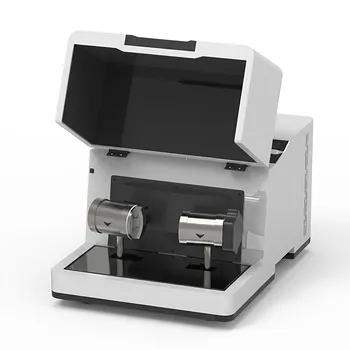
Ultra-Low Temperature Cryogenic High-Energy Vibratory Ball Mill
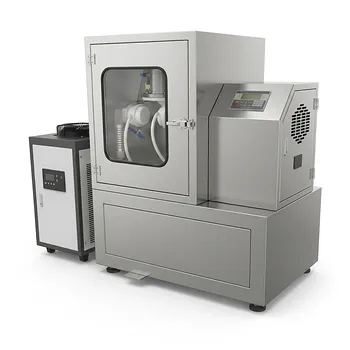
Vibratory Ultra-Low Temperature Ultrafine Grinder for Cryogenic Powder Processing
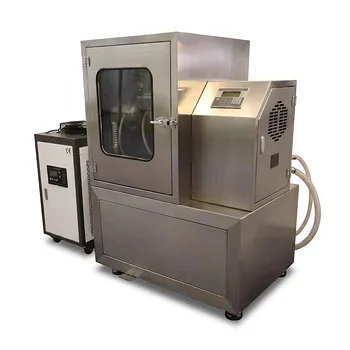
Ultra-Low Temperature Vibratory Mill for Ultrafine Grinding
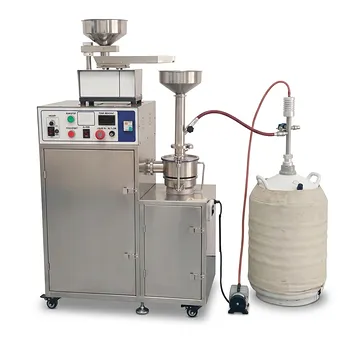
Small Liquid Nitrogen Cryogenic Grinder with Vibratory Feeder for Laboratory Sample Preparation
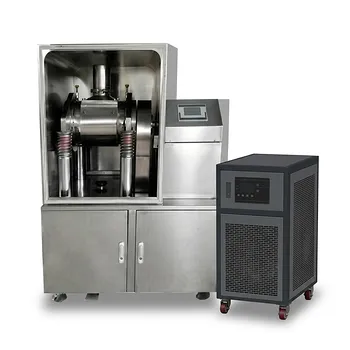
Ultra-low Temperature Vibratory Mill Ultrafine Grinder
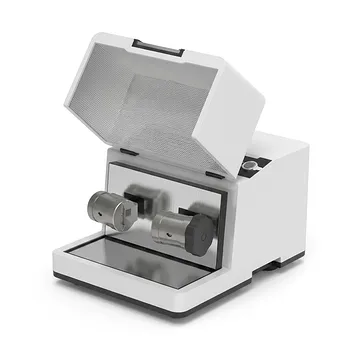
Heating Temperature Controlled High Energy Vibratory Ball Mill
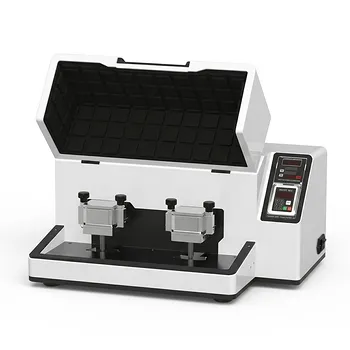
Nanoscale High Energy Vibratory Ball Mill Low Temperature
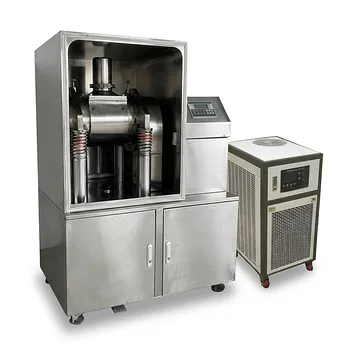
Water Cooled Cryogenic Ultra Fine Cell Wall Breaking Mill
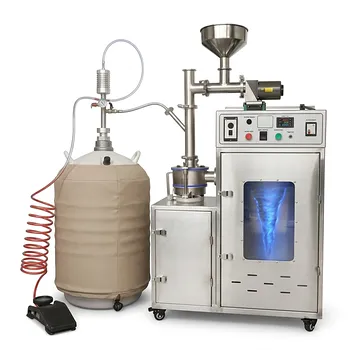
Small Liquid Nitrogen Cryogenic Grinder for Ultrafine Grinding of Heat-Sensitive Materials in Laboratories
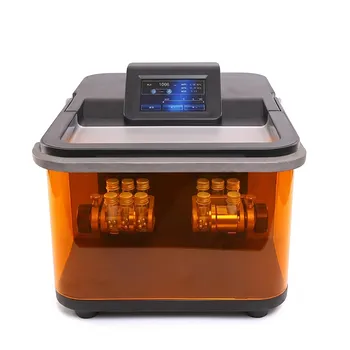
High Throughput Micro Ball Mill for Cryogenic Grinding and Laboratory Cell Disruption
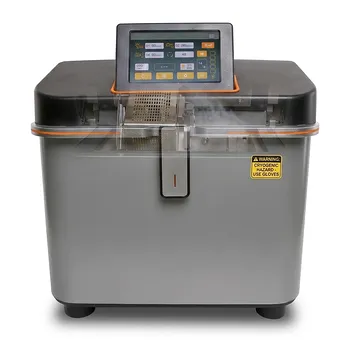
Cryogenic Liquid Nitrogen Grinder for DNA Analysis and Polymer Pulverization with Automatic Cooling and Electromagnetic Impact Technology
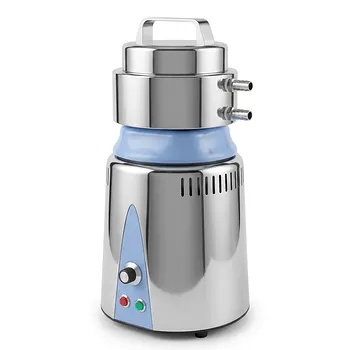
Low Temperature Laboratory Knife Mill Cryogenic Sample Grinder Material Science Powder Processing
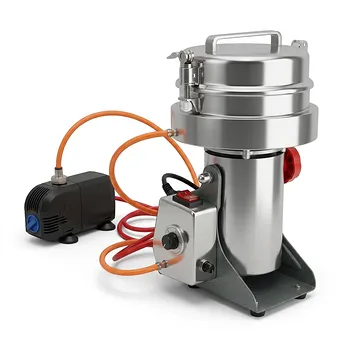
Water Cooled High Speed Grinder with Cryogenic Option for Laboratory Sample Preparation
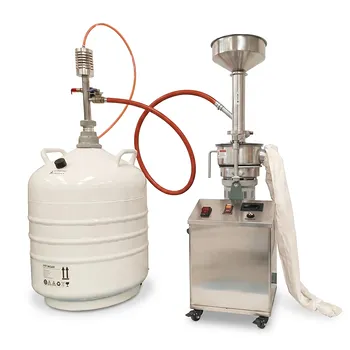
Laboratory Liquid Nitrogen Cryogenic Grinder Polymer Sample Preparation Pulverizer
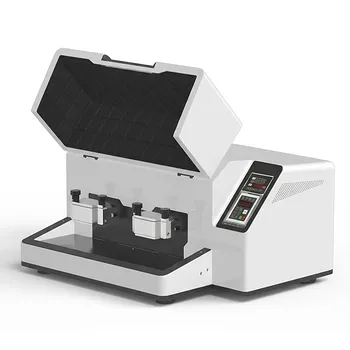
Nanoscale High-Energy Vibratory Ball Mill for Laboratory Sample Preparation, Mechanochemistry, and Mechanical Alloying
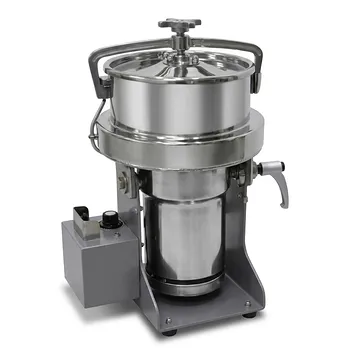
500g Capacity Water Cooled Low Temperature Grinder with Variable Speed and Safety Cover
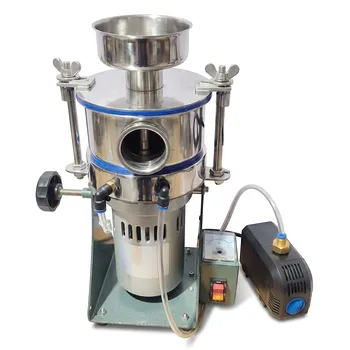
Water Cooled Airflow Ultra Fine Grinder for Low Temperature Material Processing
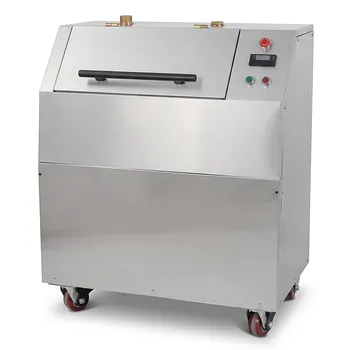
Vibratory Disc Mill for Rapid Fine Grinding and High Throughput Sample Preparation of Hard and Brittle Materials
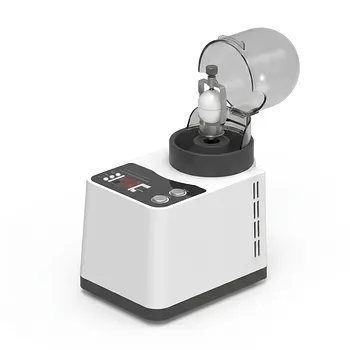
Laboratory Micro Vibration Grinding Mill for Trace Sample Preparation