What is the role of high-energy mechanical ball milling equipment in AA7075-SiC powder prep? Achieve Nano-Scale Quality
Updated 4 months ago
High-energy mechanical ball milling is the primary driver for nanostructuring and phase homogenization in AA7075-SiC composite powders. It utilizes intense impact and shear forces to repeatedly fracture and cold-weld particles, ultimately refining both the aluminum alloy grains and silicon carbide reinforcements to the nanometer scale. This process transforms raw, micron-sized materials into a highly reactive, uniform composite powder with enhanced structural properties.
High-energy milling acts as a mechanochemical reactor that simultaneously reduces grain size through severe plastic deformation and achieves an atomic-level distribution of SiC within the AA7075 matrix. This dual action is essential for producing high-performance metal matrix composites (MMCs) with superior strength and stability.
The Mechanism of Nano-Scale Refinement
Impact, Shear, and Severe Plastic Deformation
High-energy ball mills, such as stirred or planetary mills, generate powerful impact and shear forces through high-speed rotation and grinding media collisions. These forces subject the AA7075 aluminum alloy to a continuous cycle of flattening, cold welding, fracturing, and re-welding.
As this cycle repeats, the particles are crushed and restructured at a microscopic level. This mechanical action is what allows the equipment to break down commercial-grade, micron-sized raw materials into the 50nm to 150nm range.
Introducing High-Density Lattice Defects
The intense energy of these collisions introduces high-density dislocation networks and crystal defects into the material. These defects are the catalyst for structural refinement, forcing the grain size to shrink until nano-scale dimensions are achieved.
The accumulation of mechanical energy during milling also alters the crystallinity of the powder. This process, known as mechanical activation, creates a high-energy state that makes the powder more responsive to subsequent heat treatments.
Homogenization of the AA7075-SiC System
Achieving Microscopic Uniformity
In an AA7075-SiC system, the goal is to distribute the hard ceramic SiC particles evenly throughout the ductile aluminum matrix. High-energy milling ensures that these metallic and ceramic phases are mixed uniformly at a microscopic scale.
The milling process overcomes the natural binding forces between particles, preventing the SiC from clumping. This results in a homogeneous distribution that is critical for the final material's mechanical integrity and hardness.
Increasing Surface Area and Reaction Activity
By refining the powder to the nanometer scale, the equipment significantly increases the specific surface area of the particles. This increase in surface-to-volume ratio enhances the surface reactivity and the chemical potential difference of the powder.
Higher surface activity acts as a powerful sintering driving force. This allows for more efficient grain rearrangement and densification, often enabling high-quality forming at lower temperatures than traditional methods.
Understanding the Trade-offs and Pitfalls
Contamination and Media Wear
The high energy required to refine SiC—a very hard ceramic—can lead to significant wear and tear on the grinding media and the mill lining. This wear can introduce impurities into the AA7075-SiC powder, potentially compromising the purity of the final alloy.
Heat Generation and Material Over-Processing
Long-duration milling, often required to reach 50nm scales, generates substantial frictional heat. If not managed through cooling systems or process control, this heat can lead to unwanted grain growth or premature reactions that counteract the nanostructuring process.
Balancing Time and Energy
Achieving the precise nanometer range involves a trade-off between processing time and energy consumption. While longer milling times improve refinement and uniformity, they also increase the risk of particle agglomeration and energy costs, requiring careful process controllability.
How to Apply This to Your Project
High-energy milling is the standard for producing advanced AA7075-SiC composites, but your specific goals will dictate your milling parameters.
- If your primary focus is Maximum Strength: Prioritize longer milling durations to maximize dislocation density and achieve the smallest possible grain size (sub-50nm).
- If your primary focus is Sintering Efficiency: Focus on parameters that maximize specific surface area, as this will lower the required temperature for densification and improve the chemical potential.
- If your primary focus is Material Purity: Utilize high-hardness grinding media (such as tungsten carbide) and cooling cycles to minimize tool wear and contamination during the refinement of the SiC phase.
By mastering the mechanical forces of high-energy milling, you can precisely engineer the microstructure of AA7075-SiC powders to meet the demands of high-performance aerospace and automotive applications.
Summary Table:
| Mechanism | Action on AA7075-SiC | Key Outcome |
|---|---|---|
| Plastic Deformation | Repeated impact and shear forces | Refinement of grains to 50nm - 150nm |
| Cold Welding & Fracturing | Continuous particle restructuring | Homogeneous distribution of SiC in Al matrix |
| Mechanical Activation | Introduction of high-density lattice defects | Increased surface reactivity and sintering drive |
| Phase Homogenization | Microscopic mixing of metallic/ceramic phases | Enhanced mechanical integrity and hardness |
Elevate Your Composite Material Research with Precision Powder Solutions
Achieving the perfect nano-scale AA7075-SiC composite requires precision and reliability. At [Brand Name], we provide complete laboratory sample preparation solutions tailored for material science.
Our specialized high-energy milling equipment, including planetary ball mills, jet mills, and stirred mills, is engineered to achieve uniform grain refinement while minimizing contamination. To complement your powder processing, we also offer a full spectrum of compaction technology—from standard lab presses and XRF pellet presses to advanced Cold/Warm Isostatic Presses (CIP/WIP) and Vacuum Hot Presses for high-density sintering.
Ready to optimize your material performance and streamline your laboratory workflow?
Contact our technical experts today to find the ideal equipment for your specific powder processing and compaction needs!
References
- Wésia Amanda de Oliveira Barbosa, Heronilton Mendes de Lira. Nanostructured Powders of AA7075 - SiC Manufactured by High-Energy Ball Milling in a Bath of Isopropyl Alcohol. DOI: 10.1590/1980-5373-mr-2023-0230
Mentioned Products
- High Energy Hybrid Vibratory Ball Mill for Grinding Mixing and Cell Disruption
- Single Tank High Energy Vibratory Ball Mill for Laboratory Grinding and Mixing
- Dual Jar High Energy Vibratory Ball Mill
- Heating Temperature Controlled High Energy Vibratory Ball Mill
- Heavy Duty Horizontal Planetary Ball Mill for Efficient Industrial Grinding and Sample Preparation
People Also Ask
- How does a high-energy vibratory ball mill improve the performance of MgH2? Optimize Hydrogen Storage Kinetics
- What is the function of a high-energy vibratory ball mill in Cu-Ta alloys? Achieve Precision Mechanical Alloying
- What is the importance of using a high-purity argon atmosphere during the high-energy ball milling of ceramic particles?
- What is the role of high-energy ball milling in antibacterial ceramic powders? Boost Reactivity & Homogeneity
- What is the function of high-energy ball milling in ZnO membrane slurry prep? Optimize Homogenization & Dispersion

Tech Team · PowderPreparation
Last updated on Jun 03, 2026
Related Products
High Energy Hybrid Vibratory Ball Mill for Grinding Mixing and Cell Disruption
Single Tank High Energy Vibratory Ball Mill for Laboratory Grinding and Mixing
Dual Jar High Energy Vibratory Ball Mill
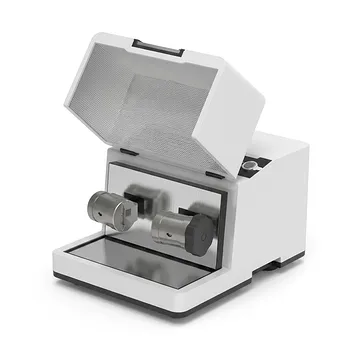
Heating Temperature Controlled High Energy Vibratory Ball Mill
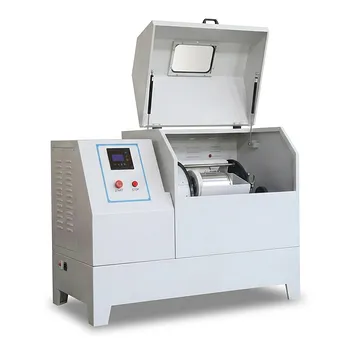
Heavy Duty Horizontal Planetary Ball Mill for Efficient Industrial Grinding and Sample Preparation

High Energy Omnidirectional Planetary Ball Mill 16L
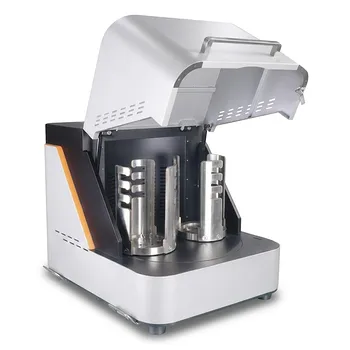
High Energy Laboratory Planetary Ball Mill for Nano Grinding and Colloidal Mixing of Hard and Brittle Materials
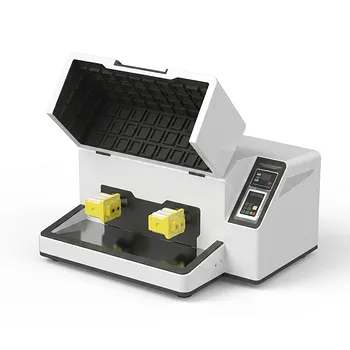
Multi-Platform Nanoscale High-Energy Vibratory Ball Mill
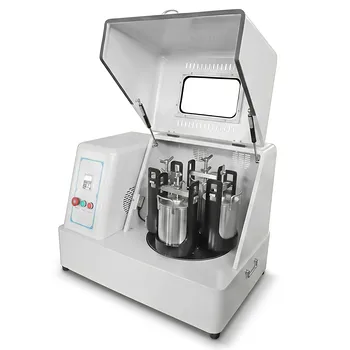
Vertical Square Planetary Ball Mill for Laboratory Sample Preparation and Nanoscale Grinding
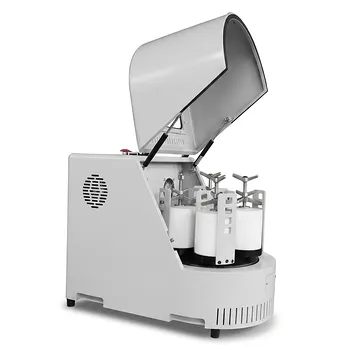
Vertical Semi Circular Planetary Ball Mill for Laboratory Precision Grinding
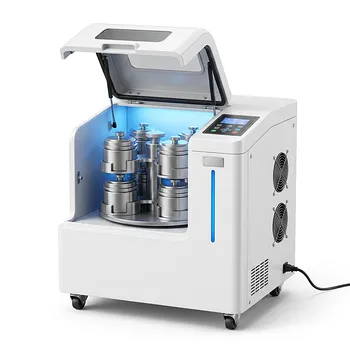
High Energy Omnidirectional Planetary Ball Mill 20L
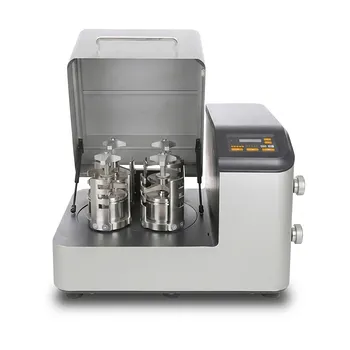
High Energy Planetary Ball Mill for Nano Scale Grinding and Colloidal Mixing in Material Science Research
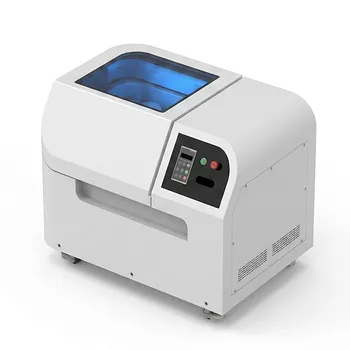
8L Planetary Ball Mill for Laboratory Grinding and Sample Preparation
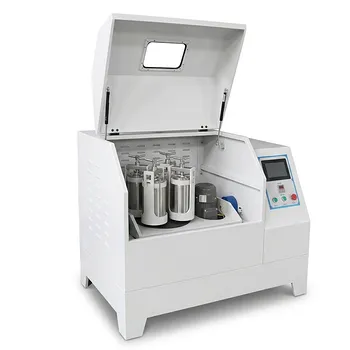
360° Rotating Omnidirectional Laboratory Planetary Ball Mill for Homogeneous Ultra-Fine Grinding and Mixing
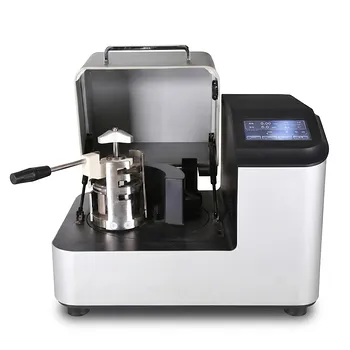
High Energy Laboratory Planetary Ball Mill for Nano Grinding and Material Science Sample Preparation
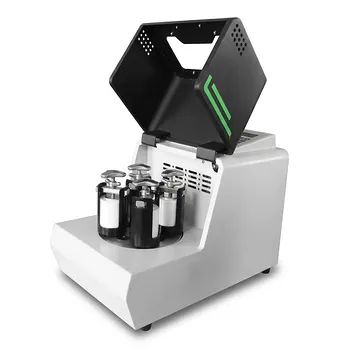
Miniature Planetary Ball Mill with Vacuum Grinding and High Efficiency for Laboratory Sample Preparation

Vertical Production Planetary Ball Mill for High Throughput Powder Processing

High Throughput Micro Ball Mill for Cryogenic Grinding and Laboratory Cell Disruption
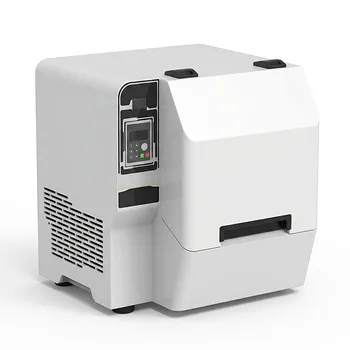
Nano High Energy Vibratory Ball Mill for Laboratory Sample Preparation