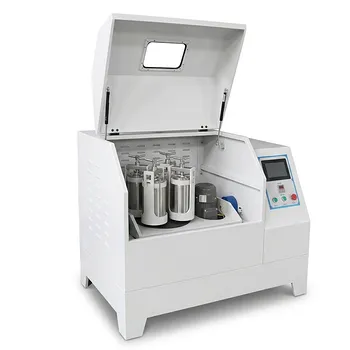
What is the purpose of using a rubber-lined ball mill with alumina media? Ensure High Purity and Homogenization.
Updated 5 months ago
The primary purpose of using a rubber-lined ball mill with alumina grinding media is to achieve a high-purity, homogenized mixture while preventing metallic and foreign chemical contamination. This specific configuration provides the mechanical shear and impact required to reach a high solid content (63–65 wt.%) and optimal particle size distribution. By aligning the chemistry of the grinding media with the precursor material, manufacturers ensure the final Aluminum Titanate ceramic maintains its structural and thermal integrity.
Core Takeaway: The combination of rubber lining and alumina media serves as a dual-action safeguard that maximizes mechanical dispersion efficiency while eliminating the risk of introducing performance-degrading impurities into the Aluminum Titanate precursor.
Eliminating Chemical and Metallic Contamination
Preventing Metallic Inclusion with Rubber Linings
In high-performance ceramic processing, the introduction of even trace amounts of iron or steel from the mill wall can compromise the final product. Rubber linings act as a sacrificial but non-reactive barrier that prevents the slurry from coming into direct contact with the metallic drum of the ball mill. This ensures that the precursor remains free from metallic impurities that could alter the electrical or thermal properties of the Aluminum Titanate.
Minimizing Foreign Matter via Alumina Media
Using high-purity alumina grinding media is a strategic choice because its chemical composition is identical to one of the primary matrix materials (Al2O3). If the grinding balls experience wear during the process, any shed material is chemically compatible with the slurry rather than being a "foreign" contaminant. This maintains the precise stoichiometric balance required for the successful solid-state reaction of Aluminum Titanate.
Maximizing Mechanical Dispersion Efficiency
Breaking Down Powder Agglomerates
Raw alumina and titanium dioxide powders often contain agglomerates—clusters of particles that can lead to non-uniformity in the final ceramic body. The ball mill uses the mechanical impact and shear forces of the alumina balls to break these clusters down over extended processing times. This results in a highly homogeneous slurry where every additive, such as talc or dispersants, is uniformly distributed among the particles.
Achieving High Solid Loading and Particle Size Control
To produce dense sintered bodies, the precursor slurry must reach a high solids content, typically between 63% and 65% by weight. The aggressive physical shear provided by the alumina media allows for a stable, high-concentration suspension with an optimized particle size distribution. This density is critical for reducing shrinkage and defects during the subsequent drying and sintering phases.
Understanding the Trade-offs and Pitfalls
The Risk of Air Bubble Entrainment
While ball milling is essential for dispersion, the constant tumbling motion is a primary source of air bubbles within the slurry. If these bubbles are not removed through a secondary de-airing process, they can remain in the "green body" after casting. These micro-voids eventually become structural flaws or pores in the final Aluminum Titanate ceramic, reducing its mechanical strength.
Processing Time vs. Media Wear
Extended milling times (sometimes exceeding 15 hours) ensure sub-micron level physical contact between precursors but increase media wear. While alumina media is chemically compatible, excessive wear can slightly shift the ratio of alumina to titania in the mixture. Precision manufacturing requires a balance between achieving the necessary homogenization and minimizing the volumetric loss of the grinding media.
Applying This Process to Your Project
Making the Right Choice for Your Goal
The selection of milling parameters should be dictated by the final application of your Aluminum Titanate components.
- If your primary focus is Maximum Chemical Purity: Utilize high-purity alumina media (99%+) and a food-grade or high-wear-resistant rubber lining to ensure zero metallic pickup.
- If your primary focus is High-Density Sintering: Prioritize longer milling durations and optimized ball-to-powder ratios to achieve the 63-65 wt.% solid loading required for dense green bodies.
- If your primary focus is Complex Geometry Casting: Focus on the addition of specific dispersants during the milling phase to maintain a stable, low-viscosity slurry despite the high solid concentration.
By strictly controlling the milling environment through rubber linings and compatible media, you establish the sub-micron physical contact necessary for a flawless solid-state reaction.
Summary Table:
| Component | Material Choice | Primary Benefit |
|---|---|---|
| Vessel Lining | Rubber | Prevents metallic (iron/steel) contamination from the drum |
| Grinding Media | High-Purity Alumina | Ensures chemical compatibility and maintains stoichiometric balance |
| Mechanical Action | High Shear/Impact | Breaks agglomerates and achieves 63–65 wt.% high solid loading |
| Final Quality | Homogenized Slurry | Uniform distribution of additives and optimized particle size |
Elevate Your Ceramic Processing with Precision Equipment
Achieving the perfect Aluminum Titanate precursor requires more than just the right chemistry—it demands the right equipment. We provide complete laboratory sample preparation solutions for material science, specializing in advanced powder processing and compaction.
Whether you need to achieve sub-micron homogenization or high-density sintering, our extensive product line supports your entire workflow:
- Advanced Milling: Planetary ball mills, jet mills, and cryogenic grinders for contamination-free grinding.
- Powder Preparation: Sieve shakers, powder mixers, and vacuum defoaming mixers to ensure slurry stability.
- Compaction Excellence: A full spectrum of hydraulic presses, including Cold/Warm Isostatic Presses (CIP/WIP), hot presses, and XRF pellet presses.
Ready to optimize your material performance and eliminate impurities? Contact us today to discuss your project requirements and let our experts help you select the ideal tools for your laboratory.
References
- Ramanathan Papitha, Roy Johnson. Pressure slip casting and cold isostatic pressing of aluminum titanate green ceramics: A comparative evaluation. DOI: 10.2298/pac1304159p
Mentioned Products
- Heavy Duty Horizontal Planetary Ball Mill for Efficient Industrial Grinding and Sample Preparation
- Vertical Square Planetary Ball Mill for Laboratory Sample Preparation and Nanoscale Grinding
- Vertical Semi Circular Planetary Ball Mill for Laboratory Precision Grinding
- Vertical Production Planetary Ball Mill for High Throughput Powder Processing
- Miniature Planetary Ball Mill with Vacuum Grinding and High Efficiency for Laboratory Sample Preparation
People Also Ask
- Why grind lime-pozzolan specimens for TG/DTA for 3 mins? Master sample prep for high-precision thermal analysis.
- What is the role of a planetary ball mill in the mechanical activation of ZTA powder? Boost Sintering Performance
- What is the function of a planetary ball mill in wollastonite ceramic prep? Achieve Molecular Homogenization & Reactivity
- How does a planetary ball mill contribute to the homogenization of trace elements? Achieve Sub-Micron Uniformity
- What is the function of a high-performance planetary ball mill in AMZ laminates? Master Ceramic Homogenization.

Tech Team · PowderPreparation
Last updated on May 14, 2026
Related Products

Heavy Duty Horizontal Planetary Ball Mill for Efficient Industrial Grinding and Sample Preparation

Vertical Square Planetary Ball Mill for Laboratory Sample Preparation and Nanoscale Grinding
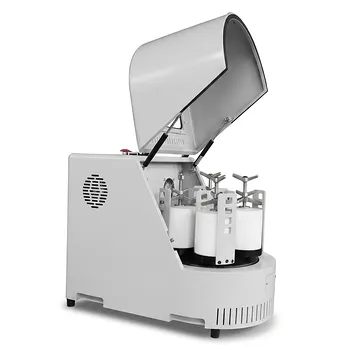
Vertical Semi Circular Planetary Ball Mill for Laboratory Precision Grinding

Vertical Production Planetary Ball Mill for High Throughput Powder Processing

Miniature Planetary Ball Mill with Vacuum Grinding and High Efficiency for Laboratory Sample Preparation
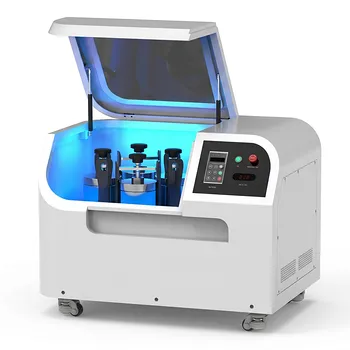
Planetary Ball Mill 12L
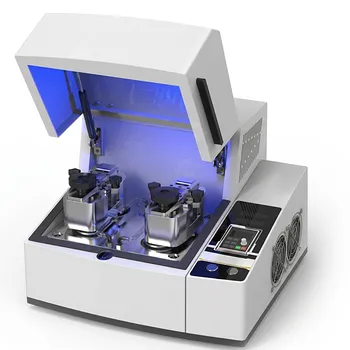
Laboratory Nano High Energy Ball Mill Ultrafine Grinding Mechanical Alloying

High Energy Omnidirectional Planetary Ball Mill 16L
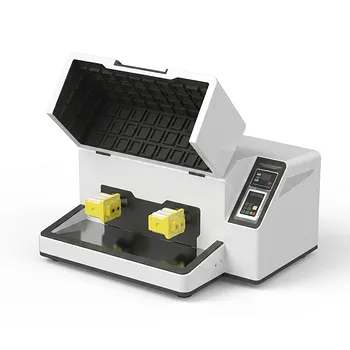
Multi-Platform Nanoscale High-Energy Vibratory Ball Mill
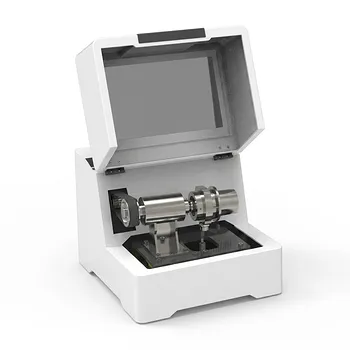
Single Tank High Energy Vibratory Ball Mill for Laboratory Grinding and Mixing
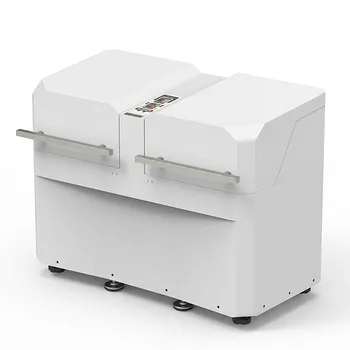
Dual Station Planetary Ball Mill 24L
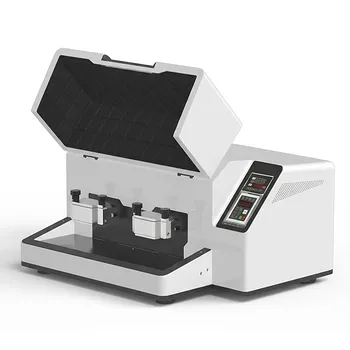
Nanoscale High-Energy Vibratory Ball Mill for Laboratory Sample Preparation, Mechanochemistry, and Mechanical Alloying

High Energy Planetary Ball Mill for Nano Scale Grinding and Mechanical Alloying
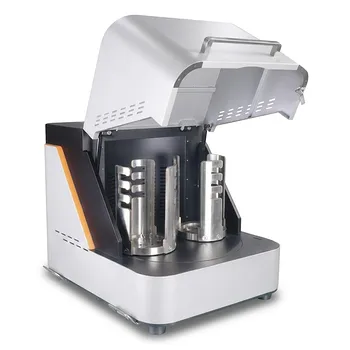
High Energy Laboratory Planetary Ball Mill for Nano Grinding and Colloidal Mixing of Hard and Brittle Materials
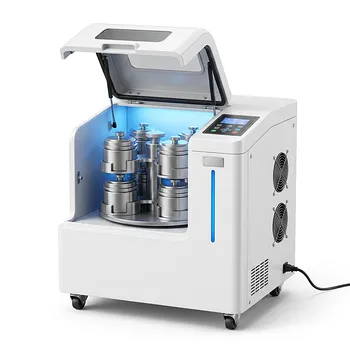
High Energy Omnidirectional Planetary Ball Mill 20L
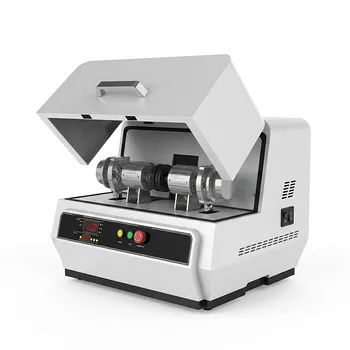
Dual Jar High Energy Vibratory Ball Mill
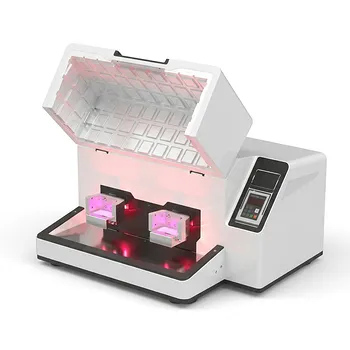
Nano High Energy Vibratory Ball Mill with Heating and Temperature Control
High Energy Hybrid Vibratory Ball Mill for Grinding Mixing and Cell Disruption
Nano High Energy Vibratory Ball Mill for Laboratory Sample Preparation