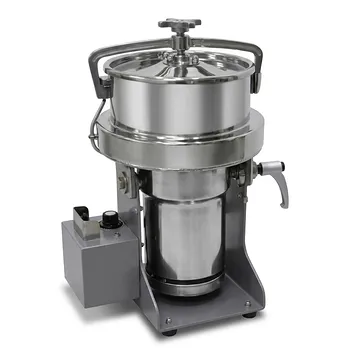
What is the primary role of the cryomilling process in the preparation of nanocrystalline copper powder? Refine Grains
Updated 4 months ago
The primary role of cryomilling in the preparation of nanocrystalline copper powder is to inhibit dynamic recovery and recrystallization. By performing high-energy ball milling in a cryogenic liquid nitrogen environment, the process effectively suppresses the thermal activation energy required for grain growth. This allows the copper particles to undergo intense plastic deformation and accumulate a high density of lattice defects, resulting in the rapid refinement of grains to the nanometer scale (typically around 32 nm).
Cryomilling serves as a critical stabilization technique that decouples mechanical energy input from thermal recovery. This enables the synthesis of ultra-fine, high-performance metallic powders that would otherwise lose their nanostructured properties due to heat-induced grain growth during conventional milling.
The Mechanics of Cryogenic Grain Refinement
Suppression of Thermal Recovery
During high-energy milling, a significant portion of mechanical energy is converted into heat, which usually triggers dynamic recovery in ductile metals like copper. Cryomilling uses liquid nitrogen to maintain temperatures between -160°C and -193°C, keeping the material well below its recrystallization threshold. This environment ensures that the energy remains "trapped" as structural strain rather than being dissipated through grain relaxation.
Accumulation of Lattice Defects
Because recovery is suppressed, the copper powder can sustain a much higher volume of dislocations, vacancies, and grain boundary defects. Under the high-speed impact of stainless steel grinding balls, these defects organize into new grain boundaries. This process accelerates the transition from coarse-grained structures to a nanocrystalline matrix in a remarkably short timeframe.
Prevention of Thermal Oxidation
Copper is highly susceptible to oxidation when exposed to heat and atmospheric oxygen. The use of a cryogenic medium like liquid nitrogen or argon creates an inert, ultra-low temperature shield around the particles. This prevents the formation of unwanted oxides and ensures the chemical purity of the resulting nanocrystalline powder.
Strategic Advantages for Material Performance
Achieving Steady-State Grain Size
Conventional milling often reaches a "limit" where grain refinement is balanced by thermal grain growth. Cryomilling shifts this equilibrium, allowing for a finer steady-state grain size than is possible at room temperature. For copper, this results in a highly refined structure that provides the foundation for high-strength bulk materials.
Controlling Alloying and Precipitation
In the production of copper alloys, cryomilling prevents the unnecessary precipitation of alloying elements during the refinement process. By keeping the system at ultra-low temperatures, researchers can maintain a supersaturated solid solution. This provides a broader range for composition control and the creation of unique, non-equilibrium phases.
Understanding the Trade-offs and Challenges
Equipment and Operational Complexity
The requirement for a continuous supply of liquid nitrogen and specialized cryogenic-rated milling jars increases operational costs significantly. Maintaining a vacuum or an inert seal at such low temperatures requires sophisticated hardware to prevent leaks or contamination.
Material Handling and Passivation
Nanocrystalline copper is extremely reactive due to its high surface-area-to-volume ratio. Once the powder is removed from the cryogenic environment, it must be handled with extreme care to prevent pyrophoric reactions or rapid grain growth at room temperature.
Energy Efficiency vs. Processing Time
While cryomilling achieves refinement much faster than traditional methods, the energy required to maintain the cryogenic state is substantial. The trade-off is between the high energy cost of cooling and the superior mechanical properties of the final nanostructured product.
Applying Cryomilling to Your Production Goals
Recommendations for Material Development
- If your primary focus is maximizing mechanical strength: Prioritize cryomilling to ensure the highest possible density of dislocations and the smallest achievable grain size.
- If your primary focus is chemical purity: Utilize the inert liquid nitrogen environment of cryomilling to prevent oxidation and atmospheric contamination during processing.
- If your primary focus is thermal stability: Use the cryomilled powder as a precursor for bimodal nanostructures, which balance high strength with better ductility.
By leveraging the unique thermal suppression of cryomilling, you can produce nanocrystalline copper powders that possess the structural integrity required for advanced powder metallurgy and additive manufacturing.
Summary Table:
| Feature | Cryomilling Advantage | Impact on Copper Powder |
|---|---|---|
| Temperature | -160°C to -193°C (LN2) | Inhibits dynamic recovery & recrystallization |
| Grain Size | Nanometer scale (~32 nm) | Maximizes mechanical strength & hardness |
| Atmosphere | Inert (Nitrogen/Argon) | Prevents thermal oxidation & ensures purity |
| Defect Density | High accumulation | Rapidly accelerates grain refinement |
Elevate Your Material Research with Expert Powder Solutions
Achieving the perfect nanocrystalline structure requires precision equipment designed for extreme conditions. At [Company Name], we provide complete laboratory sample preparation solutions tailored for material science and advanced powder processing.
Whether you are refining ductile metals or preparing high-purity alloys, our extensive product line supports your entire workflow:
- Advanced Milling: Liquid nitrogen cryogenic grinders, planetary ball mills, jet mills, and rotor mills for rapid grain refinement.
- Sample Preparation: Jaw/roll crushers, sieve shakers (vibratory/air-jet), and high-efficiency powder/defoaming mixers.
- Compaction Excellence: A full spectrum of hydraulic presses, including Cold/Warm Isostatic Presses (CIP/WIP), standard lab presses, and vacuum hot presses for superior material density.
Ready to optimize your lab's performance? Contact our technical team today to discuss how our specialized equipment can enhance your powder metallurgy and material development goals.
References
- Haiming Wen, Enrique J. Lavernia. The influence of oxygen and nitrogen contamination on the densification behavior of cryomilled copper powders during spark plasma sintering. DOI: 10.1007/s10853-010-5178-9
Mentioned Products
- Ultra-Low Temperature Cryogenic High-Energy Vibratory Ball Mill
- Water Cooled Cryogenic Ultra Fine Cell Wall Breaking Mill
- Vibratory Ultra-Low Temperature Ultrafine Grinder for Cryogenic Powder Processing
- Ultra-Low Temperature Vibratory Mill for Ultrafine Grinding
- Cryogenic Liquid Nitrogen Grinder for DNA Analysis and Polymer Pulverization with Automatic Cooling and Electromagnetic Impact Technology
People Also Ask
- How does a high-energy vibratory ball mill improve the performance of MgH2? Optimize Hydrogen Storage Kinetics
- What is the function of a high-energy vibratory ball mill in Cu-Ta alloys? Achieve Precision Mechanical Alloying
- What is the function of high-energy ball milling in ZnO membrane slurry prep? Optimize Homogenization & Dispersion
- What is the Role of HEBM in High-Entropy H-SOFC Cathode Prep? Achieving Atomic-Level Homogenization
- What is the importance of using a high-purity argon atmosphere during the high-energy ball milling of ceramic particles?

Tech Team · PowderPreparation
Last updated on Jun 03, 2026
Related Products
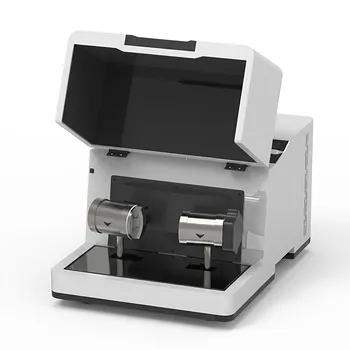
Ultra-Low Temperature Cryogenic High-Energy Vibratory Ball Mill
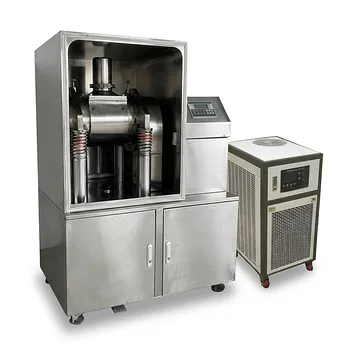
Water Cooled Cryogenic Ultra Fine Cell Wall Breaking Mill
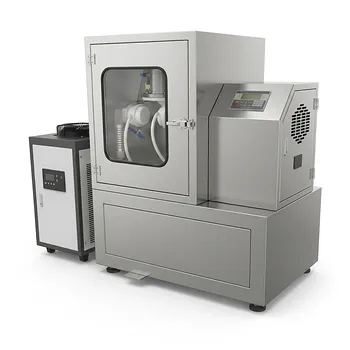
Vibratory Ultra-Low Temperature Ultrafine Grinder for Cryogenic Powder Processing
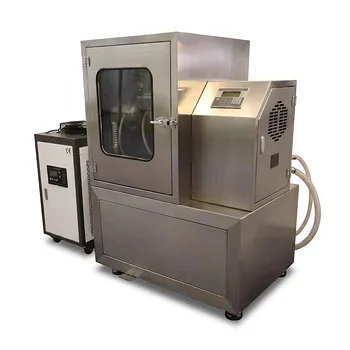
Ultra-Low Temperature Vibratory Mill for Ultrafine Grinding
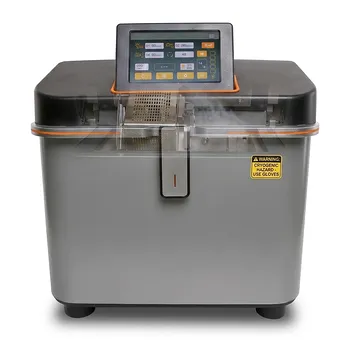
Cryogenic Liquid Nitrogen Grinder for DNA Analysis and Polymer Pulverization with Automatic Cooling and Electromagnetic Impact Technology
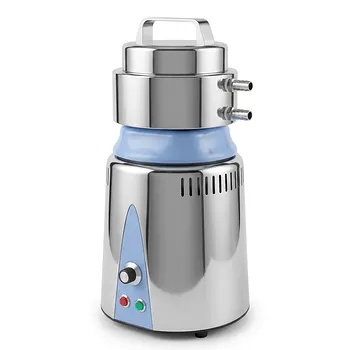
Low Temperature Laboratory Knife Mill Cryogenic Sample Grinder Material Science Powder Processing
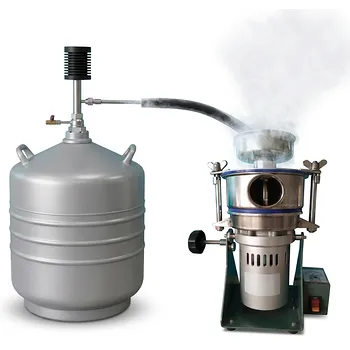
Cryogenic Liquid Nitrogen Grinder for Ultrafine Heat-Sensitive Powder Processing
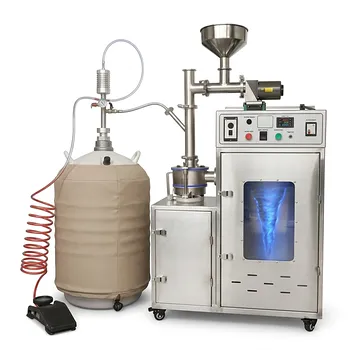
Small Liquid Nitrogen Cryogenic Grinder for Ultrafine Grinding of Heat-Sensitive Materials in Laboratories
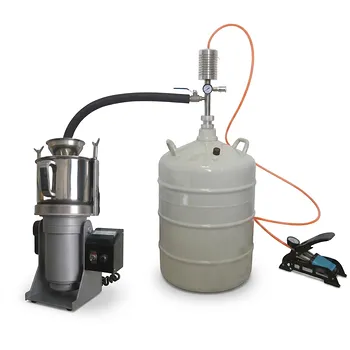
Liquid Nitrogen Cryogenic Grinder for Plastic and Heat-Sensitive Materials
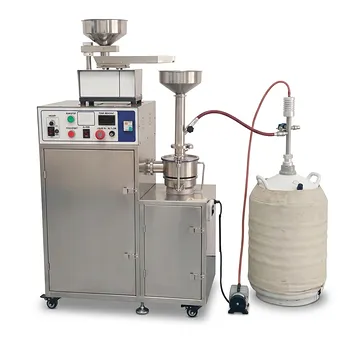
Small Liquid Nitrogen Cryogenic Grinder with Vibratory Feeder for Laboratory Sample Preparation
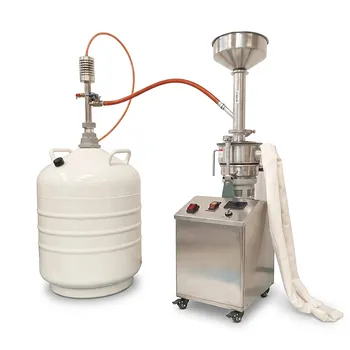
Laboratory Liquid Nitrogen Cryogenic Grinder for Polymer and Elastomer Materials
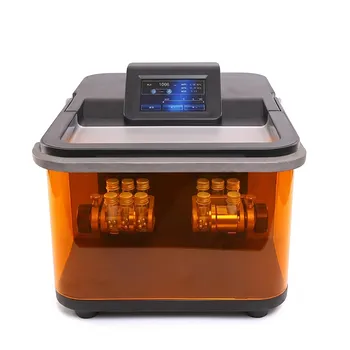
High Throughput Micro Ball Mill for Cryogenic Grinding and Laboratory Cell Disruption
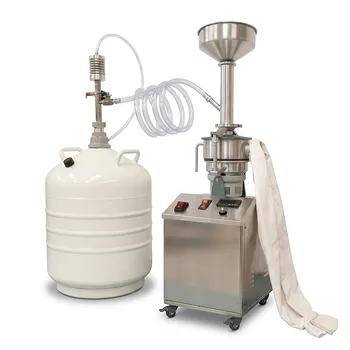
Laboratory Cryogenic Grinder Liquid Nitrogen Low Temperature Ultrafine Grinding
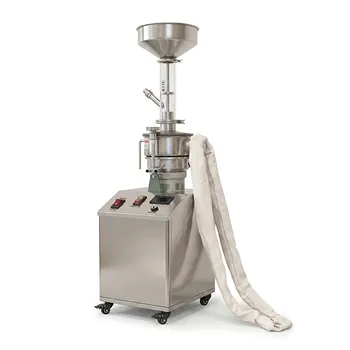
Small Liquid Nitrogen Cryogenic Grinder for Plastic and Heat-Sensitive Material Sample Preparation
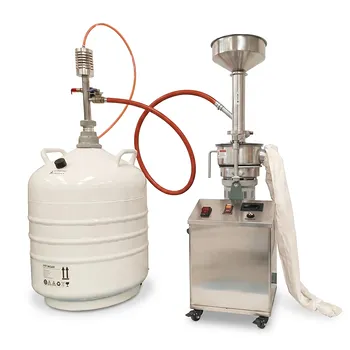
Laboratory Liquid Nitrogen Cryogenic Grinder Polymer Sample Preparation Pulverizer
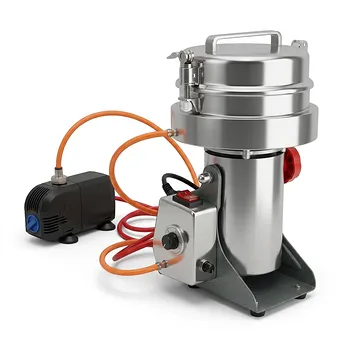
Water Cooled High Speed Grinder with Cryogenic Option for Laboratory Sample Preparation
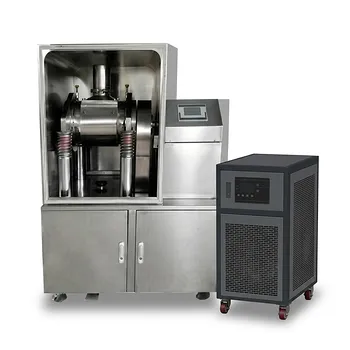
Ultra-low Temperature Vibratory Mill Ultrafine Grinder
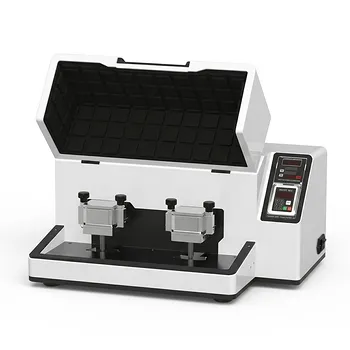
Nanoscale High Energy Vibratory Ball Mill Low Temperature
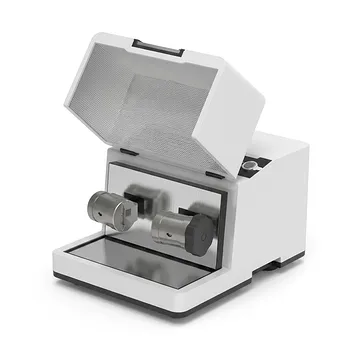
Heating Temperature Controlled High Energy Vibratory Ball Mill