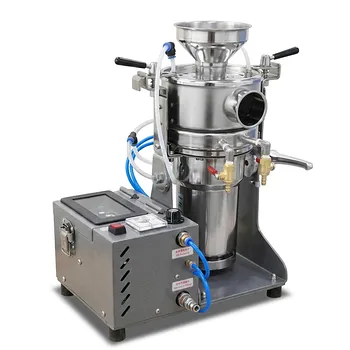
What is the primary purpose of using a cryogenic stirrer mill for pure titanium powder? Achieve Nanoscale Refinement
Updated 5 months ago
The primary purpose of a cryogenic stirrer mill is to achieve extreme grain refinement of titanium powder to the nanometer scale. By operating in an ultra-low temperature environment, the mill effectively inhibits recovery and dynamic recrystallization, processes that would otherwise allow the metal to "heal" itself during mechanical deformation. This results in a highly active, nanostructured powder that serves as the essential raw material for producing high-performance, ultrafine-grained bulk materials.
Core Takeaway: Cryomilling leverages ultra-low temperatures to suppress thermally activated processes, allowing titanium to reach grain sizes as small as 20–30 nanometers through the accumulation of extreme mechanical defects.
Inhibiting Thermal Recovery and Recrystallization
The Role of Temperature Control
In traditional room-temperature milling, the intense mechanical energy generates heat that triggers dynamic recrystallization. This thermal energy allows the grain structure to reorganize, effectively "undoing" the refinement caused by the milling.
Suppressing Metal Defect Mobility
The cryogenic environment—often utilizing liquid argon—significantly restricts the mobility of metal defects like vacancies and dislocations. By keeping these defects "frozen" in place, the material remains in a state of continuous work hardening.
Achieving Nanometer-Scale Refinement
Because the material cannot recover, it accumulates high densities of grain boundary defects under extremely high strain rates. This allows commercially pure titanium powder to be refined to 20–30 nanometers within a very short operational period.
Mechanical Mechanisms of Cryomilling
High-Energy Plastic Deformation
A cryogenic stirrer mill utilizes high-frequency collisions and intense mechanical shear forces to deform the powder particles. This "top-down" approach forces the titanium through severe plastic deformation (SPD), breaking down the micro-scale structure.
Enhancing Powder Activity
The resulting nanostructured powder is characterized by a high specific surface area and a high state of internal energy. This "highly active" state is critical for the success of subsequent consolidation processes used to create bulk components.
Preventing Impurity Diffusion
At ultra-low temperatures, the diffusion rate of impurity elements is significantly reduced. This ensures that the high-purity characteristics of the titanium are maintained, even as the surface area increases and the material becomes more reactive.
Understanding the Trade-offs
Equipment and Operational Costs
Cryogenic stirrer mills require a constant supply of liquid cooling media, such as liquid argon or nitrogen, making them more expensive to operate than standard ball mills. The specialized hardware must also be designed to withstand extreme thermal cycling and high mechanical stress.
Material Handling Challenges
The highly active nature of nanostructured titanium powder makes it pyrophoric (liable to ignite spontaneously in air). This requires specialized inert gas handling and storage protocols to prevent oxidation or combustion during and after the milling process.
Processing Time vs. Contamination
While cryomilling achieves refinement quickly, prolonged milling can lead to media wear, introducing small amounts of grinding media (such as steel or ceramic) into the pure titanium. Balancing milling duration with the desired grain size is essential for maintaining purity.
How to Apply This to Your Project
Making the Strategic Decision
- If your primary focus is Maximum Strength: Use cryomilling to reach the 20-30nm grain size, which provides the highest possible dislocation density for subsequent sintering.
- If your primary focus is Chemical Purity: Ensure the use of liquid argon rather than nitrogen to prevent the formation of titanium nitrides, and monitor milling time to minimize media contamination.
- If your primary focus is Cost Efficiency: Consider if sub-micrometer refinement (rather than true nanometer scale) is sufficient, as standard high-energy milling may be more economical for less demanding applications.
By suppressing the natural tendency of titanium to recover from deformation, cryogenic stirrer mills provide the only reliable pathway to mass-producing high-quality, nanostructured titanium powders.
Summary Table:
| Key Feature | Impact on Titanium Powder Preparation |
|---|---|
| Cryogenic Environment | Suppresses dynamic recrystallization and thermal recovery |
| Mechanical Shear | Drives extreme grain refinement down to 20–30 nanometers |
| Low Thermal Energy | Minimizes impurity diffusion, maintaining high chemical purity |
| High Surface Activity | Creates high-energy powders essential for bulk consolidation |
Elevate Your Material Research with Precision Powder Solutions
Achieving the perfect nanostructured titanium powder requires specialized technology to suppress thermal recovery. [Insert Brand Name] provides complete laboratory sample preparation solutions for material science, specializing in powder processing and compaction equipment that ensures superior results.
Our extensive product line supports your entire workflow:
- Milling & Grinding: Liquid nitrogen cryogenic grinders, planetary ball mills, jet mills, and rotor mills.
- Sample Preparation: Jaw/roll crushers, sieve shakers, and advanced powder mixers.
- High-Pressure Compaction: A full spectrum of hydraulic presses, including Cold/Warm Isostatic Presses (CIP/WIP), vacuum hot presses, and XRF pellet presses.
Whether you are a researcher focused on grain refinement or a distributor looking for reliable OEM/ODM support and certified equipment, we bring unparalleled value to your lab. Contact our experts today to find your solution!
References
- Jiří Kozlík, Miloš Janeček. Microstructure and texture in cryomilled and spark plasma sintered Ti Grade 2. DOI: 10.1051/matecconf/202032112030
Mentioned Products
- Vibratory Ultra-Low Temperature Ultrafine Grinder for Cryogenic Powder Processing
- Small Liquid Nitrogen Cryogenic Grinder for Ultrafine Grinding of Heat-Sensitive Materials in Laboratories
- Water Cooled Cryogenic Ultra Fine Cell Wall Breaking Mill
- Ultra-Low Temperature Vibratory Mill for Ultrafine Grinding
- Cryogenic Liquid Nitrogen Grinder for DNA Analysis and Polymer Pulverization with Automatic Cooling and Electromagnetic Impact Technology
People Also Ask
- How cryogenic vibration mills assist cellulose analysis? Achieve High-Precision Substitution Degree Measurements
- What is the primary role of the cryomilling process in the preparation of nanocrystalline copper powder? Refine Grains
- What is the impact of grinding time on drug-loaded powders in cryogenic grinding? Optimize Morphology & Performance
- Why is cryogenic milling using liquid nitrogen necessary during the mechanical alloying of Cu-Ta alloy powders? Key Benefits
- How does cryogenic milling affect the dispersion and structural integrity of graphene in polymer nanocomposites? Guide.

Tech Team · PowderPreparation
Last updated on May 14, 2026
Related Products
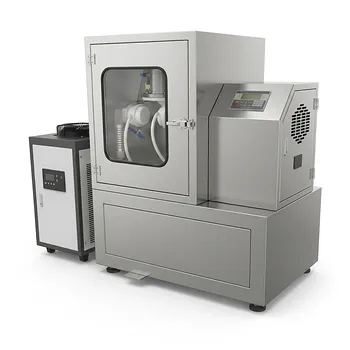
Vibratory Ultra-Low Temperature Ultrafine Grinder for Cryogenic Powder Processing
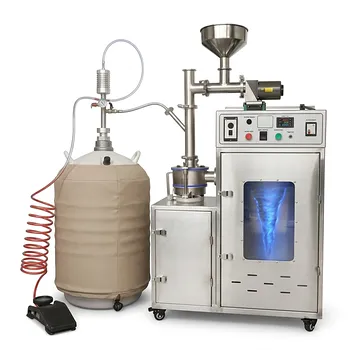
Small Liquid Nitrogen Cryogenic Grinder for Ultrafine Grinding of Heat-Sensitive Materials in Laboratories
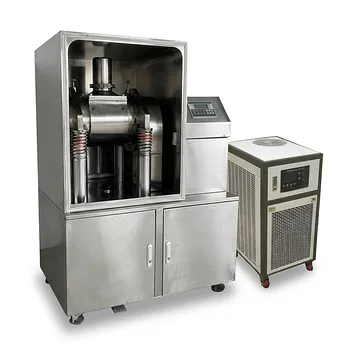
Water Cooled Cryogenic Ultra Fine Cell Wall Breaking Mill
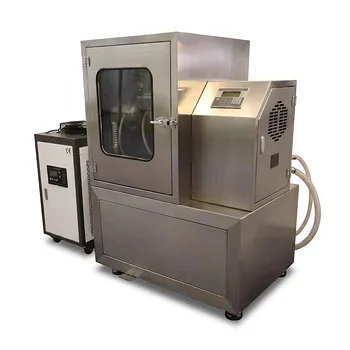
Ultra-Low Temperature Vibratory Mill for Ultrafine Grinding
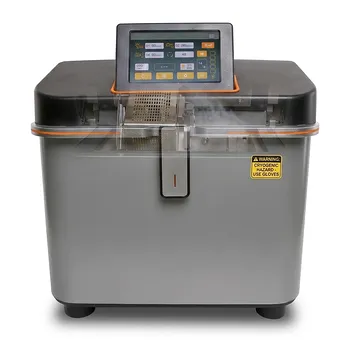
Cryogenic Liquid Nitrogen Grinder for DNA Analysis and Polymer Pulverization with Automatic Cooling and Electromagnetic Impact Technology
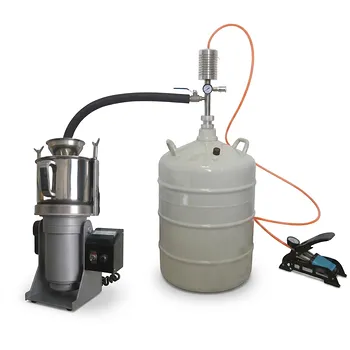
Liquid Nitrogen Cryogenic Grinder for Plastic and Heat-Sensitive Materials
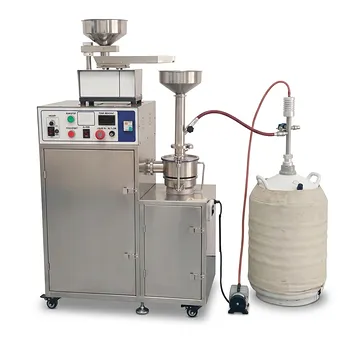
Small Liquid Nitrogen Cryogenic Grinder with Vibratory Feeder for Laboratory Sample Preparation
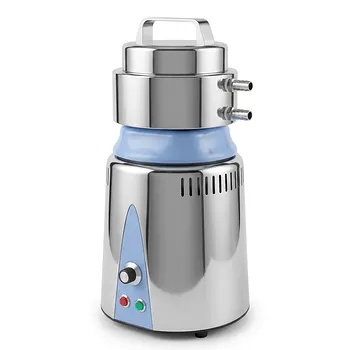
Low Temperature Laboratory Knife Mill Cryogenic Sample Grinder Material Science Powder Processing
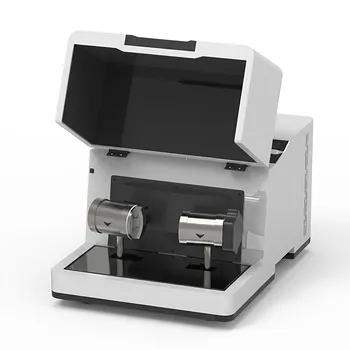
Ultra-Low Temperature Cryogenic High-Energy Vibratory Ball Mill
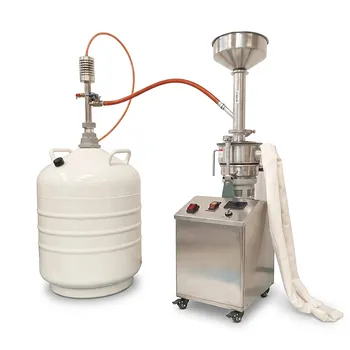
Laboratory Liquid Nitrogen Cryogenic Grinder for Polymer and Elastomer Materials
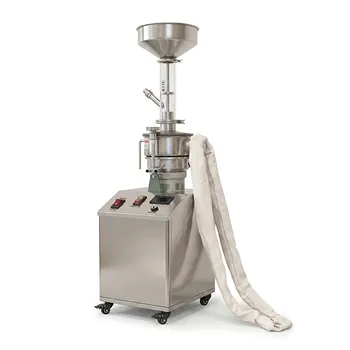
Small Liquid Nitrogen Cryogenic Grinder for Plastic and Heat-Sensitive Material Sample Preparation
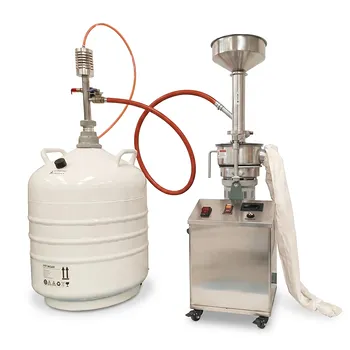
Laboratory Liquid Nitrogen Cryogenic Grinder Polymer Sample Preparation Pulverizer
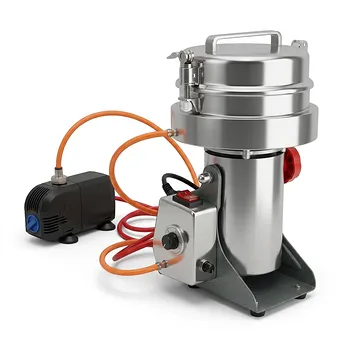
Water Cooled High Speed Grinder with Cryogenic Option for Laboratory Sample Preparation
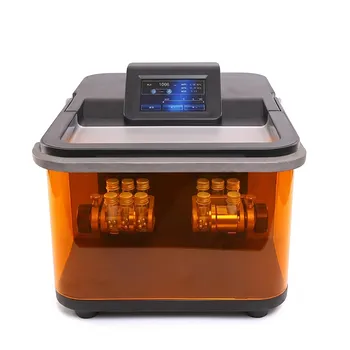
High Throughput Micro Ball Mill for Cryogenic Grinding and Laboratory Cell Disruption
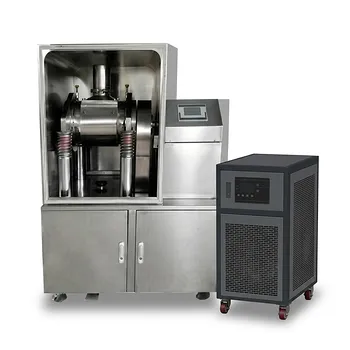
Ultra-low Temperature Vibratory Mill Ultrafine Grinder
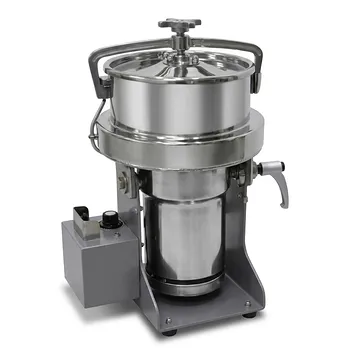
500g Capacity Water Cooled Low Temperature Grinder with Variable Speed and Safety Cover
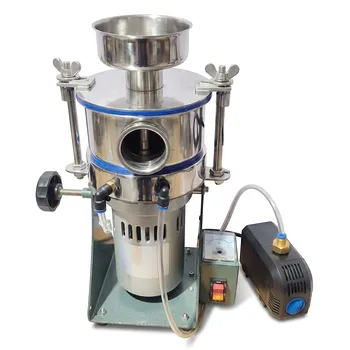
Water Cooled Airflow Ultra Fine Grinder for Low Temperature Material Processing
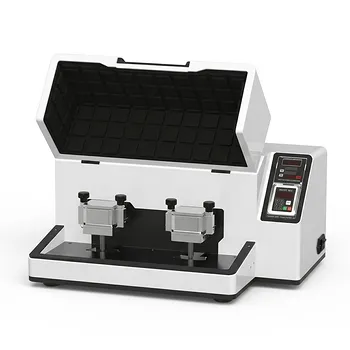
Nanoscale High Energy Vibratory Ball Mill Low Temperature
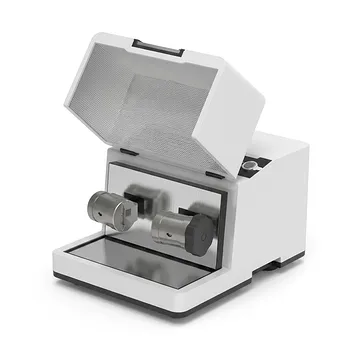
Heating Temperature Controlled High Energy Vibratory Ball Mill