Why is cryogenic milling using liquid nitrogen necessary during the mechanical alloying of Cu-Ta alloy powders? Key Benefits
Updated 4 months ago
Cryogenic milling is essential for Cu-Ta alloys because it provides the extreme thermal regulation required to prevent grain growth and oxidation during high-energy processing. By maintaining an ultra-low temperature environment, typically around -196°C, liquid nitrogen allows for the creation of stable nanocrystalline structures that would otherwise be destroyed by the heat generated through mechanical friction and impact.
Core Takeaway: Liquid nitrogen cryogenic milling decouples the mechanical energy needed for alloying from the thermal energy that causes microstructural degradation, ensuring the final Cu-Ta powder achieves maximum grain refinement and chemical purity.
Thermal Management and Structural Integrity
Dissipating High-Energy Heat
High-energy mechanical alloying converts a significant portion of kinetic energy into heat through friction and plastic deformation. Without active cooling, this temperature spike can cause the Cu-Ta powder to soften, leading to cold welding where particles fuse together rather than fracturing into smaller sizes.
Inhibiting Recovery and Recrystallization
The primary goal of alloying Cu-Ta is often to achieve a nanocrystalline structure, which provides superior mechanical properties. Liquid nitrogen suppresses the thermal diffusion of atoms, effectively "freezing" the microstructure and preventing the recovery or recrystallization that naturally occurs when metals are heated.
Preventing Oxidation and Degradation
Metal powders, particularly when refined to the nanoscale, have high surface area and are highly reactive. The nitrogen environment displaces oxygen, creating an oxygen-deficient atmosphere that minimizes oxidation and ensures the chemical purity of the final alloy.
Enhancing Milling Efficiency through Brittleness
Promoting Material Embrittlement
At room temperature, copper is highly ductile, which makes it resistant to fracturing during grinding. Cryogenic temperatures bring the material closer to its embrittlement point, increasing its susceptibility to brittle fracture and allowing for a much finer final particle size.
Accelerating Grain Refinement
By increasing the brittleness of the powder, cryogenic milling allows for more rapid dislocation accumulation. This acceleration in the fracturing process leads to the formation of a thermally stable nanocrystalline structure in a significantly shorter processing duration compared to standard milling.
Maintaining Metastable States
In systems like Cu-Ta, researchers often aim for metastable or amorphous phases. The constant circulation of liquid nitrogen prevents the premature crystallization of these structures, preserving the unique magnetic or mechanical characteristics inherent in the metastable state.
Understanding the Trade-offs
Nitrogen Contamination Risks
While nitrogen is generally inert, high-energy milling can sometimes force nitrogen atoms into the lattice of the metal as interstitial impurities. For certain high-purity applications, this may alter the chemical profile or mechanical behavior of the alloy in unintended ways.
Increased Operational Complexity
Implementing a cryogenic system requires specialized equipment capable of handling continuous liquid nitrogen circulation. This adds significant costs related to cryogen consumption and necessitates robust safety protocols to manage the risks of asphyxiation and pressure build-up from vaporizing gas.
Potential for Media Damage
The extreme cold that makes the powder brittle also affects the milling media and vials. If the materials used for the balls and containers are not rated for cryogenic temperatures, they may become prone to cracking or shattering under the high-impact forces of the mill.
How to Apply This to Your Project
When deciding on the parameters for your mechanical alloying process, consider the specific requirements of your end product:
- If your primary focus is maximum grain refinement: Use continuous liquid nitrogen flow to maintain the lowest possible temperature, which maximizes dislocation density and inhibits grain growth.
- If your primary focus is chemical purity: Ensure the milling vial is hermetically sealed and purged with nitrogen to prevent even trace amounts of oxygen from reacting with the fresh metal surfaces.
- If your primary focus is cost-efficiency: Consider a hybrid approach where cryogenic cooling is used only during the final stages of refinement to lock in the nanostructure after the initial mixing is complete.
The strategic use of liquid nitrogen transforms mechanical alloying from a simple mixing process into a precise tool for engineering advanced, high-performance nanocrystalline materials.
Summary Table:
| Feature | Standard Milling (Room Temp) | Cryogenic Milling (-196°C) |
|---|---|---|
| Thermal Regulation | High risk of friction-induced heat | Active dissipation of kinetic heat |
| Microstructure | Prone to grain growth/recrystallization | Stable nanocrystalline structure |
| Material State | Ductile (resists fracturing) | Embrittled (promotes fine grinding) |
| Chemical Purity | Potential oxidation from ambient air | Oxygen-deficient nitrogen atmosphere |
| Particle Behavior | Cold welding and fusion likely | Rapid fracture and accumulation |
Elevate Your Material Research with Expert Sample Preparation
Unlock the full potential of your nanocrystalline alloys with precision-engineered equipment from our specialized laboratories. At our facility, we provide complete laboratory sample preparation solutions for material science, focusing on the rigorous demands of powder processing and compaction.
Whether you are developing advanced Cu-Ta alloys or exploring new metastable states, our extensive product lines are designed to deliver maximum grain refinement and chemical purity. Our offerings include:
- Advanced Grinding & Milling: High-performance liquid nitrogen cryogenic grinders, planetary ball mills, jet mills, and disc mills.
- Sizing & Mixing: Vibratory and air-jet sieve shakers, powder mixers, and defoaming mixers.
- Superior Compaction: A full spectrum of hydraulic presses, including Cold/Warm Isostatic Presses (CIP/WIP), vacuum hot presses, and XRF pellet presses.
Don't let thermal degradation compromise your results. Let our expertise in high-energy milling and thermal management support your next breakthrough. Contact us today to find the perfect solution for your lab!
References
- B.C. Hornbuckle, K. Darling. Direct observation of deformation and resistance to damage accumulation during shock loading of stabilized nanocrystalline Cu-Ta alloys. DOI: 10.1038/s41467-024-53142-3
Mentioned Products
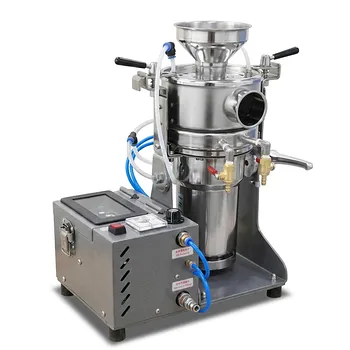
- Small Liquid Nitrogen Cryogenic Grinder for Ultrafine Grinding of Heat-Sensitive Materials in Laboratories
- Cryogenic Liquid Nitrogen Grinder for DNA Analysis and Polymer Pulverization with Automatic Cooling and Electromagnetic Impact Technology
- Cryogenic Liquid Nitrogen Grinder for Ultrafine Heat-Sensitive Powder Processing
- Laboratory Cryogenic Grinder Liquid Nitrogen Low Temperature Ultrafine Grinding
- Liquid Nitrogen Cryogenic Grinder for Plastic and Heat-Sensitive Materials
People Also Ask
- What are the advantages of using liquid nitrogen Cryomilling? Achieve ultra-fine grains and high chemical purity.
- How does liquid nitrogen as a processing medium affect copper powder beyond cooling? Impacts on Purity & Sintering
- What is the function of liquid nitrogen cryogenic grinding in the initial preparation of PHBH polymer powder? Key Roles
- Why is liquid nitrogen cryogenic grinding used for coal and microbial experiments? Preserve Sample Integrity
- Why use liquid nitrogen cryogenic grinding for polymer degradation? Preserve sample integrity & prevent thermal damage

Tech Team · PowderPreparation
Last updated on Jun 03, 2026
Related Products
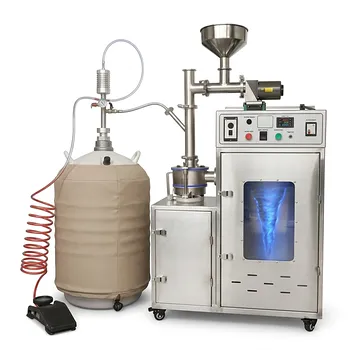
Small Liquid Nitrogen Cryogenic Grinder for Ultrafine Grinding of Heat-Sensitive Materials in Laboratories
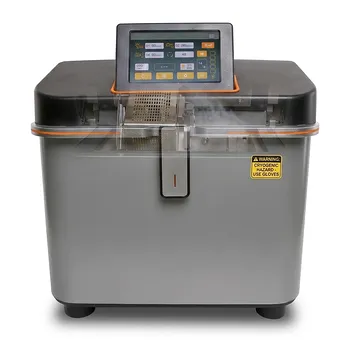
Cryogenic Liquid Nitrogen Grinder for DNA Analysis and Polymer Pulverization with Automatic Cooling and Electromagnetic Impact Technology
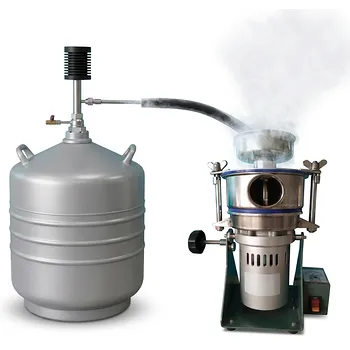
Cryogenic Liquid Nitrogen Grinder for Ultrafine Heat-Sensitive Powder Processing
Laboratory Cryogenic Grinder Liquid Nitrogen Low Temperature Ultrafine Grinding
Liquid Nitrogen Cryogenic Grinder for Plastic and Heat-Sensitive Materials
Small Liquid Nitrogen Cryogenic Grinder for Plastic and Heat-Sensitive Material Sample Preparation
Small Liquid Nitrogen Cryogenic Grinder with Vibratory Feeder for Laboratory Sample Preparation
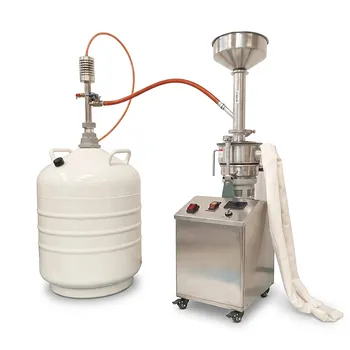
Laboratory Liquid Nitrogen Cryogenic Grinder for Polymer and Elastomer Materials
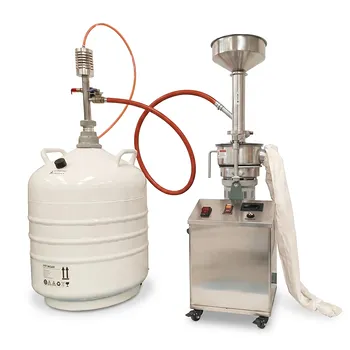
Laboratory Liquid Nitrogen Cryogenic Grinder Polymer Sample Preparation Pulverizer
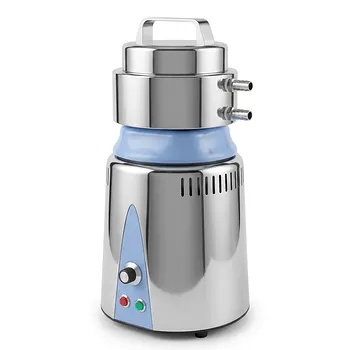
Low Temperature Laboratory Knife Mill Cryogenic Sample Grinder Material Science Powder Processing
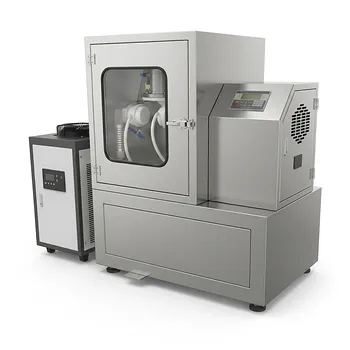
Vibratory Ultra-Low Temperature Ultrafine Grinder for Cryogenic Powder Processing
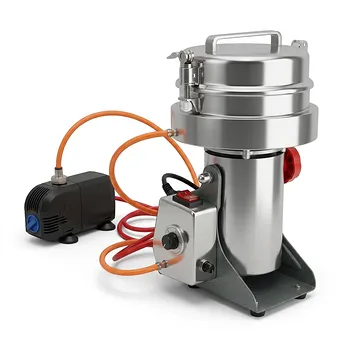
Water Cooled High Speed Grinder with Cryogenic Option for Laboratory Sample Preparation
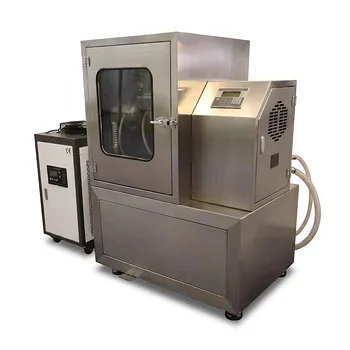
Ultra-Low Temperature Vibratory Mill for Ultrafine Grinding
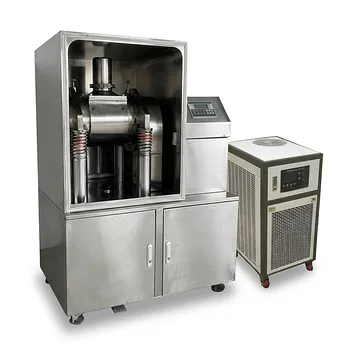
Water Cooled Cryogenic Ultra Fine Cell Wall Breaking Mill
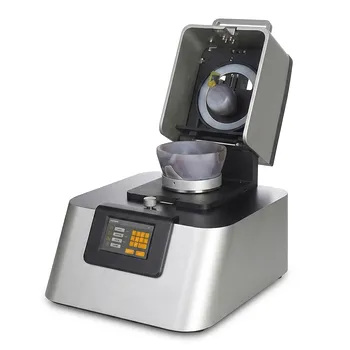
Laboratory Mortar Grinder for Sample Preparation and Cryogenic Powder Homogenization
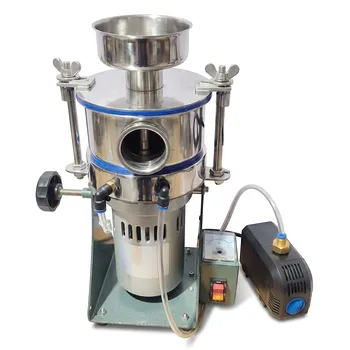
Water Cooled Airflow Ultra Fine Grinder for Low Temperature Material Processing
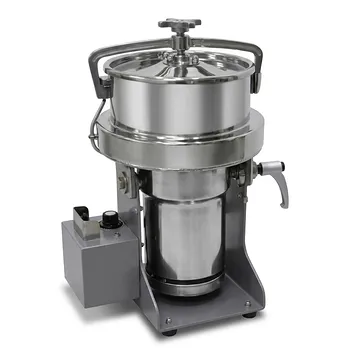
500g Capacity Water Cooled Low Temperature Grinder with Variable Speed and Safety Cover
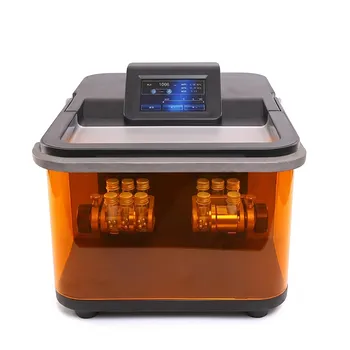
High Throughput Micro Ball Mill for Cryogenic Grinding and Laboratory Cell Disruption
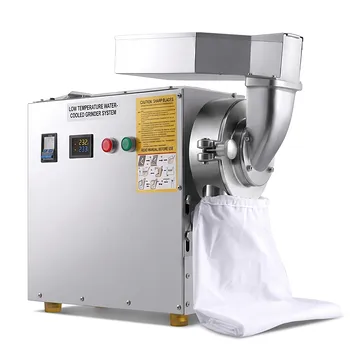
Low Temperature Water Cooled Continuous Feed Grinder Two Stage Coarse and Fine Grinding System