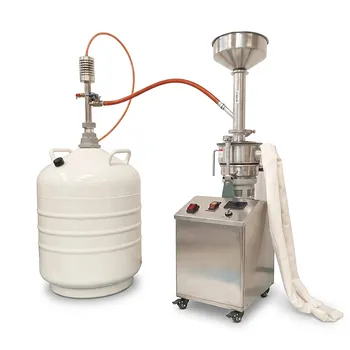
What is the function of cryomilling in the preparation of bimodal nanostructured metals? Achieve Superior Alloy Strength
Updated 4 months ago
Cryomilling is the foundational process used to engineer the ultra-fine grain structures required for high-strength bimodal metals. By performing high-energy ball milling within a liquid nitrogen environment, the process suppresses the natural thermal recovery and recrystallization that typically occur during metal deformation. This allows for the creation of an ultra-fine nanocrystalline matrix, which is then combined with coarser grains to produce a material that is both exceptionally strong and ductile.
Core Takeaway: The primary function of cryomilling is to inhibit the thermal processes of recovery and recrystallization, allowing metal powders to accumulate extreme levels of lattice defects and reach nanocrystalline grain sizes that would be impossible at room temperature.
The Mechanism of Cryogenic Grain Refinement
Inhibiting Recovery and Recrystallization
During standard high-energy milling, the heat generated by mechanical impact often triggers dynamic recovery, where atoms rearrange to "heal" defects. Cryomilling uses liquid nitrogen to maintain ultra-low temperatures, effectively "freezing" the microstructure and preventing these restorative processes. This ensures that the energy from the milling balls is used entirely for grain refinement rather than being lost to heat-induced grain growth.
Accumulation of High-Density Defects
By suppressing recovery, cryomilling allows for the massive accumulation of dislocations, vacancies, and grain boundary defects. These defects are the "building blocks" of a nanostructured material, as they force the metal to subdivide into smaller and smaller grain units under the stress of the milling media. This results in grain sizes that can reach 20-30 nanometers in a relatively short timeframe.
Increasing Material Brittleness for Processing
Cryogenic temperatures significantly reduce the fracture toughness and ductility of metal powders, particularly in ductile metals like aluminum or copper. This induced brittleness makes it easier for mechanical forces to fracture the particles rather than simply deforming them. This acceleration of the particle fracture process leads to high dimensional precision and the efficient production of sub-micron powders.
Engineering the Bimodal Structure
Establishing the Nanocrystalline Matrix
The most critical role of cryomilling in bimodal preparation is the creation of the nanocrystalline matrix. This ultra-fine-grained phase provides the primary strengthening effect in the final bulk material. The small grain size restricts dislocation movement, leading to a significant increase in yield strength compared to conventional alloys.
Creating the Foundation for Work-Hardening
A bimodal nanostructure consists of a nanocrystalline matrix embedded with larger, coarse grains. Cryomilling is the controlled method used to produce the nanocrystalline component, which is then blended or partially processed to retain some coarse-grained regions. This specific architecture allows the material to maintain work-hardening capabilities, preventing the premature failure often seen in purely nanocrystalline metals.
Preventing Oxidation and Degradation
Performing the refinement in an inert cryogenic medium like liquid nitrogen or argon protects the high-surface-area powders from oxidation. At the nanoscale, metals become highly reactive; the cryogenic environment acts as a shield, ensuring the chemical purity of the powder remains intact during the intense mechanical processing.
Understanding the Trade-offs and Challenges
Contamination from Milling Media
The high-speed impact of stainless steel or ceramic grinding balls can introduce impurities into the metal powder. While the cryogenic environment prevents thermal degradation, the mechanical abrasion of the milling equipment remains a risk for high-purity applications.
Energy and Cooling Costs
Cryomilling is an energy-intensive process that requires a continuous supply of liquid cryogens. The cost of maintaining an ultra-low temperature environment and the specialized equipment needed to handle cryogenic fluids make this more expensive than traditional room-temperature milling.
Complexity in Scale-up
Achieving a uniform bimodal distribution across large batches of powder can be difficult. If the cryomilling time or temperature is not strictly controlled, the resulting powder may lack the necessary microstructural homogeneity, leading to inconsistent mechanical properties in the final consolidated part.
How to Apply Cryomilling to Your Project
Making the Right Choice for Your Goal
To effectively utilize cryomilling in the development of bimodal nanostructured metals, consider the following strategic approaches:
- If your primary focus is Maximum Yield Strength: Extend the cryomilling duration to ensure the highest possible volume fraction of the nanocrystalline matrix.
- If your primary focus is Balanced Ductility: Use a shorter cryomilling cycle or blend cryomilled nanocrystalline powder with a percentage of unmilled coarse-grained powder to ensure work-hardening capacity.
- If your primary focus is High-Purity Alloys: Utilize liquid argon instead of nitrogen to avoid any potential nitridation of reactive metals like titanium or lithium.
Cryomilling remains the most effective method for overcoming the thermal limits of metal refinement, providing the essential nanocrystalline components required for the next generation of high-performance bimodal materials.
Summary Table:
| Key Function | Mechanism | Impact on Final Material |
|---|---|---|
| Thermal Suppression | Liquid nitrogen inhibits dynamic recovery | Maintains stable nanostructure during milling |
| Grain Refinement | Accumulates high-density lattice defects | Achieves ultra-fine grain sizes (20-30 nm) |
| Brittleness Induction | Reduces fracture toughness at low temps | Accelerates particle fracture and processing speed |
| Oxidation Control | Inert cryogenic environment | Ensures high chemical purity of sub-micron powders |
| Matrix Formation | Establishes the nanocrystalline phase | Significant increase in yield strength and hardness |
Elevate Your Material Science Research with Precision Equipment
To achieve the perfect bimodal nanostructure, you need reliable and high-performance laboratory tools. We specialize in providing complete laboratory sample preparation solutions tailored for material science and powder metallurgy.
Whether you are refining grains with our liquid nitrogen cryogenic grinders, utilizing planetary ball, jet, or rotor mills for powder processing, or consolidating materials using our advanced Cold/Warm Isostatic Presses (CIP/WIP) and vacuum hot presses, our equipment is designed for precision and durability. From initial crushing to final pelletizing and sintering, we support your entire workflow with specialized sieve shakers, mixers, and hydraulic presses.
Ready to optimize your powder processing results? Contact our experts today to find the ideal equipment solution for your lab!
References
- Xiang Guo, George J. Weng. Ballistic Performance of Nanostructured Metals Toughened by Elliptical Coarse-Grained Inclusions: A Finite Element Study with Failure Analysis. DOI: 10.3390/ma11060977
Mentioned Products
- Water Cooled Cryogenic Ultra Fine Cell Wall Breaking Mill
- Cryogenic Liquid Nitrogen Grinder for Ultrafine Heat-Sensitive Powder Processing
- Laboratory Liquid Nitrogen Cryogenic Grinder Polymer Sample Preparation Pulverizer
- Small Liquid Nitrogen Cryogenic Grinder with Vibratory Feeder for Laboratory Sample Preparation
- Ultra-Low Temperature Vibratory Mill for Ultrafine Grinding
People Also Ask
- What is the primary role of the cryomilling process in the preparation of nanocrystalline copper powder? Refine Grains
- Why use mixed-diameter balls for copper cryogenic milling? Achieve Superior Nanocrystalline Powder Refinement
- What are the advantages of using liquid nitrogen-driven cryomilling compared to room-temperature ball milling for high-entropy alloys?
- What is the role of a high-energy cryogenic grinder in Al-Gr nanocomposites? Optimize Refinement & Dispersion
- What is the function of cryogenic grinders in ASD pre-mixing? Achieve Superior API Homogeneity and Thermal Stability.

Tech Team · PowderPreparation
Last updated on Jun 03, 2026
Related Products
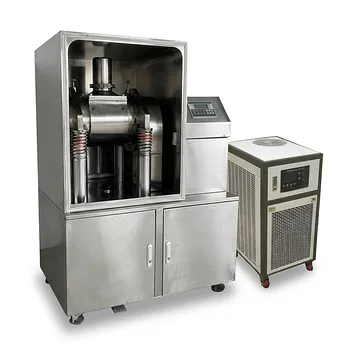
Water Cooled Cryogenic Ultra Fine Cell Wall Breaking Mill
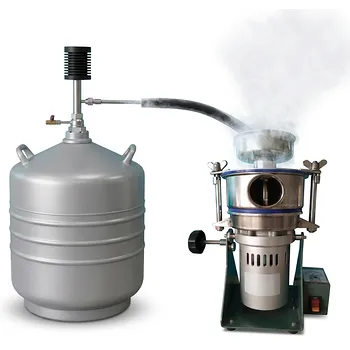
Cryogenic Liquid Nitrogen Grinder for Ultrafine Heat-Sensitive Powder Processing
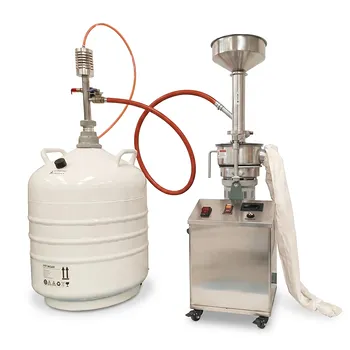
Laboratory Liquid Nitrogen Cryogenic Grinder Polymer Sample Preparation Pulverizer
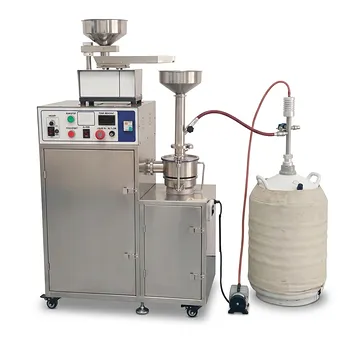
Small Liquid Nitrogen Cryogenic Grinder with Vibratory Feeder for Laboratory Sample Preparation
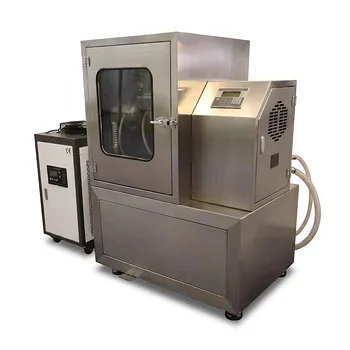
Ultra-Low Temperature Vibratory Mill for Ultrafine Grinding
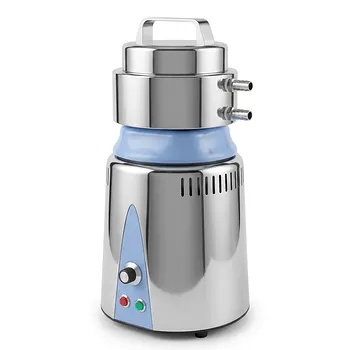
Low Temperature Laboratory Knife Mill Cryogenic Sample Grinder Material Science Powder Processing
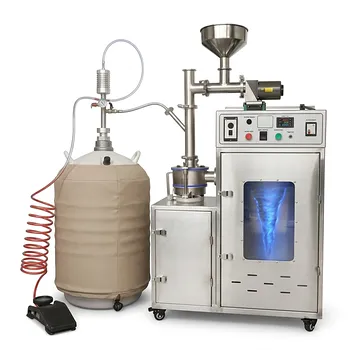
Small Liquid Nitrogen Cryogenic Grinder for Ultrafine Grinding of Heat-Sensitive Materials in Laboratories
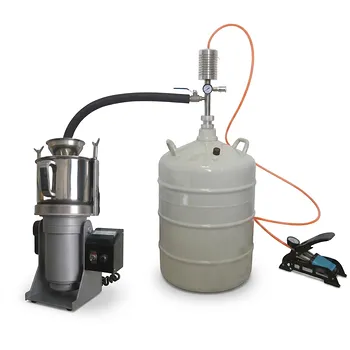
Liquid Nitrogen Cryogenic Grinder for Plastic and Heat-Sensitive Materials
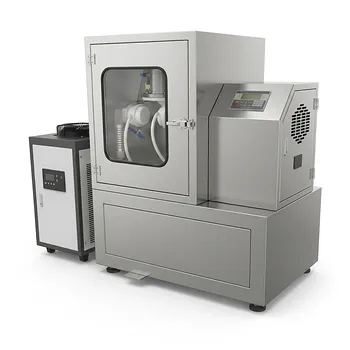
Vibratory Ultra-Low Temperature Ultrafine Grinder for Cryogenic Powder Processing
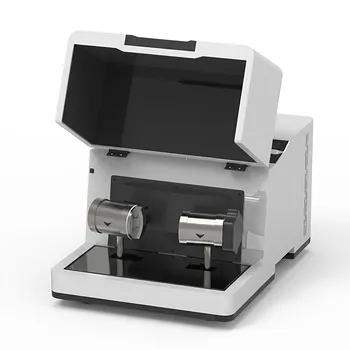
Ultra-Low Temperature Cryogenic High-Energy Vibratory Ball Mill
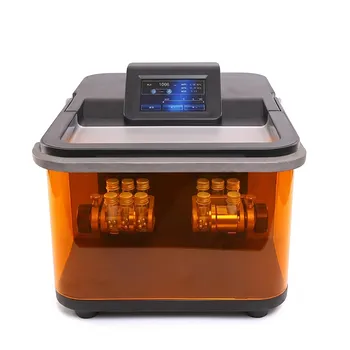
High Throughput Micro Ball Mill for Cryogenic Grinding and Laboratory Cell Disruption
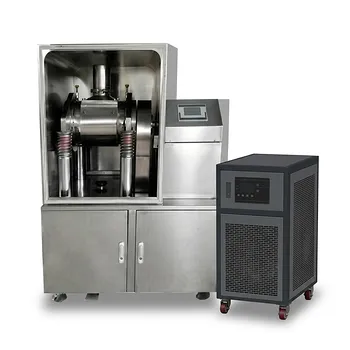
Ultra-low Temperature Vibratory Mill Ultrafine Grinder
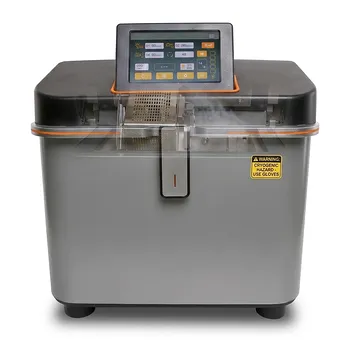
Cryogenic Liquid Nitrogen Grinder for DNA Analysis and Polymer Pulverization with Automatic Cooling and Electromagnetic Impact Technology
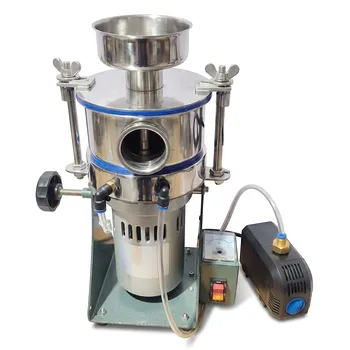
Water Cooled Airflow Ultra Fine Grinder for Low Temperature Material Processing
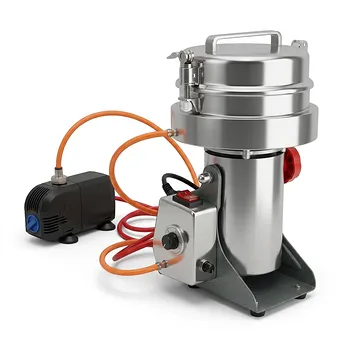
Water Cooled High Speed Grinder with Cryogenic Option for Laboratory Sample Preparation
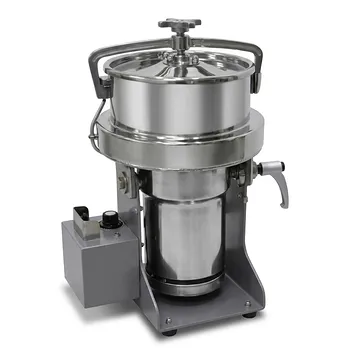
500g Capacity Water Cooled Low Temperature Grinder with Variable Speed and Safety Cover
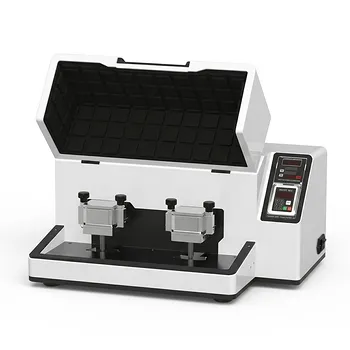
Nanoscale High Energy Vibratory Ball Mill Low Temperature
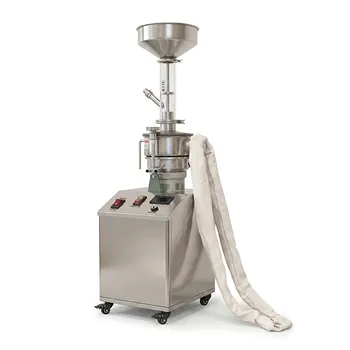
Small Liquid Nitrogen Cryogenic Grinder for Plastic and Heat-Sensitive Material Sample Preparation
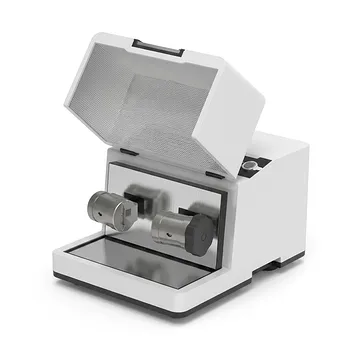
Heating Temperature Controlled High Energy Vibratory Ball Mill