What are the advantages of using liquid nitrogen-driven cryomilling compared to room-temperature ball milling for high-entropy alloys?
Updated 3 months ago
Liquid nitrogen-driven cryomilling offers superior grain refinement and chemical purity for high-entropy alloys (HEAs). By maintaining ultra-low temperatures (often near -196°C), this process suppresses the dynamic recovery and recrystallization that typically occur during high-energy impacts. Consequently, cryomilling produces nanocrystalline structures with higher strength, enhanced thermal stability, and significantly lower levels of oxidation compared to traditional room-temperature methods.
Liquid nitrogen-driven cryomilling overcomes the thermal limitations of conventional ball milling by leveraging extreme cold to embrittle materials and inhibit atomic diffusion. This results in ultra-fine, high-purity nanocrystalline powders that maintain a more uniform elemental distribution.
Superior Microstructural Refinement
Suppression of Dynamic Recovery
In room-temperature milling, the heat generated by mechanical friction and impact triggers dynamic recovery and recrystallization. This process allows grains to coarsen, limiting the minimum grain size achievable. Cryomilling utilizes liquid nitrogen to absorb this heat, effectively "freezing" the microstructure and enabling the formation of grains as small as 16 nm.
Accelerated Nanostructure Formation
The ultra-low temperature environment facilitates intense plastic deformation without the softening effects of heat. This allows materials to reach a nanocrystalline state much faster than traditional methods. By bypassing the crystalline state's thermal kinetics, researchers can even achieve single-phase co-amorphous mixtures or non-equilibrium structures.
Enhanced Chemical Purity and Stability
Elimination of Process Control Agents (PCA)
Standard room-temperature milling often requires Process Control Agents (PCAs) like stearic acid or methanol to prevent powder welding and caking. These agents frequently introduce contaminants such as carbon and oxygen. Cryomilling's cold environment acts as a natural anti-welding mechanism, producing high-purity powders without the need for chemical additives.
Prevention of Oxidation and Segregation
The cryogenic atmosphere significantly reduces oxidation rates, which is critical for reactive metallic powders like silver or aluminum-based HEAs. Additionally, the low temperature suppresses the diffusion capability of atoms. This prevents the undesirable agglomeration or segregation of low-melting-point elements, ensuring a highly uniform elemental distribution throughout the alloy.
Increased Processing Efficiency
Mechanical Embrittlement
Many alloys that are ductile at room temperature become brittle at cryogenic temperatures. This low-temperature brittleness significantly increases fracture efficiency during the grinding process. Brittle materials shatter more easily under impact, allowing for a reduction in particle size that is often half the limit of room-temperature milling.
Management of Thermal Stress
Cryomilling effectively manages the internal thermal effects of the milling jar, which reduces microstructural defects. By minimizing the accumulation of internal stress and preventing powder softening, the process optimizes the frequency characteristics and mechanical integrity of the final powder cores.
Understanding the Trade-offs
Equipment and Operational Costs
The primary disadvantage of cryomilling is the high operational cost associated with the continuous supply of liquid nitrogen. Specialized cryogenic grinders and insulated housing are required to maintain the necessary ultra-low temperatures. This makes the process more capital-intensive than standard ball milling.
Material Specificity and Handling
While embrittlement aids in grinding, it can also lead to excessive fines that may be difficult to handle or collect. Furthermore, if the system is not properly sealed during the transition back to room temperature, moisture condensation can occur. This requires careful post-processing environments to maintain the purity achieved during the milling phase.
Applying Cryomilling to Your Project
Recommendations for Material Development
- If your primary focus is maximum mechanical strength: Utilize cryomilling to achieve the smallest possible grain size, as the resulting nanocrystalline structure directly enhances hardness and yield strength via the Hall-Petch relationship.
- If your primary focus is chemical high-purity: Opt for cryogenic methods to eliminate the need for PCAs and to provide an inert, low-temperature shield against oxidation.
- If your primary focus is complex elemental blending: Use cryomilling to suppress atomic diffusion, ensuring that low-melting-point elements remain uniformly distributed without segregating.
By choosing liquid nitrogen-driven cryomilling, you ensure a higher degree of control over the fundamental microstructure and purity of high-entropy alloys.
Summary Table:
| Feature | Room-Temperature Ball Milling | LN2-Driven Cryomilling |
|---|---|---|
| Grain Size | Limited by dynamic recovery | Nanocrystalline (as small as 16nm) |
| Purity | Requires PCAs (risk of C/O contamination) | High purity (no additives needed) |
| Oxidation | High risk due to frictional heat | Minimal (inert, ultra-low temp) |
| Material State | Ductile/Softening risk | Brittle (improves fracture efficiency) |
| Thermal Stability | Moderate | Superior (suppressed atomic diffusion) |
Optimize Your Material Research with Precision Sample Preparation
At [Brand Name], we provide complete laboratory sample preparation solutions specifically engineered for the demanding requirements of material science. Whether you are developing advanced high-entropy alloys or high-purity ceramics, our equipment ensures the microstructural integrity and chemical precision your research demands.
Our specialized product lines include:
- Advanced Milling: Liquid nitrogen cryogenic grinders, planetary ball mills, jet mills, and disc/rotor mills for ultra-fine grain refinement.
- Powder Processing: Jaw/roll crushers, vibratory/air-jet sieve shakers, and high-efficiency powder or defoaming mixers.
- Compaction Solutions: A full spectrum of hydraulic presses, including Cold/Warm Isostatic Presses (CIP/WIP), XRF pellet presses, and vacuum hot presses.
Ready to achieve superior grain refinement and purity?
Contact Our Technical Team Today to find the perfect equipment for your laboratory.
References
- Nirmal Kumar Katiyar, Saurav Goel. Emergence of machine learning in the development of high entropy alloy and their prospects in advanced engineering applications. DOI: 10.1007/s42247-021-00249-8
Mentioned Products
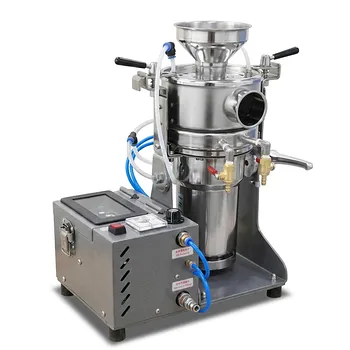
- Small Liquid Nitrogen Cryogenic Grinder for Ultrafine Grinding of Heat-Sensitive Materials in Laboratories
- Cryogenic Liquid Nitrogen Grinder for DNA Analysis and Polymer Pulverization with Automatic Cooling and Electromagnetic Impact Technology
- Cryogenic Liquid Nitrogen Grinder for Ultrafine Heat-Sensitive Powder Processing
- Laboratory Cryogenic Grinder Liquid Nitrogen Low Temperature Ultrafine Grinding
- Liquid Nitrogen Cryogenic Grinder for Plastic and Heat-Sensitive Materials
People Also Ask
- What are the advantages of using liquid nitrogen Cryomilling? Achieve ultra-fine grains and high chemical purity.
- How does liquid nitrogen as a processing medium affect copper powder beyond cooling? Impacts on Purity & Sintering
- What is the function of liquid nitrogen cryogenic grinding in the initial preparation of PHBH polymer powder? Key Roles
- Why is liquid nitrogen cryogenic grinding used for coal and microbial experiments? Preserve Sample Integrity
- Why use liquid nitrogen cryogenic grinding for polymer degradation? Preserve sample integrity & prevent thermal damage

Tech Team · PowderPreparation
Last updated on Jun 03, 2026
Related Products
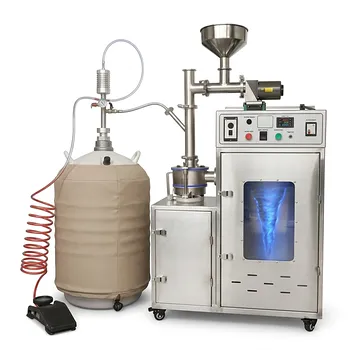
Small Liquid Nitrogen Cryogenic Grinder for Ultrafine Grinding of Heat-Sensitive Materials in Laboratories
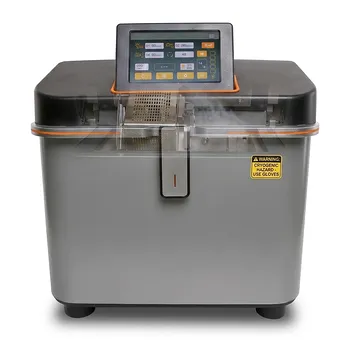
Cryogenic Liquid Nitrogen Grinder for DNA Analysis and Polymer Pulverization with Automatic Cooling and Electromagnetic Impact Technology
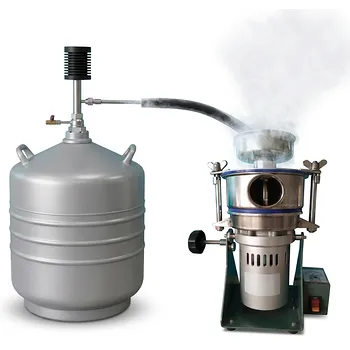
Cryogenic Liquid Nitrogen Grinder for Ultrafine Heat-Sensitive Powder Processing
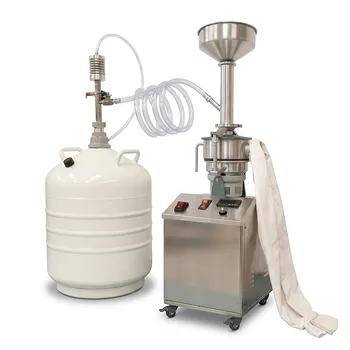
Laboratory Cryogenic Grinder Liquid Nitrogen Low Temperature Ultrafine Grinding
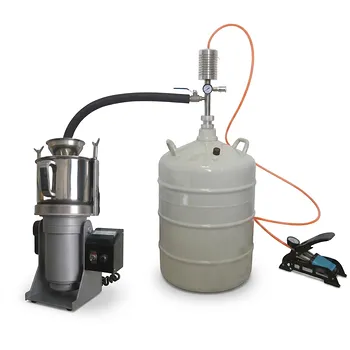
Liquid Nitrogen Cryogenic Grinder for Plastic and Heat-Sensitive Materials
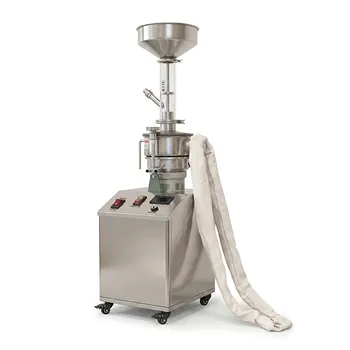
Small Liquid Nitrogen Cryogenic Grinder for Plastic and Heat-Sensitive Material Sample Preparation
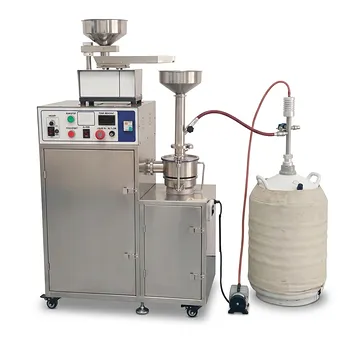
Small Liquid Nitrogen Cryogenic Grinder with Vibratory Feeder for Laboratory Sample Preparation
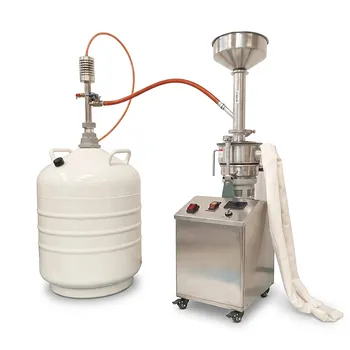
Laboratory Liquid Nitrogen Cryogenic Grinder for Polymer and Elastomer Materials
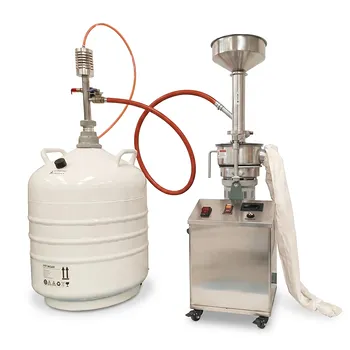
Laboratory Liquid Nitrogen Cryogenic Grinder Polymer Sample Preparation Pulverizer
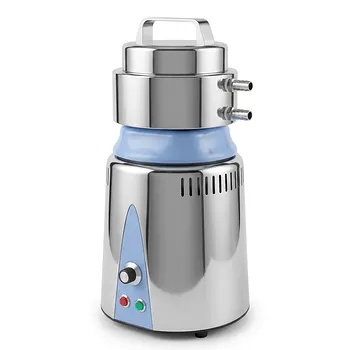
Low Temperature Laboratory Knife Mill Cryogenic Sample Grinder Material Science Powder Processing
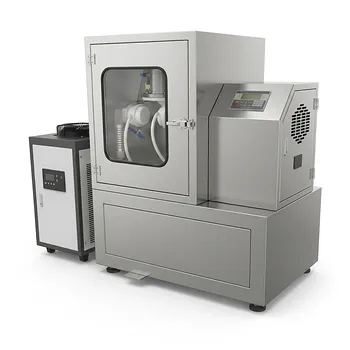
Vibratory Ultra-Low Temperature Ultrafine Grinder for Cryogenic Powder Processing
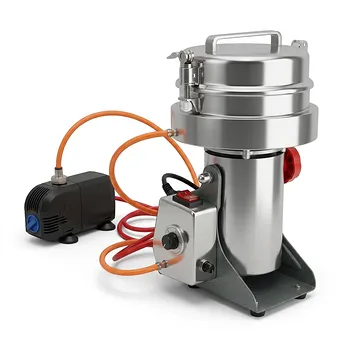
Water Cooled High Speed Grinder with Cryogenic Option for Laboratory Sample Preparation
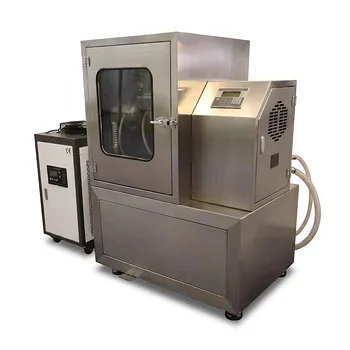
Ultra-Low Temperature Vibratory Mill for Ultrafine Grinding
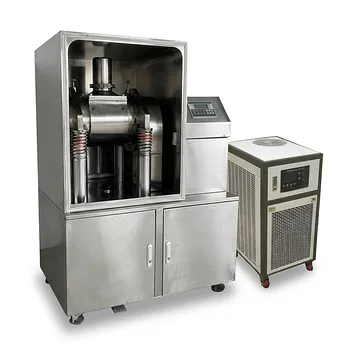
Water Cooled Cryogenic Ultra Fine Cell Wall Breaking Mill
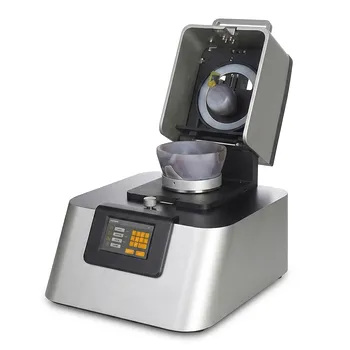
Laboratory Mortar Grinder for Sample Preparation and Cryogenic Powder Homogenization
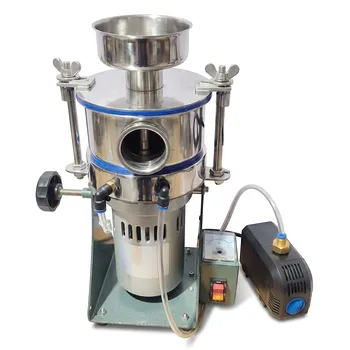
Water Cooled Airflow Ultra Fine Grinder for Low Temperature Material Processing
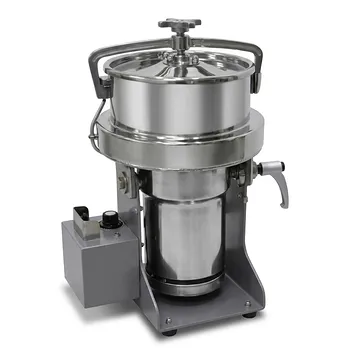
500g Capacity Water Cooled Low Temperature Grinder with Variable Speed and Safety Cover
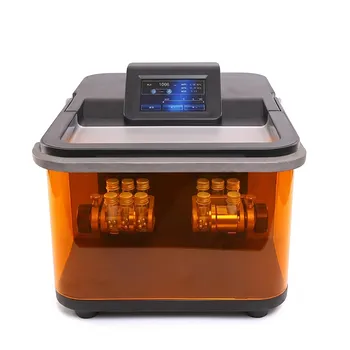
High Throughput Micro Ball Mill for Cryogenic Grinding and Laboratory Cell Disruption
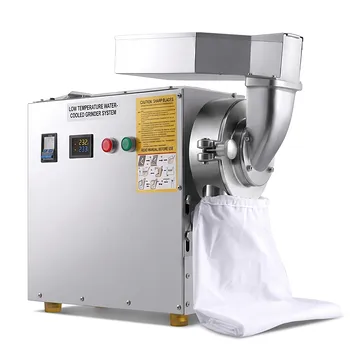
Low Temperature Water Cooled Continuous Feed Grinder Two Stage Coarse and Fine Grinding System