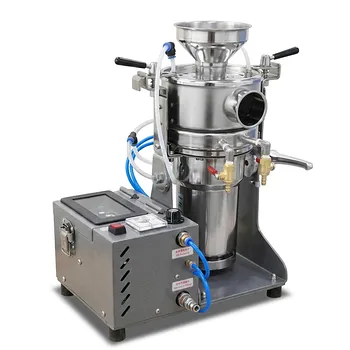
What is the role of a high-energy cryogenic grinder in Al-Gr nanocomposites? Optimize Refinement & Dispersion
Updated 4 months ago
High-energy cryogenic grinding is the foundational process for creating a nanostructured aluminum matrix and ensuring the uniform integration of graphene reinforcements. It utilizes liquid nitrogen to maintain ultra-low temperatures, which facilitates extreme grain refinement and prevents the oxidative or thermal degradation that typically occurs during high-energy milling.
The core role of cryogenic grinding is to transform aluminum powder into a highly reactive, nanocrystalline matrix while simultaneously exfoliating and dispersing graphene. By balancing intense mechanical shear with extreme thermal suppression, it creates a stable microstructural foundation that prevents particle agglomeration and oxidation.
Achieving Nanocrystalline Grain Refinement
Drastic Reduction in Matrix Grain Size
High-energy cryomilling effectively reduces the grain size of pure aluminum powder from approximately 44.8 nm to 21.7 nm. This refinement is achieved through repeated cycles of severe plastic deformation, fracturing, and cold welding.
Increased Lattice Defects and Activity
The process generates high-density lattice defects within the aluminum particles. These defects increase the surface energy and chemical activity of the matrix, which is essential for achieving a strong interfacial bond with graphene during subsequent processing.
Maintaining Microstructural Stability
Unlike conventional milling, the cryogenic environment inhibits "thermal recovery," a process where heat causes grains to coarsen and grow. This ensures that the nanostructured benefits achieved during grinding are preserved throughout the pretreatment phase.
Thermal Management and Chemical Protection
Suppression of Atmospheric Oxidation
The use of liquid nitrogen as a cooling medium creates an inert, oxygen-free environment. This is critical for aluminum, which is highly prone to forming a thick oxide layer that can weaken the final composite's mechanical integrity.
Prevention of Thermal Degradation
High-energy impacts generate significant localized heat that can damage sensitive reinforcements like graphene or nano-chitosan. Cryogenic temperatures (reaching -160°C) effectively dissipate this energy, preventing the "thermal denaturation" or breakdown of the material's molecular structure.
Inhibiting Premature Intermetallic Formation
In complex alloy systems, the cold environment prevents the premature formation of brittle intermetallic compounds (IMCs). This allows the materials to reach a highly mixed, multilayered state before they undergo final thermal processing or sintering.
Optimization of Graphene Dispersion
Breaking Graphene Agglomerates
Graphene naturally tends to cluster due to Van der Waals forces, which can lead to structural weak points. High-energy grinding provides the shear stress necessary to break these agglomerates and distribute the graphene nanoplatelets (GNPs) uniformly across the matrix.
Mechanical Exfoliation and Embedding
The process acts as a mechanical exfoliation tool, thinning graphite layers into high-quality graphene directly within the mill. Simultaneously, the repeated fracturing and welding of the aluminum powder "traps" these graphene flakes, embedding them securely within the metal matrix.
Prevention of Secondary Agglomeration
By maintaining the powder in a cold, brittle state, the grinder prevents the "gumming" or sticking of ultra-fine particles. This ensures that the powder remains free-flowing and the dispersion of graphene stays uniform during the transition to the next manufacturing stage.
Understanding the Trade-offs
Operational Complexity and Cost
Implementing a cryogenic system requires specialized equipment and a continuous supply of liquid nitrogen. This increases the operational cost and complexity compared to standard room-temperature ball milling.
Potential for Material Over-Brittleness
While increased brittleness facilitates easier grinding, extreme cold can lead to excessive fracturing of certain alloy components. If not precisely controlled, this can result in a powder that is too fine to handle safely or that lacks the necessary ductility for specific sintering processes.
Contamination from Milling Media
The high energy levels required for grain refinement increase the wear and tear on the grinding balls and vial walls. In ultra-pure applications, this can lead to trace amounts of milling media (such as steel or ceramic) contaminating the aluminum-graphene composite.
How to Apply This to Your Project
If your primary focus is Maximum Mechanical Strength: Prioritize the highest possible grain refinement (target <25 nm) and ensure the graphene is fully embedded within the matrix to maximize load transfer.
If your primary focus is Electrical or Thermal Conductivity: Focus on the oxidation suppression aspect of cryomilling to ensure a clean interface between the aluminum and graphene, as oxide layers act as insulators.
If your primary focus is Cost-Effective Scalability: Consider a hybrid approach where cryomilling is used only for the initial matrix refinement, followed by lower-energy mixing for the final graphene loading to reduce liquid nitrogen consumption.
Cryogenic grinding is the definitive solution for engineers seeking to overcome the thermal and chemical limitations of traditional powder metallurgy in advanced nanocomposite fabrication.
Summary Table:
| Feature | Role in Al-Gr Preparation | Key Benefit |
|---|---|---|
| Grain Refinement | Severe plastic deformation & cold welding | Reduces grain size from ~45nm to <22nm |
| Thermal Management | Liquid nitrogen cooling (-160°C) | Inhibits thermal recovery and grain growth |
| Chemical Protection | Inert, oxygen-free environment | Suppresses oxidation of the aluminum matrix |
| Graphene Dispersion | Mechanical shear & exfoliation | Breaks agglomerates & embeds GNPs uniformly |
| Microstructure | Prevention of intermetallic formation | Maintains a stable, multilayered reactive state |
Elevate Your Nanocomposite Research with Precision Equipment
Are you looking to achieve superior grain refinement and uniform dispersion in your material science projects? We provide complete laboratory sample preparation solutions tailored for advanced powder processing and compaction.
Our extensive product lineup is designed to support every stage of your workflow:
- Grinding & Milling: High-energy cryogenic grinders (liquid nitrogen cooled), planetary ball mills, jet mills, and disc mills.
- Sizing & Mixing: Vibratory/air-jet sieve shakers and high-performance powder or defoaming mixers.
- Compaction & Pressing: A full spectrum of hydraulic presses, including Cold/Warm Isostatic Presses (CIP/WIP), standard lab presses, and vacuum hot presses.
Why partner with us? We specialize in equipment that prevents thermal degradation and oxidation, ensuring the integrity of sensitive materials like graphene and aluminum. Whether you are a researcher or a distributor, we offer the technical expertise and reliable supply chain you need to succeed.
Contact our specialists today to optimize your lab's efficiency!
References
- V.K. Jain, Ajay Dhar. Microscopic and spectroscopic evaluation of SPS sintered aluminium-graphene (Al-Gr) nanocomposites. DOI: 10.5185/amp.2017/303
Mentioned Products
- Small Liquid Nitrogen Cryogenic Grinder for Ultrafine Grinding of Heat-Sensitive Materials in Laboratories
- Cryogenic Liquid Nitrogen Grinder for DNA Analysis and Polymer Pulverization with Automatic Cooling and Electromagnetic Impact Technology
- Cryogenic Liquid Nitrogen Grinder for Ultrafine Heat-Sensitive Powder Processing
- Laboratory Cryogenic Grinder Liquid Nitrogen Low Temperature Ultrafine Grinding
- Liquid Nitrogen Cryogenic Grinder for Plastic and Heat-Sensitive Materials
People Also Ask
- What are the advantages of using liquid nitrogen Cryomilling? Achieve ultra-fine grains and high chemical purity.
- How does liquid nitrogen as a processing medium affect copper powder beyond cooling? Impacts on Purity & Sintering
- What is the function of liquid nitrogen cryogenic grinding in the initial preparation of PHBH polymer powder? Key Roles
- Why is liquid nitrogen cryogenic grinding used for coal and microbial experiments? Preserve Sample Integrity
- Why use liquid nitrogen cryogenic grinding for polymer degradation? Preserve sample integrity & prevent thermal damage

Tech Team · PowderPreparation
Last updated on Jun 03, 2026
Related Products
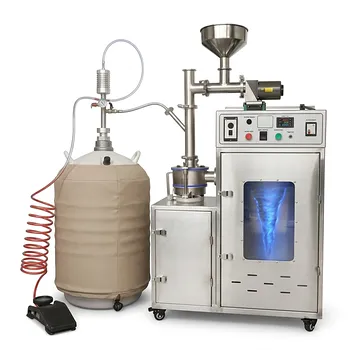
Small Liquid Nitrogen Cryogenic Grinder for Ultrafine Grinding of Heat-Sensitive Materials in Laboratories
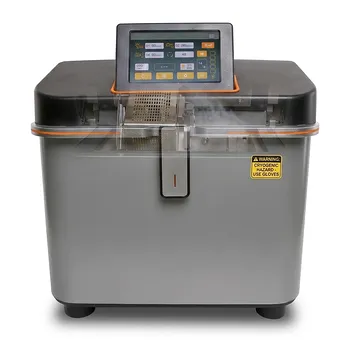
Cryogenic Liquid Nitrogen Grinder for DNA Analysis and Polymer Pulverization with Automatic Cooling and Electromagnetic Impact Technology
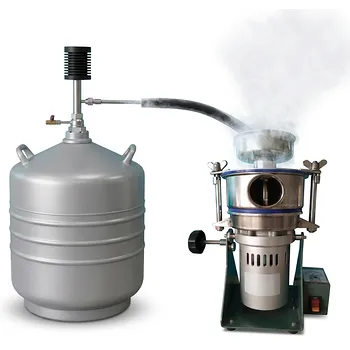
Cryogenic Liquid Nitrogen Grinder for Ultrafine Heat-Sensitive Powder Processing
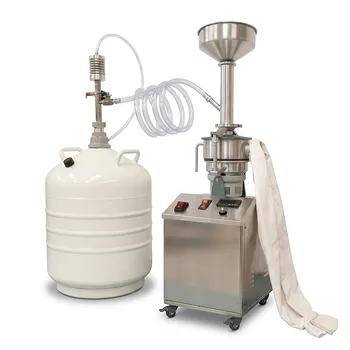
Laboratory Cryogenic Grinder Liquid Nitrogen Low Temperature Ultrafine Grinding
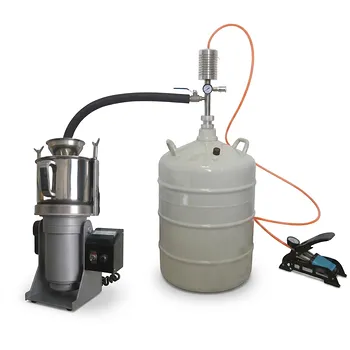
Liquid Nitrogen Cryogenic Grinder for Plastic and Heat-Sensitive Materials
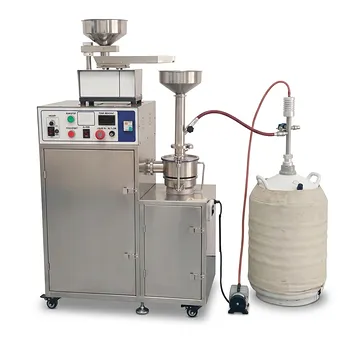
Small Liquid Nitrogen Cryogenic Grinder with Vibratory Feeder for Laboratory Sample Preparation
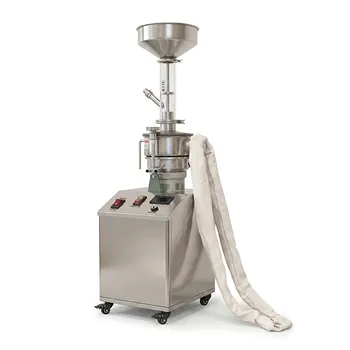
Small Liquid Nitrogen Cryogenic Grinder for Plastic and Heat-Sensitive Material Sample Preparation
Laboratory Liquid Nitrogen Cryogenic Grinder for Polymer and Elastomer Materials
Laboratory Liquid Nitrogen Cryogenic Grinder Polymer Sample Preparation Pulverizer
Low Temperature Laboratory Knife Mill Cryogenic Sample Grinder Material Science Powder Processing
Vibratory Ultra-Low Temperature Ultrafine Grinder for Cryogenic Powder Processing
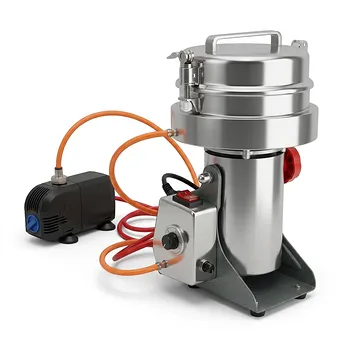
Water Cooled High Speed Grinder with Cryogenic Option for Laboratory Sample Preparation
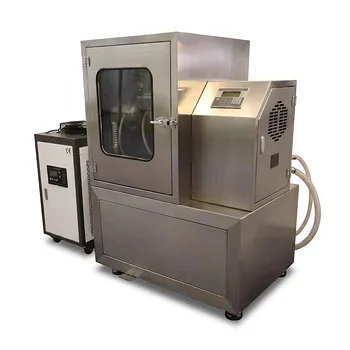
Ultra-Low Temperature Vibratory Mill for Ultrafine Grinding
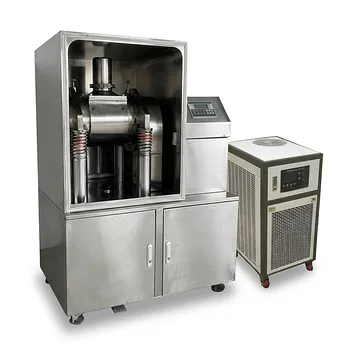
Water Cooled Cryogenic Ultra Fine Cell Wall Breaking Mill
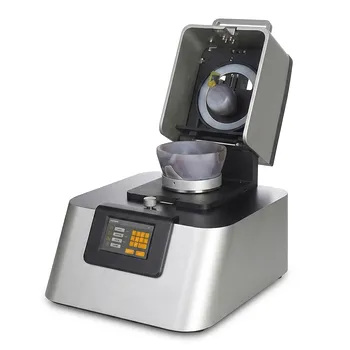
Laboratory Mortar Grinder for Sample Preparation and Cryogenic Powder Homogenization
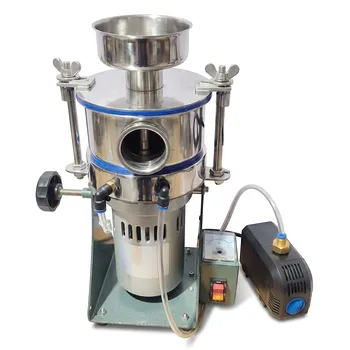
Water Cooled Airflow Ultra Fine Grinder for Low Temperature Material Processing
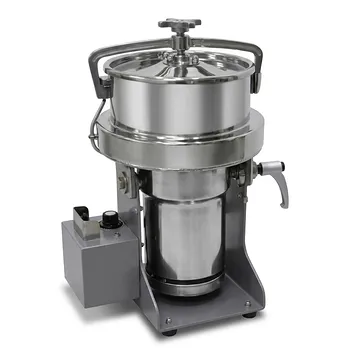
500g Capacity Water Cooled Low Temperature Grinder with Variable Speed and Safety Cover
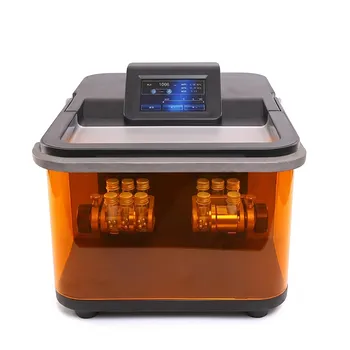
High Throughput Micro Ball Mill for Cryogenic Grinding and Laboratory Cell Disruption
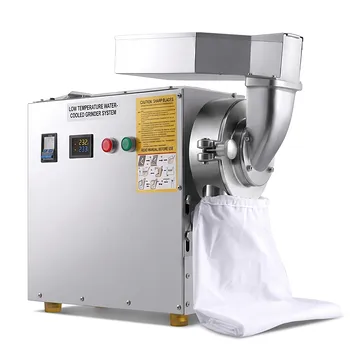
Low Temperature Water Cooled Continuous Feed Grinder Two Stage Coarse and Fine Grinding System