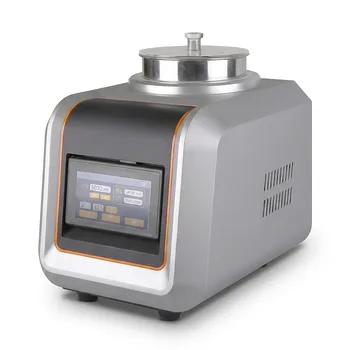
Why is a laboratory vibratory sieve shaker essential for turmeric powder quality? Ensure Consistency & Uniformity.
Updated 3 months ago
Turmeric powder quality control relies on precise particle size management to ensure product consistency and processing efficiency. A laboratory vibratory sieve shaker uses standardized mechanical vibrations to grade powder through specific mesh sizes, such as 60 mesh, providing the objective data needed to validate grinding effectiveness. This process is essential for calculating the fineness modulus (FM) and average particle size, which are the primary metrics used to evaluate the physical quality and uniformity of the final product.
Core Takeaway: The vibratory sieve shaker transforms subjective quality assessments into reproducible scientific data. By isolating specific particle fractions, it ensures that turmeric powder meets strict industrial standards for texture, solubility, and chemical reactivity.
Ensuring Texture Uniformity and Industrial Compliance
Standardizing the Grading Process
The use of standard test sieves—ranging from 40 mesh to 85 mesh—allows producers to classify turmeric powder into distinct grades. This classification is vital for meeting specific food industry requirements where texture affects the mouthfeel and application of the spice. High-frequency vibrations ensure that particles are separated strictly by their physical dimensions rather than through manual, inconsistent methods.
Achieving a Narrow Particle Size Distribution
A narrow distribution of particle sizes is critical for eliminating the "uncertain effects" of variance on product quality. When particles are uniform, the powder behaves predictably during packaging and subsequent mixing. This level of control helps maintain the experimental reproducibility required for high-end food science and manufacturing.
Driving Process Efficiency and Scientific Validation
Quantifying Grinding and Foaming Effectiveness
The vibratory shaker provides the raw data necessary to calculate the fineness modulus (FM) and average particle size. These figures serve as a "report card" for the grinding equipment, indicating whether the machinery is performing optimally or requires maintenance. It also allows technicians to analyze how specific techniques, such as foaming, impact the physical structure of the powder.
Optimizing Surface Area for Chemical Reactivity
Particle size directly dictates the effective reaction surface area, which is a core parameter in how turmeric interacts with other ingredients. Consistent particle sizing reduces fluctuations in reaction rates, ensuring that the powder's color and flavor release are uniform across every batch. This precision is particularly important when turmeric is used as a functional ingredient in complex chemical or nutritional formulations.
Understanding the Trade-offs and Limitations
Addressing Sieve Blinding and Clogging
One primary challenge in sieve analysis is "blinding," where oily or fine particles like turmeric can clog the mesh openings. This requires the use of specific cleaning intervals or sieve aids to maintain accuracy over time. If blinding is not managed, the resulting data will falsely suggest a coarser grind than actually exists.
Operational Time and Sample Volume
While highly accurate, vibratory sieving is a time-intensive process compared to automated laser diffraction methods. It requires manual weighing of residues on each sieve level to determine the distribution. Furthermore, the equipment is limited by the volume of the sample; overloading the sieves can impede the vibration and lead to incomplete separation.
How to Apply Sieve Analysis to Your Quality Workflow
To get the most value from your laboratory vibratory sieve shaker, you should tailor your methodology to your specific production goals.
- If your primary focus is Consumer Texture: Utilize a stack of sieves including 60 mesh and 85 mesh to ensure the majority of your product falls within the "fine" category for superior mouthfeel.
- If your primary focus is Grinding Efficiency: Perform a full sieve analysis once per shift to calculate the fineness modulus, allowing you to adjust grinder settings before the product falls out of specification.
- If your primary focus is Chemical Stability: Focus on achieving a narrow distribution (low variance between sieve levels) to ensure consistent solubility and reaction rates in liquid applications.
By integrating standardized vibratory sieving into your quality control protocol, you ensure that every batch of turmeric powder is backed by verifiable physical data.
Summary Table:
| Quality Parameter | Role of Vibratory Sieve Shaker | Impact on Final Product |
|---|---|---|
| Particle Size Distribution | Grades powder through 40–85 mesh sizes | Ensures uniform texture and mouthfeel |
| Fineness Modulus (FM) | Provides data to calculate grinding efficiency | Validates machinery performance and consistency |
| Surface Area | Optimizes particle dimensions for reactivity | Controls color release and flavor solubility |
| Process Efficiency | Automates grading to reduce manual error | Increases experimental reproducibility and yield |
Achieve Unmatched Precision in Powder Quality Control
High-quality turmeric production demands rigorous testing and precise particle management. We provide complete laboratory sample preparation solutions for material science, specializing in advanced powder processing and compaction equipment.
Our extensive product line is designed to help you achieve scientific validation and industrial compliance:
- Sieving & Grinding: Vibratory/air-jet sieve shakers, test sieves, planetary ball mills, jet mills, and cryogenic grinders.
- Processing: Jaw/roll crushers, powder mixers, and defoaming mixers.
- Compaction: A full spectrum of hydraulic presses, including Cold/Warm Isostatic Presses (CIP/WIP), standard lab presses, XRF pellet presses, and vacuum hot presses.
Whether you are refining food powders or developing advanced materials, our expertise ensures your lab achieves superior results. Contact our experts today to optimize your workflow!
References
- Dhinar Patliani, Dian Purbasari. Physical Quality of Turmeric Powder (Curcuma longga Linn) Result of Foam-mat Drying Method Using Microwave. DOI: 10.20956/at.v14i2.464
Mentioned Products
- Stainless Steel Laboratory Vibratory Test Sieve Shaker
- Laboratory Vibratory Test Sieve Shaker for Precision Particle Size Analysis and Powder Grading
- Small Laboratory Vibrating Sieve Shaker for Precise Particle Size Analysis
- Vibratory Sieve Shaker Electromagnetic 3D Motion Powder Particle Size Analyzer for Dry and Wet Sieving
- Small Laboratory Vibratory Sieve Shaker for Powder Gradation and Particle Size Analysis
People Also Ask
- What function does a laboratory vibratory sieve shaker serve in the production process of metakaolin? Optimize Reactivity
- Why is a precision laboratory vibratory sieve shaker necessary for particle size control? Optimize Biomass Carbonization
- What is the function of a laboratory vibratory sieve shaker? Enhance Coal Particle Size Distribution (PSD) Analysis
- What role do laboratory vibratory sieve shakers and test sieves play before the molding of Nb-Cu composite powders?
- What is the primary function of a laboratory vibratory sieve shaker in the evaluation of sand liquefaction potential?

Tech Team · PowderPreparation
Last updated on Jun 03, 2026
Related Products
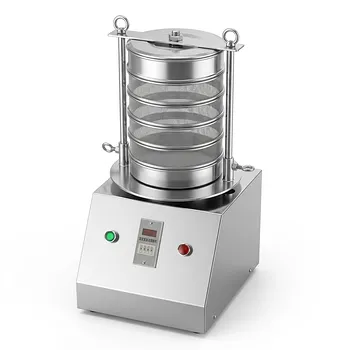
Stainless Steel Laboratory Vibratory Test Sieve Shaker
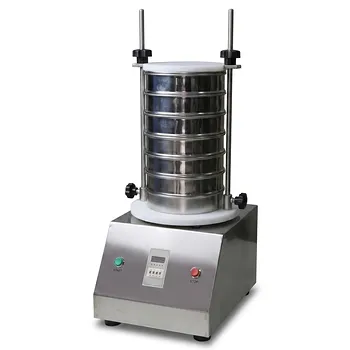
Laboratory Vibratory Test Sieve Shaker for Precision Particle Size Analysis and Powder Grading
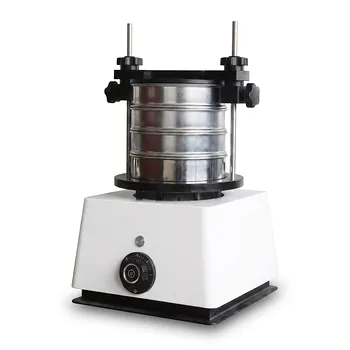
Small Laboratory Vibrating Sieve Shaker for Precise Particle Size Analysis
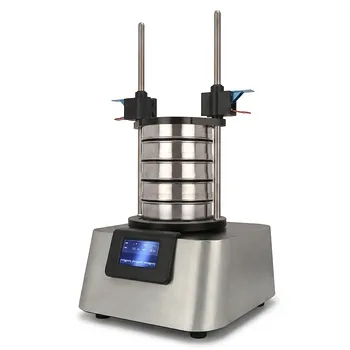
Vibratory Sieve Shaker Electromagnetic 3D Motion Powder Particle Size Analyzer for Dry and Wet Sieving
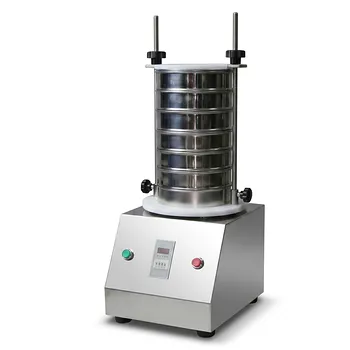
Small Laboratory Vibratory Sieve Shaker for Powder Gradation and Particle Size Analysis
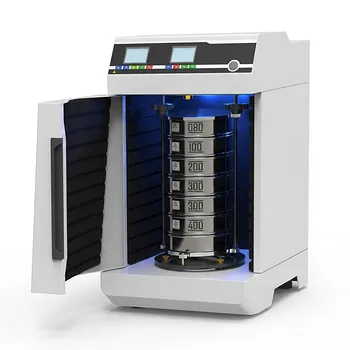
Laboratory Dry and Wet Three Dimensional Vibratory Sieve Shaker for Particle Analysis
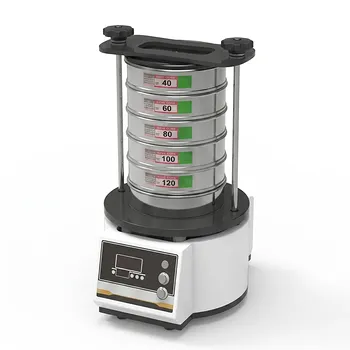
Dry Three Dimensional Vibratory Sieve Shaker
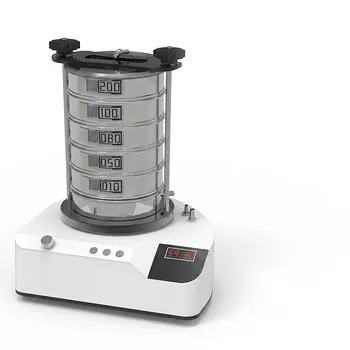
Heavy Duty Dry Three Dimensional Vibratory Sieve Shaker for Particle Separation
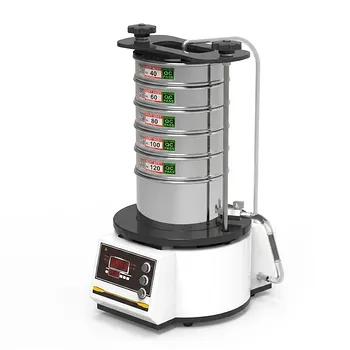
High Frequency Wet Three-Dimensional Vibrating Sieve Shaker for Dry and Wet Particle Size Analysis
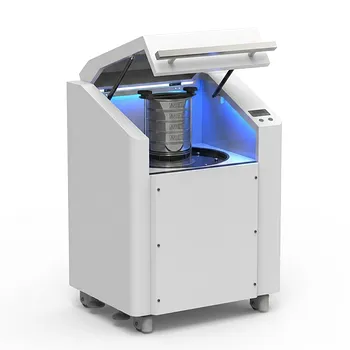
High Frequency Cabinet Type Three-Dimensional Rotary Vibrating Sieve Shaker for Dry Sieving and Particle Classification
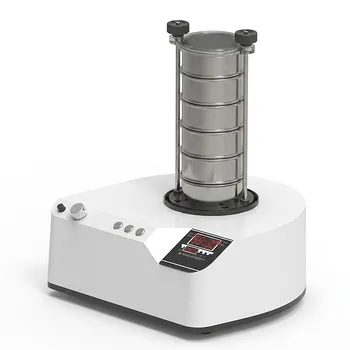
三维电磁微量振动筛分仪
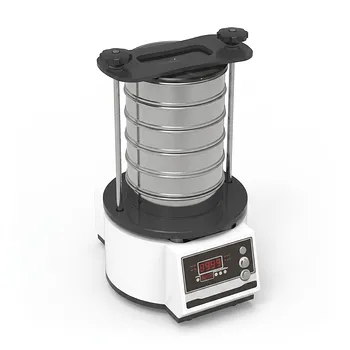
Tapping Oscillating Sieve Shaker for Dry and Wet Particle Size Analysis
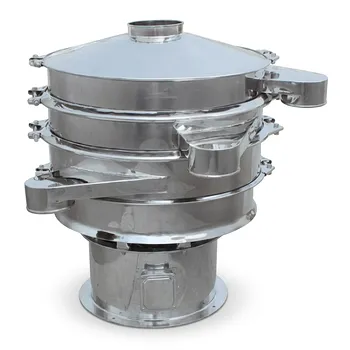
Stainless Steel Rotary Vibrating Sieve High Precision Circular Vibratory Separator Industrial Powder Grading Machine Multi Layer Sifting Equipment
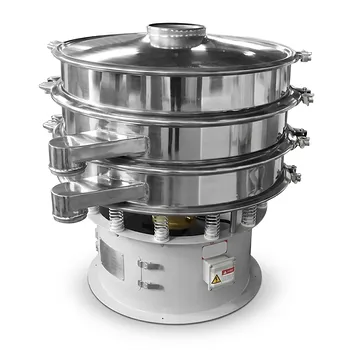
Three Dimensional Rotary Vibrating Sieve
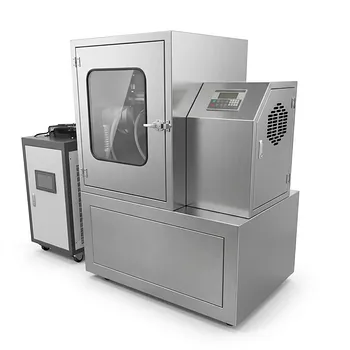
Vibratory Superfine Grinder for Ultra Fine Laboratory Powder Milling
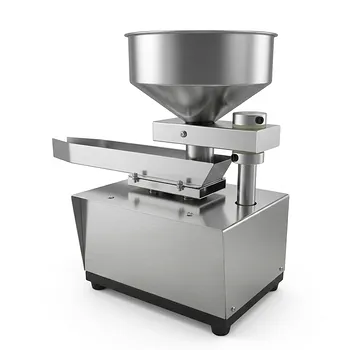
Automatic Vibrating Powder Feeder for Laboratory Material Processing Precision Vibratory Hopper Feeder for Granular and Powder Material Handling Industrial Grade Vibrating Tray Feeder for Consistent Material Sample Preparation
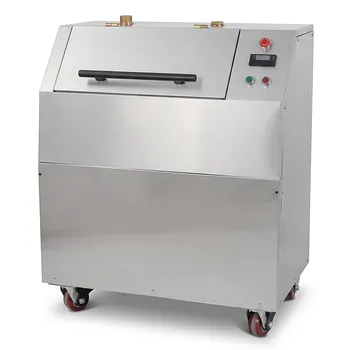
Vibratory Disc Mill for Rapid Fine Grinding and High Throughput Sample Preparation of Hard and Brittle Materials
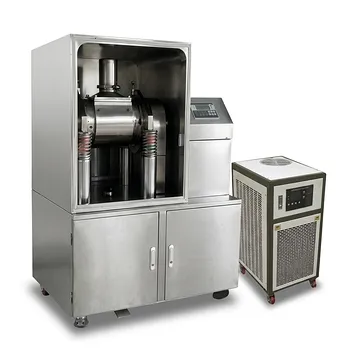
Small Vibrating Ultrafine Grinder for Traditional Chinese Medicine