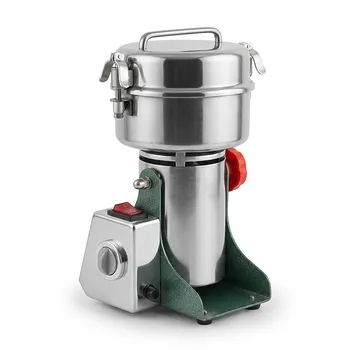
Why use a 450 μm vibratory sieve shaker for MLO? Ensure Superior Particle Uniformity & Adsorption Performance
Updated 3 months ago
The pre-treatment of oxide rock materials (MLO) using a 450 μm vibratory sieve shaker is a critical step for ensuring chemical and physical uniformity. It provides precise control over particle size distribution, which directly dictates the success of subsequent mixing and the stability of the final material's adsorption performance. By isolating particles below the 450 μm threshold, researchers can create a standardized powder base that facilitates predictable paste formation.
Using a vibratory sieve shaker with a 450 μm mesh ensures that MLO powders achieve the specific fineness required for homogeneous mixing and consistent surface area. This standardization is the foundation for creating stable, high-performance adsorbents with repeatable experimental results.
Optimizing Particle Morphology for Downstream Processing
Precise Control of Particle Size Distribution
The primary role of the vibratory sieve shaker is to provide high-precision grading of the raw oxide rock. By using a 450 μm sieve, the process effectively removes oversized fragments and impurities that could compromise the integrity of the final product.
This grading ensures that the experimental inputs are consistent, allowing for scientifically valid comparisons between different batches or processing technologies. A narrow particle size distribution is essential for eliminating variables that could skew data.
Facilitating Uniform Paste Formation
For MLO to be useful in many applications, it must be mixed into a uniform paste. A consistent fineness below 450 μm allows the powder to interact predictably with liquid binders or other reagents.
Without this standardized fineness, the paste may suffer from non-uniformity, leading to structural weaknesses or inconsistent chemical reactivity. Proper sieving ensures the material reaches the "fine powder" or "medium powder" classification necessary for industrial standards.
Enhancing Adsorption and Mechanical Performance
Standardizing Specific Surface Area
The adsorption capacity of oxide rock is heavily dependent on its specific surface area. By limiting the particle size to 450 μm, the pre-treatment process ensures a high and consistent surface area across the entire sample.
This standardization stabilizes adsorption performance, ensuring that the resulting granular adsorbents behave reliably in real-world environments. It prevents the erratic performance shifts often caused by a high concentration of coarse, low-surface-area particles.
Optimizing Internal Skeletal Support
In applications where MLO is used as an aggregate, such as in specialized mortars or filters, the 450 μm threshold helps optimize skeletal support. This minimizes internal voids and enhances the overall mechanical performance of the resulting material.
Achieving a uniform particle distribution through vibratory sieving directly influences the porosity distribution. This is a prerequisite for ensuring that the final ceramic or composite elements possess consistent mechanical strength after sintering or curing.
Understanding the Trade-offs
The Risk of Sieve Blinding and Wear
Vibratory sieving of rock materials can lead to sieve blinding, where particles become lodged in the mesh openings. This reduces the effective screening area and can lead to inaccurate grading if the equipment is not maintained or if the vibration intensity is incorrectly calibrated.
Additionally, the abrasive nature of oxide rocks can cause physical wear on the 450 μm mesh over time. Periodic calibration and replacement of the test sieves are necessary to maintain the high-precision standards required for MLO pre-treatment.
Processing Volume vs. Precision
While a laboratory vibratory shaker offers extreme precision, it is often limited in terms of throughput volume. For large-scale production, the time required to process raw materials through a fine 450 μm mesh can become a bottleneck in the workflow.
Researchers must balance the need for extreme fineness with the practicalities of material yield. Excessive sieving can also lead to "over-grinding" effects if the material is subjected to prolonged vibration, potentially altering the very particle characteristics being measured.
Making the Right Choice for Your Goal
Achieving the ideal MLO pre-treatment depends on aligning your sieving parameters with your final application requirements.
- If your primary focus is Adsorption Stability: Prioritize a narrow particle size range below 450 μm to maximize and standardize the specific surface area available for chemical interaction.
- If your primary focus is Mechanical Strength: Focus on using the sieve shaker to eliminate oversized particles that create voids, ensuring a dense and homogeneous skeletal structure in the final composite.
- If your primary focus is Experimental Repeatability: Use high-precision vibratory settings to ensure that every batch of MLO powder is identical, thereby eliminating particle non-uniformity as a variable in your measurements.
Standardizing MLO particle size via a 450 μm vibratory sieve is the essential bridge between raw geological material and a high-performance, predictable technical adsorbent.
Summary Table:
| Key Benefit | Impact on MLO Material | Technical Requirement |
|---|---|---|
| Particle Grading | Removes oversized fragments to ensure chemical uniformity. | High-precision 450 μm mesh. |
| Paste Formation | Facilitates predictable interaction with liquid binders. | Standardized fineness threshold. |
| Adsorption Stability | Maximizes and standardizes specific surface area. | Consistent vibration intensity. |
| Structural Integrity | Minimizes internal voids for better skeletal support. | Narrow size distribution control. |
Elevate Your Material Research with Precision Sample Preparation
Achieving consistent results in oxide rock material (MLO) processing requires equipment that delivers absolute precision. We provide complete laboratory sample preparation solutions for material science, specializing in the powder processing and compaction equipment you need to bridge the gap between raw geological samples and high-performance technical adsorbents.
Our extensive product range includes:
- Sieving & Mixing: Vibratory and air-jet sieve shakers with high-precision meshes, plus advanced powder and defoaming mixers.
- Grinding & Milling: Jaw/roll crushers, liquid nitrogen cryogenic grinders, and a variety of mills (planetary ball, jet, sand/bead, disc, rotor).
- Pressing & Compaction: A full spectrum of hydraulic presses, including Cold/Warm Isostatic Presses (CIP/WIP), standard lab presses, XRF pellet presses, and vacuum hot presses.
Whether you are focusing on adsorption stability, mechanical strength, or experimental repeatability, our specialized tools ensure your materials meet the most rigorous standards.
Ready to optimize your powder workflow? Contact our experts today for a tailored solution.
References
- José G. Prato, Juan Isidro Díaz-García. Evaluación de materiales litológicos oxídicos como adsorbentes para el tratamiento de efluentes y aguas residuales.. DOI: 10.37135/ns.01.08.06
Mentioned Products
- Laboratory Dry and Wet Three Dimensional Vibratory Sieve Shaker for Particle Analysis
- Stainless Steel Laboratory Vibratory Test Sieve Shaker
- Small Laboratory Vibratory Sieve Shaker for Powder Gradation and Particle Size Analysis
- Vibratory Sieve Shaker Electromagnetic 3D Motion Powder Particle Size Analyzer for Dry and Wet Sieving
- Laboratory Vibratory Test Sieve Shaker for Precision Particle Size Analysis and Powder Grading
People Also Ask
- What is the role of laboratory vibratory sieve shakers in waste PUR foam recycling? Optimize Particle Size and Density
- What is the primary function of a laboratory vibratory sieve shaker in the evaluation of sand liquefaction potential?
- What role do laboratory vibratory sieve shakers and test sieves play before the molding of Nb-Cu composite powders?
- What function does a laboratory vibratory sieve shaker serve in the production process of metakaolin? Optimize Reactivity
- Why is a precision laboratory vibratory sieve shaker necessary for particle size control? Optimize Biomass Carbonization

Tech Team · PowderPreparation
Last updated on Jun 03, 2026
Related Products
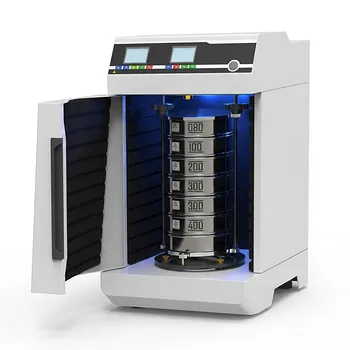
Laboratory Dry and Wet Three Dimensional Vibratory Sieve Shaker for Particle Analysis
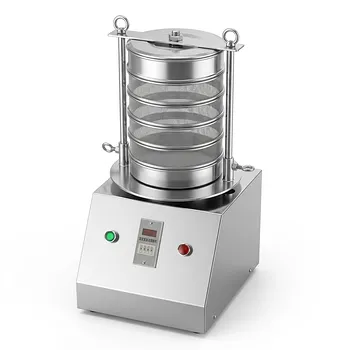
Stainless Steel Laboratory Vibratory Test Sieve Shaker

Small Laboratory Vibratory Sieve Shaker for Powder Gradation and Particle Size Analysis
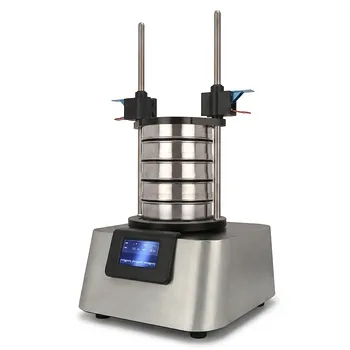
Vibratory Sieve Shaker Electromagnetic 3D Motion Powder Particle Size Analyzer for Dry and Wet Sieving

Laboratory Vibratory Test Sieve Shaker for Precision Particle Size Analysis and Powder Grading

Small Laboratory Vibrating Sieve Shaker for Precise Particle Size Analysis
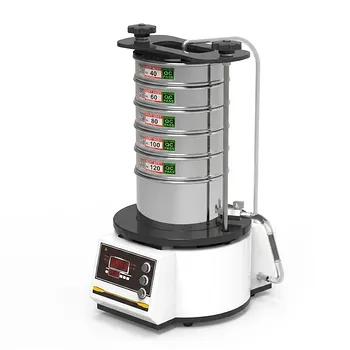
High Frequency Wet Three-Dimensional Vibrating Sieve Shaker for Dry and Wet Particle Size Analysis

Dry Three Dimensional Vibratory Sieve Shaker
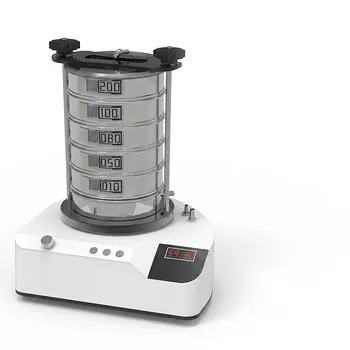
Heavy Duty Dry Three Dimensional Vibratory Sieve Shaker for Particle Separation
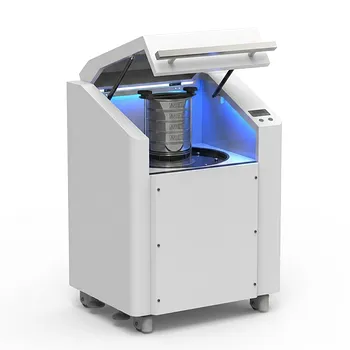
High Frequency Cabinet Type Three-Dimensional Rotary Vibrating Sieve Shaker for Dry Sieving and Particle Classification
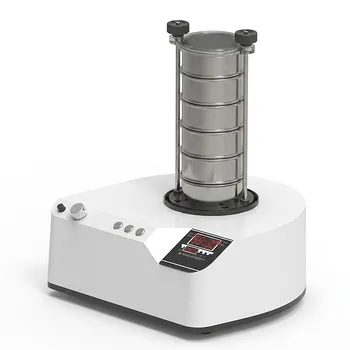
三维电磁微量振动筛分仪
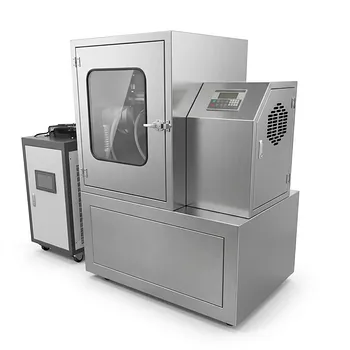
Vibratory Superfine Grinder for Ultra Fine Laboratory Powder Milling
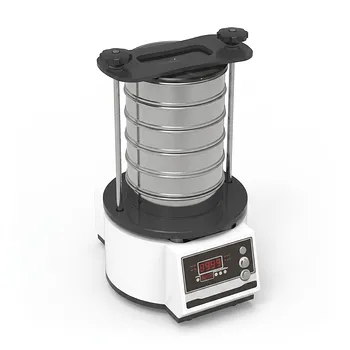
Tapping Oscillating Sieve Shaker for Dry and Wet Particle Size Analysis
Automatic Vibrating Powder Feeder for Laboratory Material Processing Precision Vibratory Hopper Feeder for Granular and Powder Material Handling Industrial Grade Vibrating Tray Feeder for Consistent Material Sample Preparation
Stainless Steel Rotary Vibrating Sieve High Precision Circular Vibratory Separator Industrial Powder Grading Machine Multi Layer Sifting Equipment
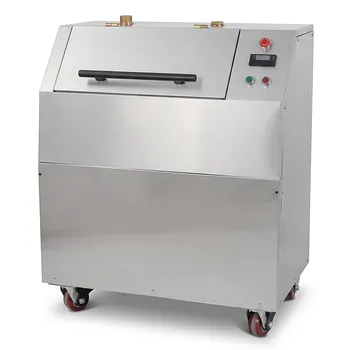
Vibratory Disc Mill for Rapid Fine Grinding and High Throughput Sample Preparation of Hard and Brittle Materials
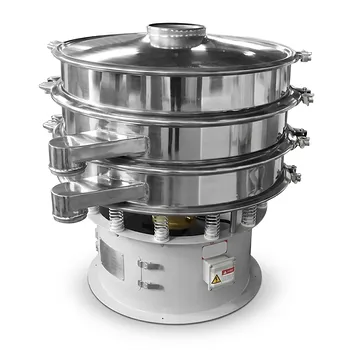
Three Dimensional Rotary Vibrating Sieve
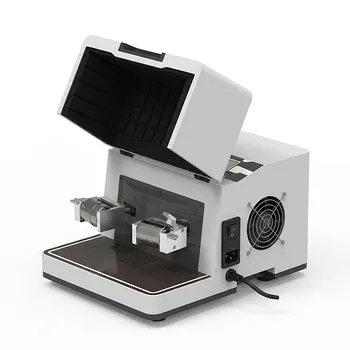
High Energy Hybrid Vibratory Ball Mill for Grinding Mixing and Cell Disruption
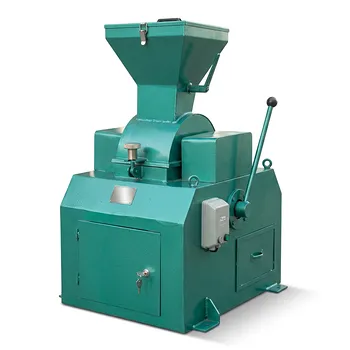
Laboratory Sealed Hammer Blade Crusher Divider for High Hardness Sample Preparation