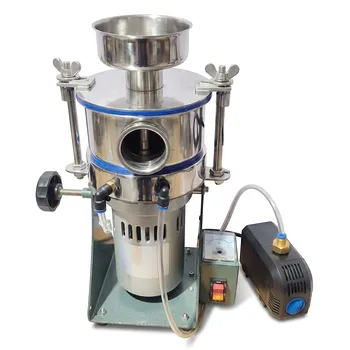
What are the advantages of using cryomilling processes for nanocrystalline copper? Achieve Nano-Scale Precision.
Updated 5 months ago
Cryomilling is the premier method for producing nanocrystalline copper powders because it overcomes the material’s inherent thermal instability during high-energy processing. By operating at temperatures as low as -196°C (using liquid nitrogen), the process suppresses the heat-induced recovery and recrystallization that would otherwise cause grain growth, allowing for the creation of ultra-fine, stable nanostructures that are impossible to achieve at room temperature.
The core advantage of cryomilling lies in its ability to decouple mechanical energy from thermal energy. This allows for the accumulation of high-density lattice defects and the achievement of a finer steady-state grain size while maintaining high chemical purity.
Thermal Management and Grain Refinement
Inhibition of Dynamic Recovery
Copper possesses relatively low thermal stability, meaning that the heat generated during standard milling often triggers dynamic recovery. Cryomilling effectively suppresses this temperature rise, preventing the material from "healing" the defects introduced by mechanical impact.
Achieving Finer Steady-State Grain Sizes
By keeping temperatures extremely low, the process inhibits the annihilation of dislocations. This allows the material to reach a much higher density of lattice defects, which is the primary driver for refining grains down to the nanometer scale.
Acceleration of the Refinement Process
The cryogenic environment significantly shortens the required milling time. Because the cold temperature increases the brittleness of the copper, the impact energy of the grinding media is more efficient at fracturing and deforming the particles.
Material Integrity and Processing Efficiency
Prevention of Oxidation and Nitridation
Standard high-energy milling often leads to surface oxidation of active metal powders. Cryomilling, typically conducted in a liquid nitrogen or argon environment, shields the copper from oxygen, ensuring the final powder maintains high chemical purity.
Reduction of Agglomeration and Adhesion
Copper is naturally ductile and prone to sticking to milling media and container walls. The "cold brittleness" induced by cryogenic temperatures prevents powder agglomeration, ensuring a higher yield of discrete, fine particles.
Elimination of Unwanted Precipitation
In copper alloys, excessive heat during milling can cause the premature or unnecessary precipitation of alloying elements. Cryomilling maintains a stable environment that prevents these phases from forming, preserving the intended supersaturated solid solution.
Enhanced Alloying Capabilities
Promotion of Forced Solid Solution
Cryomilling facilitates the forced solid solution of alloying elements (such as zirconium) into the copper lattice. The high-speed impact energy, combined with the suppression of thermal diffusion, allows for the creation of unique alloy compositions that are difficult to produce via equilibrium methods.
Preserved Nanostructures for Downstream Use
The powders produced via cryomilling are ideal for applications like Cold Gas Spray or powder metallurgy. The high strength and hardness of the preserved nanostructures result in final components with superior mechanical properties.
Understanding the Trade-offs
High Operational Costs and Complexity
The primary disadvantage of cryomilling is the continuous requirement for liquid nitrogen, which increases operational costs. Furthermore, the equipment must be specifically designed to handle cryogenic temperatures without structural failure.
Potential for Nitrogen Entrapment
While the nitrogen environment prevents oxidation, there is a small risk of nitrogen entrapment or the formation of trace nitrides in certain highly reactive alloys. This requires careful monitoring of the milling atmosphere and duration.
Equipment Maintenance and Material Stress
Repeated thermal cycling between cryogenic and room temperatures can cause thermal fatigue in milling jars and media. This necessitates more frequent inspections and a more rigorous maintenance schedule compared to ambient milling.
Making the Right Choice for Your Goal
How to Apply This to Your Project
Determining whether to utilize cryomilling depends on your specific requirements for grain size, purity, and budget.
- If your primary focus is reaching the smallest possible grain size: Cryomilling is essential, as it provides the thermal suppression necessary to reach sub-100nm scales that ambient milling cannot sustain.
- If your primary focus is preventing oxidation in pure copper: Cryomilling provides a superior inert environment that protects the chemical integrity of the powder throughout the refinement process.
- If your primary focus is maximizing production volume at low cost: Traditional high-energy ball milling may be more appropriate, provided that grain growth and oxidation are not deal-breaking factors for your application.
- If your primary focus is creating supersaturated copper alloys: Cryomilling is the preferred route to force alloying elements into solution while preventing unwanted secondary phase precipitation.
By suppressing thermal recovery and leveraging cold brittleness, cryomilling serves as the definitive process for engineering high-performance nanocrystalline copper with superior structural and chemical characteristics.
Summary Table:
| Feature | Advantage of Cryomilling | Impact on Copper Powders |
|---|---|---|
| Thermal Stability | Suppresses dynamic recovery | Prevents grain growth; maintains nanostructure |
| Particle Ductility | Induces "cold brittleness" | Faster refinement and reduced powder sticking |
| Chemical Purity | Inert cryogenic environment | Prevents oxidation and maintains high purity |
| Alloying Effect | Forced solid solution | Enables unique supersaturated alloy compositions |
Elevate Your Material Research with Professional Grinding Solutions
Achieving true nanocrystalline structures requires precision equipment that can handle extreme thermal demands. At [Company Name], we provide complete laboratory sample preparation solutions tailored for material science. Whether you are refining pure copper or developing complex alloys, our specialized equipment ensures industry-leading results.
Our specialized lineup includes:
- Advanced Milling: Liquid nitrogen cryogenic grinders, planetary ball mills, jet mills, and rotor mills for ultra-fine particle size reduction.
- Powder Processing: Sieve shakers, powder mixers, and defoaming mixers to ensure material consistency.
- Compaction Excellence: A full spectrum of hydraulic presses, including Cold/Warm Isostatic Presses (CIP/WIP), vacuum hot presses, and XRF pellet presses.
Ready to optimize your powder metallurgy workflow? Contact our technical experts today to find the perfect equipment configuration for your lab's specific needs.
References
- Mark A. Tschopp, K. Darling. “Bulk” Nanocrystalline Metals: Review of the Current State of the Art and Future Opportunities for Copper and Copper Alloys. DOI: 10.1007/s11837-014-0978-z
Mentioned Products
- Water Cooled Cryogenic Ultra Fine Cell Wall Breaking Mill
- Ultra-Low Temperature Vibratory Mill for Ultrafine Grinding
- Cryogenic Liquid Nitrogen Grinder for Ultrafine Heat-Sensitive Powder Processing
- Small Liquid Nitrogen Cryogenic Grinder with Vibratory Feeder for Laboratory Sample Preparation
- Low Temperature Laboratory Knife Mill Cryogenic Sample Grinder Material Science Powder Processing
People Also Ask
- What is the primary role of the cryomilling process in the preparation of nanocrystalline copper powder? Refine Grains
- Why use mixed-diameter balls for copper cryogenic milling? Achieve Superior Nanocrystalline Powder Refinement
- What are the advantages of using liquid nitrogen-driven cryomilling compared to room-temperature ball milling for high-entropy alloys?
- What is the role of a high-energy cryogenic grinder in Al-Gr nanocomposites? Optimize Refinement & Dispersion
- What is the function of cryogenic grinders in ASD pre-mixing? Achieve Superior API Homogeneity and Thermal Stability.

Tech Team · PowderPreparation
Last updated on May 14, 2026
Related Products
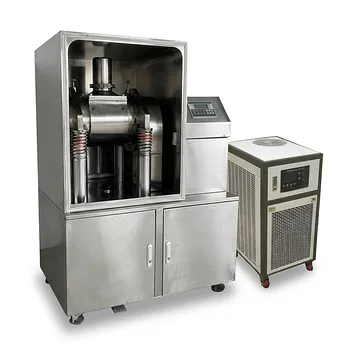
Water Cooled Cryogenic Ultra Fine Cell Wall Breaking Mill
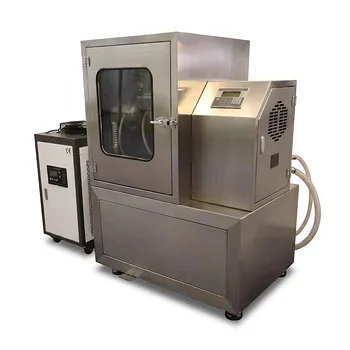
Ultra-Low Temperature Vibratory Mill for Ultrafine Grinding
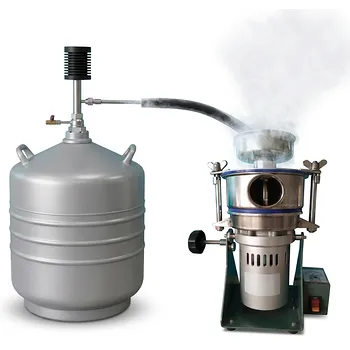
Cryogenic Liquid Nitrogen Grinder for Ultrafine Heat-Sensitive Powder Processing
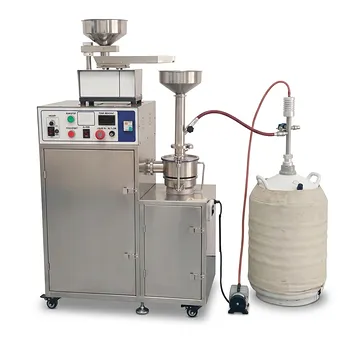
Small Liquid Nitrogen Cryogenic Grinder with Vibratory Feeder for Laboratory Sample Preparation
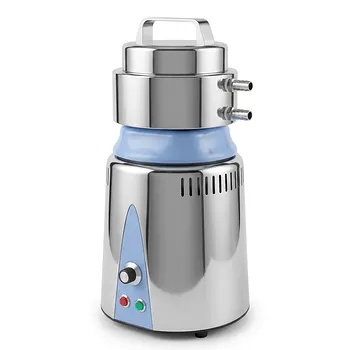
Low Temperature Laboratory Knife Mill Cryogenic Sample Grinder Material Science Powder Processing
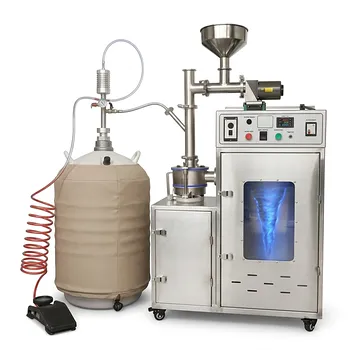
Small Liquid Nitrogen Cryogenic Grinder for Ultrafine Grinding of Heat-Sensitive Materials in Laboratories
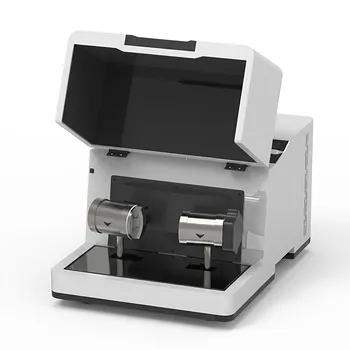
Ultra-Low Temperature Cryogenic High-Energy Vibratory Ball Mill
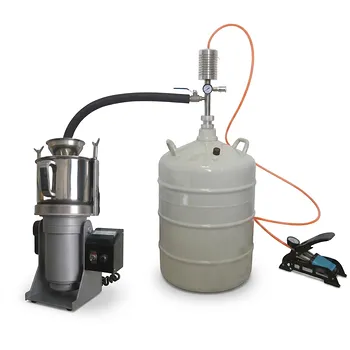
Liquid Nitrogen Cryogenic Grinder for Plastic and Heat-Sensitive Materials
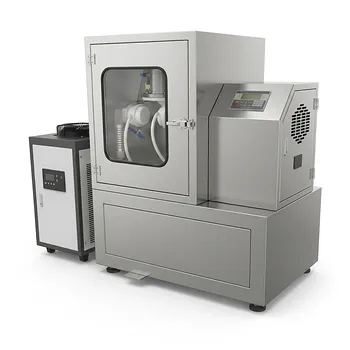
Vibratory Ultra-Low Temperature Ultrafine Grinder for Cryogenic Powder Processing
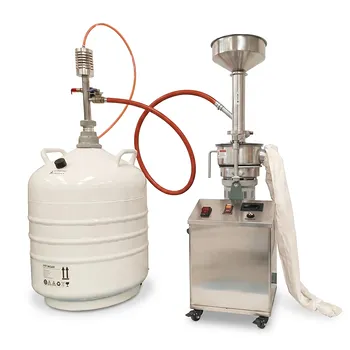
Laboratory Liquid Nitrogen Cryogenic Grinder Polymer Sample Preparation Pulverizer
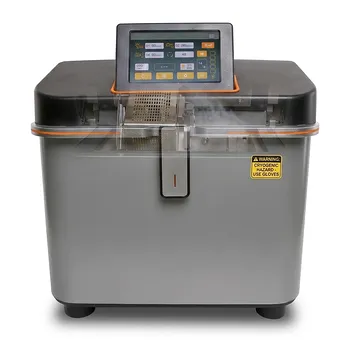
Cryogenic Liquid Nitrogen Grinder for DNA Analysis and Polymer Pulverization with Automatic Cooling and Electromagnetic Impact Technology
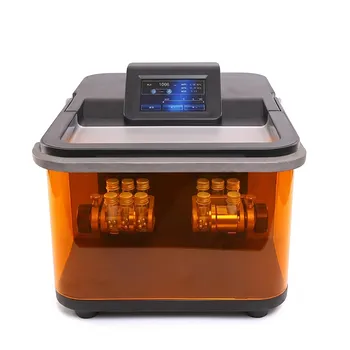
High Throughput Micro Ball Mill for Cryogenic Grinding and Laboratory Cell Disruption
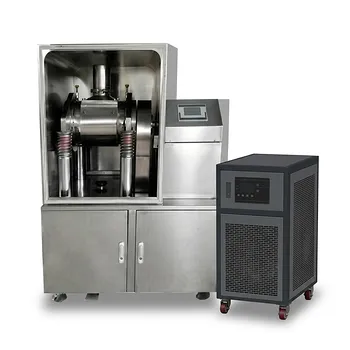
Ultra-low Temperature Vibratory Mill Ultrafine Grinder
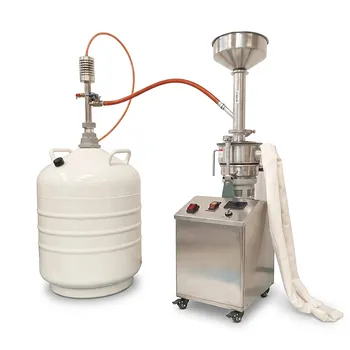
Laboratory Liquid Nitrogen Cryogenic Grinder for Polymer and Elastomer Materials
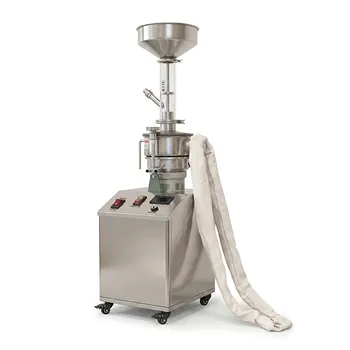
Small Liquid Nitrogen Cryogenic Grinder for Plastic and Heat-Sensitive Material Sample Preparation
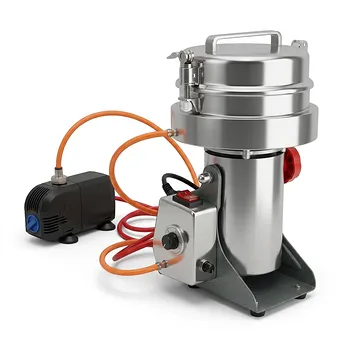
Water Cooled High Speed Grinder with Cryogenic Option for Laboratory Sample Preparation
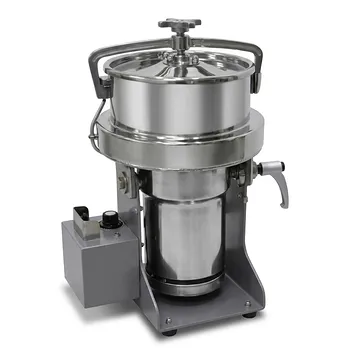
500g Capacity Water Cooled Low Temperature Grinder with Variable Speed and Safety Cover
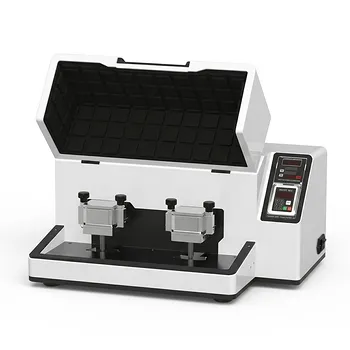
Nanoscale High Energy Vibratory Ball Mill Low Temperature
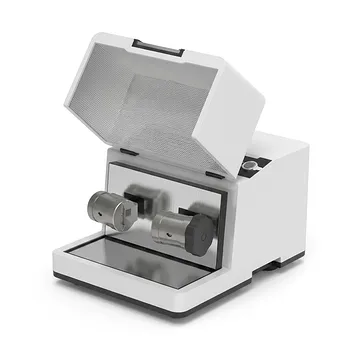
Heating Temperature Controlled High Energy Vibratory Ball Mill