How does the mass ratio between the container and the vibration exciter influence the energy efficiency? Top Optimization Tips
Updated 4 months ago
The mass ratio between the container and the vibration exciter is the primary driver of energy performance in vibration mixing systems. Research demonstrates that maintaining an optimal ratio of 5:1 (container mass to exciter mass), when paired with a 6.5mm amplitude, minimizes total power consumption to under 3.5 kW. This specific configuration ensures the system operates at a peak balance between power output and material processing intensity.
Core Takeaway: Achieving energy efficiency in vibration mixing requires a precise 5:1 mass ratio between the container and exciter to minimize power draw while maximizing kinetic transfer to the material.
The Mechanics of the Optimal Mass Ratio
Achieving the Efficiency "Sweet Spot"
The ratio of the container mass to the kinematic exciter mass acts as a central indicator of how effectively energy is transferred into the mixing medium.
When this ratio is tuned to 5, the drive system operates within a window where the mechanical impedance of the load is perfectly matched to the capability of the exciter.
Maintaining this balance prevents the exciter from overworking, which directly reduces the electrical overhead required to sustain the vibration.
The Role of Kinematic Standards
Mass ratio cannot be viewed in isolation; it must be coupled with specific kinematic standards to ensure efficiency.
An amplitude of 6.5mm is identified as the ideal companion to the 5:1 mass ratio to achieve the lowest possible power consumption.
Deviating from this amplitude, even with a perfect mass ratio, can lead to energy dissipation in the form of heat or mechanical stress rather than productive mixing.
Geometric Factors Influencing Energy Flow
The Impact of Container Aspect Ratio
While the mass ratio governs energy input, the aspect ratio of the container determines how that energy is distributed internally.
A container aspect ratio of 1.25 is recommended to minimize the volume of low-speed zones within the flow field.
By optimizing this geometry, the system promotes the intense dissipation of vortex structures, ensuring that the kinetic energy provided by the exciter is used effectively throughout the entire volume.
Enhancing Chaotic Convective Mixing
A rational structural design facilitates the rapid collapse of fluid interfaces within the container.
This allows the system to achieve optimal mixing metrics within a limited startup time, further reducing the total energy consumed per batch.
Proper geometry ensures that chaotic convection is triggered early, preventing energy waste during the initial phases of the mixing cycle.
Understanding the Trade-offs and Pitfalls
Power Consumption vs. Processing Intensity
Increasing the mass ratio beyond the optimal range may lower power consumption further but often results in a significant drop in processing intensity.
Conversely, a ratio that is too low may increase mixing speed but will lead to exponential growth in power draw and mechanical wear on the vibration drive.
The 5:1 ratio is a calculated compromise that provides sufficient force to move material without overloading the electrical system.
Structural Constraints and Startup Inertia
Systems designed for a specific mass ratio are often less flexible regarding batch size variations.
Significant changes in the mass of the material being processed can shift the ratio away from the optimal 5:1 threshold, leading to unexpected energy spikes.
Engineers must also account for the high torque required to overcome inertia during the initial startup phase in high-mass-ratio systems.
How to Optimize Your Mixing Configuration
To achieve the best results, evaluate your system parameters based on your primary operational requirements.
- If your primary focus is Minimum Power Consumption: Maintain a strict 5:1 mass ratio and calibrate your vibration exciter to a 6.5mm amplitude.
- If your primary focus is Mixing Homogeneity: Prioritize a container aspect ratio of 1.25 to eliminate dead zones and promote chaotic fluid dissipation.
- If your primary focus is Throughput Speed: Optimize the structural design to facilitate rapid fluid interface collapse, reducing the time required to reach a steady state.
By aligning the mechanical mass of the system with specific kinematic and geometric standards, you can transform the vibration drive from a high-draw component into a precision tool for energy-efficient material processing.
Summary Table:
| Parameter | Optimal Specification | Impact on Energy Efficiency |
|---|---|---|
| Mass Ratio (Container:Exciter) | 5:1 | Minimizes power consumption to < 3.5 kW |
| Vibration Amplitude | 6.5 mm | Balances power output with processing intensity |
| Container Aspect Ratio | 1.25 | Eliminates dead zones and enhances energy flow |
| Mixing Mechanism | Chaotic Convection | Reduces startup time and energy waste per batch |
| Load Impedance | Matched | Prevents exciter overworking and thermal dissipation |
Elevate Your Material Science Research with Precision Equipment
Achieving the perfect balance in powder processing requires more than just theory—it requires high-performance machinery. At [Your Brand Name], we provide complete laboratory sample preparation solutions tailored for material science.
Whether you are optimizing vibration mixing energy efficiency or require high-pressure compaction, our specialized equipment is designed to deliver consistent results:
- Powder Processing: Advanced powder mixers, defoaming mixers, and high-efficiency mills (planetary, jet, and cryogenic).
- Sample Compaction: A full spectrum of hydraulic presses, including Cold/Warm Isostatic Presses (CIP/WIP), vacuum hot presses, and XRF pellet presses.
- Size Reduction: Heavy-duty jaw/roll crushers and precision sieve shakers for accurate particle size analysis.
Ready to optimize your workflow and reduce energy costs? Contact our engineering team today to find the ideal solution for your specific application requirements!
References
- Igor Palamarchuk, Nataliya Slobodyanyuk. Evaluation of the energy efficiency of the process of vibratory mixing of multicomponent bulk raw material of food industries. DOI: 10.24263/edsd-2023-5-39
Mentioned Products
- Single Tank High Energy Vibratory Ball Mill for Laboratory Grinding and Mixing
- High Energy Hybrid Vibratory Ball Mill for Grinding Mixing and Cell Disruption
- Three-Dimensional Motion Mixer for Laboratory Powder and Granule Blending
- Dry Three Dimensional Vibratory Sieve Shaker
- Automatic Vibrating Powder Feeder for Laboratory Material Processing Precision Vibratory Hopper Feeder for Granular and Powder Material Handling Industrial Grade Vibrating Tray Feeder for Consistent Material Sample Preparation
People Also Ask
- What is the primary purpose of using a vibratory ball mill in the preparation of respirable carbon fiber fragments?
- What is the purpose of using a vibratory ball mill for Al-Ni-Fe alloy ribbons? Achieve High Catalytic Activity
- Why is a vibratory ball mill preferred over a planetary ball mill for rapid powder particle refinement? High-Speed Impact
- How does a high-energy vibratory ball mill improve the performance of MgH2? Optimize Hydrogen Storage Kinetics
- What role do high-energy ball mills play in the preparation of reinforcements for hybrid metal matrix composites?

Tech Team · PowderPreparation
Last updated on Jun 03, 2026
Related Products
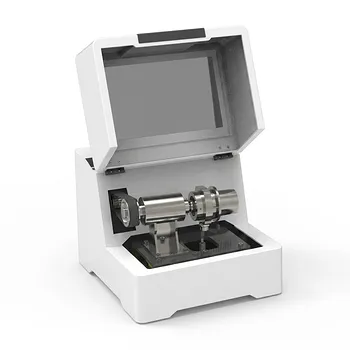
Single Tank High Energy Vibratory Ball Mill for Laboratory Grinding and Mixing
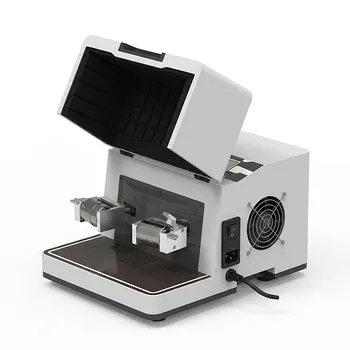
High Energy Hybrid Vibratory Ball Mill for Grinding Mixing and Cell Disruption
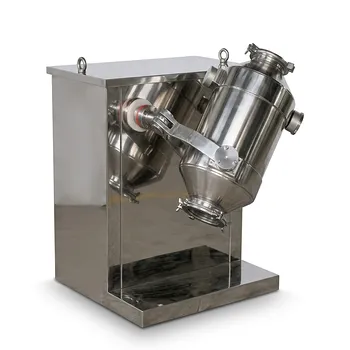
Three-Dimensional Motion Mixer for Laboratory Powder and Granule Blending
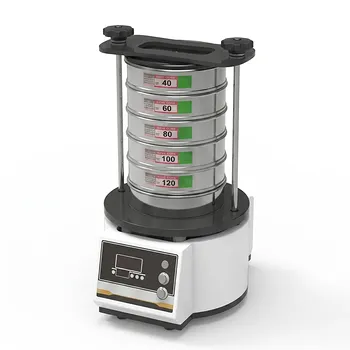
Dry Three Dimensional Vibratory Sieve Shaker
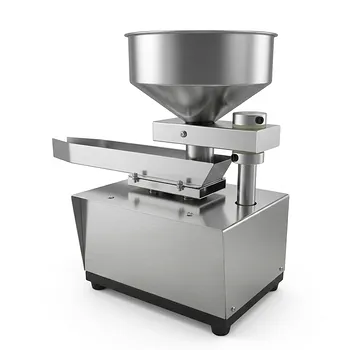
Automatic Vibrating Powder Feeder for Laboratory Material Processing Precision Vibratory Hopper Feeder for Granular and Powder Material Handling Industrial Grade Vibrating Tray Feeder for Consistent Material Sample Preparation
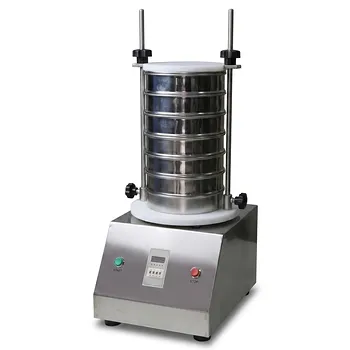
Laboratory Vibratory Test Sieve Shaker for Precision Particle Size Analysis and Powder Grading
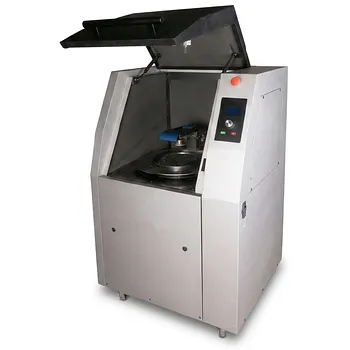
High Speed Vibratory Disc Mill for Spectral Analysis Sample Preparation and Rapid Powder Grinding
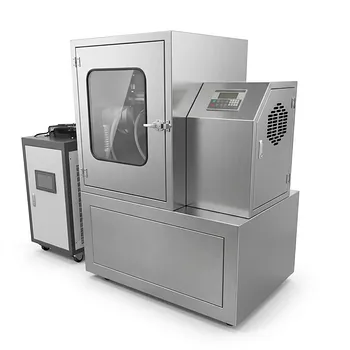
Vibratory Superfine Grinder for Ultra Fine Laboratory Powder Milling
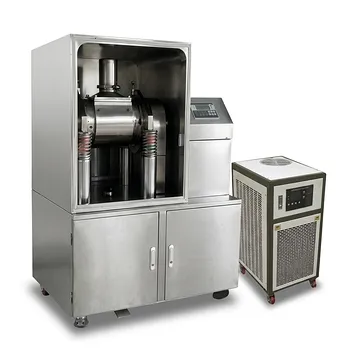
Small Vibrating Ultrafine Grinder for Traditional Chinese Medicine
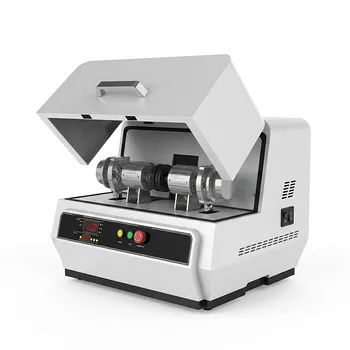
Dual Jar High Energy Vibratory Ball Mill
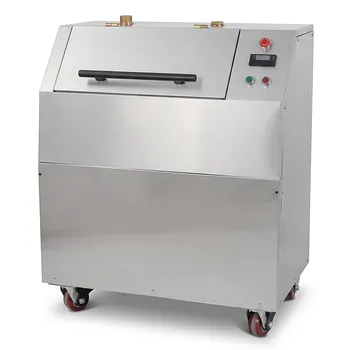
Vibratory Disc Mill for Rapid Fine Grinding and High Throughput Sample Preparation of Hard and Brittle Materials
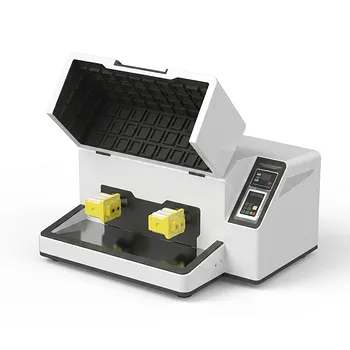
Multi-Platform Nanoscale High-Energy Vibratory Ball Mill
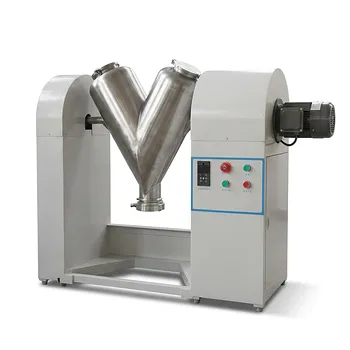
V-Type Powder Mixer for Uniform Blending of Dry Powders and Granules

Stainless Steel Rotary Vibrating Sieve High Precision Circular Vibratory Separator Industrial Powder Grading Machine Multi Layer Sifting Equipment
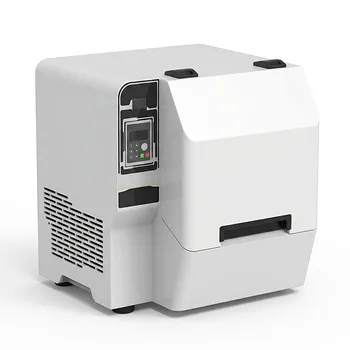
Nano High Energy Vibratory Ball Mill for Laboratory Sample Preparation
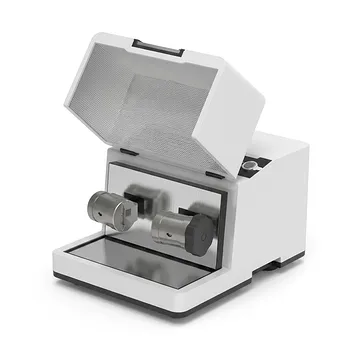
Heating Temperature Controlled High Energy Vibratory Ball Mill
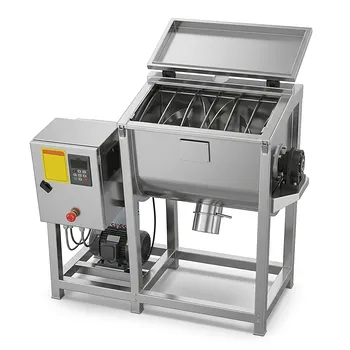
Horizontal Ribbon Mixer for Uniform Powder and Slurry Mixing
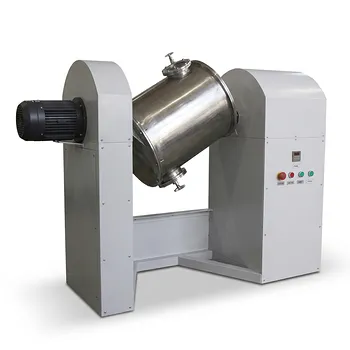
Inclined Mixer for Homogeneous Powder Blending and Grinding
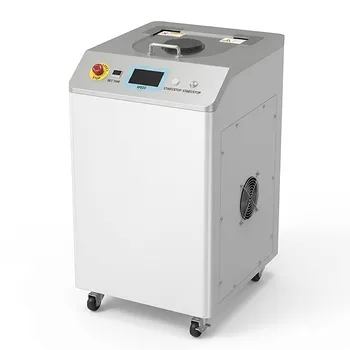
High Viscosity Planetary Centrifugal Vacuum Mixer for Material Defoaming and Uniform Mixing