How does a uniaxial hydraulic press ensure sample quality? Key to Dense, Crack-Free Bismuth Ferrite Ceramic Targets
Updated 5 months ago
The uniaxial hydraulic press ensures the quality of 1-inch bismuth ferrite targets by applying precise, controlled pressure to transform processed powders into dense "green bodies." This mechanical compaction forces particle rearrangement, eliminates internal voids, and establishes the necessary mechanical strength to survive the high-temperature sintering process. By maintaining a stable and uniform pressure environment, the press prevents internal defects that would otherwise lead to cracking or structural failure during final production.
The core function of the uniaxial hydraulic press is to establish a high-density foundation for the ceramic target. This controlled compaction minimizes porosity and ensures geometric uniformity, which are the two most critical factors in preventing cracks during the subsequent 900 °C sintering phase.
Eliminating Internal Defects Through Particle Dynamics
Forcing Particle Rearrangement
The application of high-intensity uniaxial pressure—often ranging from 50 MPa to 80 MPa—overcomes the natural repulsion between fine powder grains. This force drives the particles to slide and rotate into a more efficient packing arrangement. This initial rearrangement is the first step in creating a homogeneous internal structure.
Minimizing Internal Porosity
By applying continuous and uniform pressure, the press eliminates large pores and air pockets within the powder mass. This level of compaction ensures tight contact between particles, which is essential for the solid-state sintering that occurs later. Reducing these voids early in the process is the primary defense against internal structural weaknesses.
Establishing Grain Bonding
While the press operates at room temperature (unless performing hot-pressing), the mechanical force is sufficient to create initial mechanical bonds between grains. These bonds provide the "green body" with the structural integrity required for handling and moving the sample to the furnace.
Ensuring Geometric and Density Consistency
Precision Through Mechanical Molds
A uniaxial press utilizes precision-engineered molds to ensure the target maintains a exact 1-inch (approx. 25.4 mm) diameter. This standardized molding process ensures that every sample produced has consistent geometric dimensions. This consistency is vital for downstream applications where the target must fit specific vacuum chambers or deposition systems.
Uniform Initial Density
The press provides a preset and accurate pressure that results in a predictable initial density across different batches. Standardizing the forming pressure ensures that subsequent measurements of mechanical properties, such as hardness and flexural strength, are scientifically valid and comparable.
Defining Thickness and Surface Finish
Beyond diameter, the press allows for the calibration of initial thickness and surface smoothness. A stable pressure environment prevents surface irregularities and ensures the green body has the flat, smooth finish necessary for high-quality characterization and imaging.
Preparing the Green Body for Thermal Processing
Preventing Cracks During Sintering
High-quality green bodies produced by a hydraulic press are significantly less likely to crack during the 900 °C sintering process. Because the particles are already tightly packed, the amount of shrinkage during heating is controlled and uniform. This stability is critical for obtaining stable, crack-free bismuth ferrite ceramic targets.
Supporting Single-Crystal Growth
For targets intended for single-crystal growth, the initial compaction density determines the success of the final crystal structure. The hydraulic press creates a dense ceramic precursor that allows for the uniform diffusion of atoms during the heating cycle. This results in a more uniform and dense ceramic crystal structure upon cooling.
Understanding the Trade-offs and Pitfalls
The Pressure Gradient Challenge
A primary limitation of uniaxial pressing is the pressure gradient caused by friction between the powder and the mold walls. This can result in the center of the target being slightly less dense than the edges. For 1-inch targets, this effect is usually manageable, but it requires careful lubrication of the mold to ensure uniformity.
Risk of Over-Compaction
Applying excessive pressure can lead to "lamination" or internal stress cracks known as capping. If the pressure is released too quickly or if the force is too high for the specific powder chemistry, the elastic recovery of the particles can cause the target to split into layers.
Applying These Principles to Your Production
How to Apply This to Your Project
- If your primary focus is maximizing final density: Utilize higher pressures (up to 80 MPa) and ensure the powder is granulated with a binder to improve flow and packing efficiency.
- If your primary focus is preventing structural cracks: Implement a slow pressure-release cycle (dwell time) to allow internal stresses to stabilize before removing the green body from the mold.
- If your primary focus is geometric precision: Invest in high-chrome steel or tungsten carbide molds to minimize deformation under high uniaxial loads.
A controlled uniaxial pressing stage is the non-negotiable foundation for producing high-performance bismuth ferrite targets that remain structurally sound throughout the manufacturing lifecycle.
Summary Table:
| Key Mechanism | Impact on Sample Quality | Technical Recommendation |
|---|---|---|
| High-Intensity Pressure | Eliminates voids and ensures particle rearrangement | 50 MPa to 80 MPa |
| Precision Molds | Guarantees exact 1-inch diameter and surface finish | High-chrome steel or Tungsten Carbide |
| Mechanical Bonding | Provides "green body" strength for handling | Use binders for improved flow |
| Pressure Stability | Minimizes shrinkage and cracks during 900°C sintering | Standardized forming pressure |
| Controlled Release | Prevents lamination and internal stress (capping) | Implement a slow dwell/release cycle |
Optimize Your Material Synthesis with Precision Compaction Solutions
Achieving the perfect ceramic target requires more than just pressure—it requires precision. Our brand provides complete laboratory sample preparation solutions tailored for material science researchers and industrial manufacturers. We specialize in high-performance powder processing and compaction equipment designed to eliminate defects and maximize density.
Our extensive product line includes:
- Advanced Hydraulic Presses: Cold/Warm Isostatic Presses (CIP/WIP), standard lab presses, XRF pellet presses, and vacuum hot presses.
- Powder Processing: Jaw/roll crushers, liquid nitrogen cryogenic grinders, and various mills (planetary ball, jet, rotor).
- Sieving & Mixing: Vibratory sieve shakers, powder mixers, and vacuum defoaming mixers.
Whether you are manufacturing bismuth ferrite targets or developing new composite materials, our equipment ensures the geometric uniformity and structural integrity your project demands. Contact our technical team today to find the ideal solution for your laboratory's needs.
References
- Ming‐Wei Chu, Wei Sea Chang. Coupled Ferroelectric–Photoelectrochemical in Water Reduction Over BiFeO <sub>3</sub> Thin Film Heterostructure Modulated by Rare‐Earth Doping. DOI: 10.1002/adfm.202516031
Mentioned Products
- 6 Ton Variable Frequency Single Punch Tablet Press
- 5 Ton Single Punch Tablet Press Laboratory Small Batch Production
- 6-Ton Small Single-Punch Tablet Press — Laboratory Powder & Granule Tableting Equipment / Tablet Forming Machine
- Manual Tablet Press with Dual Scale Pressure Gauge for Pharmaceutical Food Chemical Laboratory Sample Preparation
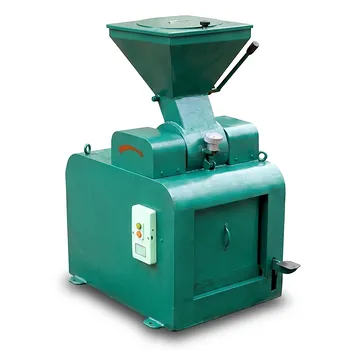
- Small Hammer Crusher for Brittle Material Crushing in Mining Metallurgy and Lab Sample Preparation
People Also Ask
- Why is a laboratory hydraulic press required for FT-IR KBr pellets? Achieve Precise Sample Clarity for ZrC–SiC Analysis
- Why is vacuum sealing and flexible packaging necessary for Aluminum Titanate powders during CIP? Ensure Peak Density
- What are the advantages of using hardened steel molds and graphite spray for titanium powder? Ensure structural integrity
- Why is a laboratory hydraulic press required to compress oyster shell powder before XRF analysis? Improve Data Accuracy.
- What role does a high-strength stainless steel mold kit play in the uniaxial die compaction process? Ensuring Precision

Tech Team · PowderPreparation
Last updated on May 14, 2026
Related Products
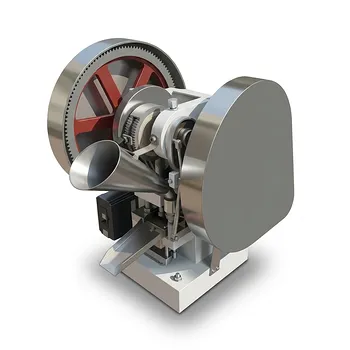
6 Ton Variable Frequency Single Punch Tablet Press
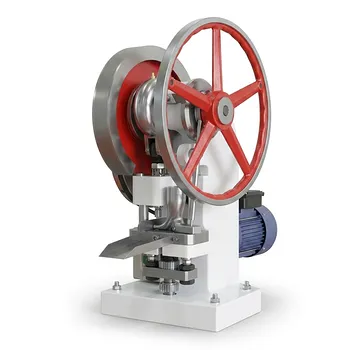
5 Ton Single Punch Tablet Press Laboratory Small Batch Production
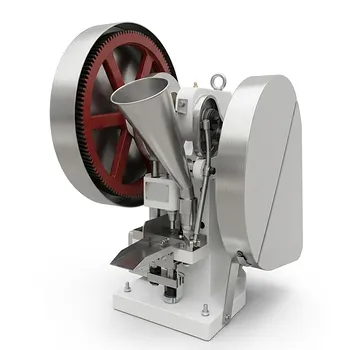
6-Ton Small Single-Punch Tablet Press — Laboratory Powder & Granule Tableting Equipment / Tablet Forming Machine
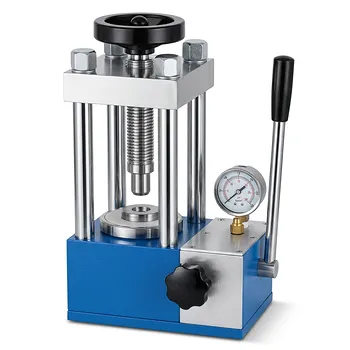
Manual Tablet Press with Dual Scale Pressure Gauge for Pharmaceutical Food Chemical Laboratory Sample Preparation
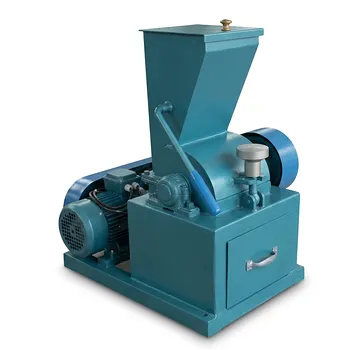
Small Hammer Crusher for Brittle Material Crushing in Mining Metallurgy and Lab Sample Preparation
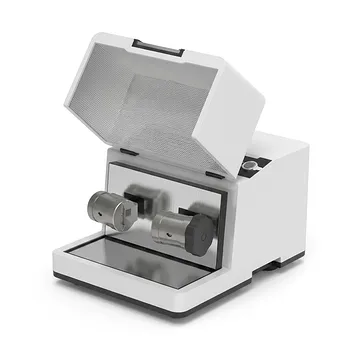
Heating Temperature Controlled High Energy Vibratory Ball Mill
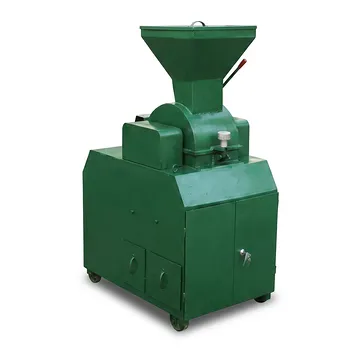
Industrial Sealed Hammer Knife Crusher for Mining Ore and Coal Sample Preparation
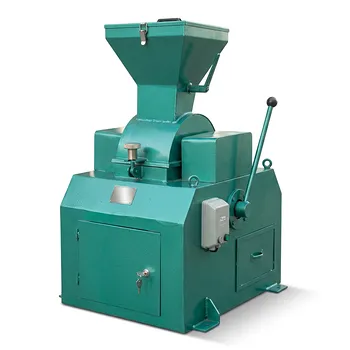
Laboratory Sealed Hammer Blade Crusher Divider for High Hardness Sample Preparation
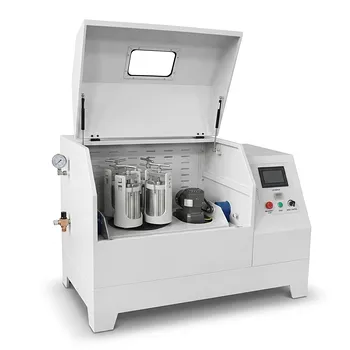
Vertical Production Planetary Ball Mill for High Throughput Powder Processing
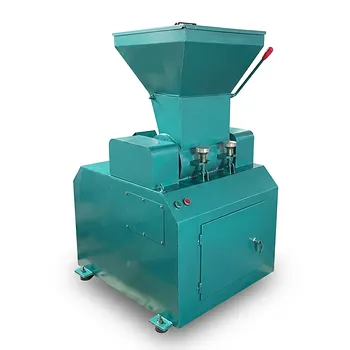
Sealed Hammer Crusher for Laboratory Coal Sample Preparation Adjustable Output Size
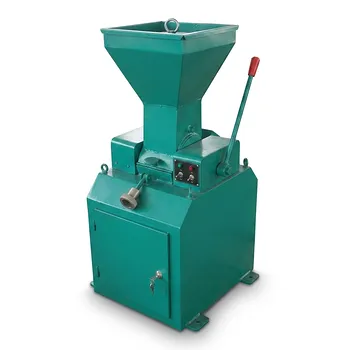
Laboratory Sealed Hammer Crusher for Coal and Mineral Sample Preparation
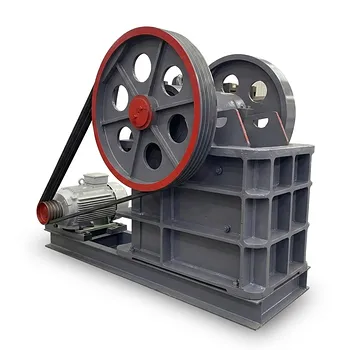
250x400mm Jaw Crusher Medium Crushing Equipment for Mining Mineral Sample Preparation
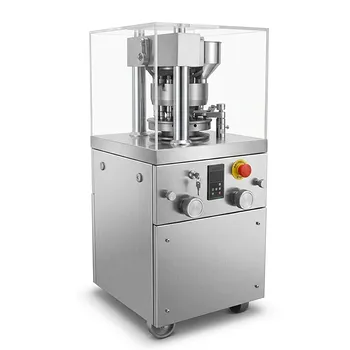
Ordinary Type Rotary Tablet Press for Pharmaceutical Chemical Food Electronic Industries
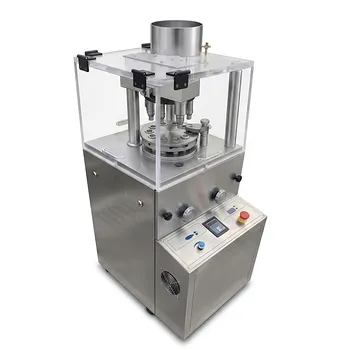
Enhanced 9 Punch Rotary Tablet Press for Powder Compaction
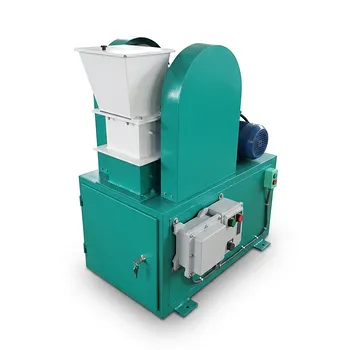
Custom Explosion-Proof Sealed Jaw Crusher for Laboratory and Industrial Sample Preparation
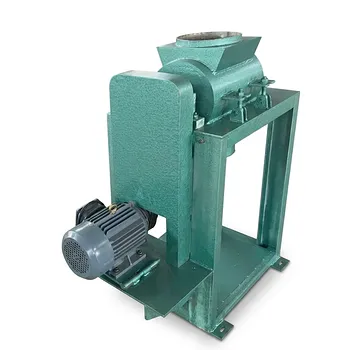
Customized Sealed Laboratory Hammer Crusher for Coal and Medium Hardness Sample Preparation
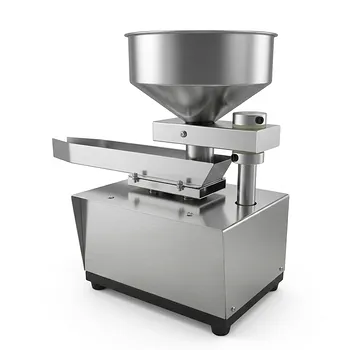
Automatic Vibrating Powder Feeder for Laboratory Material Processing Precision Vibratory Hopper Feeder for Granular and Powder Material Handling Industrial Grade Vibrating Tray Feeder for Consistent Material Sample Preparation
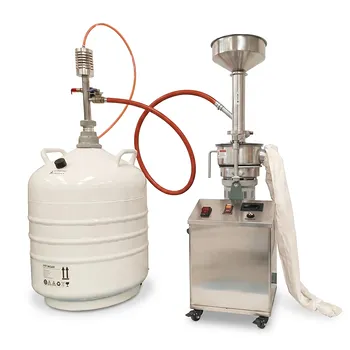
Laboratory Liquid Nitrogen Cryogenic Grinder Polymer Sample Preparation Pulverizer
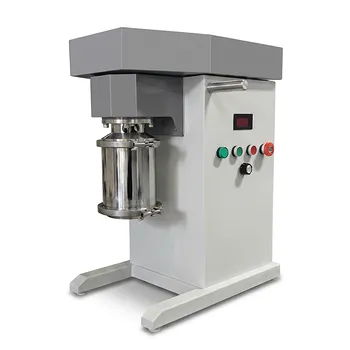
Nano Laboratory Bead Mill Desktop Sub Micron Sand Mill Screenless Seal Less Powder Grinder