How do precision hot press molds ensure material consistency during SF-C/C-SiC preparation? Achieve High Densification
Updated 5 months ago
Precision hot press molds achieve material consistency by providing a stable uniaxial pressure and a uniform temperature field during the compaction of carbon fiber and resin mixtures. This dual-action environment ensures that SF-C/C-SiC green bodies reach full densification at a strictly controlled thickness, eliminating localized density variations.
The precision mold acts as a stabilizer for the material's microstructure, ensuring that the internal density gradient is uniform and the fiber orientation remains undisturbed. This consistency is the foundation for preventing structural failure or significant volume shrinkage during high-temperature sintering.
The Role of Mechanical Pressure in Densification
Uniaxial Pressure and Particle Rearrangement
Precision molds apply stable uniaxial pressure—often ranging from 25 MPa to 80 MPa—to the mixture of carbon fibers and phenolic resin powder. This force causes the loose particles to overcome internal friction, undergo rearrangement, and fill spatial gaps for tight packing.
Minimizing Internal Porosity
By providing precise pressure control, the mold forces the material into a state of high relative density. This minimizes internal porosity and limits the size of initial defects, which directly improves the reliability and Weibull modulus of the final silicon carbide ceramic.
Defining Green Strength and Shape
The mold cavity defines the macroscopic shape while the pressure ensures sufficient green strength. This mechanical integrity allows the green body to be handled and processed further without the risk of structural cracking or deformation.
Thermal and Microstructural Regulation
Maintaining a Uniform Temperature Field
Hot press molds are designed to distribute heat evenly across the entire cavity. This uniform temperature field is critical for the phenolic resin powder to melt and bond with carbon fibers consistently, preventing "soft spots" or uncured zones within the green body.
Preservation of Fiber Orientation
The rigid structure of the mold cavity maintains the pre-existing orientation of the carbon fiber bundles during the pressing process. By preventing fibers from shifting or clumping, the mold ensures that the resulting Carbon Fiber Reinforced Polymer (CFRP) has a stable and predictable fiber distribution.
Controlling Shrinkage and Dimensions
Because the mold controls the compaction density so precisely, it dictates the shrinkage rate during subsequent heat treatments. This results in green bodies with accurate dimensions and regular geometric shapes, reducing the need for extensive post-sintering machining.
Understanding the Trade-offs
Wall Friction and Density Gradients
Even with high-precision molds, friction between the powder and the mold walls can cause minor pressure gradients. This may lead to slight density variations between the center and the edges of the green body if the pressing parameters are not perfectly calibrated.
Thermal Lag in Large Components
In larger precision molds, thermal lag can occur, where the core of the material reaches the target temperature slower than the surface. If the heating rate is too fast, this temperature differential can create internal stresses that lead to warping during the sintering phase.
Material Compatibility and Wear
Molds made of cemented carbide or stainless steel provide high precision but are subject to wear over time when processing abrasive ceramic powders. Any degradation in the mold surface will immediately impact the surface finish and dimensional tolerance of the green body.
Applying These Principles to Your Process
How to Optimize for Specific Material Goals
- If your primary focus is maximizing mechanical reliability: Use higher uniaxial pressure (up to 80 MPa) to ensure the tightest possible particle packing and minimize the size of internal pores.
- If your primary focus is complex fiber architectures: Prioritize a mold design that minimizes lateral fiber movement during closure to preserve the specific orientation of the carbon fiber reinforcement.
- If your primary focus is dimensional accuracy: Implement a slow, controlled heating cycle within the hot press to ensure a uniform temperature field and prevent internal stress accumulation.
Consistent green body preparation is the single most important factor in ensuring the structural integrity of the final SF-C/C-SiC ceramic component.
Summary Table:
| Feature | Mechanism | Impact on Material Consistency |
|---|---|---|
| Uniaxial Pressure | Stable force (25-80 MPa) | Eliminates internal porosity and ensures tight packing. |
| Thermal Regulation | Uniform temperature field | Ensures consistent resin melting and prevents "soft spots." |
| Structural Rigidity | Fixed mold cavity | Maintains fiber orientation and predictable dimensions. |
| Density Control | Controlled compaction | Minimizes shrinkage rates and density gradients. |
Optimize Your Material Consistency with Expert Lab Solutions
High-performance SF-C/C-SiC composites require absolute precision. At our core, we provide complete laboratory sample preparation solutions for material science, specializing in professional-grade powder processing and compaction equipment.
Whether you are refining ceramic powders or molding advanced green bodies, our extensive line includes everything from planetary ball mills and jet mills to specialized crushers and sieve shakers. To ensure perfect densification, we manufacture a full spectrum of hydraulic systems:
- Cold/Warm Isostatic Presses (CIP/WIP) for uniform density.
- Vacuum Hot Presses for advanced material bonding.
- Standard Lab and XRF Pellet Presses for rapid sample prep.
Ready to eliminate structural defects and enhance your research outcomes? Contact us today to discuss your project requirements!
References
- J. Hausherr, Walter Krenkel. Determination of material properties for short fibre reinforced C/C-SiC. DOI: 10.1051/matecconf/20152900005
Mentioned Products
- 6 Ton Variable Frequency Single Punch Tablet Press
- 5 Ton Single Punch Tablet Press Laboratory Small Batch Production
- Heating Temperature Controlled High Energy Vibratory Ball Mill
- Portable Cutting Mill for Laboratory Sample Preparation and RoHS WEEE Compliance Testing
- 6-Ton Small Single-Punch Tablet Press — Laboratory Powder & Granule Tableting Equipment / Tablet Forming Machine
People Also Ask
- Why is a laboratory hydraulic press required for FT-IR KBr pellets? Achieve Precise Sample Clarity for ZrC–SiC Analysis
- Why is vacuum sealing and flexible packaging necessary for Aluminum Titanate powders during CIP? Ensure Peak Density
- What are the advantages of using hardened steel molds and graphite spray for titanium powder? Ensure structural integrity
- Why is a laboratory hydraulic press required to compress oyster shell powder before XRF analysis? Improve Data Accuracy.
- What role does a high-strength stainless steel mold kit play in the uniaxial die compaction process? Ensuring Precision

Tech Team · PowderPreparation
Last updated on May 14, 2026
Related Products
6 Ton Variable Frequency Single Punch Tablet Press
5 Ton Single Punch Tablet Press Laboratory Small Batch Production
Heating Temperature Controlled High Energy Vibratory Ball Mill
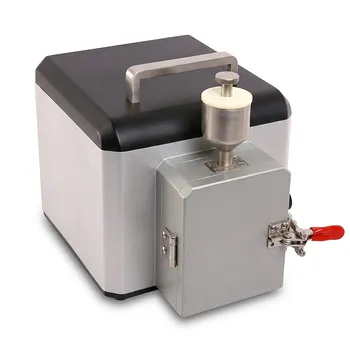
Portable Cutting Mill for Laboratory Sample Preparation and RoHS WEEE Compliance Testing
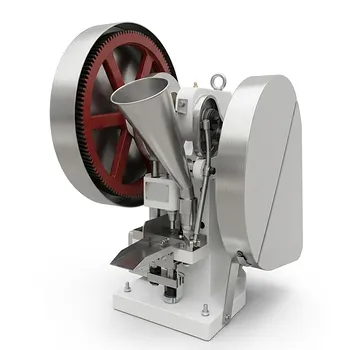
6-Ton Small Single-Punch Tablet Press — Laboratory Powder & Granule Tableting Equipment / Tablet Forming Machine
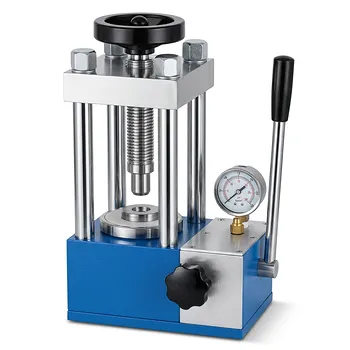
Manual Tablet Press with Dual Scale Pressure Gauge for Pharmaceutical Food Chemical Laboratory Sample Preparation
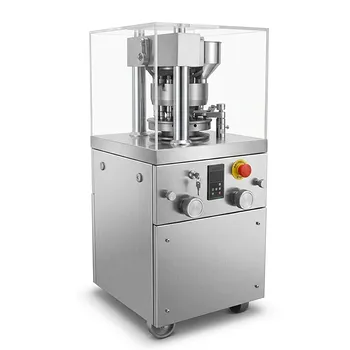
Ordinary Type Rotary Tablet Press for Pharmaceutical Chemical Food Electronic Industries
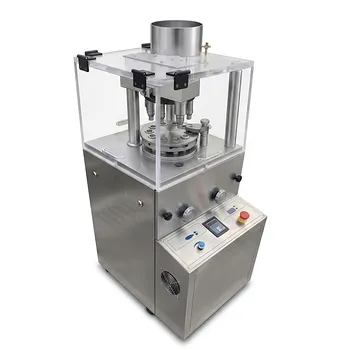
Enhanced 9 Punch Rotary Tablet Press for Powder Compaction
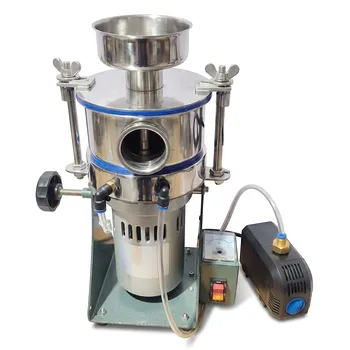
Water Cooled Airflow Ultra Fine Grinder for Low Temperature Material Processing
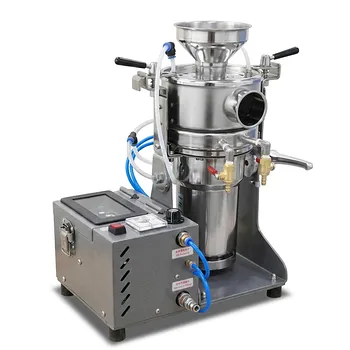
Water Cooled Pulse Jet Ultrafine Grinder
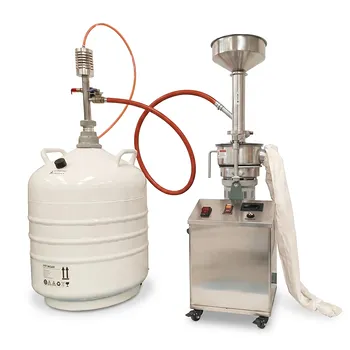
Laboratory Liquid Nitrogen Cryogenic Grinder Polymer Sample Preparation Pulverizer

Low Temperature Laboratory Knife Mill Cryogenic Sample Grinder Material Science Powder Processing
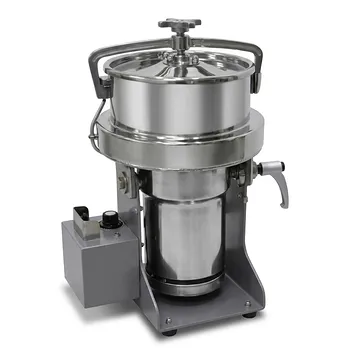
500g Capacity Water Cooled Low Temperature Grinder with Variable Speed and Safety Cover
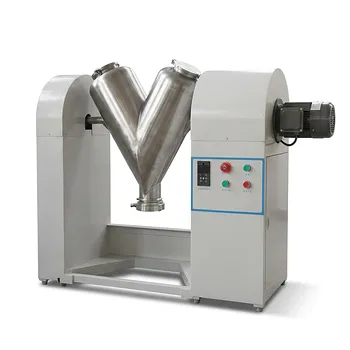
V-Type Powder Mixer for Uniform Blending of Dry Powders and Granules
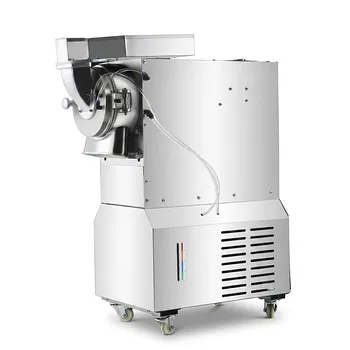
Water Cooled Continuous Feed Pulverizer Laboratory Grade Herb and Material Grinding System
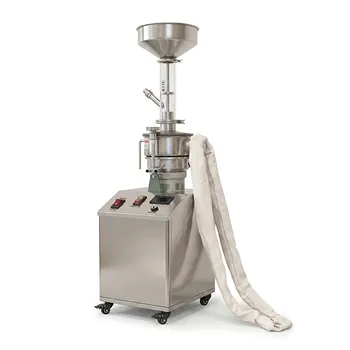
Small Liquid Nitrogen Cryogenic Grinder for Plastic and Heat-Sensitive Material Sample Preparation
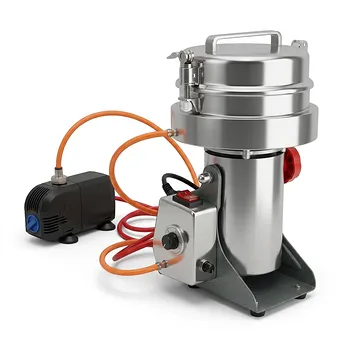
Water Cooled High Speed Grinder with Cryogenic Option for Laboratory Sample Preparation

Automatic Vibrating Powder Feeder for Laboratory Material Processing Precision Vibratory Hopper Feeder for Granular and Powder Material Handling Industrial Grade Vibrating Tray Feeder for Consistent Material Sample Preparation
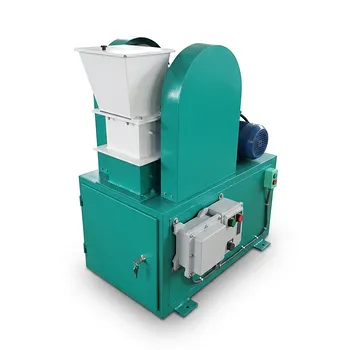
Custom Explosion-Proof Sealed Jaw Crusher for Laboratory and Industrial Sample Preparation