How does a laboratory hydraulic press ensure ceramic green body quality? Precision Compaction for Bismuth Ferrite
Updated 5 months ago
A laboratory hydraulic press is the critical bridge between raw powder and a viable ceramic. It ensures the quality of terbium-modified bismuth ferrite green bodies by applying precise, constant uniaxial pressure—typically 50 MPa—to force the rearrangement of calcined powder particles. This mechanical compaction significantly reduces internal porosity and establishes the high-density foundation necessary to prevent cracking and deformation during the subsequent 850°C sintering process.
The laboratory hydraulic press ensures structural integrity by transforming loose powders into dense, uniform green bodies. This process eliminates internal voids and density gradients, which is essential for achieving high densification and preventing structural failure during thermal treatment.
Optimizing Particle Rearrangement and Packing
Eliminating Internal Porosity
The primary function of the press is to apply controlled axial pressure that forces powder particles into a tight, rearranged structure. By reaching pressures often near 50–100 MPa, the press minimizes air pockets and increases the mechanical contact between terbium-modified particles.
Establishing Green Strength
High-precision compaction creates a "green body" with sufficient structural integrity for handling and machining. This strength is derived from the bonding of particles under load, ensuring the cylindrical or disk-shaped form remains intact before it enters the furnace.
Precision Through Steel Molds
The use of hardened steel molds during the pressing process ensures the final ceramic disk achieves the correct geometric shape. This precision is vital for researchers who require consistent samples for comparative material analysis.
Minimizing Defects for Sintering Success
Mitigating Density Gradients
One of the most critical roles of the hydraulic press is the elimination of density gradients within the powder bed. Uniform pressure distribution ensures that the density is consistent from the top of the sample to the bottom, preventing internal stresses.
Preventing Uneven Shrinkage
Because terbium-modified bismuth ferrite undergoes significant phase transformations, uniform shrinkage is mandatory. A high-quality green body produced by a hydraulic press ensures that the material contracts evenly at 850°C, preventing warping or "potato-chipping."
Reducing Contact Resistance
In advanced techniques like Field-Assisted Sintering (FAST), the press helps establish stable conductive pathways. By reducing initial contact resistance through high-density packing, the press facilitates a more efficient and uniform sintering environment.
Understanding the Trade-offs
Pressure Limits and Delamination
Applying excessive pressure can lead to a phenomenon known as "spring-back," where the green body expands and cracks upon release from the mold. Researchers must balance the need for high density with the elastic limits of the terbium-modified powder.
Uniaxial vs. Isostatic Limitations
While uniaxial hydraulic presses are highly efficient for simple geometries, they can occasionally produce minor friction-related density variations near the mold walls. Proper mold lubrication and gradual pressure release are necessary to mitigate these risks and ensure sample homogeneity.
How to Apply This to Your Project
Recommendations for Success
- If your primary focus is maximizing final density: Focus on maintaining a constant, high pressure (e.g., 50 MPa) with an extended pressure-holding stage to allow for maximum particle plastic deformation.
- If your primary focus is preventing sintering cracks: Prioritize the elimination of density gradients by ensuring the powder is leveled perfectly within the mold before applying the load.
- If your primary focus is geometric precision: Utilize high-precision steel molds and a press with digital pressure monitoring to ensure repeatability across multiple sample batches.
The precision and control provided by a laboratory hydraulic press are what transform fragile calcined powders into robust, high-performance ceramic components.
Summary Table:
| Key Feature | Functional Role | Impact on Green Body Quality |
|---|---|---|
| Controlled Axial Pressure | Forces particle rearrangement | Minimizes internal porosity and air pockets |
| Hardened Steel Molds | Defines geometric shape | Ensures dimensional precision and consistency |
| Pressure Holding Stage | Allows plastic deformation | Eliminates density gradients and internal stress |
| Digital Monitoring | Maintains repeatable load | Prevents delamination and ensures batch uniformity |
| High-Density Packing | Establishes green strength | Prevents cracking and warping during 850°C sintering |
Elevate Your Material Research with Precision Compaction
Achieving the perfect green body is the first step toward high-performance ceramics. At [Company Name], we provide complete laboratory sample preparation solutions tailored for material science. Whether you are working on terbium-modified bismuth ferrite or advanced composites, our equipment ensures the structural integrity your research demands.
Our Specialized Product Range Includes:
- Powder Processing: Jaw/roll crushers, liquid nitrogen cryogenic grinders, and high-energy mills (planetary ball, jet, sand, disc, and rotor).
- Compaction & Pressing: A full spectrum of hydraulic presses, including Cold/Warm Isostatic Presses (CIP/WIP), standard lab presses, XRF pellet presses, and advanced vacuum hot presses.
- Material Refining: Sieve shakers (vibratory/air-jet), powder mixers, and specialized defoaming mixers.
Ready to eliminate defects and optimize your sintering success? Contact our technical experts today to find the ideal compaction solution for your laboratory.
References
- Shweta Thakur, M.A. Valente. Impedance and Modulus Spectroscopy Characterization of Tb modified Bi0.8A0.1Pb0.1Fe0.9Ti0.1O3 Ceramics. DOI: 10.1590/1980-5373-mr-2015-0504
Mentioned Products
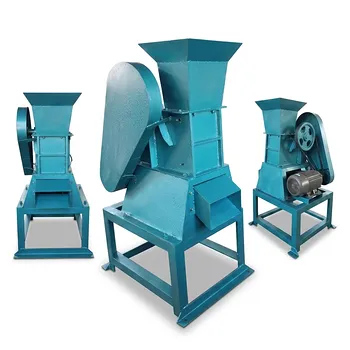
- Small Hammer Crusher for Brittle Material Crushing in Mining Metallurgy and Lab Sample Preparation
- 5 Ton Single Punch Tablet Press Laboratory Small Batch Production
- Manual Tablet Press with Dual Scale Pressure Gauge for Pharmaceutical Food Chemical Laboratory Sample Preparation
- Heating Temperature Controlled High Energy Vibratory Ball Mill
- Vertical Production Planetary Ball Mill for High Throughput Powder Processing
People Also Ask
- Why use lab mills for corncob size reduction? Boost activated carbon surface area and activation efficiency.
- What role does a laboratory hammer mill play in bio-based particleboard prep? Optimize Feedstock for Better Bonding
- What role does a laboratory hammer mill play in composite powder prep? Precision Grinding for Uniform Blending.
- Why Pre-Crush Bulk ZnFeS Before Ball Milling? Essential Steps for Efficiency and High-Purity Micron Refinement
- What is the primary function of a crusher in orange peel composite pretreatment? Enhance Efficiency and Dispersion

Tech Team · PowderPreparation
Last updated on May 14, 2026
Related Products
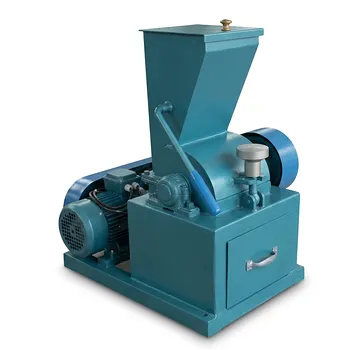
Small Hammer Crusher for Brittle Material Crushing in Mining Metallurgy and Lab Sample Preparation
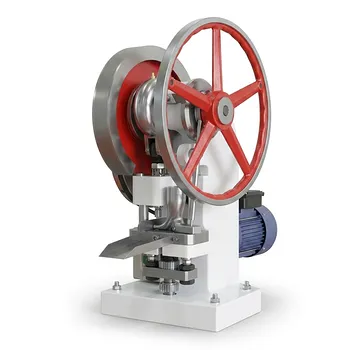
5 Ton Single Punch Tablet Press Laboratory Small Batch Production
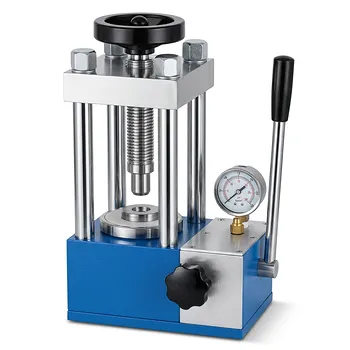
Manual Tablet Press with Dual Scale Pressure Gauge for Pharmaceutical Food Chemical Laboratory Sample Preparation
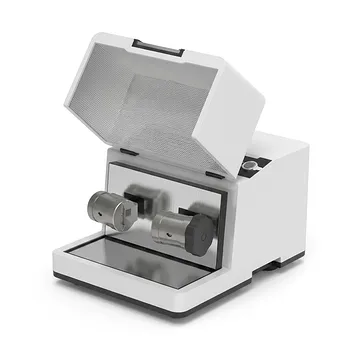
Heating Temperature Controlled High Energy Vibratory Ball Mill

Vertical Production Planetary Ball Mill for High Throughput Powder Processing
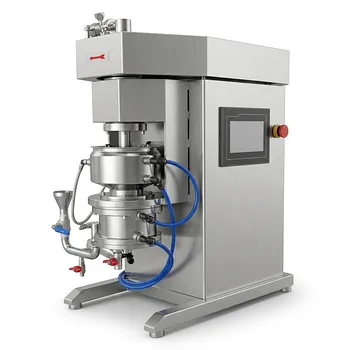
Small Ceramic Structure Laboratory Sand Mill Nanoscale Grinding Dispersion Equipment Seal-less Screen-less Design
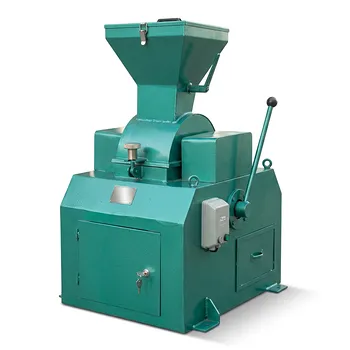
Laboratory Sealed Hammer Blade Crusher Divider for High Hardness Sample Preparation
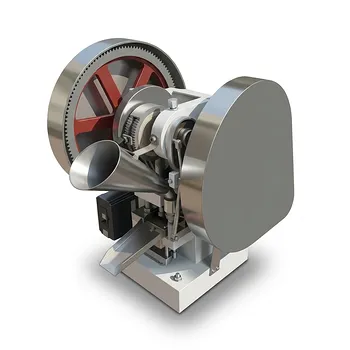
6 Ton Variable Frequency Single Punch Tablet Press
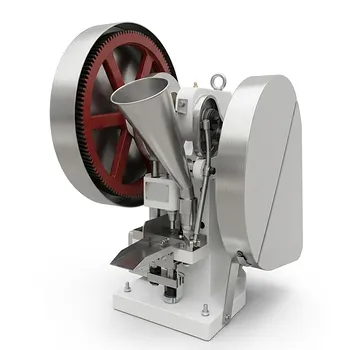
6-Ton Small Single-Punch Tablet Press — Laboratory Powder & Granule Tableting Equipment / Tablet Forming Machine
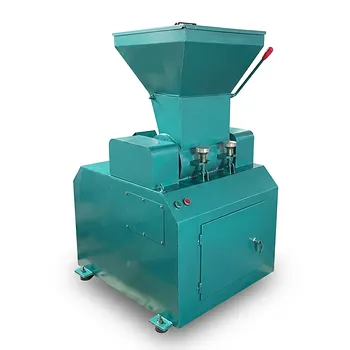
Sealed Hammer Crusher for Laboratory Coal Sample Preparation Adjustable Output Size
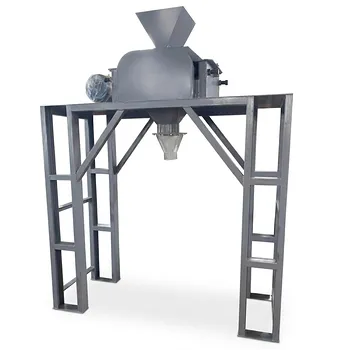
Heightened Customized Laboratory Double Roll Crusher for Coal Ore Rock Crushing
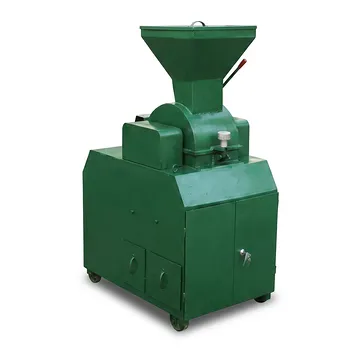
Industrial Sealed Hammer Knife Crusher for Mining Ore and Coal Sample Preparation
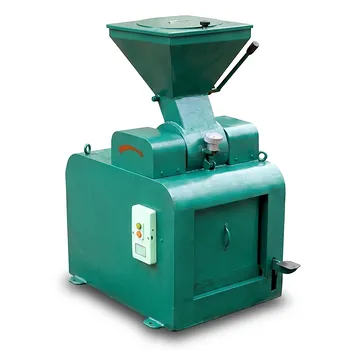
Laboratory Sealed Hammer Crushers for Coal Sample Preparation and Medium Strength Material Crushing
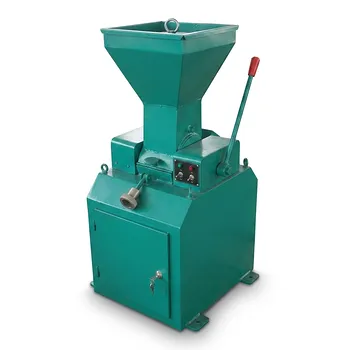
Laboratory Sealed Hammer Crusher for Coal and Mineral Sample Preparation
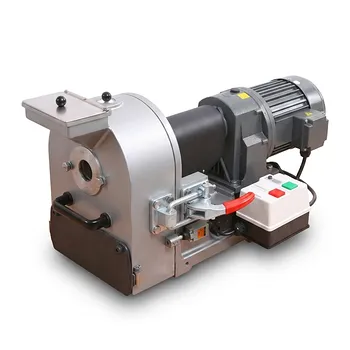
Laboratory Disc Mill for Fine Sample Preparation of Hard and Brittle Materials
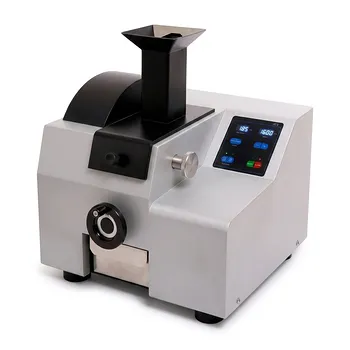
Laboratory Benchtop Jaw Crusher for Hard Brittle Materials Primary Size Reduction and Sample Preparation

Automatic Vibrating Powder Feeder for Laboratory Material Processing Precision Vibratory Hopper Feeder for Granular and Powder Material Handling Industrial Grade Vibrating Tray Feeder for Consistent Material Sample Preparation
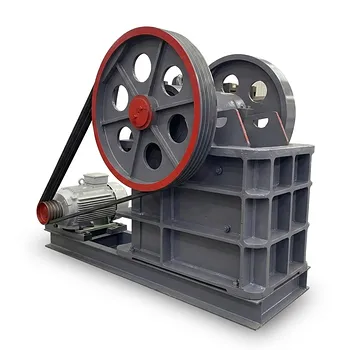
250x400mm Jaw Crusher Medium Crushing Equipment for Mining Mineral Sample Preparation
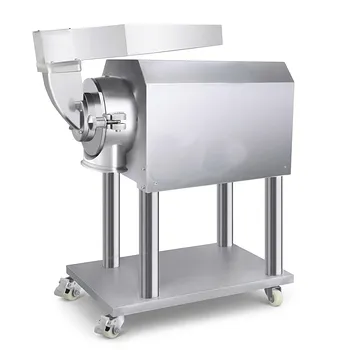
High Speed Small Laboratory Crusher for Dry Material Sample Preparation