How do precision stainless steel molds help form Strontium Titanate green bodies? Boost Density and Uniformity.
Updated 5 months ago
Precision stainless steel molds serve as the critical interface that translates hydraulic force into the specific geometric and structural requirements of a Strontium Titanate green body. By providing a high-hardness, low-friction environment, these molds ensure that powder particles rearrange efficiently under pressure to reach maximum packing density. This precision directly determines the green body’s ability to withstand high-temperature sintering without cracking or deforming.
The Central Takeaway: High-precision stainless steel molds are essential for creating a uniform geometric foundation and reducing internal friction, which allows for the production of high-density Strontium Titanate green bodies with minimal structural defects.
The Role of Precision Mold Geometry
Defining Shape and Sharp Edges
Industrial-grade stainless steel molds provide the exact geometric framework required for the final ceramic application. Their high tolerances ensure that the resulting green bodies have sharp edges and flat surfaces, which are vital for maintaining dimensional stability.
Minimizing Side-Wall Friction
The superior surface finish of precision molds is designed to reduce side-wall friction during the pressure transmission phase. By minimizing this resistance, the mold allows the hydraulic press to apply force more effectively throughout the entire powder volume, ensuring even compaction.
Creating a Foundation for Sintering
A precise mold provides an excellent geometric foundation that facilitates high-densification sintering. If the initial green body is shaped accurately, the final ceramic product is significantly less likely to suffer from non-uniform shrinkage or warping during the firing process.
Enhancing Densification and Particle Rearrangement
Eliminating Internal Porosity
The high-strength nature of these molds allows them to withstand the intense axial pressure—often reaching 392 MPa or higher—needed to force powder particles into a close-packed arrangement. This process expels trapped air and reduces initial porosity, which is critical for the mechanical strength of the finished titanate.
Ensuring Uniform Density Gradients
Precision molds help the hydraulic press maintain accurate pressure-holding, which is essential for eliminating density gradients within the green body. Uniform internal density prevents the formation of internal stresses that typically lead to cracking or structural failure during the cooling phase.
Increasing Particle Contact Area
By forcing particles into a tight, rearranged structure, the mold increases the contact points between Strontium Titanate grains. This increased contact area enhances mass transfer efficiency during subsequent high-temperature sintering, leading to a more homogenous microstructure.
Understanding the Trade-offs
Material Hardness vs. Tooling Wear
While high-hardness stainless steel is excellent for maintaining tolerances, it can be susceptible to brittle failure if subjected to pressures beyond its design limit. Users must balance the need for high compaction pressure with the mechanical fatigue limits of the mold material to avoid catastrophic tool failure.
Surface Finish vs. Ejection Force
A mirror-like surface finish reduces friction during pressing but can sometimes create a vacuum effect or high adhesion during sample ejection. Without proper lubrication or specialized ejection techniques, the very precision that creates a perfect shape can lead to delamination when removing the green body from the mold.
How to Apply This to Your Project
Making the Right Choice for Your Goal
- If your primary focus is maximizing final density: Utilize high-hardness molds capable of sustaining pressures near 400 MPa to ensure the tightest possible particle packing.
- If your primary focus is geometric precision: Prioritize molds with high-tolerance surface finishes to minimize side-wall friction and ensure perfectly flat specimen faces.
- If your primary focus is reducing sintering defects: Ensure the mold and press combination can maintain steady pressure to eliminate internal density gradients.
Investing in high-precision mold tooling is the most effective way to ensure that your Strontium Titanate green bodies possess the structural integrity required for successful high-temperature densification.
Summary Table:
| Key Feature | Benefit to Green Body | Impact on Final Ceramic |
|---|---|---|
| Precision Geometry | Sharp edges and flat surfaces | Dimensional stability & reduced warping |
| Low-Friction Finish | Uniform pressure transmission | Reduced internal stresses & cracking |
| High Material Strength | High-pressure compaction (392+ MPa) | Enhanced densification & mass transfer |
| Tight Tolerances | Minimal density gradients | Homogeneous microstructure after firing |
Elevate Your Material Research with Precision Compaction
Achieve flawless structural integrity in your Strontium Titanate samples with our professional-grade laboratory solutions. We provide complete laboratory sample preparation solutions for material science, specializing in high-performance powder processing and compaction equipment.
Our extensive product lines are designed to meet the most rigorous research standards, including:
- Powder Processing: Jaw/roll crushers, liquid nitrogen cryogenic grinders, and various mills (planetary ball, jet, sand, disc, rotor).
- Sieving & Mixing: Vibratory/air-jet sieve shakers, powder mixers, and defoaming mixers.
- Advanced Compaction: A full spectrum of hydraulic presses, including Cold/Warm Isostatic Presses (CIP/WIP), standard lab presses, XRF pellet presses, and vacuum hot presses.
Whether you need to eliminate internal porosity or ensure perfect geometric precision, our team is ready to support your project with reliable equipment and expert advice.
Contact us today to find the perfect solution for your lab!
References
- Jan‐Helmut Preusker, Wolfgang Rheinheimer. Impact of AC and DC Electric Fields on the Microstructure Evolution in Strontium Titanate. DOI: 10.1002/adem.202201848
Mentioned Products
- Heating Temperature Controlled High Energy Vibratory Ball Mill
- Vertical Production Planetary Ball Mill for High Throughput Powder Processing
- Small Ceramic Structure Laboratory Sand Mill Nanoscale Grinding Dispersion Equipment Seal-less Screen-less Design
- Laboratory Small Horizontal Sand Mill for Nano Materials Wet Grinding
- Laboratory Horizontal Pin Nano Sand Mill
People Also Ask
- How does a high-energy vibratory ball mill improve the performance of MgH2? Optimize Hydrogen Storage Kinetics
- What is the primary purpose of using a vibratory ball mill in the preparation of respirable carbon fiber fragments?
- What is the purpose of using a vibratory ball mill for Al-Ni-Fe alloy ribbons? Achieve High Catalytic Activity
- Why is a vibratory ball mill preferred over a planetary ball mill for rapid powder particle refinement? High-Speed Impact
- What is the purpose of adding alcohol as a PCA during titanium ball milling? Prevent Cold Welding & Enhance Refinement

Tech Team · PowderPreparation
Last updated on May 14, 2026
Related Products
Heating Temperature Controlled High Energy Vibratory Ball Mill
Vertical Production Planetary Ball Mill for High Throughput Powder Processing
Small Ceramic Structure Laboratory Sand Mill Nanoscale Grinding Dispersion Equipment Seal-less Screen-less Design
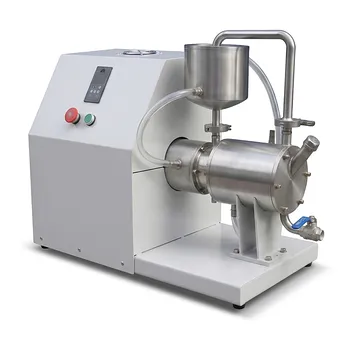
Laboratory Small Horizontal Sand Mill for Nano Materials Wet Grinding
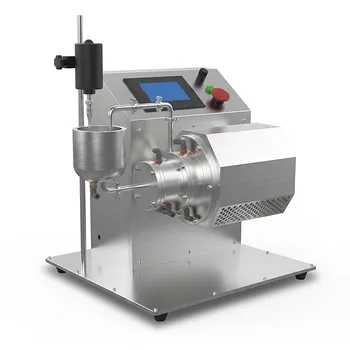
Laboratory Horizontal Pin Nano Sand Mill
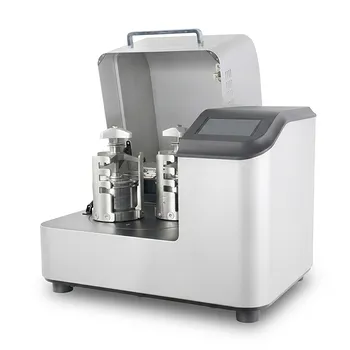
High Energy Planetary Ball Mill for Nano Scale Grinding and Mechanical Alloying
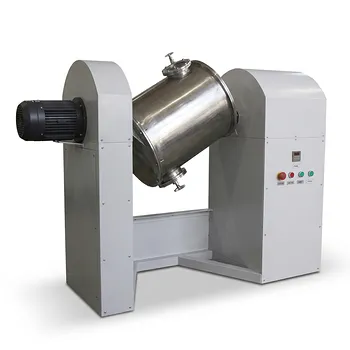
Inclined Mixer for Homogeneous Powder Blending and Grinding
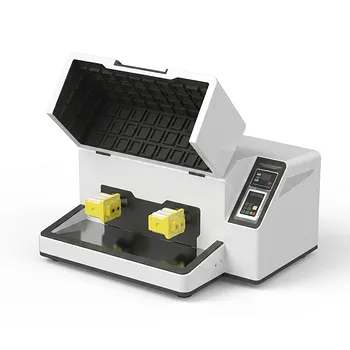
Multi-Platform Nanoscale High-Energy Vibratory Ball Mill
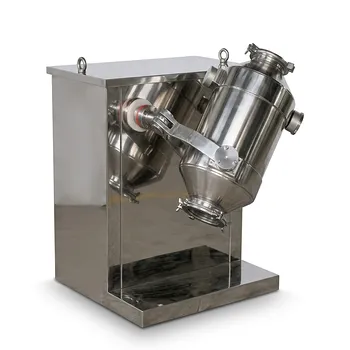
Three-Dimensional Motion Mixer for Laboratory Powder and Granule Blending
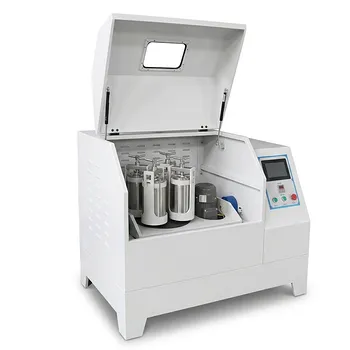
360° Rotating Omnidirectional Laboratory Planetary Ball Mill for Homogeneous Ultra-Fine Grinding and Mixing
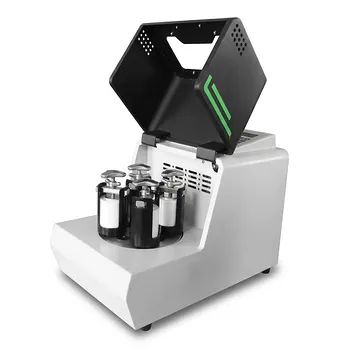
Miniature Planetary Ball Mill with Vacuum Grinding and High Efficiency for Laboratory Sample Preparation
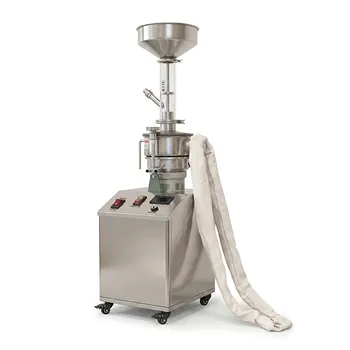
Small Liquid Nitrogen Cryogenic Grinder for Plastic and Heat-Sensitive Material Sample Preparation
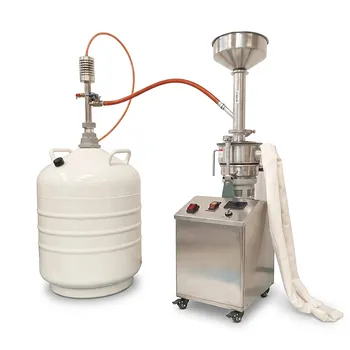
Laboratory Liquid Nitrogen Cryogenic Grinder for Polymer and Elastomer Materials
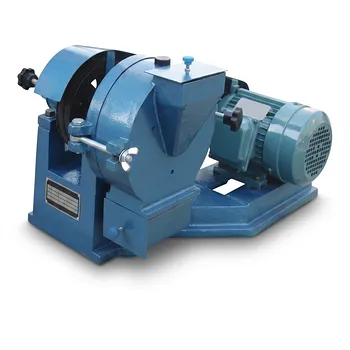
Laboratory Disc Mill for Ore and Mineral Sample Preparation
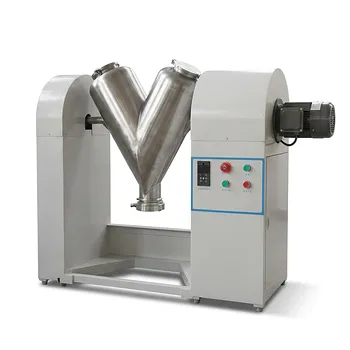
V-Type Powder Mixer for Uniform Blending of Dry Powders and Granules
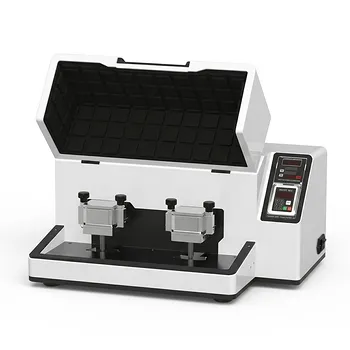
Nanoscale High Energy Vibratory Ball Mill Low Temperature
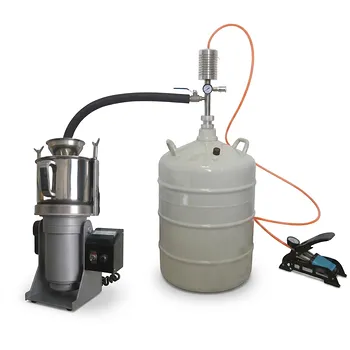
Liquid Nitrogen Cryogenic Grinder for Plastic and Heat-Sensitive Materials
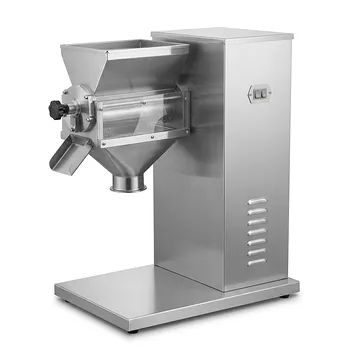
Small Swing Granulator Efficient Powder Granulation for Pharmaceutical Chemical Food Industries
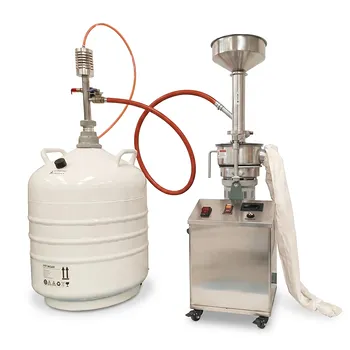
Laboratory Liquid Nitrogen Cryogenic Grinder Polymer Sample Preparation Pulverizer