Why is the wet sieving method preferred over dry sieving for analyzing the product size of ground magnetite? Key Insights
Updated 4 months ago
The wet sieving method is superior for ground magnetite analysis because it uses a liquid medium to neutralize electrostatic forces and physically disperse fine particles that naturally clump together. By using a circulating water flow, this method ensures that micron-level fines adhering to larger grains are thoroughly separated and correctly categorized, providing a true representation of the particle size distribution (PSD).
Core Takeaway: Wet sieving is essential for magnetite because it overcomes the physical and electrostatic "clumping" that causes dry sieving to produce inaccurate, skewed data. It is the only reliable way to ensure fine particles are not misclassified as coarse material.
Overcoming the Physical Limitations of Dry Sieving
Eliminating Electrostatic Adsorption
Ground magnetite often consists of micron-level fine powders that are highly susceptible to static electricity. In a dry environment, these electrostatic forces cause fine particles to adhere stubbornly to the surfaces of larger coarse particles.
Breaking Up Physical Agglomerates
Fine particles frequently form "pseudo-particles" or clusters that a dry sieve cannot break apart. The fluidity and flushing action of a liquid medium effectively disperse these clusters, allowing individual particles to pass through the mesh as intended.
Preventing Sieve Blinding
Dry sieving fine material often leads to "blinding," where cohesive fines plug the openings of the sieve mesh. Wet sieving uses continuous fluid flow to keep the mesh clear, ensuring that the undersize product can pass through the sieve without obstruction.
Achieving Technical Accuracy in Measurement
Obtaining True Particle Size Distribution (PSD)
Because wet sieving removes fine dust from the surface of larger aggregates, it prevents the underestimation of fine powder content. This accuracy is critical for calculating specific surface area and understanding the true physical characteristics of the magnetite.
Calculating Production Characteristics
Accurate data from wet sieving is essential for determining zero-order production characteristics. It allows engineers to measure the precise mass of new undersize product produced at each grinding stage (the G value), which is vital for process optimization.
Improving Downstream Process Reliability
In laboratory settings, wet sieving acts as a pre-treatment for magnetic separation. By ensuring particle surfaces are clean and free of adhering fines, it prevents valuable components from being misdirected into the wrong product stream, thereby improving recovery rates and concentrate purity.
Understanding the Trade-offs
Increased Processing Time and Complexity
Unlike dry sieving, which is a relatively quick "shake and weigh" process, wet sieving requires more equipment and additional steps. The sample must be introduced into a liquid, processed, and the resulting fractions must then be dried before final weighing.
Potential for Material Loss or Alteration
While magnetite is generally stable, wet sieving requires that the material be completely insoluble in the liquid used. There is also a higher risk of losing ultra-fine material if the liquid handling system is not perfectly contained or if the drying process is not carefully managed.
Equipment and Resource Requirements
Wet sieving requires a consistent water supply or a circulating pump system, which may not be available in all field environments. Additionally, the need for precision test sieves and specialized drying ovens increases the overall cost of the analysis.
How to Apply This to Your Project
When deciding on an analysis method for ground magnetite or similar fine-grained materials, consider your primary objective and the nature of your sample.
- If your primary focus is maximum analytical accuracy: You must use the wet sieving method to ensure that agglomerates are broken and electrostatic bonds are neutralized for a true PSD.
- If your primary focus is rapid, routine process control for coarse material: Dry sieving may be sufficient if the material is free-flowing and does not contain a significant volume of sub-45 µm fines.
- If your primary focus is optimizing magnetic separation recovery: Utilize wet sieving as a pre-treatment to ensure clean particle surfaces and prevent the misdirection of fine particles into the concentrate.
For ground magnetite, the precision of wet sieving is the only way to transform raw data into a reliable foundation for industrial decision-making.
Summary Table:
| Feature | Dry Sieving | Wet Sieving |
|---|---|---|
| Agglomeration | Fine particles clump together | Liquid medium disperses clusters |
| Electrostatic Forces | Causes fines to stick to coarse grains | Neutralized by liquid medium |
| Sieve Blinding | High risk of mesh plugging | Low; fluid flow keeps mesh clear |
| Data Accuracy | Likely to underestimate fine content | Provides true Particle Size Distribution |
| Process Speed | Fast (shake and weigh) | Slower (requires drying steps) |
| Best Use Case | Coarse, free-flowing materials | Fine powders (<45 µm) and minerals |
Optimize Your Material Analysis with Precision Equipment
Achieving accurate particle size distribution is critical for your mineral processing success. We provide complete laboratory sample preparation solutions tailored for material science and mining applications.
Whether you are analyzing ground magnetite or preparing advanced ceramics, our specialized equipment ensures reliable and repeatable results:
- Sieving & Grinding: High-precision vibratory/air-jet sieve shakers, planetary ball mills, and jaw/roll crushers.
- Powder Processing: Advanced powder mixers and defoaming mixers for perfect dispersion.
- Compaction Solutions: A full spectrum of hydraulic presses, including Cold/Warm Isostatic Presses (CIP/WIP), vacuum hot presses, and XRF pellet presses.
Don't let inaccurate data skew your production decisions. Contact our experts today to discuss your specific magnetite processing needs and discover how our solutions can enhance your laboratory's efficiency and accuracy!
References
- Chengfang Yuan, Jingkun Tian. Ceramic Grinding Kinetics of Fine Magnetite Ores in the Batch Ball Mill. DOI: 10.3390/min13091188
Mentioned Products
- High Frequency Wet Three-Dimensional Vibrating Sieve Shaker for Dry and Wet Particle Size Analysis
- Vibratory Sieve Shaker Electromagnetic 3D Motion Powder Particle Size Analyzer for Dry and Wet Sieving
- Laboratory Dry and Wet Three Dimensional Vibratory Sieve Shaker for Particle Analysis
- Tapping Oscillating Sieve Shaker for Dry and Wet Particle Size Analysis
- Small Laboratory Colloid Mill for Ultra-Fine Wet Grinding and Emulsification
People Also Ask
- Why are vibrating sieve shakers used with standard test sieves? Ensure Precise Grading for Recycled Aggregates
- What is the function of high-frequency vibratory sieve shakers in AMC powders? Master Particle Grading & PSD Control
- How does a vibratory sieve shaker contribute to optimizing the performance of activated carbon? Enhance Adsorption Precision
- Why is it essential to use a vibrating sieve shaker for the final grading of dietary fiber products? Master Quality.
- What is the role of a high-frequency vibratory sieve shaker in Cold Mix asphalt design? Optimize RAP Gradation Accuracy

Tech Team · PowderPreparation
Last updated on Jun 03, 2026
Related Products
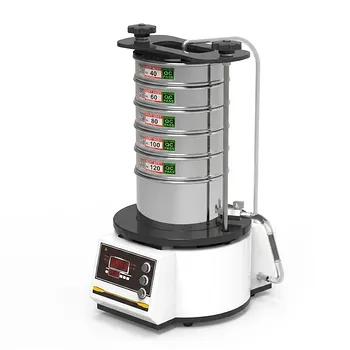
High Frequency Wet Three-Dimensional Vibrating Sieve Shaker for Dry and Wet Particle Size Analysis
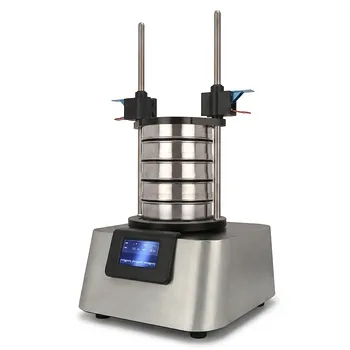
Vibratory Sieve Shaker Electromagnetic 3D Motion Powder Particle Size Analyzer for Dry and Wet Sieving
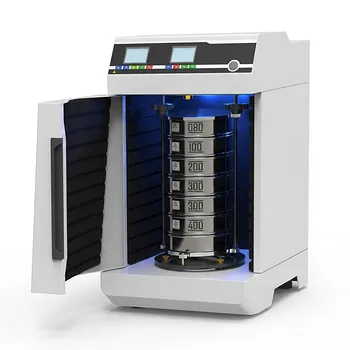
Laboratory Dry and Wet Three Dimensional Vibratory Sieve Shaker for Particle Analysis
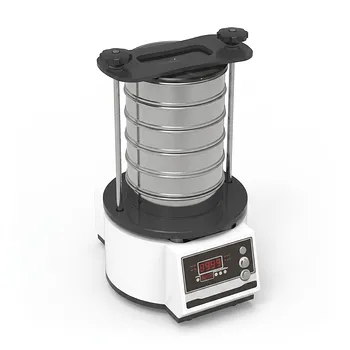
Tapping Oscillating Sieve Shaker for Dry and Wet Particle Size Analysis
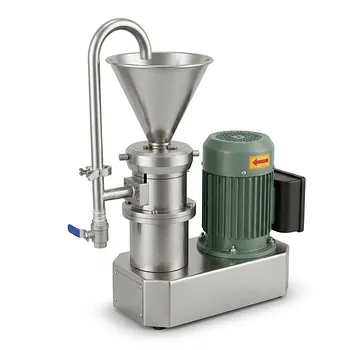
Small Laboratory Colloid Mill for Ultra-Fine Wet Grinding and Emulsification
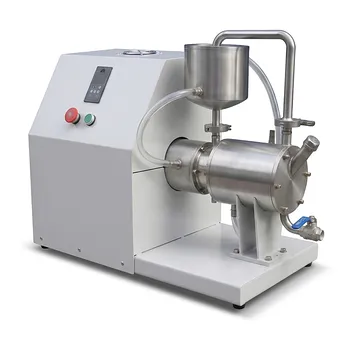
Laboratory Small Horizontal Sand Mill for Nano Materials Wet Grinding
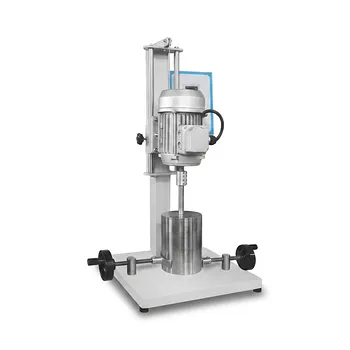
Laboratory Basket Sand Mill for Wet Grinding and Dispersion of Viscous Slurries
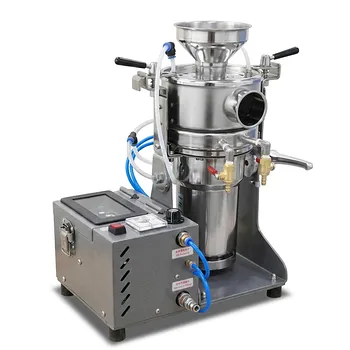
Water Cooled Pulse Jet Ultrafine Grinder
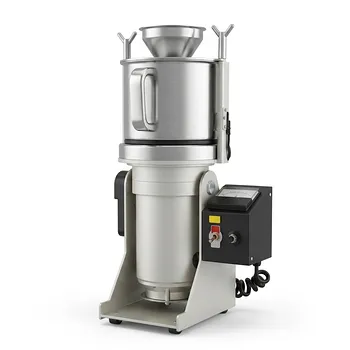
Water Cooled Pulse Jet Ultra Fine Pulverizer for Continuous Grinding
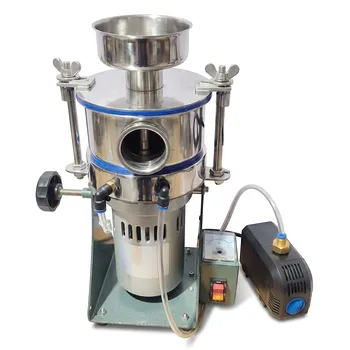
Water Cooled Airflow Ultra Fine Grinder for Low Temperature Material Processing
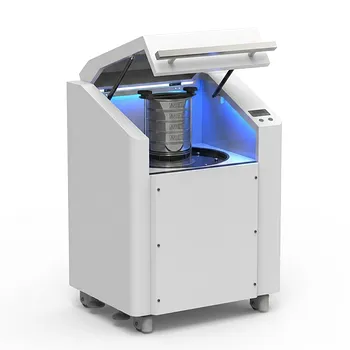
High Frequency Cabinet Type Three-Dimensional Rotary Vibrating Sieve Shaker for Dry Sieving and Particle Classification
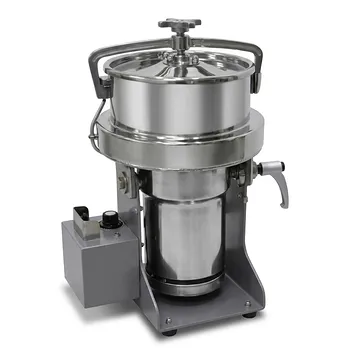
500g Capacity Water Cooled Low Temperature Grinder with Variable Speed and Safety Cover
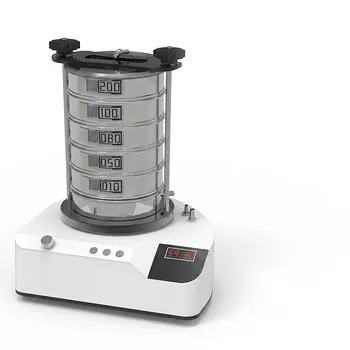
Heavy Duty Dry Three Dimensional Vibratory Sieve Shaker for Particle Separation
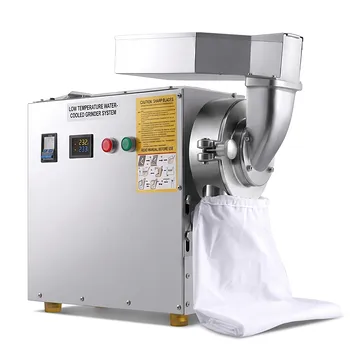
Low Temperature Water Cooled Continuous Feed Grinder Two Stage Coarse and Fine Grinding System

Dry Three Dimensional Vibratory Sieve Shaker
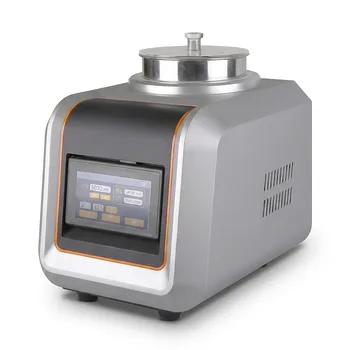
Laboratory Air Jet Sieving Machine for Fine Powder Particle Size Analysis and Deagglomeration
Small Laboratory Oscillating Granulator for Wet and Dry Granulation Processing
Three Dimensional Rotary Vibrating Sieve