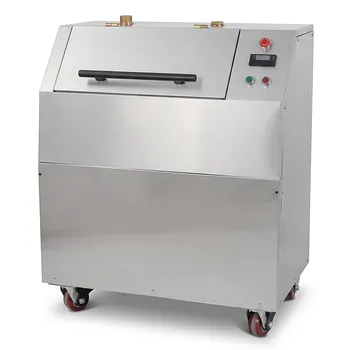
Why are vibrating sieve shakers used with standard test sieves? Ensure Precise Grading for Recycled Aggregates
Updated 5 months ago
Mechanized vibration is essential for recycled aggregates because it provides the constant, cyclic energy required for particles to bounce and penetrate sieve apertures ranging from 80mm down to 0.075mm. This automated process ensures a precise determination of grading and fineness modulus, eliminating the inconsistencies and physical limitations of manual sieving to provide a scientifically accurate particle size distribution.
Vibrating sieve shakers standardize the screening process by providing uniform mechanical energy that ensures complete particle stratification. This precision is critical for meeting strict engineering specifications and optimizing the structural integrity of recycled materials in construction.
Maximizing Separation Efficiency and Accuracy
Overcoming Particle Interlocking
Recycled aggregates often feature irregular shapes and rough surface textures that lead to particle interlocking. Mechanized cyclic vibration provides the necessary kinetic energy to keep particles in motion, allowing them to reorient themselves until they either pass through the mesh or are retained.
Ensuring Rapid Stratification
High-frequency vibration promotes rapid stratification, where particles are quickly sorted by size across multiple sieve layers. This efficiency is vital for high-volume applications, such as Reclaimed Asphalt Concrete (RAP), where precise gradation data determines the volume of new binders and aggregates required.
Eliminating Human Interference
Manual sieving is inherently subjective and varies significantly between operators. By using a vibratory sieve shaker, laboratories ensure that the energy applied is constant and repeatable, which is the foundation of reliable quality control and comparative research.
Impact on Material Performance and Quality Control
Optimizing Packing Density
Accurate sieving allows engineers to determine the ideal particle size distribution to minimize the void ratio within a concrete matrix. When smaller particles effectively fill the gaps between larger ones, the resulting mixture requires less cement paste and exhibits higher compressive strength and durability.
Meeting Pavement and Sub-base Specifications
For recycled materials intended for pavement bases or sub-bases, meeting specific gradation curves is a regulatory requirement. Vibratory shakers provide the precise data needed to verify that the recycled aggregate meets the continuous classification required for load-bearing stability.
Enhancing Research Validity
In comparative studies between Recycled Coarse Aggregate (RCA) and Natural Coarse Aggregate (NCA), mechanized sieving ensures both materials share an identical gradation curve. This isolates aggregate quality as the single variable, preventing size distribution differences from skewing data on workability or mechanical properties.
Understanding the Trade-offs and Limitations
Risk of Material Degradation
Prolonged exposure to high-intensity vibration can cause attrition, where softer recycled materials (such as crushed brick or low-strength concrete) break down into smaller fragments during the test. This can result in an inaccurate "fine-heavy" grading report that does not reflect the material's actual state before testing.
Equipment Calibration and Maintenance
The accuracy of a vibratory shaker depends on constant and uniform energy delivery. If the mechanical components wear down or the mounting becomes unstable, the vibration pattern may become erratic, leading to inconsistent penetration and unreliable grading results.
Sieve Overloading Pitfalls
Adding too much material to a single sieve can impede the stratification process, regardless of the vibration intensity. When the mesh is blinded by an excess of particles, smaller grains are "trapped" on top, leading to an overestimation of the material's coarseness.
How to Apply This to Your Project
Recommendations Based on Your Goal
- If your primary focus is Structural Concrete Production: Use vibratory shakers to achieve an optimal grading curve that minimizes voids, thereby maximizing compressive strength while reducing cement costs.
- If your primary focus is Pavement Base or Roadwork: Prioritize mechanized sieving to ensure the recycled aggregate strictly adheres to the mass percentage passing requirements for legal and structural compliance.
- If your primary focus is Laboratory Research and Development: Utilize high-precision vibratory equipment to eliminate human error and ensure that particle size distribution is a controlled constant across all test samples.
- If your primary focus is Asphalt Recycling (RAP): Leverage rapid mechanical stratification to determine the exact gradation needed to balance the ratio of reclaimed material to new aggregate and binder.
By integrating vibrating sieve shakers into your workflow, you transition from subjective estimation to a standardized, data-driven approach that ensures the technical viability of recycled aggregates.
Summary Table:
| Feature | Advantage for Recycled Aggregates | Benefit to Quality Control |
|---|---|---|
| Mechanized Vibration | Overcomes particle interlocking and rough textures | Ensures scientific particle distribution |
| Rapid Stratification | Quickly sorts particles across multiple sieve layers | Increases efficiency for high-volume RAP |
| Standardized Energy | Eliminates human error and operator subjectivity | Provides repeatable and reliable research data |
| Gradation Precision | Minimizes void ratios in concrete matrices | Maximizes compressive strength and durability |
Optimize Your Material Analysis with Professional Sample Prep Solutions
Precision in particle size distribution is critical for the structural integrity of recycled materials. [Your Brand Name] specializes in providing complete laboratory sample preparation solutions for material science, focusing on high-performance powder processing and compaction equipment.
Our extensive product lines are designed to meet the rigorous demands of modern laboratories:
- Size Reduction: Industrial-grade jaw/roll crushers, liquid nitrogen cryogenic grinders, and versatile mills (planetary ball, jet, sand/bead, disc, rotor).
- Sieving & Mixing: High-precision vibratory and air-jet sieve shakers, standard test sieves, and advanced powder/defoaming mixers.
- Compaction Solutions: A full spectrum of hydraulic presses, including Cold/Warm Isostatic Presses (CIP/WIP), XRF pellet presses, and vacuum hot presses.
Whether you are a researcher or a high-volume producer, we offer the tools to ensure your materials meet every engineering specification. Contact our technical team today to discuss how our solutions can enhance your lab's efficiency and accuracy.
References
- NAVEEN KUMAR NADIGATLA. EXPERIMENTAL INVESTIGATION AND COMPARISON BETWEEN DEMOLISHED AGGREGATES AND ORIGINAL AGGREGATES. DOI: 10.55041/ijsrem25950
Mentioned Products
- Vibratory Sieve Shaker Electromagnetic 3D Motion Powder Particle Size Analyzer for Dry and Wet Sieving
- High Frequency Wet Three-Dimensional Vibrating Sieve Shaker for Dry and Wet Particle Size Analysis
- Small Laboratory Vibrating Sieve Shaker for Precise Particle Size Analysis
- Laboratory Dry and Wet Three Dimensional Vibratory Sieve Shaker for Particle Analysis
- Dry Three Dimensional Vibratory Sieve Shaker
People Also Ask
- How does a vibratory sieve shaker contribute to optimizing the performance of activated carbon? Enhance Adsorption Precision
- Why is a laboratory vibratory sieve shaker necessary for processing magnesium-based borate precursor powders? Boost Activity
- Why use a vibratory sieve shaker to verify coarse aggregate grading in rubberized concrete? Ensure Structural Integrity
- What function do vibratory sieve shakers and standard test sieves serve in the preparation of adsorbents? Key Guide
- What role does a vibratory sieve shaker play in the particle size analysis of ground corn products? Enhance QC Precision

Tech Team · PowderPreparation
Last updated on May 14, 2026
Related Products
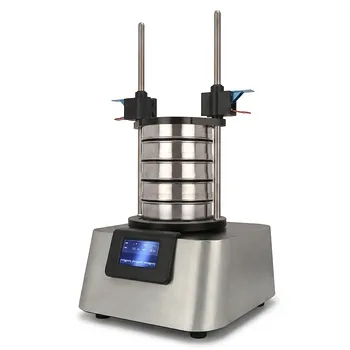
Vibratory Sieve Shaker Electromagnetic 3D Motion Powder Particle Size Analyzer for Dry and Wet Sieving
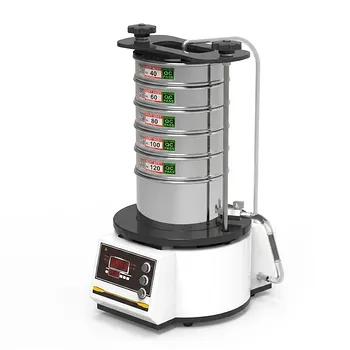
High Frequency Wet Three-Dimensional Vibrating Sieve Shaker for Dry and Wet Particle Size Analysis
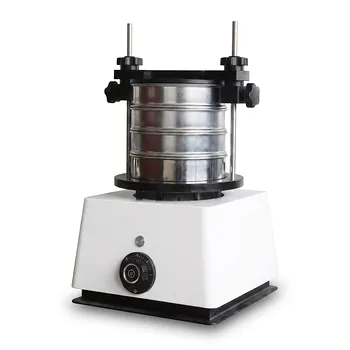
Small Laboratory Vibrating Sieve Shaker for Precise Particle Size Analysis
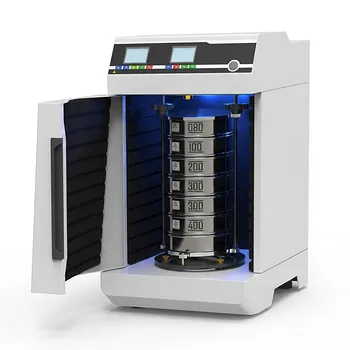
Laboratory Dry and Wet Three Dimensional Vibratory Sieve Shaker for Particle Analysis
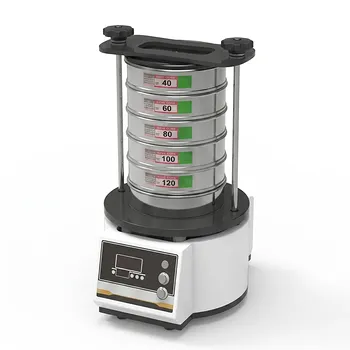
Dry Three Dimensional Vibratory Sieve Shaker
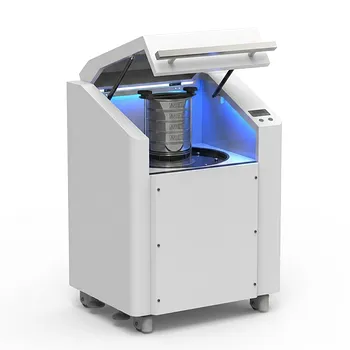
High Frequency Cabinet Type Three-Dimensional Rotary Vibrating Sieve Shaker for Dry Sieving and Particle Classification
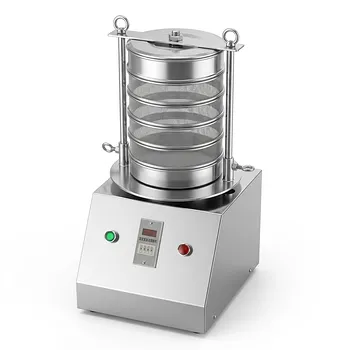
Stainless Steel Laboratory Vibratory Test Sieve Shaker
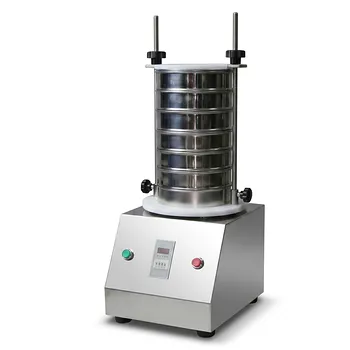
Small Laboratory Vibratory Sieve Shaker for Powder Gradation and Particle Size Analysis
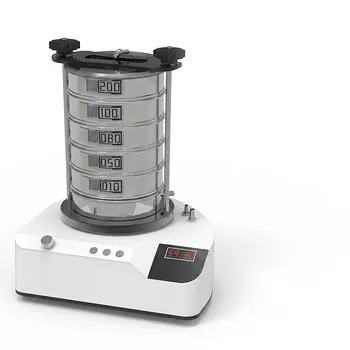
Heavy Duty Dry Three Dimensional Vibratory Sieve Shaker for Particle Separation
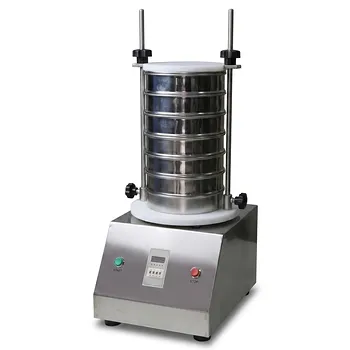
Laboratory Vibratory Test Sieve Shaker for Precision Particle Size Analysis and Powder Grading
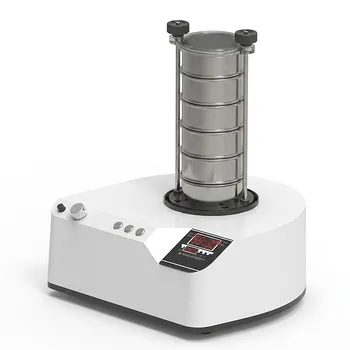
三维电磁微量振动筛分仪
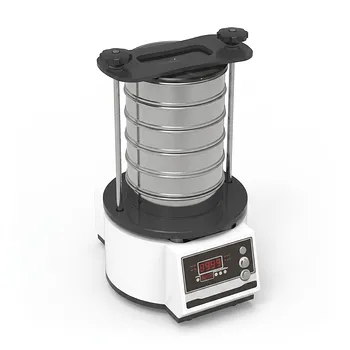
Tapping Oscillating Sieve Shaker for Dry and Wet Particle Size Analysis

Stainless Steel Rotary Vibrating Sieve High Precision Circular Vibratory Separator Industrial Powder Grading Machine Multi Layer Sifting Equipment
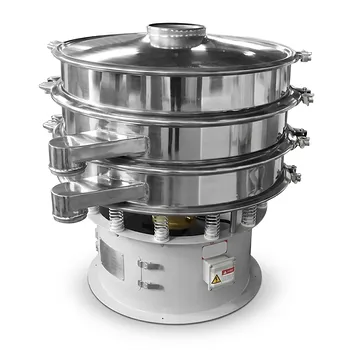
Three Dimensional Rotary Vibrating Sieve
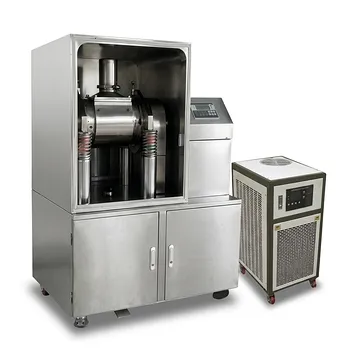
Small Vibrating Ultrafine Grinder for Traditional Chinese Medicine
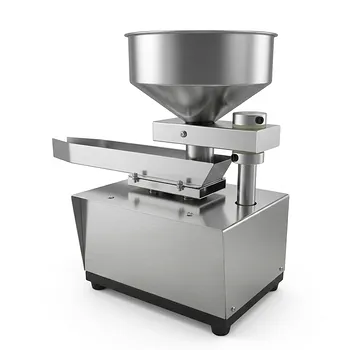
Automatic Vibrating Powder Feeder for Laboratory Material Processing Precision Vibratory Hopper Feeder for Granular and Powder Material Handling Industrial Grade Vibrating Tray Feeder for Consistent Material Sample Preparation
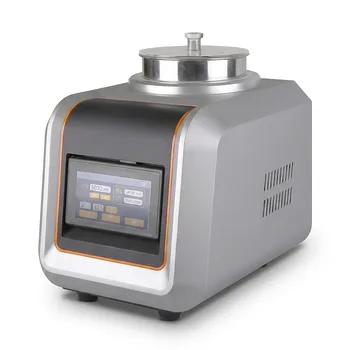
Laboratory Air Jet Sieving Machine for Fine Powder Particle Size Analysis and Deagglomeration