What is the role of a high-frequency vibratory sieve shaker in Cold Mix asphalt design? Optimize RAP Gradation Accuracy
Updated 4 months ago
The high-frequency vibratory sieve shaker is the primary tool for ensuring the structural integrity of Cold Mix recycled asphalt by precisely classifying aggregates and reclaimed materials. This equipment uses standardized mechanical vibration to separate Reclaimed Asphalt Pavement (RAP/Ex-Scrap) and new aggregates into specific particle size fractions. By achieving an exact distribution of these materials, engineers can create a gradation curve that meets technical standards—such as the AC-WC specification—which is critical for the mixture’s final density and skeletal support capacity.
The core role of the vibratory sieve shaker is to provide the high-precision data necessary to engineer a densely interlocked aggregate skeleton. By eliminating the inconsistencies of manual sieving, it ensures the recycled mixture achieves the specific porosity and load-bearing strength required for durable pavement.
Ensuring Precise Gradation and Skeletal Support
Accurate Separation of RAP and Raw Aggregates
The shaker utilizes multi-layered standard test sieves to isolate coarse aggregates, fine aggregates, and fillers from crushed recycled concrete and asphalt. This separation is vital in Cold Mix designs where the balance between Ex-Scrap and virgin materials must be strictly controlled to ensure the mixture behaves predictably under stress.
Meeting the AC-WC Specification
For Asphalt Concrete-Wearing Course (AC-WC) mixtures, the equipment ensures the aggregate grading complies with rigorous technical specifications. This precision directly determines the interlocking structure of the pavement, which is the foundation of the material's resistance to deformation and wear.
Optimization of Density and Porosity
By controlling the mass ratio of different particle sizes (typically ranging from 19.5mm down to 0.075mm), the shaker allows for the design of both dense and open-graded structures. This level of control is essential for ensuring the final pavement layer has the correct pore structure and skeletal support capacity for its intended application.
Enhancing Design Accuracy through Standardized Data
Eliminating Human Error in the Laboratory
Standardized mechanical vibration ensures that aggregate particles are thoroughly separated across every sieve layer, a result nearly impossible to achieve through manual sieving. This process eliminates random errors, providing a reliable baseline for all subsequent volumetric and structural calculations.
Calculating Core Design Parameters
The reliable data produced by a high-frequency shaker is necessary for calculating critical metrics like the Coarse Aggregate (CA) ratio and the Fine Aggregate Coarse Fraction (FAc). These parameters are the "mathematical DNA" of the asphalt mix, dictating how the particles will pack together and interact with the bituminous emulsion.
Compliance with International Standards
Using a vibratory shaker ensures that the mineral aggregate grading adheres to global quality benchmarks, such as ASTM E11. This adherence is crucial for project certification and ensuring that recycled materials meet the same performance criteria as 100% virgin mixtures.
Understanding the Trade-offs and Limitations
The Risk of Particle Degradation
Prolonged or excessively violent vibration can cause aggregate attrition, where softer recycled materials break down into smaller particles during the test itself. This can lead to "false fines" in the data, resulting in a design that may lack sufficient coarse skeletal support in the field.
Sieve Blinding and Maintenance
Fine particles or residual bitumen on RAP can "blind" or clog the fine mesh sieves (especially near the 0.075mm range), leading to incomplete separation. Constant monitoring and specialized cleaning of the mesh are required to maintain the high-frequency shaker’s accuracy over time.
How to Apply This to Your Project
Making the Right Choice for Your Goal
To maximize the effectiveness of your gradation design, choose your sieving strategy based on your specific engineering requirements:
- If your primary focus is structural load-bearing: Prioritize the use of the shaker to strictly monitor the CA ratio, ensuring a robust interlocking skeleton between coarse recycled fragments.
- If your primary focus is drainage and permeability: Use the shaker to precisely control the removal of fines, ensuring the open-graded pore structure meets the target void ratio for the road base.
- If your primary focus is quality control and compliance: Rely on the shaker's standardized vibration to eliminate manual variability and ensure all data aligns with ASTM E11 or local road authority specifications.
The high-frequency vibratory sieve shaker is not merely a separator, but the definitive instrument for transforming recycled waste into a high-performance, engineered pavement material.
Summary Table:
| Key Role | Impact on Gradation Design | Critical Technical Metric |
|---|---|---|
| Material Separation | Accurately isolates RAP (Ex-Scrap) from virgin aggregates | Particle size (19.5mm to 0.075mm) |
| Skeleton Engineering | Ensures dense interlocking for load-bearing capacity | Coarse Aggregate (CA) Ratio |
| Error Elimination | Removes manual variability for standardized, repeatable data | ASTM E11 Compliance |
| Porosity Control | Optimizes void ratios for drainage or dense-graded structures | Fine Aggregate Coarse Fraction (FAc) |
Elevate Your Asphalt Research with Precision Sample Preparation
Achieve superior pavement performance and guaranteed compliance with our complete laboratory material science solutions. We specialize in high-performance equipment tailored for the most demanding gradation and compaction requirements. Our extensive product line includes:
- Grading & Separation: High-frequency vibratory and air-jet sieve shakers with a full range of ASTM-compliant test sieves and meshes.
- Material Processing: Robust jaw/roll crushers and high-efficiency mills (planetary ball, jet, and rotor mills) for consistent sample reduction.
- Compaction Excellence: A full spectrum of hydraulic presses, including Cold/Warm Isostatic Presses (CIP/WIP), vacuum hot presses, and XRF pellet presses for reliable sample formation.
- Mixing Solutions: Specialized powder and defoaming mixers to ensure uniform bituminous emulsion distribution.
Whether you are optimizing RAP ratios for structural integrity or ensuring strict adherence to international standards, our technical experts are here to help. Contact us today to find the perfect solution for your lab!
References
- Andry Wisnu Prabowo, Fadhil Muammar Azra. INOVASI PENGEMBANGAN MATERIAL COLDMIX BERBASIS DAUR ULANG EX-SCRAP DAN EMULSI SEBAGAI ALTERNATIF PERBAIKAN KERUSAKAN PADA RUAS JALAN TOL CIKOPO-PALIMANAN. DOI: 10.52453/technologic.v16i2.501
Mentioned Products
- High Frequency Wet Three-Dimensional Vibrating Sieve Shaker for Dry and Wet Particle Size Analysis
- High Frequency Cabinet Type Three-Dimensional Rotary Vibrating Sieve Shaker for Dry Sieving and Particle Classification
- 三维电磁微量振动筛分仪
- Vibratory Sieve Shaker Electromagnetic 3D Motion Powder Particle Size Analyzer for Dry and Wet Sieving
- Heavy Duty Dry Three Dimensional Vibratory Sieve Shaker for Particle Separation
People Also Ask
- Why are vibrating sieve shakers used with standard test sieves? Ensure Precise Grading for Recycled Aggregates
- What is the function of high-frequency vibratory sieve shakers in AMC powders? Master Particle Grading & PSD Control
- How does a vibratory sieve shaker contribute to optimizing the performance of activated carbon? Enhance Adsorption Precision
- Why is it essential to use a vibrating sieve shaker for the final grading of dietary fiber products? Master Quality.
- Why use high-frequency vibratory sieve shakers for graphite nucleation research? Ensure Particle Size & Data Precision

Tech Team · PowderPreparation
Last updated on Jun 03, 2026
Related Products
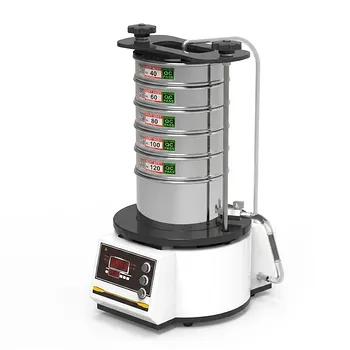
High Frequency Wet Three-Dimensional Vibrating Sieve Shaker for Dry and Wet Particle Size Analysis
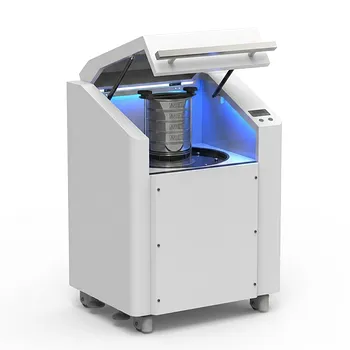
High Frequency Cabinet Type Three-Dimensional Rotary Vibrating Sieve Shaker for Dry Sieving and Particle Classification
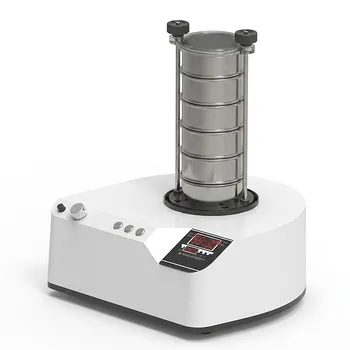
三维电磁微量振动筛分仪
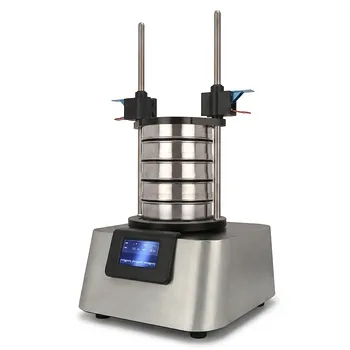
Vibratory Sieve Shaker Electromagnetic 3D Motion Powder Particle Size Analyzer for Dry and Wet Sieving
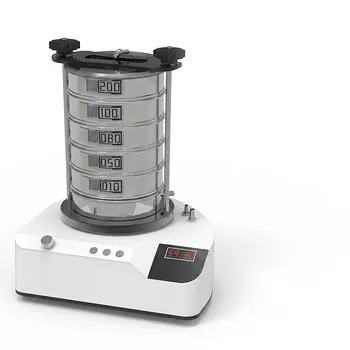
Heavy Duty Dry Three Dimensional Vibratory Sieve Shaker for Particle Separation
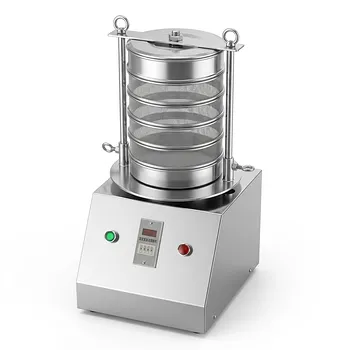
Stainless Steel Laboratory Vibratory Test Sieve Shaker
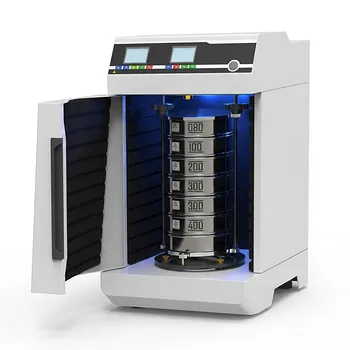
Laboratory Dry and Wet Three Dimensional Vibratory Sieve Shaker for Particle Analysis
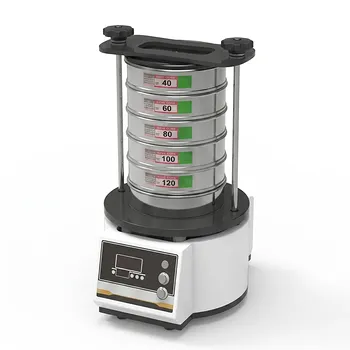
Dry Three Dimensional Vibratory Sieve Shaker
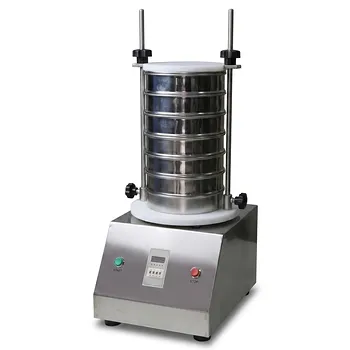
Laboratory Vibratory Test Sieve Shaker for Precision Particle Size Analysis and Powder Grading
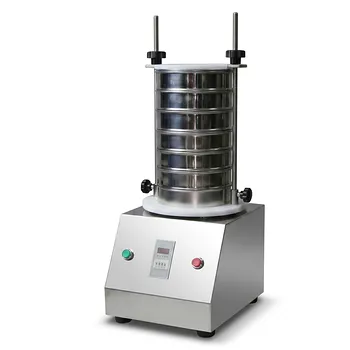
Small Laboratory Vibratory Sieve Shaker for Powder Gradation and Particle Size Analysis
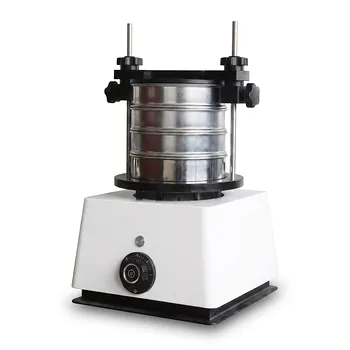
Small Laboratory Vibrating Sieve Shaker for Precise Particle Size Analysis
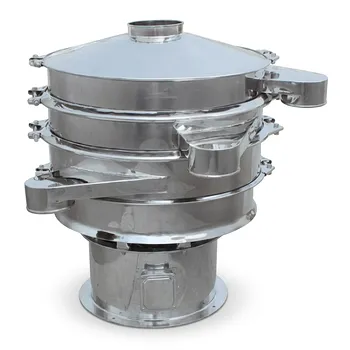
Stainless Steel Rotary Vibrating Sieve High Precision Circular Vibratory Separator Industrial Powder Grading Machine Multi Layer Sifting Equipment
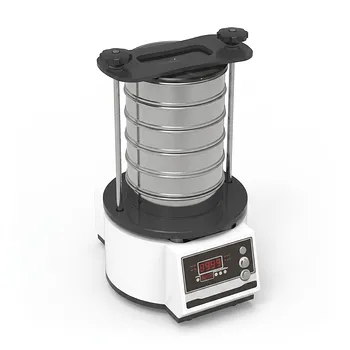
Tapping Oscillating Sieve Shaker for Dry and Wet Particle Size Analysis
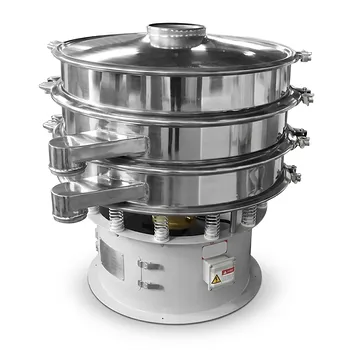
Three Dimensional Rotary Vibrating Sieve
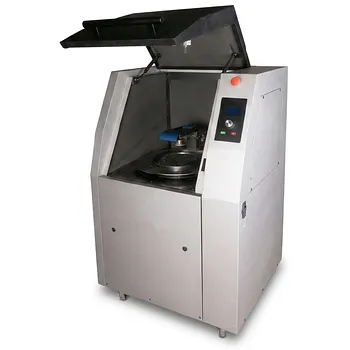
High Speed Vibratory Disc Mill for Spectral Analysis Sample Preparation and Rapid Powder Grinding
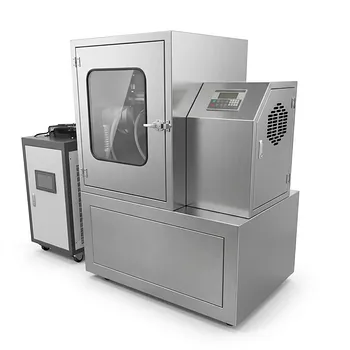
Vibratory Superfine Grinder for Ultra Fine Laboratory Powder Milling
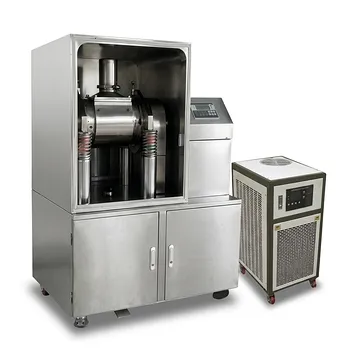
Small Vibrating Ultrafine Grinder for Traditional Chinese Medicine
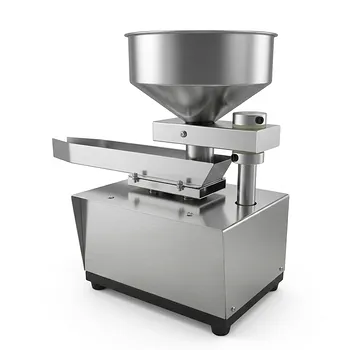
Automatic Vibrating Powder Feeder for Laboratory Material Processing Precision Vibratory Hopper Feeder for Granular and Powder Material Handling Industrial Grade Vibrating Tray Feeder for Consistent Material Sample Preparation
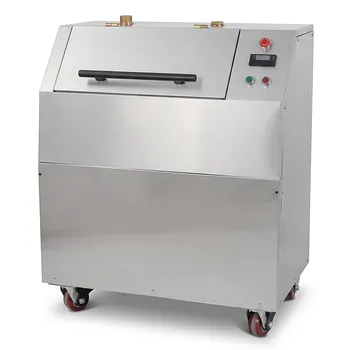
Vibratory Disc Mill for Rapid Fine Grinding and High Throughput Sample Preparation of Hard and Brittle Materials