Why use standard test sieves for wet sieving pyrophyllite coatings? Optimize Filler Grading & Coating Durability
Updated 5 months ago
Standard test sieves are the primary tool for isolating specific particle size distributions (PSD) required to optimize the mechanical and chemical properties of protective coatings. By utilizing wet sieving, engineers can precisely control the grading of fillers, such as achieving a median particle size ($d_{50}$) of 20 micrometers, which is essential for maximizing coating adhesion and resistance to cavitation erosion.
The use of standard test sieves provides the quantitative control necessary to ensure fillers are perfectly graded for maximum packing density. This process eliminates inconsistent particle sizes that would otherwise compromise the coating’s structural integrity and chemical reactivity.
Optimizing Mechanical Integrity and Durability
Enhancing Particle Packing Density
The use of standard sieves allows for the isolation of powders at specific size intervals, such as 20 micrometers. This precision enables engineers to optimize the grading between fillers of varying hardness, resulting in a tighter arrangement of grains during application.
Improving Adhesion and Erosion Resistance
A well-graded filler profile, verified by sieving, directly correlates to the coating’s adhesion strength. By ensuring a dense grain structure, the pyrophyllite-based coating develops a higher resistance to cavitation erosion, which is critical for long-term protection in high-stress environments.
Removing Coarse Agglomerates
Standard sieves act as a physical interception mechanism to remove oversized clusters and coarse agglomerates from raw powders. This ensures that the powder entering the granulator remains within a strict range, preventing localized clusters that cause uneven granulation.
Ensuring Chemical and Processing Consistency
Maintaining Stable Specific Surface Area
Utilizing specific mesh sizes, such as 200-mesh and 300-mesh, ensures the powder maintains a stable specific surface area (SSA). This stability is vital for achieving consistent reaction activity and effective intercalation when pyrophyllite is mixed with agents like polyethylene glycol (PEG).
Facilitating Uniform Wetting
Wet sieving prevents the formation of dry pockets and ensures that the wetting process remains consistent across the entire batch. This consistency is a prerequisite for achieving batch stability in the subsequent formulation of the protective coating.
Supporting Precise Analytical Testing
Standard sieves provide the consistency required for microscopic mineralogical detection, such as X-ray diffraction (XRD) and scanning electron microscopy (SEM). Accurate sieving ensures that the samples tested are representative, leading to comparable and reliable data across different production batches.
Understanding the Trade-offs
The Complexity of Wet Sieving
While wet sieving is superior for fine fillers because it overcomes inter-particle adhesion and surface tension, it is more labor-intensive than dry sieving. It requires the additional step of drying the material post-analysis, which can increase the total time required for quality control.
Potential for Mesh Blinding and Wear
Using precision sieves for abrasive materials like pyrophyllite can lead to mesh wear over time. If the sieves are not regularly calibrated, the accuracy of the particle size isolation will drift, potentially leading to sub-optimal grading and reduced coating performance.
Applying This to Your Coating Formulation
To achieve the best results with pyrophyllite-based protective coatings, your sieving strategy should align with your specific performance requirements.
- If your primary focus is Mechanical Durability: Use a series of precision sieves to create a multi-modal particle distribution that maximizes packing density and minimizes voids.
- If your primary focus is Chemical Stability: Prioritize narrow mesh ranges (e.g., 200 to 300 mesh) to ensure a uniform specific surface area for consistent reaction kinetics.
- If your primary focus is Surface Finish: Use finer sieves to strictly intercept all coarse agglomerates that could cause surface irregularities or "pops" in the final coating.
By strictly controlling particle size through standardized wet sieving, you transform a raw filler into a high-performance engineered component.
Summary Table:
| Key Performance Goal | Impact of Precise Wet Sieving | Recommended Sieve Parameter |
|---|---|---|
| Mechanical Integrity | Maximizes packing density and reduces voids | Multi-modal particle distribution |
| Adhesion & Erosion | Ensures dense grain structure to resist cavitation | Strict $d_{50}$ control (e.g., 20μm) |
| Chemical Stability | Maintains stable Specific Surface Area (SSA) | Narrow range (e.g., 200-300 mesh) |
| Surface Quality | Removes coarse agglomerates and "pops" | Fine mesh interception |
| Analytical Accuracy | Provides representative samples for XRD/SEM | Standardized calibration |
Elevate Your Coating Performance with Precision Sample Prep
Achieving the perfect filler profile for pyrophyllite-based coatings requires more than just standard sieving—it requires a complete, integrated approach to powder processing. At [Company Name], we provide end-to-end laboratory solutions designed for material science excellence.
From vibratory and air-jet sieve shakers equipped with high-precision meshes for wet sieving, to planetary ball mills and jet mills for ultra-fine grinding, our equipment ensures your raw materials meet exact specifications. We also specialize in the final stages of material testing with a full spectrum of hydraulic presses, including Cold/Warm Isostatic Presses (CIP/WIP) and vacuum hot presses for advanced structural analysis.
Ready to optimize your particle size distribution and enhance coating durability?
Contact our technical experts today to find the ideal equipment for your laboratory workflow!
References
- Marko Pavlović, Enita Kurtanović. Application of waste raw materials as a reinforcement for protective coatings based on pyrophyllite. DOI: 10.2298/ciceq240410029p
Mentioned Products
- Stainless Steel Laboratory Vibratory Test Sieve Shaker
- Laboratory Vibratory Test Sieve Shaker for Precision Particle Size Analysis and Powder Grading
- Small Laboratory Vibrating Sieve Shaker for Precise Particle Size Analysis
- Small Laboratory Vibratory Sieve Shaker for Powder Gradation and Particle Size Analysis
- 三维电磁微量振动筛分仪
People Also Ask
- What function does a laboratory vibratory sieve shaker serve in the production process of metakaolin? Optimize Reactivity
- Why is a precision laboratory vibratory sieve shaker necessary for particle size control? Optimize Biomass Carbonization
- What is the function of a laboratory vibratory sieve shaker? Enhance Coal Particle Size Distribution (PSD) Analysis
- What role do laboratory vibratory sieve shakers and test sieves play before the molding of Nb-Cu composite powders?
- What is the primary function of a laboratory vibratory sieve shaker in the evaluation of sand liquefaction potential?

Tech Team · PowderPreparation
Last updated on May 14, 2026
Related Products
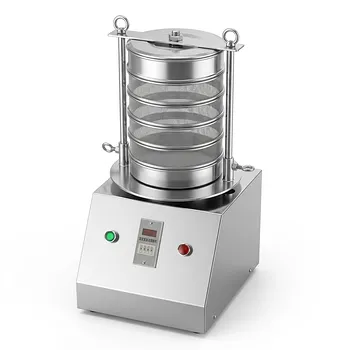
Stainless Steel Laboratory Vibratory Test Sieve Shaker
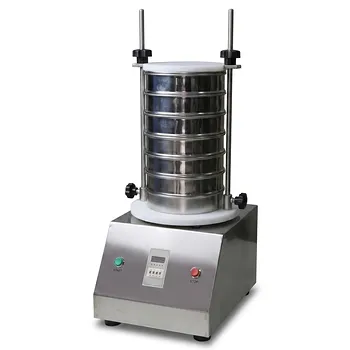
Laboratory Vibratory Test Sieve Shaker for Precision Particle Size Analysis and Powder Grading
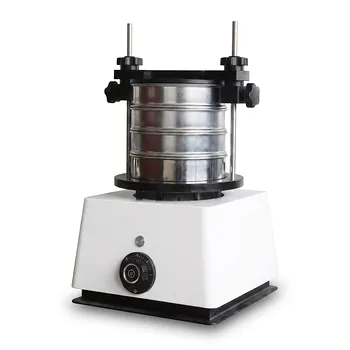
Small Laboratory Vibrating Sieve Shaker for Precise Particle Size Analysis
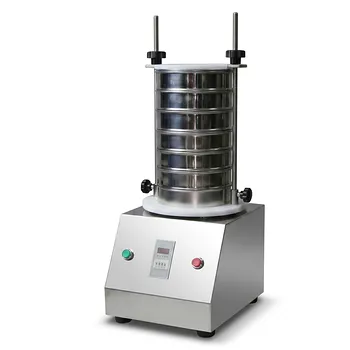
Small Laboratory Vibratory Sieve Shaker for Powder Gradation and Particle Size Analysis
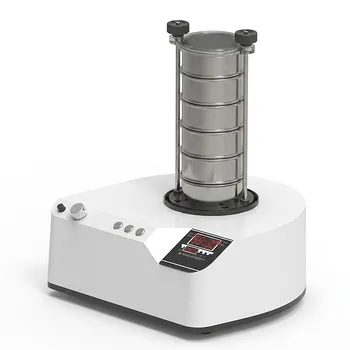
三维电磁微量振动筛分仪
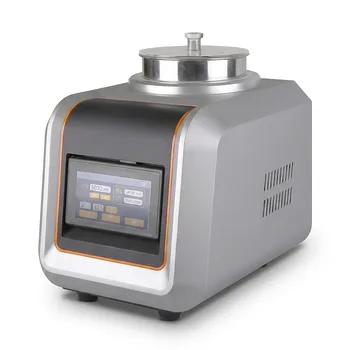
Laboratory Air Jet Sieving Machine for Fine Powder Particle Size Analysis and Deagglomeration
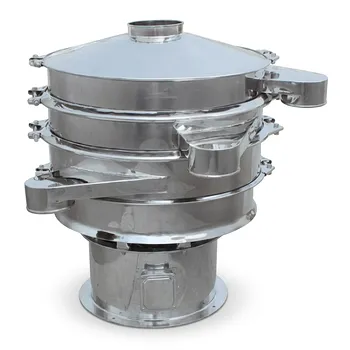
Stainless Steel Rotary Vibrating Sieve High Precision Circular Vibratory Separator Industrial Powder Grading Machine Multi Layer Sifting Equipment
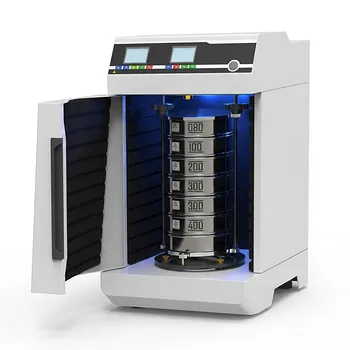
Laboratory Dry and Wet Three Dimensional Vibratory Sieve Shaker for Particle Analysis
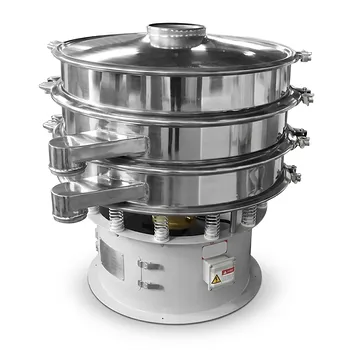
Three Dimensional Rotary Vibrating Sieve
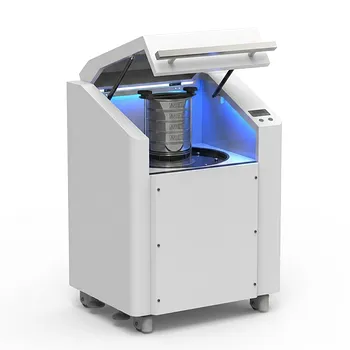
High Frequency Cabinet Type Three-Dimensional Rotary Vibrating Sieve Shaker for Dry Sieving and Particle Classification
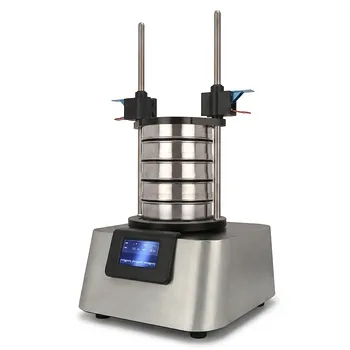
Vibratory Sieve Shaker Electromagnetic 3D Motion Powder Particle Size Analyzer for Dry and Wet Sieving
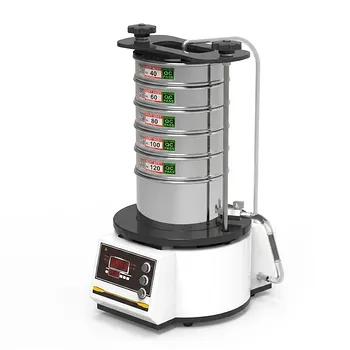
High Frequency Wet Three-Dimensional Vibrating Sieve Shaker for Dry and Wet Particle Size Analysis
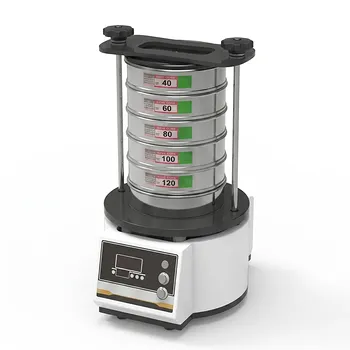
Dry Three Dimensional Vibratory Sieve Shaker
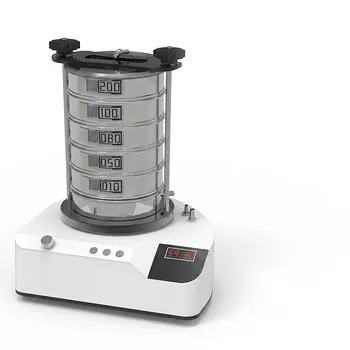
Heavy Duty Dry Three Dimensional Vibratory Sieve Shaker for Particle Separation
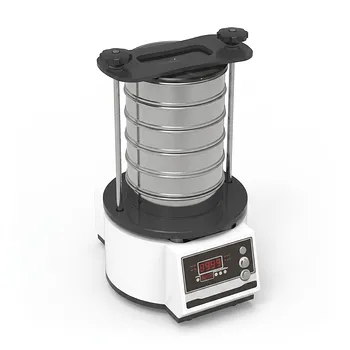
Tapping Oscillating Sieve Shaker for Dry and Wet Particle Size Analysis
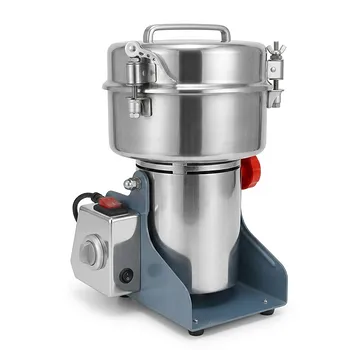
Small High-Speed Grinder for Efficient Laboratory Sample Preparation
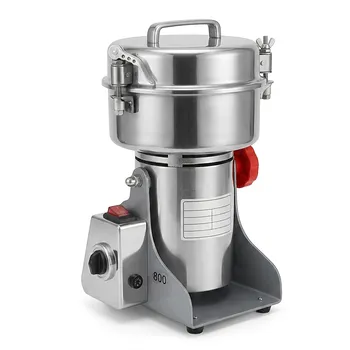
Small High-Speed Laboratory Grinder for Rapid Sample Preparation
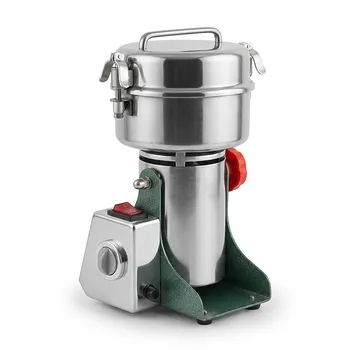
Small High-Speed Swing Grinder for Laboratory Sample Preparation
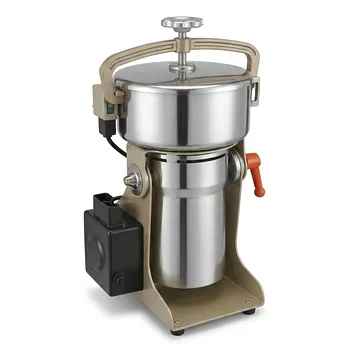
Multifunctional High Efficiency High Speed Laboratory Grinder