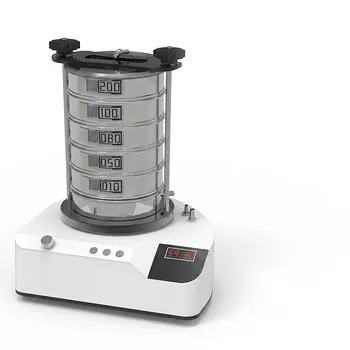
Why is pre-sieving with high-precision analytical sieves necessary? Ensure Pharmaceutical Content Uniformity
Updated 5 months ago
Pre-sieving pharmaceutical powders is a critical quality control step. It eliminates agglomerates formed during storage, ensures a uniform initial particle size distribution, and prevents material segregation. This process is essential for achieving the strict content uniformity required for safe and effective drug products.
Pre-sieving transforms heterogeneous raw materials into a standardized physical state, providing the necessary foundation for a homogenous blend. By removing aggregates and normalizing particle size before blending, manufacturers ensure predictable flow, consistent dissolution profiles, and accurate dosing in every unit.
Eliminating Storage-Induced Agglomeration
Breaking Down Physical Clusters
Raw drug substances and excipients, such as lactose monohydrate or magnesium stearate, naturally form clumps or agglomerates during storage and transport. Using high-precision analytical sieves (such as #40 or #60 mesh) effectively removes these clusters to return the material to its primary particle state.
Establishing a Uniform Initial State
A consistent starting point is required for any scientific or manufacturing process. Pre-sieving ensures that all components have a uniform initial state before they ever enter the blender.
Preventing "Blind Spots" in the Mix
If large agglomerates remain in the powder bed, they can shield active ingredients or excipients from being evenly distributed. Standardizing the particle size ensures that no single component remains trapped in a non-homogenous "lump."
Optimizing Mixing and Content Uniformity
Achieving Homogeneity
The primary goal of blending is to achieve a random, even distribution of the active pharmaceutical ingredient (API). Uniform particle sizes facilitate even mixing, which is the only way to guarantee that each tablet or capsule contains the correct dose.
Preventing Material Segregation
Powders with vastly different particle sizes tend to separate, a phenomenon known as segregation. By using precision sieves to unify particle sizes (e.g., using a 500 µm aperture), manufacturers prevent components from "de-mixing" during the subsequent stages of the process.
Ensuring Consistent Bulk Density
Uniform particles pack more predictably than a mix of fines and large aggregates. This consistency in bulk density is vital for the volumetric filling of capsules or tablet dies, ensuring weight and potency remain stable across a production run.
Enhancing Stability and Experimental Accuracy
Impact on Dissolution and Bioavailability
Particle size is a primary driver of how fast a drug dissolves in the body. Removing oversized aggregates ensures that dissolution experiments reflect the true performance of the formulation rather than the presence of random lumps.
Observing Physical Stability
In advanced research, such as the study of co-amorphous systems, consistent grain sizes are required to observe re-crystallization. High-precision sieving allows researchers to isolate specific grain sizes, making it possible to accurately monitor changes on the particle surface under different storage conditions.
Eliminating Morphological Interference
Differences in physical shape and size can skew the results of adsorption or stability tests. Sieving provides a level of morphological uniformity that is a prerequisite for any valid comparative experiment in a laboratory setting.
Understanding the Trade-offs and Pitfalls
The Risk of Static Charge
Mechanical sieving can generate electrostatic charges on the surface of the powder. If not properly managed, this static can actually cause fine particles to re-agglomerate or cling to the walls of the mixing vessel.
Material Attrition and Loss
Aggressive sieving or the use of tapping/vibration can sometimes cause attrition, where fragile crystals break into unintended fines. Furthermore, a small percentage of material is inevitably lost during the sieving process, which must be accounted for in high-potency, low-volume formulations.
Equipment Contamination
Sieves must be meticulously cleaned and inspected for mesh integrity. Frayed or damaged mesh can introduce metallic contaminants into the pharmaceutical mixture, while improper cleaning can lead to cross-contamination between batches.
Applying Sieving Strategy to Your Goals
How to Apply This to Your Project
When integrating pre-sieving into your workflow, your choice of mesh and methodology should align with your specific manufacturing or research objectives.
- If your primary focus is Content Uniformity: Prioritize removing all storage-formed agglomerates with a #40 or #60 mesh to ensure the API is fully accessible for blending.
- If your primary focus is Manufacturing Throughput: Focus on achieving a uniform particle size distribution to ensure stable powder flow and prevent segregation in high-speed tablet presses.
- If your primary focus is Research Accuracy: Use high-precision analytical sieves to isolate consistent grain sizes, eliminating particle size as a variable in dissolution or stability studies.
- If your primary focus is Product Purity: Utilize precision apertures (e.g., 300 μm) to intercept fragments from capsule shells or other foreign contaminants during recovery processes.
The deliberate use of high-precision sieving is the fundamental difference between a volatile powder mix and a predictable, high-quality pharmaceutical product.
Summary Table:
| Key Benefit | Description | Impact on Quality |
|---|---|---|
| Agglomerate Removal | Breaks down storage-induced clusters | Ensures a uniform initial material state |
| Content Uniformity | Enables even distribution of active ingredients | Guarantees accurate dosing in every unit |
| Segregation Control | Prevents "de-mixing" of different particle sizes | Maintains blend homogeneity during processing |
| Bulk Density Stability | Standardizes particle packing behavior | Ensures consistent weight in capsules and tablets |
| Dissolution Accuracy | Eliminates oversized particles and lumps | Reflects true drug performance in experiments |
Optimize Your Powder Processing with Precision Equipment
Achieving perfect pharmaceutical homogeneity starts with the right preparation tools. At [Brand Name], we provide complete laboratory sample preparation solutions tailored for material science and pharmaceutical research.
Whether you need to eliminate storage-induced agglomerates or ensure strict content uniformity, our specialized equipment delivers reliable results:
- Sieve Shakers: High-precision vibratory and air-jet shakers with a full range of analytical test sieves.
- Powder Processing: Advanced mills (planetary, jet, rotor) and crushers for particle size reduction.
- Mixing Solutions: Powder mixers and vacuum defoaming mixers for seamless blending.
- Compaction Equipment: A full spectrum of hydraulic presses, including CIP/WIP and hot presses for material testing.
Ready to enhance your lab's efficiency and experimental accuracy? Contact our technical experts today to find the ideal solution for your workflow!
References
- Tambe St, Sujit Tambe. FORMULATION DEVELOPMENT AND EVALUATION OF IMMEDIATE RELEASE TABLETS OF MUSCARINIC RECEPTOR ANTAGONIST USING VARIOUS GRADES OF LACTOSE MONOHYDRATE AND API PSD TO STUDY IMPACT ON FLOW PROPERTIES AND DISSOLUTION OF DRUG PRODUCT. DOI: 10.31032/ijbpas/2021/10.6.5540
Mentioned Products
- Laboratory Air Jet Sieving Machine for Fine Powder Particle Size Analysis and Deagglomeration
- Vibratory Sieve Shaker Electromagnetic 3D Motion Powder Particle Size Analyzer for Dry and Wet Sieving
- High Frequency Wet Three-Dimensional Vibrating Sieve Shaker for Dry and Wet Particle Size Analysis
- Laboratory Vibratory Test Sieve Shaker for Precision Particle Size Analysis and Powder Grading
- Dry Three Dimensional Vibratory Sieve Shaker
People Also Ask
- What role do laboratory test sieves play in the nanocrystallization process of iron powder? Ensure Uniform Refinement
- What is the function of a laboratory test sieve in the river sediment sample preparation process? Ensure Precise Data
- What is the purpose of using 0.038 mm sieves in magnetite grinding? Quantify Kinetics and Boost Grinding Efficiency
- How do laboratory test sieves contribute to the analysis of soil texture composition? Optimize Particle Grading Accuracy
- Why is a 0.08mm standard sieve required for testing the fineness of cement? Optimize Recycled Pervious Concrete Quality

Tech Team · PowderPreparation
Last updated on May 14, 2026
Related Products
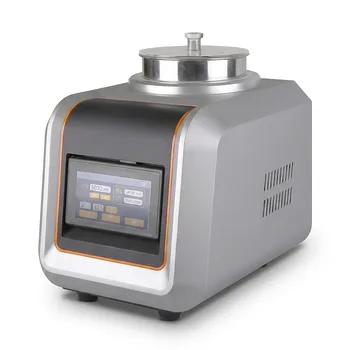
Laboratory Air Jet Sieving Machine for Fine Powder Particle Size Analysis and Deagglomeration
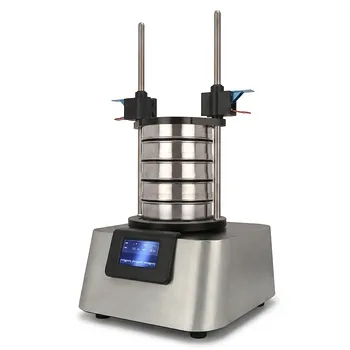
Vibratory Sieve Shaker Electromagnetic 3D Motion Powder Particle Size Analyzer for Dry and Wet Sieving
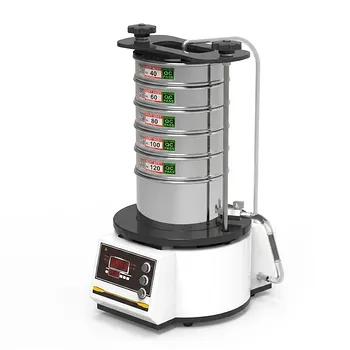
High Frequency Wet Three-Dimensional Vibrating Sieve Shaker for Dry and Wet Particle Size Analysis
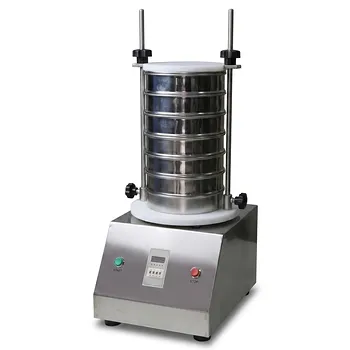
Laboratory Vibratory Test Sieve Shaker for Precision Particle Size Analysis and Powder Grading
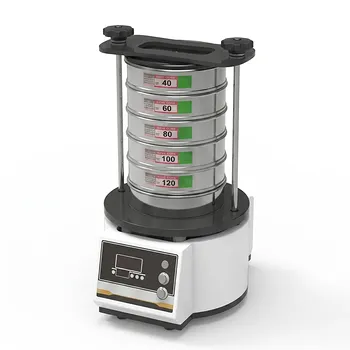
Dry Three Dimensional Vibratory Sieve Shaker
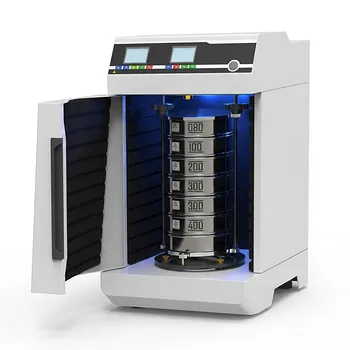
Laboratory Dry and Wet Three Dimensional Vibratory Sieve Shaker for Particle Analysis
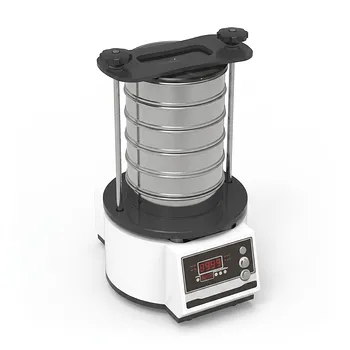
Tapping Oscillating Sieve Shaker for Dry and Wet Particle Size Analysis
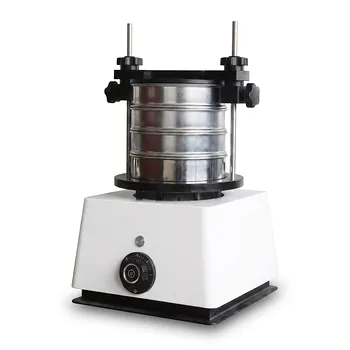
Small Laboratory Vibrating Sieve Shaker for Precise Particle Size Analysis
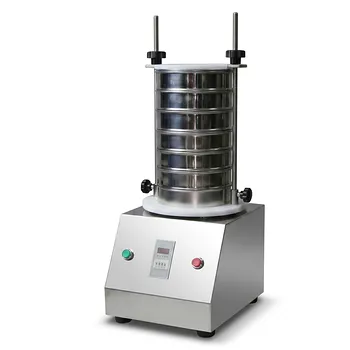
Small Laboratory Vibratory Sieve Shaker for Powder Gradation and Particle Size Analysis
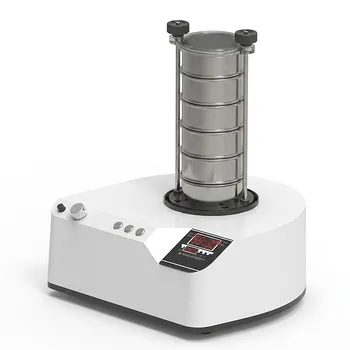
三维电磁微量振动筛分仪
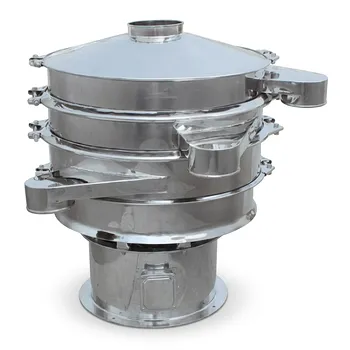
Stainless Steel Rotary Vibrating Sieve High Precision Circular Vibratory Separator Industrial Powder Grading Machine Multi Layer Sifting Equipment
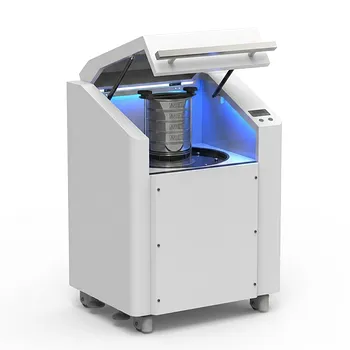
High Frequency Cabinet Type Three-Dimensional Rotary Vibrating Sieve Shaker for Dry Sieving and Particle Classification
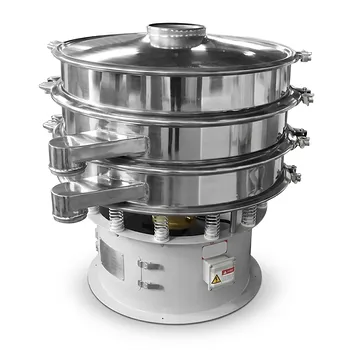
Three Dimensional Rotary Vibrating Sieve