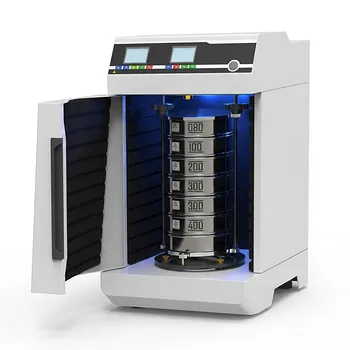
What is the role of standard calibrated sieves in the preparation of expanded perlite lightweight mortar? Precision Grading
Updated 5 months ago
Standard calibrated sieves are essential for the precise grading and separation of expanded perlite particles into specific size ranges, typically between 0.15 mm and 9.50 mm. This rigorous classification allows engineers to control the particle size distribution and fineness modulus of the aggregate. By ensuring a standardized gradation, sieves directly enable the optimization of the mortar’s thermal insulation properties and mechanical load-bearing capacity.
The core role of calibrated sieves is to transform bulk perlite into a scientifically graded aggregate. This precision is necessary because the mortar’s density, thermal conductivity, and structural strength are entirely dependent on the specific size and distribution of the particles used.
Establishing the Foundation of Mix Design
Precise Control of Particle Size Distribution
Standard sieves allow for the separation of expanded perlite into fine, medium, and coarse gradations. By using a series of standard apertures, technicians can determine the exact fineness modulus required for a specific mortar recipe. This level of control is the primary prerequisite for any scientific mix design.
Defining Gradation Curves
Sieving is the physical process used to plot gradation curves and identify the maximum nominal particle size. These curves are used to ensure the mortar has a uniform internal porosity, which prevents weak spots in the finished material. Without accurate sieving, the mortar's internal structure becomes unpredictable.
Optimizing Material Performance
Impact on Thermal Conductivity
The size of the perlite particles significantly influences the insulating performance of the mortar. Smaller, more densely packed particles provide different thermal resistance than larger, air-filled voids. Sieves allow researchers to isolate these variables to study how aggregate dimensions affect heat transfer.
Balancing Mechanical Strength
There is a direct correlation between aggregate size and the mechanical strength of lightweight mortar. By eliminating oversized particles and ensuring consistent grading, sieves help maintain the structural integrity of the mortar matrix. This prevents the strength degradation often caused by uneven aggregate distribution.
Ensuring Experimental and Production Reliability
Data Repeatability and Model Accuracy
High-precision sieving, often performed with a vibratory sieve shaker, is critical for ensuring that experimental data can be repeated. Because bulk density and porosity models are highly sensitive to particle size, standardized sieving is the only way to verify the accuracy of density prediction models.
Eliminating Matrix Interference
Using standard sieves to remove oversized particles—such as those exceeding 5.0 mm—ensures a uniform mortar matrix. This standardization eliminates "noise" or interference during testing, allowing engineers to isolate and analyze how specific additives, like silica fume, interact with the aggregate.
Understanding the Trade-offs
The Risk of Particle Attrition
Expanded perlite is a fragile material that can easily crush or break during the sieving process. Excessive vibration time or high-intensity shaking can lead to "particle attrition," where the perlite breaks down into finer dust than originally intended. This can skew gradation results and lead to an inaccurately high density in the final mix.
Sieve Blinding and Maintenance
Fine perlite particles can frequently clog the mesh of the sieve, a phenomenon known as blinding. If sieves are not properly maintained or if the mesh is stretched, the resulting gradation will be inaccurate. Regular calibration is required to ensure that the apertures remain within the narrow tolerances required for high-performance lightweight concrete.
How to Apply Sieving Standards to Your Project
Making the Right Choice for Your Goal
To achieve the best results with expanded perlite mortar, your sieving strategy must align with your performance targets.
- If your primary focus is maximum thermal insulation: Prioritize a gradation that favors medium-sized particles (1-3 mm) to maximize internal air voids while maintaining a stable matrix.
- If your primary focus is high mechanical strength: Focus on a well-graded distribution that minimizes voids between particles, ensuring a denser, more cohesive mortar structure.
- If your primary focus is experimental repeatability: Utilize a vibratory sieve shaker with timed intervals to minimize particle breakage and ensure consistent grading across different batches.
By mastering the precise grading of perlite aggregates, you gain the ability to engineer lightweight mortars that meet exacting thermal and structural specifications.
Summary Table:
| Role in Preparation | Key Metric / Range | Impact on Mortar Performance |
|---|---|---|
| Particle Classification | 0.15 mm to 9.50 mm | Controls fineness modulus and aggregate distribution. |
| Gradation Curve Analysis | Porosity & Connectivity | Ensures uniform internal structure and eliminates weak spots. |
| Thermal Optimization | Particle Size Control | Adjusts air-filled voids to maximize insulating resistance. |
| Mechanical Balancing | Nominal Max Size (<5mm) | Enhances structural integrity by preventing uneven matrix density. |
| Experimental Reliability | Vibratory Shaker Timing | Minimizes particle attrition to ensure repeatable research data. |
Optimize Your Material Research with Precision Sieving & Powder Solutions
Achieving the perfect balance between thermal insulation and structural strength in lightweight mortar requires rigorous aggregate control. At [Brand Name], we provide complete laboratory sample preparation solutions for material science, specializing in high-performance powder processing and compaction equipment.
Our extensive product line is designed to ensure accuracy and repeatability in your laboratory:
- Sieving Excellence: Professional vibratory and air-jet sieve shakers with high-precision test sieves and meshes to prevent blinding and attrition.
- Advanced Milling: Planetary ball, jet, and cryogenic grinders for ultra-fine particle size reduction.
- Powder Compaction: A full spectrum of hydraulic presses, including Cold/Warm Isostatic Presses (CIP/WIP), vacuum hot presses, and XRF pellet presses.
- Mixing & Preparation: Specialized powder mixers and defoaming mixers for uniform matrix formulation.
Ready to elevate your laboratory's efficiency and data accuracy?
Contact our technical experts today to find the right equipment for your material preparation needs.
References
- Matías Leyton-Vergara, Jeremy Piggot-Navarrete. Influence of Granulometry on Thermal and Mechanical Properties of Cement Mortars Containing Expanded Perlite as a Lightweight Aggregate. DOI: 10.3390/ma12234013
Mentioned Products
- Heavy Duty Dry Three Dimensional Vibratory Sieve Shaker for Particle Separation
- Small Ceramic Structure Laboratory Sand Mill Nanoscale Grinding Dispersion Equipment Seal-less Screen-less Design
- Dry Three Dimensional Vibratory Sieve Shaker
- Laboratory Air Jet Sieving Machine for Fine Powder Particle Size Analysis and Deagglomeration
- Laboratory Vibratory Test Sieve Shaker for Precision Particle Size Analysis and Powder Grading
People Also Ask
- How does a vibratory sieve shaker contribute to optimizing the performance of activated carbon? Enhance Adsorption Precision
- How are vibratory sieve shakers and test sieves used for crushed chert gravel analysis? Optimize Your Crushing Process
- How are vibratory sieve shakers and test sieves used for spherical drugs? Optimize Particle Size & Dose Accuracy
- Why are vibratory sieve shakers and standard test sieves necessary for pellet PSD? Ensure Accurate Quality Control
- Why is a laboratory vibratory sieve shaker necessary for SiC composite preparation? Optimize Particle Size & Performance

Tech Team · PowderPreparation
Last updated on May 14, 2026
Related Products
Heavy Duty Dry Three Dimensional Vibratory Sieve Shaker for Particle Separation
Small Ceramic Structure Laboratory Sand Mill Nanoscale Grinding Dispersion Equipment Seal-less Screen-less Design
Dry Three Dimensional Vibratory Sieve Shaker
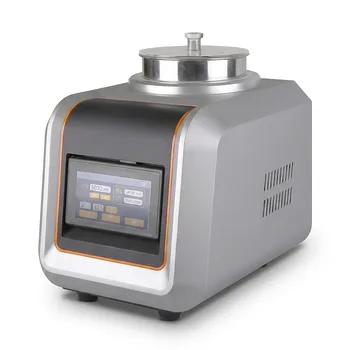
Laboratory Air Jet Sieving Machine for Fine Powder Particle Size Analysis and Deagglomeration
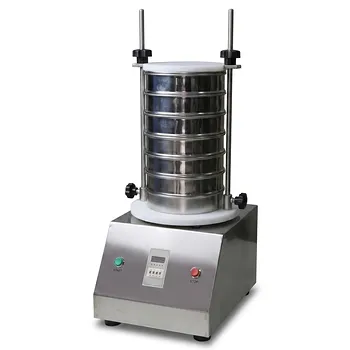
Laboratory Vibratory Test Sieve Shaker for Precision Particle Size Analysis and Powder Grading
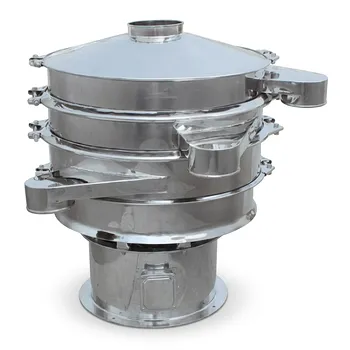
Stainless Steel Rotary Vibrating Sieve High Precision Circular Vibratory Separator Industrial Powder Grading Machine Multi Layer Sifting Equipment
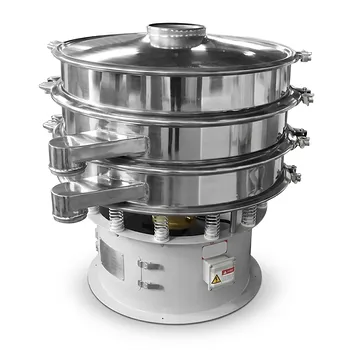
Three Dimensional Rotary Vibrating Sieve
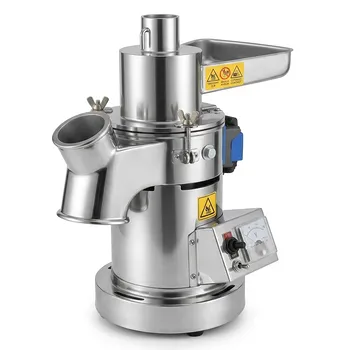
Continuous Feeding Grinder High Efficiency Pulverizer for Lab Sample Preparation
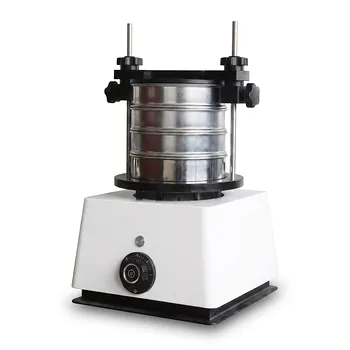
Small Laboratory Vibrating Sieve Shaker for Precise Particle Size Analysis
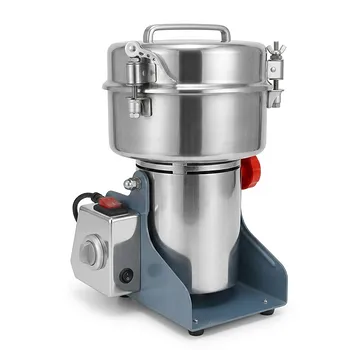
Small High-Speed Grinder for Efficient Laboratory Sample Preparation
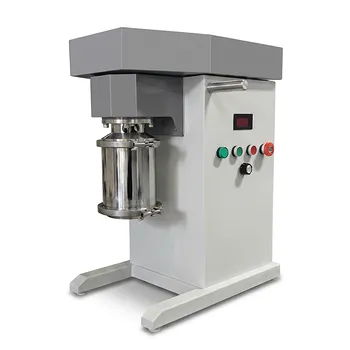
Nano Laboratory Bead Mill Desktop Sub Micron Sand Mill Screenless Seal Less Powder Grinder
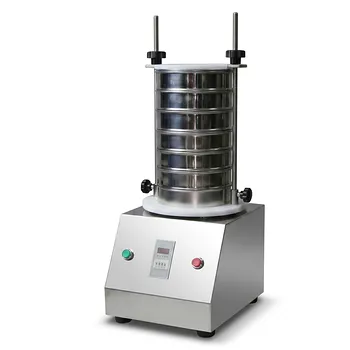
Small Laboratory Vibratory Sieve Shaker for Powder Gradation and Particle Size Analysis
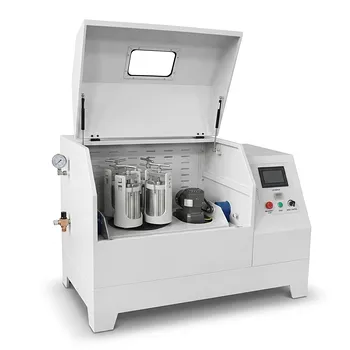
Vertical Production Planetary Ball Mill for High Throughput Powder Processing
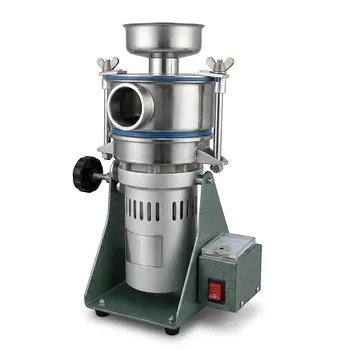
Small Airflow Ultra-Fine Grinder for Laboratory Sample Preparation
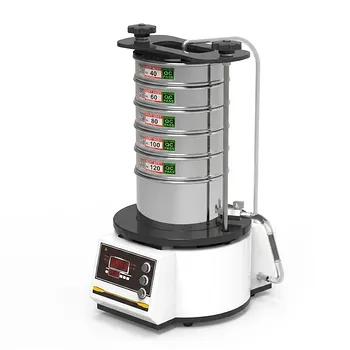
High Frequency Wet Three-Dimensional Vibrating Sieve Shaker for Dry and Wet Particle Size Analysis
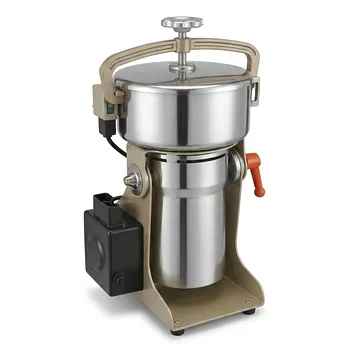
Multifunctional High Efficiency High Speed Laboratory Grinder
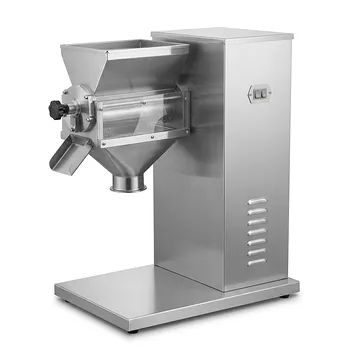
Small Swing Granulator Efficient Powder Granulation for Pharmaceutical Chemical Food Industries
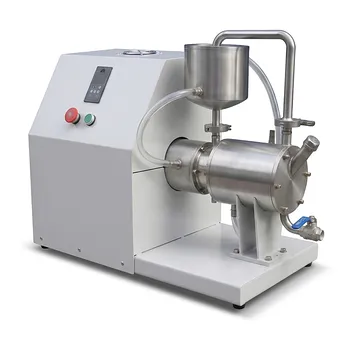
Laboratory Small Horizontal Sand Mill for Nano Materials Wet Grinding
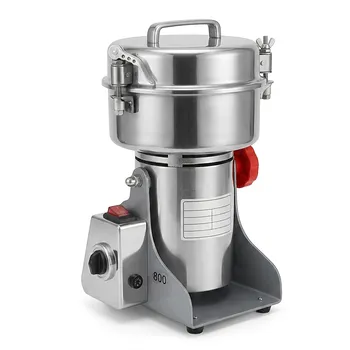
Small High-Speed Laboratory Grinder for Rapid Sample Preparation