Why is liquid nitrogen cryogenic treatment necessary before grinding conventional and biodegradable plastics? Pro Tips
Updated 4 months ago
Liquid nitrogen cryogenic treatment is the only viable method for grinding plastics because it overcomes the thermal and elastic barriers of polymers. Conventional grinding generates intense frictional heat that causes plastics to melt, deform, or "gum up" equipment, whereas liquid nitrogen induces a state of cold brittleness that allows for clean, efficient fracturing.
Core Takeaway: Cryogenic treatment transitions polymers from a tough, viscoelastic state to a brittle state by cooling them below their glass transition temperature. This prevents thermal degradation and equipment clogging while enabling the production of ultra-fine, chemically stable powders.
Overcoming the Limitations of Room-Temperature Grinding
The Failure of Mechanical Shearing at Ambient Temperature
Most polymers exhibit viscoelastic properties at room temperature, meaning they behave with both liquid-like and elastic characteristics. When subjected to standard mechanical grinding, these materials absorb energy and generate frictional heat rather than fracturing.
The Risk of Thermal Degradation
Frictional heat can quickly exceed the melting point of plastics like HDPE, PP, or PLA. This leads to physical changes, such as melting or agglomeration, and can cause thermal degradation of the polymer chain structure, compromising the material for subsequent analysis or manufacturing.
Equipment Malfunction and Clogging
As the plastic softens, it adheres to the grinding media and internal surfaces of the mill. This clogging prevents the achievement of target particle sizes and necessitates frequent, costly downtime for equipment cleaning and maintenance.
The Physics of Cryogenic Transformation
Inducing Cold Brittleness
Liquid nitrogen, at approximately -196°C, rapidly cools the plastic below its glass transition temperature ($T_g$). At this extreme temperature, the material loses its flexibility and enters a brittle state, making it susceptible to shattering upon impact.
Precision Size Reduction
Once embrittled, polymers like Polypropylene (PP) or PEEK can be pulverized by high-energy impact forces, such as ball milling or impact pins. This process allows for the creation of micron-scale powders (often below 100 microns) with a high specific surface area that would be impossible to achieve at room temperature.
Preservation of Chemical Integrity
Because the process occurs in an ultra-low temperature environment, the chemical properties and crystalline structures of the raw materials remain stable. This is critical for photo-oxidized films or biodegradable plastics where heat-induced secondary changes must be avoided to ensure accurate research data.
Advantages of an Inert Atmosphere
Prevention of Oxidation and Combustion
The evaporation of liquid nitrogen creates an inert nitrogen atmosphere within the grinding chamber. This effectively displaces oxygen, preventing oxidation of sensitive polymers and eliminating the risk of dust explosions or combustion during high-speed processing.
Rapid Heat Dissipation
The liquid nitrogen acts as a constant heat sink, instantly dissipating any mechanical energy converted into heat. This ensures the material remains at a stable, sub-zero temperature throughout the entire grinding cycle, maintaining the embrittlement necessary for uniform particle distribution.
Understanding the Trade-offs
Operational Costs and Infrastructure
The primary drawback of cryogenic grinding is the high cost of consumables. Liquid nitrogen is an ongoing expense, and the process requires specialized, insulated storage tanks and delivery systems that increase the initial capital investment.
Safety and Handling Requirements
Working with liquid nitrogen presents significant safety risks, including cryogenic burns and the potential for asphyxiation in poorly ventilated areas. Facilities must implement rigorous safety protocols and monitoring systems to manage these hazards effectively.
Material Over-Embrittlement
While brittleness is the goal, some materials can become excessively fragile, leading to an over-generation of "fines" (excessively small dust particles). Controlling the exact temperature and exposure time is necessary to ensure the resulting powder meets the specific grade required for the application.
How to Apply This to Your Project
Making the Right Choice for Your Goal
- If your primary focus is analytical accuracy: Use cryogenic grinding to ensure the polymer chain structure and chemical properties remain unchanged by thermal stress.
- If your primary focus is processing high-performance thermoplastics (e.g., PEEK): Cryogenic treatment is mandatory to overcome the extreme toughness and impact resistance of these materials.
- If your primary focus is producing fine powders from flexible films: Rapidly cool the material below its embrittlement point to eliminate flexibility and allow for clean, regular fragmentation.
- If your primary focus is preventing material loss: Utilize the inert atmosphere and cold environment to prevent melting and sticking, which maximizes the recovery of the processed powder.
Cryogenic treatment transforms plastics from resilient, heat-sensitive solids into brittle precursors, enabling the precision grinding necessary for modern industrial and scientific applications.
Summary Table:
| Feature | Room Temperature Grinding | Cryogenic Grinding (LN2) |
|---|---|---|
| Material State | Viscoelastic / Tough | Cold Brittle (Below $T_g$) |
| Thermal Effect | Frictional heat causes melting | Rapid heat dissipation |
| Particle Size | Coarse / Agglomerated | Ultra-fine (Micron-scale) |
| Chemical Integrity | Risk of thermal degradation | High stability & no oxidation |
| Equipment | Frequent clogging/downtime | Clean, efficient fracturing |
Elevate Your Material Research with Precision Grinding Solutions
Achieving the perfect particle size for tough polymers requires more than just force—it requires the right thermal environment. At [Company Name], we provide complete laboratory sample preparation solutions for material science, specializing in high-performance powder processing and compaction equipment.
Our extensive product line is designed to handle the most challenging materials:
- Advanced Milling: Liquid nitrogen cryogenic grinders, planetary ball mills, jet mills, and rotor mills.
- Sizing & Mixing: Sieve shakers (vibratory/air-jet), powder mixers, and defoaming mixers.
- Compaction Excellence: A full spectrum of hydraulic presses, including Cold/Warm Isostatic Presses (CIP/WIP), standard lab presses, XRF pellet presses, and vacuum hot presses.
Whether you are processing biodegradable plastics or high-performance thermoplastics like PEEK, our expertise ensures you get stable, chemically pure, and ultra-fine powders every time.
Ready to optimize your lab's workflow? Contact our experts today to find the ideal solution for your material preparation needs!
References
- Berit Schütze, Robert Kreuzig. Comparison of different salt solutions for density separation of conventional and biodegradable microplastic from solid sample matrices. DOI: 10.1007/s11356-022-21474-6
Mentioned Products
- Small Liquid Nitrogen Cryogenic Grinder for Ultrafine Grinding of Heat-Sensitive Materials in Laboratories
- Laboratory Cryogenic Grinder Liquid Nitrogen Low Temperature Ultrafine Grinding
- Cryogenic Liquid Nitrogen Grinder for DNA Analysis and Polymer Pulverization with Automatic Cooling and Electromagnetic Impact Technology
- Cryogenic Liquid Nitrogen Grinder for Ultrafine Heat-Sensitive Powder Processing
- Liquid Nitrogen Cryogenic Grinder for Plastic and Heat-Sensitive Materials
People Also Ask
- What are the advantages of using liquid nitrogen Cryomilling? Achieve ultra-fine grains and high chemical purity.
- How does liquid nitrogen as a processing medium affect copper powder beyond cooling? Impacts on Purity & Sintering
- What is the function of liquid nitrogen cryogenic grinding in the initial preparation of PHBH polymer powder? Key Roles
- Why is liquid nitrogen cryogenic grinding used for coal and microbial experiments? Preserve Sample Integrity
- Why use liquid nitrogen cryogenic grinding for polymer degradation? Preserve sample integrity & prevent thermal damage

Tech Team · PowderPreparation
Last updated on Jun 03, 2026
Related Products
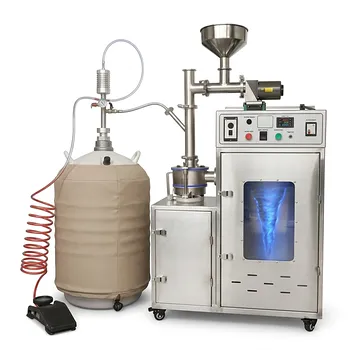
Small Liquid Nitrogen Cryogenic Grinder for Ultrafine Grinding of Heat-Sensitive Materials in Laboratories
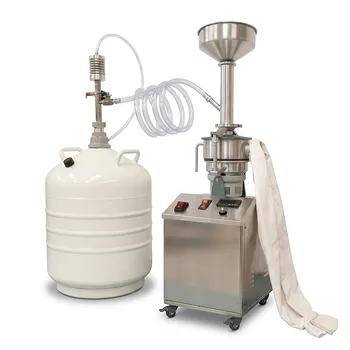
Laboratory Cryogenic Grinder Liquid Nitrogen Low Temperature Ultrafine Grinding
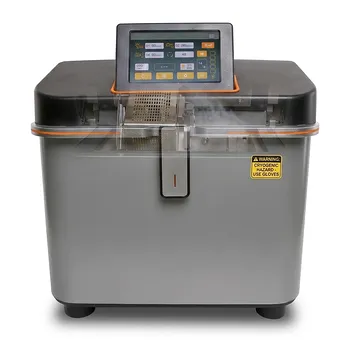
Cryogenic Liquid Nitrogen Grinder for DNA Analysis and Polymer Pulverization with Automatic Cooling and Electromagnetic Impact Technology
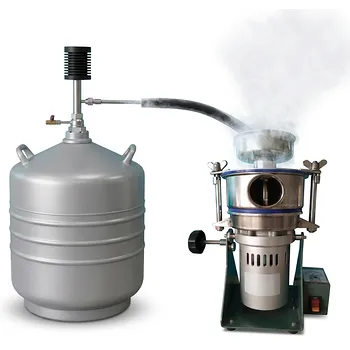
Cryogenic Liquid Nitrogen Grinder for Ultrafine Heat-Sensitive Powder Processing
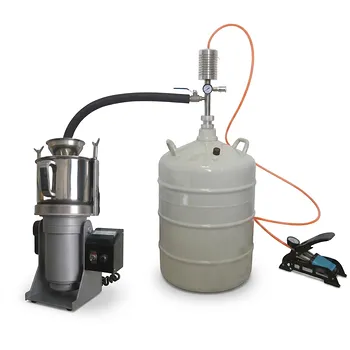
Liquid Nitrogen Cryogenic Grinder for Plastic and Heat-Sensitive Materials
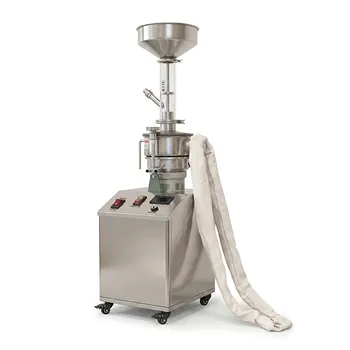
Small Liquid Nitrogen Cryogenic Grinder for Plastic and Heat-Sensitive Material Sample Preparation
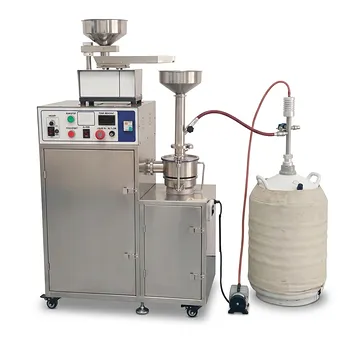
Small Liquid Nitrogen Cryogenic Grinder with Vibratory Feeder for Laboratory Sample Preparation
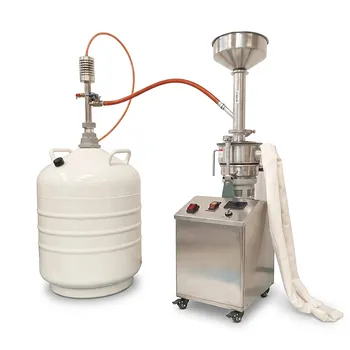
Laboratory Liquid Nitrogen Cryogenic Grinder for Polymer and Elastomer Materials
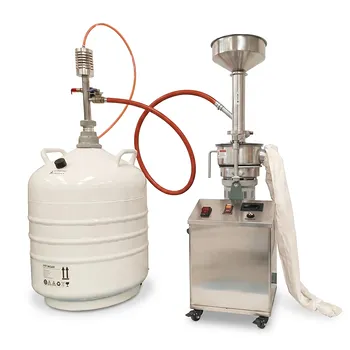
Laboratory Liquid Nitrogen Cryogenic Grinder Polymer Sample Preparation Pulverizer
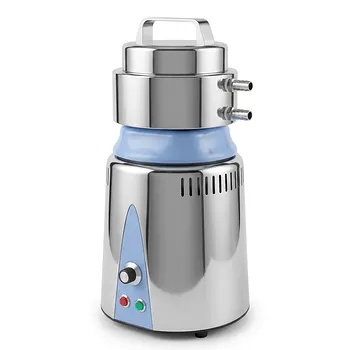
Low Temperature Laboratory Knife Mill Cryogenic Sample Grinder Material Science Powder Processing
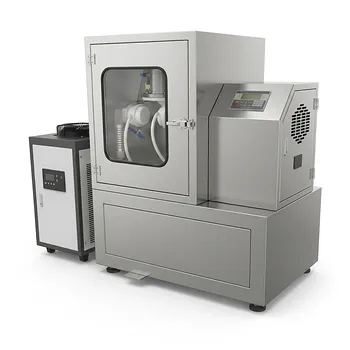
Vibratory Ultra-Low Temperature Ultrafine Grinder for Cryogenic Powder Processing
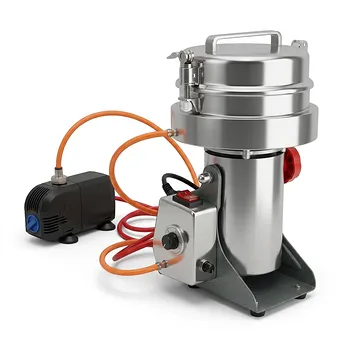
Water Cooled High Speed Grinder with Cryogenic Option for Laboratory Sample Preparation
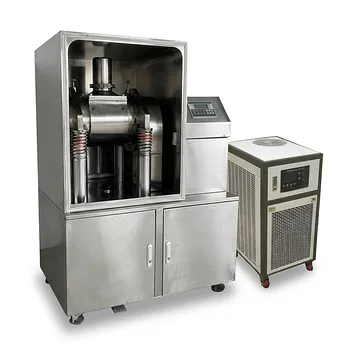
Water Cooled Cryogenic Ultra Fine Cell Wall Breaking Mill
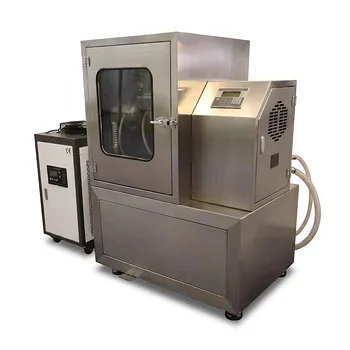
Ultra-Low Temperature Vibratory Mill for Ultrafine Grinding
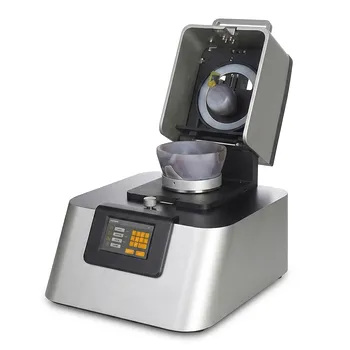
Laboratory Mortar Grinder for Sample Preparation and Cryogenic Powder Homogenization
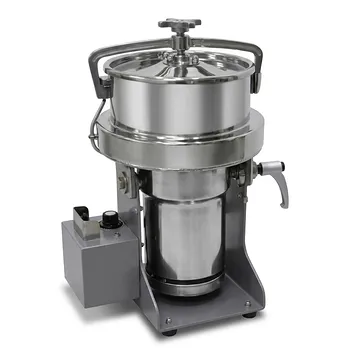
500g Capacity Water Cooled Low Temperature Grinder with Variable Speed and Safety Cover
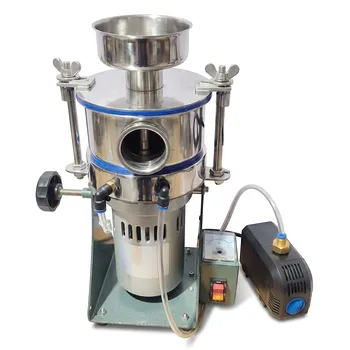
Water Cooled Airflow Ultra Fine Grinder for Low Temperature Material Processing
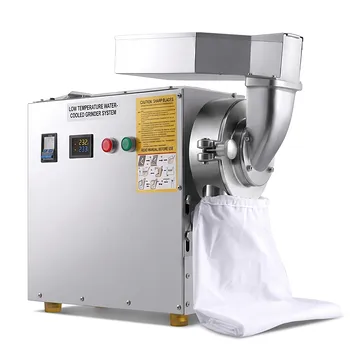
Low Temperature Water Cooled Continuous Feed Grinder Two Stage Coarse and Fine Grinding System
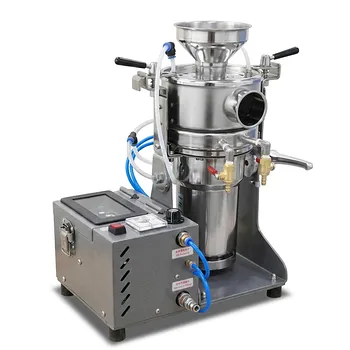
Water Cooled Pulse Jet Ultrafine Grinder