How does liquid nitrogen as a processing medium affect copper powder beyond cooling? Impacts on Purity & Sintering
Updated 4 months ago
Beyond its role as a coolant, liquid nitrogen acts as a reactive chemical medium that alters the surface chemistry and subsequent consolidation behavior of copper powder. While liquid nitrogen (LN2) is primarily used to maintain temperatures near -196°C to suppress grain growth, it simultaneously serves as a reactive atmosphere. During cryomilling, nitrogen and trace oxygen are adsorbed onto the freshly created, high-activity surfaces of the copper, forming unstable compounds like copper nitride. These impurities directly interfere with the powder's ability to densify during sintering, often leading to undesirable porosity in the final bulk material.
Core Takeaway: Liquid nitrogen is a chemically active participant in cryomilling that forms surface impurities (nitrides and oxides) on copper. While these interactions are essential for achieving nanocrystalline grain sizes, they can compromise the density and structural integrity of the final consolidated part.
The Chemical Influence of Nitrogen Adsorption
Formation of Thermally Unstable Compounds
During the high-energy milling process, liquid nitrogen does more than just sit in the jar; it reacts with the copper. Nitrogen and trace amounts of oxygen are adsorbed onto the high-activity surface area created as particles are fractured. This leads to the formation of copper nitride ($Cu_3N$) or copper oxides, which are often thermally unstable.
Creation of High-Activity Surfaces
The mechanical impact of the milling media constantly generates "fresh" metal surfaces. These surfaces possess high surface energy and are extremely reactive. Even at cryogenic temperatures, these sites are prone to chemical bonding with the surrounding nitrogen medium, effectively "coating" the copper nanocrystals.
Protective vs. Reactive Atmosphere
While LN2 provides an oxygen-deficient environment that prevents the massive oxidation seen in room-temperature milling, it is not strictly inert. It functions as a controlled atmosphere that limits certain types of degradation while introducing its own specific chemical markers into the copper matrix.
Impact on Microstructure and Refinement
Suppression of Dynamic Recovery
The extreme cold (typically -160°C to -193°C) effectively lowers the thermal activation energy within the copper. This suppresses dynamic recovery and recrystallization, which are the processes that usually "heal" a metal during deformation. Because these processes are blocked, the copper can accumulate a much higher density of dislocations than would be possible at higher temperatures.
Acceleration of Grain Refinement
Because dislocations cannot easily move or annihilate, the copper grains refine at an accelerated pace. Research indicates that this process can achieve nanocrystalline structures as small as 32 nm. The liquid nitrogen acts as a "mechanical anchor" for these defects, allowing the powder to reach a saturation grain size much faster than traditional milling.
Consequences for Downstream Processing
Inhibition of Densification
The impurities formed during cryomilling—specifically the nitrides—act as a barrier during Spark Plasma Sintering (SPS). These surface layers inhibit the diffusion required for the copper particles to bond together effectively. As a result, the powder resists densification, making it difficult to achieve a fully dense, solid part.
Gas Evolution and Pore Formation
As the temperature rises during sintering, the thermally unstable copper nitrides begin to decompose. This decomposition releases trapped gases, which can lead to the formation of internal pores within the consolidated bulk material. This porosity can significantly reduce the mechanical strength and conductivity of the final copper product.
Understanding the Trade-offs
The Purity-Refinement Conflict
The primary trade-off in using liquid nitrogen for copper processing is between microstructural refinement and chemical purity. You gain the ability to create ultra-fine nanocrystalline structures that are otherwise impossible to achieve, but you lose the "clean" surface chemistry of the original powder.
Mechanical Benefits vs. Consolidation Difficulty
While the high dislocation density and nanometer grain size provide immense theoretical strength, the residual nitrides make it physically harder to turn that powder into a usable solid. If the sintering parameters are not perfectly tuned to handle gas evolution, the final part may be more brittle or less dense than anticipated.
Making the Right Choice for Your Goal
How to Apply This to Your Project
When deciding how to utilize liquid nitrogen in your copper processing workflow, consider the following objectives:
- If your primary focus is maximum grain refinement: Use continuous liquid nitrogen immersion to keep temperatures below -190°C, which maximizes dislocation accumulation and achieves sub-50nm grain sizes.
- If your primary focus is high bulk density: Be prepared to implement advanced sintering cycles, such as vacuum degassing or staged heating, to allow for the decomposition of nitrides before final densification.
- If your primary focus is minimizing surface impurities: Consider shorter milling durations or alternative cryogenic media (like liquid argon) if the specific formation of copper nitrides is detrimental to your application.
By recognizing liquid nitrogen as a chemical reactant rather than just a cold fluid, you can better predict and control the final properties of your nanocrystalline copper.
Summary Table:
| Aspect | Effect of Liquid Nitrogen (LN2) | Impact on Final Copper Product |
|---|---|---|
| Thermal State | Suppresses dynamic recovery/recrystallization | Achieves nanocrystalline grain sizes (<50nm) |
| Surface Chemistry | Forms unstable copper nitrides ($Cu_3N$) and oxides | Creates a barrier that inhibits particle bonding |
| Microstructure | Blocks dislocation movement and annihilation | High dislocation density and increased hardness |
| Consolidation | Causes gas evolution during sintering | Increases risk of internal porosity and brittleness |
Optimize Your Nanocrystalline Powder Synthesis
Achieving the perfect balance between grain refinement and chemical purity requires the right equipment and expertise. At [Company Name], we provide complete laboratory sample preparation solutions tailored for material science.
Whether you are performing high-energy cryomilling or navigating the challenges of densification, our specialized product lines support every stage of your workflow:
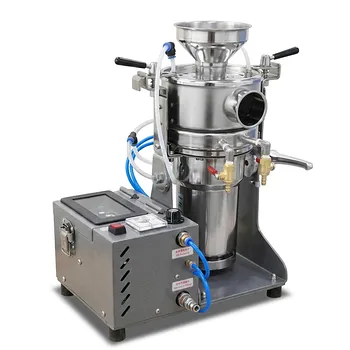
- Powder Processing: High-performance liquid nitrogen cryogenic grinders, planetary ball mills, and jet mills for rapid grain refinement.
- Compaction Excellence: A full spectrum of hydraulic presses, including Cold/Warm Isostatic Presses (CIP/WIP) and vacuum hot presses, designed to achieve maximum bulk density.
- Material Prep: Sieve shakers, powder mixers, and defoaming mixers to ensure feedstock consistency.
Ready to enhance your lab's efficiency and material performance? Contact our technical experts today to find the ideal solution for your powder metallurgy challenges.
References
- Haiming Wen, Enrique J. Lavernia. The influence of oxygen and nitrogen contamination on the densification behavior of cryomilled copper powders during spark plasma sintering. DOI: 10.1007/s10853-010-5178-9
Mentioned Products
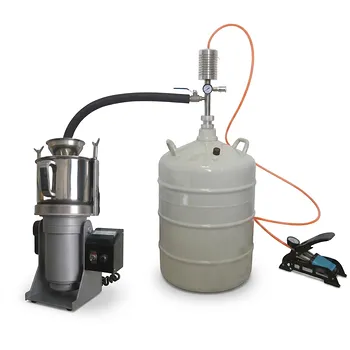
- Liquid Nitrogen Cryogenic Grinder for Plastic and Heat-Sensitive Materials
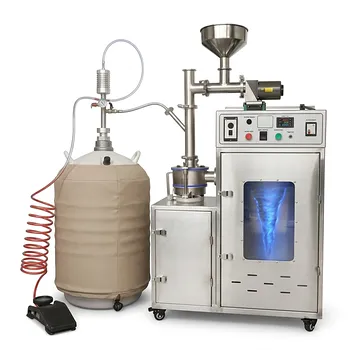
- Small Liquid Nitrogen Cryogenic Grinder for Ultrafine Grinding of Heat-Sensitive Materials in Laboratories
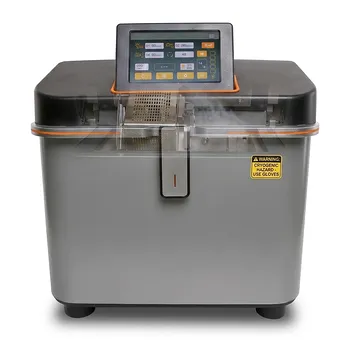
- Cryogenic Liquid Nitrogen Grinder for DNA Analysis and Polymer Pulverization with Automatic Cooling and Electromagnetic Impact Technology
- Cryogenic Liquid Nitrogen Grinder for Ultrafine Heat-Sensitive Powder Processing
- Small Liquid Nitrogen Cryogenic Grinder with Vibratory Feeder for Laboratory Sample Preparation
People Also Ask
- Why is a liquid nitrogen cryogenic grinder required before DSC? Ensure Accurate Thermal Analysis & Sample Integrity.
- Why is a liquid nitrogen cryogenic grinder necessary for plastic pre-processing? Achieve Precise Co-Pyrolysis Results
- What role does liquid nitrogen cryogenic grinding play in the modification of CNTs? Optimize Nanomaterial Processing
- Why is a laboratory-grade liquid nitrogen cryogenic grinder essential for processing drug-loaded polymer nanofiber mats?
- What is the role of a liquid nitrogen cryogenic grinder in drug-polymer mixing? Achieve Superior Sample Homogeneity

Tech Team · PowderPreparation
Last updated on Jun 03, 2026
Related Products
Liquid Nitrogen Cryogenic Grinder for Plastic and Heat-Sensitive Materials
Small Liquid Nitrogen Cryogenic Grinder for Ultrafine Grinding of Heat-Sensitive Materials in Laboratories
Cryogenic Liquid Nitrogen Grinder for DNA Analysis and Polymer Pulverization with Automatic Cooling and Electromagnetic Impact Technology
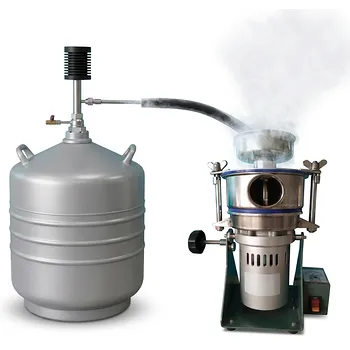
Cryogenic Liquid Nitrogen Grinder for Ultrafine Heat-Sensitive Powder Processing
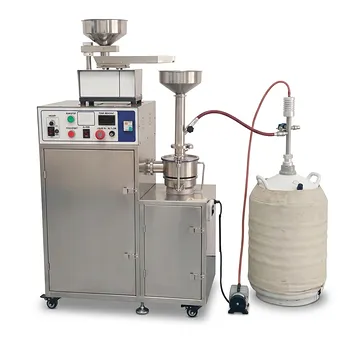
Small Liquid Nitrogen Cryogenic Grinder with Vibratory Feeder for Laboratory Sample Preparation
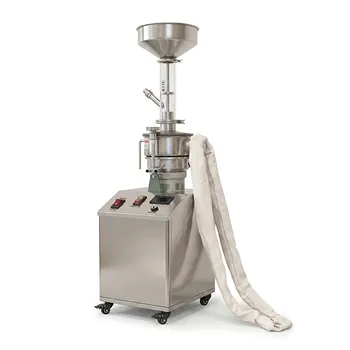
Small Liquid Nitrogen Cryogenic Grinder for Plastic and Heat-Sensitive Material Sample Preparation
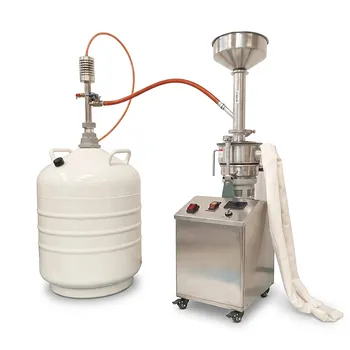
Laboratory Liquid Nitrogen Cryogenic Grinder for Polymer and Elastomer Materials
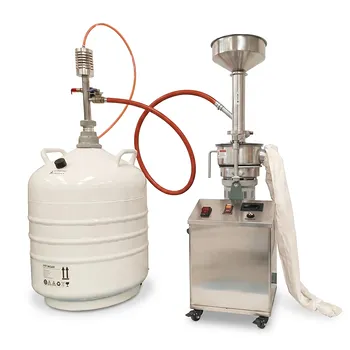
Laboratory Liquid Nitrogen Cryogenic Grinder Polymer Sample Preparation Pulverizer
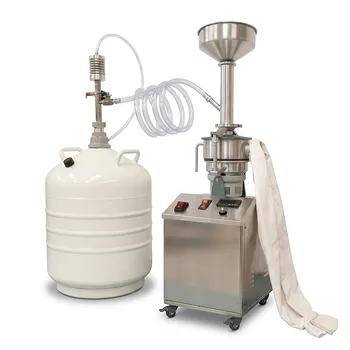
Laboratory Cryogenic Grinder Liquid Nitrogen Low Temperature Ultrafine Grinding
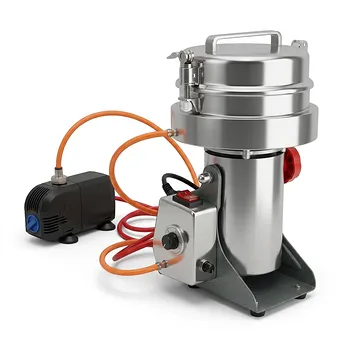
Water Cooled High Speed Grinder with Cryogenic Option for Laboratory Sample Preparation
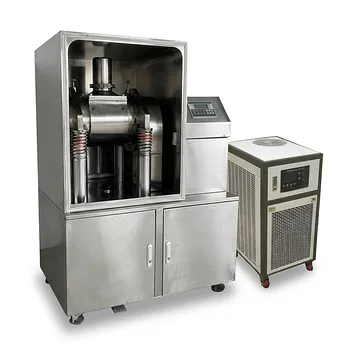
Water Cooled Cryogenic Ultra Fine Cell Wall Breaking Mill
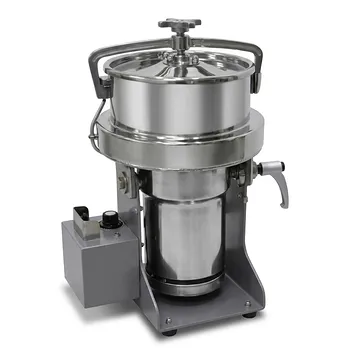
500g Capacity Water Cooled Low Temperature Grinder with Variable Speed and Safety Cover
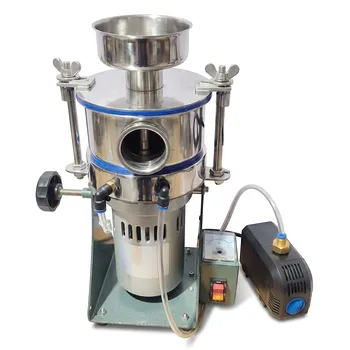
Water Cooled Airflow Ultra Fine Grinder for Low Temperature Material Processing
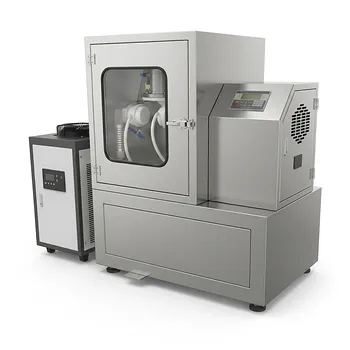
Vibratory Ultra-Low Temperature Ultrafine Grinder for Cryogenic Powder Processing
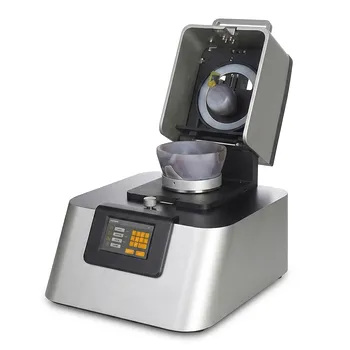
Laboratory Mortar Grinder for Sample Preparation and Cryogenic Powder Homogenization
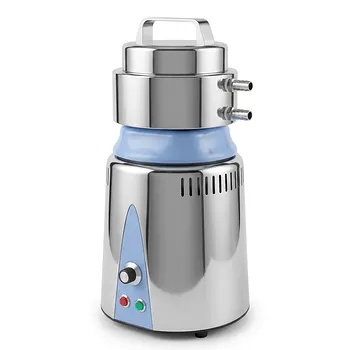
Low Temperature Laboratory Knife Mill Cryogenic Sample Grinder Material Science Powder Processing
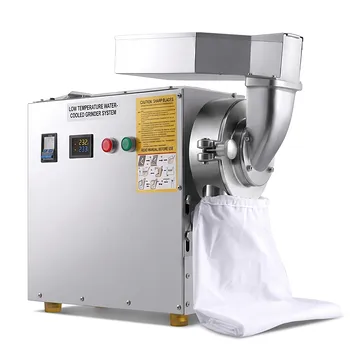
Low Temperature Water Cooled Continuous Feed Grinder Two Stage Coarse and Fine Grinding System
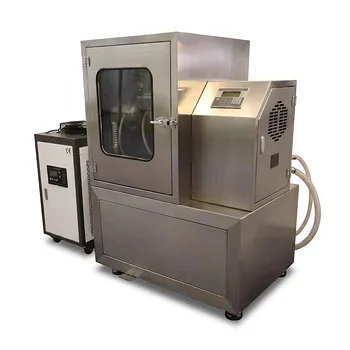
Ultra-Low Temperature Vibratory Mill for Ultrafine Grinding
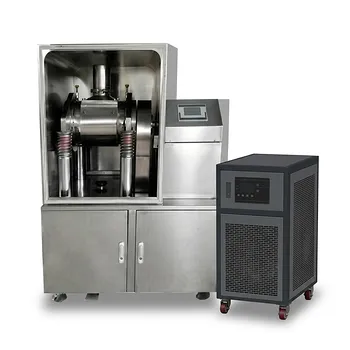
Ultra-low Temperature Vibratory Mill Ultrafine Grinder